


 Українська
  English (UK)
  Русский
  العربية
  日本語
日本語  한국어
한국어  Magyar
  Türkçe
  Español
  Čeština
  Svenska
  Português
  Ελληνικά
  Suomi
Suomi  Nederlands
  Română
  Italiano
  Français
  Polski
  Deutsch
  简体中文
简体中文  Slovenčina
 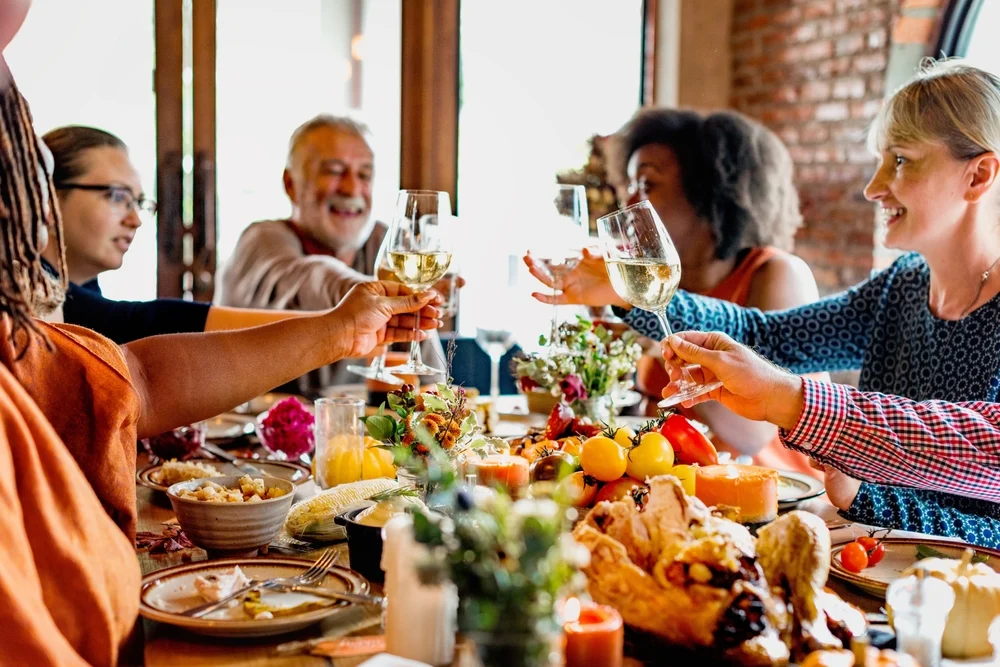 How Foodcations Are Transforming Travel Habits and Spending Patterns">

Rising Appetite for Food-Centred Travel
More and more travellers are prioritising food when planning their trips, with a notable percentage willing to spend close to £2,000 on what is now commonly called a foodcation. This trend cuts across generations, signalling an increasing desire to combine travel with culinary exploration.
Recent research shows that 44% of Gen Z and 31% of millennials have embarked on trips primarily driven by food experiences, compared to lower percentages among older generations—21% of Gen Xers and only 11% of baby boomers. On average, respondents travelled nearly 500 miles and spent around £910 on their last food-related getaway, but many report they would be ready to double that expense to savour a special dish that has long been on their bucket list, such as sushi in Tokyo or curry in Mumbai.
Understanding the Depth of Culinary Exploration
Interestingly, travellers believe one visit is rarely enough to fully appreciate the local cuisine of a destination. It generally takes about five visits to get a genuine grasp of a city’s food scene.
One explanation for this extensive interest in culinary diversity is that many become more adventurous eaters whilst travelling—two-thirds of those surveyed described themselves as more willing to try new foods away from home. Younger generations lead this trend, with over three-quarters of Gen Z and millennials embracing adventurous eating, compared to lower although still significant numbers in Gen X and baby boomers.
How Travellers Prepare Their Foodcation
The journey begins long before boarding a plane or boarding a yacht. For three-quarters of travellers, researching dining options is essential—on average, they spend about two and a half hours doing so. Their preparation includes reading multiple articles, watching videos, contacting friends, and browsing several websites to construct a well-curated culinary itinerary.
Rather than sticking to well-known dining spots, 41% of travellers prefer “hole-in-the-wall” eateries—small, often undiscovered gems that locals cherish. Another 14% gravitate towards famous restaurants, while 45% enjoy a balance of both types. This mix reflects a desire to both uncover authentic local flavours and experience celebrated dishes from renowned establishments.
Top US Food Destinations and Favourite Dishes
| Destination | Фірмова страва |
|---|---|
| Philadelphia, Pennsylvania | Philly Cheesesteak |
| New York City, New York | New York–style Pizza |
| Missouri and Kansas | Kansas City BBQ |
| Chicago, Illinois | Deep-Dish Pizza |
| Central Texas | Texas BBQ |
Among states, New York ranks highest in reputation for the best food culture, followed closely by California and Texas, each boasting rich and diverse culinary traditions. California offers an impressive variety, from California-style pizza to authentic Mexican, vibrant Vietnamese dishes in Garden Grove, and world-renowned wine regions like Napa Valley.
A Brief Look Back: The Evolution of Culinary Travel
Culinary travel, while more prominent today, has roots stretching back as travellers historically sought new tastes and experiences beyond their homeland. Historically, food has served as a cultural bridge and a primary motivator for exploration, whether through tasting exotic spices, local seafood, or regional specialities.
The modern “foodcation” reflects a shift from simply sampling meals to fully integrating culinary exploration as a central part of travel. As global connectivity and media grew, food has become an essential part of discovering a place’s identity and culture. The advent of travel shows, food blogs and rating platforms has fuelled curiosity, making food-based holidays a growing segment within the tourism sector. This trend aligns well with other experiential travel forms, including cultural, adventure and eco-tourism, which emphasise immersive and meaningful encounters.
Impact on Travel and Tourism
Food-focused travel encourages visitors to diversify their activities, venturing beyond typical sightseeing to include markets, cooking classes, festivals, and visits to farms or fishing villages. For destinations, this offers opportunities to showcase indigenous products, support local businesses, and extend visitor stays.
Moreover, the willingness to return multiple times to explore culinary offerings signals a new kind of loyalty and helps spread tourism seasonality. Restaurants, markets, and gourmet experiences become key drivers for repeat visits, sustaining local economies and deepening cultural exchange.
Foodcations and the Marine Connection
Though the foodcation trend is land-focused, it also intersects with maritime leisure in compelling ways. Coastal and waterfront destinations have unique culinary identities strongly linked to their marine environments—think of fresh seafood, beachside barbecues, or lakeside fish boils.
Chartering a yacht or hiring a sailing boat can become part of a memorable foodcation, pairing the thrill of sailing with the joy of discovering hidden coastal culinary gems. Activities such as fishing excursions, marina visits, and beachside dining are natural complements to boat rentals, offering travellers a multi-dimensional experience of taste, sea, and sun.
Planning for Future Foodcation Trends
As travellers seek authentic, immersive food experiences, destinations well-integrated with culinary tourism stand to gain significantly. This includes improving accessibility, enhancing food-related events, connecting visitors with local producers, and leveraging digital marketing to inspire and inform food-focused trips.
The ongoing digital revolution, from video content to social networks, not only informs prospective foodcations but also allows travellers to share their experiences globally, fuelling aspirations and creating communities around culinary discovery.
Summary and Outlook
Foodcations represent a growing trend where culinary adventure drives travel decisions, with many willing to invest considerable sums to taste unique dishes worldwide. This trend is especially prevalent amongst younger travellers who embrace food exploration and preparation with keen dedication.
The preference for a mix of humble local eateries and famous restaurants, combined with extensive pre-trip research, shows that culinary travel is as much about authenticity as it is about discovery. US cities like Philadelphia, New York, and Chicago lead as popular foodcation destinations, while states with strong food cultures, such as New York, California, and Texas, remain top-rated by travellers.
Looking at the broader tourism perspective, foodcations encourage travellers to deepen their engagement with destinations, span multiple visits, and explore beyond conventional tourist activities. Aligning with this trend, coastal and marine destinations offer unique opportunities for those who blend yachting, boating, and food exploration, enhancing appeal for adventurous tourists seeking multi-sensory experiences.
GetBoat.com offers an international marketplace for hiring sailing boats and yachts, making it an excellent platform to combine the joys of boating with culinary adventures. Whether you seek serene lake charters, vibrant coastal marinas, or luxurious superyacht experiences, GetBoat connects you to sailing and boating options that perfectly complement your next foodcation journey.