


 Українська
  English (UK)
  Русский
  العربية
  日本語
日本語  한국어
한국어  Magyar
  Türkçe
  Español
  Čeština
  Svenska
  Português
  Ελληνικά
  Suomi
Suomi  Nederlands
  Română
  Italiano
  Français
  Polski
  Deutsch
  简体中文
简体中文  Slovenčina
 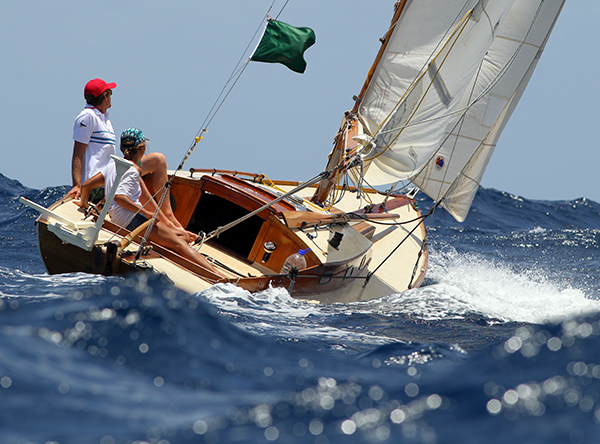 Folkboat Endurance: Design, Use and Charter Notes">

A 25ft (7.6m) Folkboat typically fits into a standard marina berth and can be moved between regattas on a specialized cradle trailer, which makes its transport and mooring logistics straightforward for clubs and charter operators. The boat’s modest beam and long keel also simplify towing, storage ashore and slip allocation at crowded marinas.
Logistics and marina fit
For owners, clubs and rental businesses the Folkboat’s dimensions and weight translate into predictable handling at marinas and in haul-out yards. A Folboat-class vessel will usually occupy the same berth footprint as other 25–27 ft cruisers; maintenance tasks such as re-caulking, antifouling and keel checks can be scheduled with standard yard equipment. Because many Folkboats were built in wood and later in GRP, parts and repair skills are widely available across European marinas, easing supply-chain concerns for spares and refits.
Transport and slip planning
Charter managers and small marinas benefit from a boat that is both sea-kindly and easy to stow ashore. The long keel and relatively deep ballast mean haulage requires a good cradle but not exotic lifting gear; slip planners can therefore assign a Folkboat to typical 8–9m berths without surprise. For charter fleets that rotate boats between destinations, the Folkboat’s predictable weight distribution reduces handling incidents during launches and recoveries.
Design elements that keep the Folkboat relevant
The original design, drawn up in 1941 and commonly attributed to Tord Sunden, marries conservative lines with clever hydrodynamics. The hull features a flare to the topsides and a narrow waterline beam that gives reasonable light-air speed while delivering stability as the hull heels. A high ballast ratio—commonly well over 50% in many versions—creates stiffness and a forgiving righting moment, valuable in exposed waters like the Irish Sea or North Atlantic passages.
Key technical traits:
- Long keel: Provides tracking and directional stability, making the Folkboat sitter for long passages and heavy weather.
- Fractional sail plan: Easy to balance and reef, which suits both racing crews and short-handed charter trips.
- Topside flare: Keeps the cockpit and decks relatively dry even when pushed in sharp seas.
| Feature | Typical characteristic |
|---|---|
| Length | ~25 ft (7.6 m) |
| Ballast ratio | Often >50% |
| Construction | Clinker (Nordic) or carvel/GRP (International) |
| Keel | Long keel, slim sections |
| Rig | Fractional sloop |
How the hull sails
The combination of modest displacement, limited wetted surface for its type, and a cleverly judged sail plan means the Folkboat can slip along in light airs yet still carry canvas as conditions increase. Its long keel and firm bilges create lift and directional control—drivers report a nicely balanced helm and a deep cockpit that feels safe in a blow. In short, it often punches above its weight compared with similarly sized modern beamy boats.
Variants, the one-design world and classic racing
The Folkboat spawned numerous variants and inspired comparable pocket cruisers and one-design classes. Recognised forms include the clinker-hulled Nordic original and the carvel International Folkboat with more cabin height. Close relatives and derivatives such as the Stella and the Contessa 26 share the same DNA: seaworthiness, simplicity and longevity.
One-Design context
One-Design racing remains a big part of the boat’s culture. The Folkboat sits alongside classes like Dragon, International One Design (IOD), Squib, Bembridge Redwing, Fairy OD, XOD і Etchells in the roster of classic fleets where skill outweighs gadgetry. Comparing a Wooden Ships Folkboat to a Vertue, for instance, offers a practical lesson in how hull form and keel design influence passage-making and club racing performance.
Practicalities for charter and rental
For a charter operator or private owner listing a Folkboat, the selling points are clear: a compact, hardy yacht that handles well under a competent captain, suits sheltered bays or open-coast trips, and appeals to crews who value seamanship. It’s not a standing-headroom superyacht, sure, but for coastal cruising, fishing mornings off the beach or a trusty week-long lake-to-sea hop, the Folkboat can be an economical and characterful offering on any rental list.
Not everyone wants a long keel and limited interior volume, but for those who do, the Folkboat delivers a tidy mix of style, seaworthiness and operational predictability that keeps it active in marinas, regattas and charter manifests alike.
In summary: the Folkboat combines a proven hull form by Tord Sunden with practical transport and marina logistics, a high ballast ratio and forgiving seakindly manners. Its variants and place in one-design racing underline why sailors, charter operators and classic-boat buyers still seek these boats for yacht hire, sale and cruising. From beach hops and lake weekends to ocean passages under an experienced captain, the Folkboat’s enduring appeal touches charter, rent, yachting and boating communities and keeps marinas and regattas lively from gulf to open sea.