


 Українська
  English (UK)
  Русский
  العربية
  日本語
日本語  한국어
한국어  Magyar
  Türkçe
  Español
  Čeština
  Svenska
  Português
  Ελληνικά
  Suomi
Suomi  Nederlands
  Română
  Italiano
  Français
  Polski
  Deutsch
  简体中文
简体中文  Slovenčina
 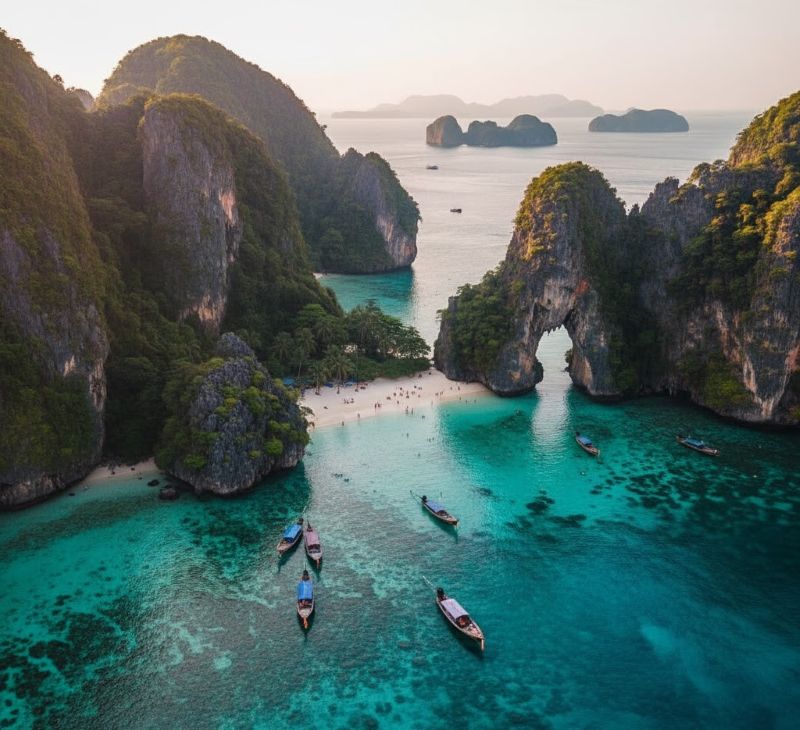 Відстеження змін у туристичному досвіді між представниками покоління бебі-бумерів та міленіалів">

Transformation of Travel Across Generations
The way people travel today differs dramatically from the experiences that previous generations encountered. This shift reveals what Baby Boomers recall from their journeys—moments and types of travel that today’s Millennials might never fully encounter. Understanding these differences unveils crucial insights about evolving traveller behaviours and industry trends.
Changing Travel Preferences and Behaviours
Baby Boomers, born roughly between 1946 and 1964, grew up during a time when international travel was newly accessible but still a special venture. Their travel often involved longer, planned tours, with clear distinctions between leisure destinations and business. In contrast, Millennials—often classified as those born from the early 1980s to the early 2000s—embrace a widely different travel ethos. They tend to prioritise experiences packed with activities, social connectivity, and a stronger focus on lifestyle and fun.
Millennials are notable for their tendency to travel more frequently, seeking diverse destinations as part of self-discovery. They often travel in small groups and rely heavily on digital resources—from online reviews to social networks—to shape their trips. Their readiness to spend on travel even at financial stretch demonstrates a commitment to experiential richness over brand loyalty.
Highlights of Current Generational Travel Trends
| Aspect | Бебі-бумери | Мілленіали |
|---|---|---|
| Travel Frequency | Occasional, often annual trips | Frequent, multiple destinations per year |
| Information Gathering | Traditional sources – brochures, travel agents | Digital-first – online reviews, social media |
| Motivations | Relaxation, culture, visiting family | Adventure, social experience, lifestyle |
| Group Size | Family or organised groups | Small friend groups or solo exploration |
| Spending Habits | Cautious, brand loyal | Willing to spend more, less brand loyal |
Historical Overview of Evolving Travel Patterns
Historically, travel was an exclusive activity reserved for the elite or those travelling on religious or educational pilgrimages. Early societies like the Egyptians, Greeks, and Romans showed the first signs of organised travel. Over centuries, travel slowly evolved from precarious journeys of necessity to leisurely pursuits. The Industrial Revolution marked a pivotal moment; increased wealth and technology, particularly advancements in transportation such as railways and steamships, democratised travel, enabling the masses to explore further afield.
Post World War II saw a surge in mass tourism driven by Baby Boomers. This era was defined by package tours, standardised holiday experiences, and the rise of international destinations linked by affordable flights. The travel industry responded with cookie-cutter offerings catering to a homogenised market.
By the late 20th century, market segmentation emerged. Travellers were no longer a unified mass but divided by age, culture, income, and interests. The internet revolution further personalised travel, giving rise to niche markets and individualistic approaches. Millennials epitomise this new era, demanding bespoke adventures interlaced with cultural authenticity and digital connectivity.
From Mass Tourism to Tailored Experiences
The tourism market has gradually transitioned from broad, one-size-fits-all packages towards specialised segments. Sophistication in marketing and product development enabled tailored experiences—for example, eco-tourism, adventure travel, or cultural immersion adventures. Technology empowered travellers to craft personalised itineraries, often changing plans spontaneously and relying on real-time online feedback.
Generational differences play a crucial role in these trends. The multilevel segmentation model divides travellers not only by geography or demographics but by psychographic and behavioural factors. For example, allocentrics, adventurous explorers, contrast sharply with psychocentrics, those who prefer planned and familiar environments. Millennials, largely allocentric, actively seek the uncommon, remote, and immersive destinations, shaping how destinations design and market their products.
Impact on International Tourism and Future Outlook
The ongoing transformation in traveller profiles reshapes global tourism dynamics. Emerging markets now cater to more sophisticated and demanding travellers who expect authentic, multifaceted journeys. Rapid urbanisation, rising income levels in countries like India and China, and liberalised visa and transport policies have expanded the outbound travel market.
This shift opens opportunities for a variety of tourism activities tailored to distinct preferences, including cultural tourism, adventure sports, and sustainable eco-tourism. Travellers’ increasing environmental consciousness also promotes destinations that foster responsible tourism, which is likely to influence future development.
The blending of digital technology with travel enables a new form of connectivity: real-time sharing, virtual tours, and augmented experiences. These developments hint at evolving future travel forms, but the genuine desire for physical presence, exploration of seascapes, and interactions with nature likely preserve the charm of real-world travel.
Forecast for Travel Trends and Their Relation to Sailing and Boat Hire
The changing traveller mentality holds particular promise for lifestyle-based tourism sectors such as sailing and boating. Millennials’ pursuit of unique, active, and social experiences fits perfectly with chartering yachts, sailing across clear waters, or exploring hidden marinas and coastal destinations. Yacht and boat rentals offer flexibility, freedom, and a personalised environment that echo these travellers’ values.
As destinations with appealing beaches, lakes, and coastal water bodies evolve to meet these dynamic needs, sailing activities and boat charters gain prominence. The embrace of water sports, fishing expeditions, or sunseeker cruises aligns with the trend towards experiential and adventure tourism.
Висновок
The stark contrast between how Baby Boomers and Millennials approach travel highlights a broader evolution in tourism. From planned, controlled voyages to dynamic, technology-driven adventures, each generation redefines what travel means. This growing diversification has prompted deeper segmentation and niche marketing, which encourages personalised journeys that offer authentic, engaging and memorable experiences.
Destinations featuring attractive waterfronts, marinas and sailing infrastructure stand to benefit immensely from these trends. The move towards experiential and activity-rich travel ensures that yacht and boat charters remain integral to appealing to modern travellers’ desires for flexibility, engagement and socialising, with a captain leading the way in clear, inviting waters.
For those looking to rent sailing boats or yachts, exploring international destinations with vibrant boating cultures can deliver unparalleled travel experiences tailored to every taste and budget. The international marketplace GetBoat.com offers an extensive selection of yacht charters and boat rentals, making it easier than ever to embark on these maritime adventures that intertwine relaxation, exploration, and excitement on the open sea.