


 Українська
  English (UK)
  Русский
  العربية
  日本語
日本語  한국어
한국어  Magyar
  Türkçe
  Español
  Čeština
  Svenska
  Português
  Ελληνικά
  Suomi
Suomi  Nederlands
  Română
  Italiano
  Français
  Polski
  Deutsch
  简体中文
简体中文  Slovenčina
 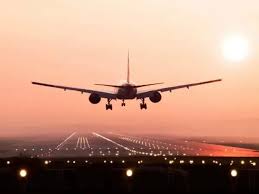 Upgraded Delhi Airport Terminal 2 Handles 120 Domestic Flights Daily">

Reopening of Delhi Airport’s Terminal 2 and Its Key Features
Terminal 2 at Delhi Airport recently reopened after a significant upgrade, resuming operations with about 120 domestic flights every day. Two major Indian airlines, Air India and IndiGo, are managing these flights, marking a new chapter for the terminal and improving the travel experience for passengers.
This modernized facility introduces advanced amenities such as self baggage drop and cutting-edge passenger boarding bridges, which streamline boarding and reduce wait times. Travelers are encouraged to verify their flight and terminal information carefully before arriving as the terminal transition settles in.
Operational Aspects and Airlines’ Transition
Temporary closure for refurbishment occurred in April, with the upgrades finalized for reopening. Air India and IndiGo shifted many of their domestic services to Terminal 2. Specifically, Air India’s domestic flights beginning with flight numbers in the 1XXX range now operate from this terminal. In contrast, Air India Express maintains its domestic operations at Terminal 1, with international flights continuing from Terminal 3.
IndiGo has reassigned its 2000-2999 series flights previously at Terminal 1 to Terminal 2. Some flight schedule changes might happen during this transition, urging passengers to use airline platforms or customer support for updates.
Table: Distribution of Air India and IndiGo Flights Across Delhi Airport Terminals
| Авіалінія | Terminal 1 | Terminal 2 | Terminal 3 |
|---|---|---|---|
| Air India (Domestic) | — | Yes (1XXX flights) | International flights |
| Air India Express | Yes (Domestic flights) | — | International flights |
| IndiGo (2000-2999 series) | Previously yes (before Oct 26) | Currently shifting | — |
Facilities and Infrastructure Enhancements
The operator of Delhi Airport, Delhi International Airport Limited (DIAL), has focused on passenger-friendly upgrades. The new self baggage-drop facility enables independent baggage check-in, slashing waiting times significantly. This lets travelers scan their boarding passes, tag their luggage themselves, and drop bags quickly without standing in long queues.
A major addition includes six contemporary passenger boarding bridges procured from South Korea, equipped with autonomous docking technology. These bridges speed up aircraft handling and offer enhanced safety and accessibility, featuring elevated ramps for wheelchair users, side-covering cushions, and swing doors protecting operators.
The apron and airside areas have also undergone extensive refurbishment to support efficient aircraft operations aligned with steadily growing air traffic.
Modern Passenger Convenience Features
- Self baggage-drop: Reducing time spent at check-in counters
- Autonomous boarding bridges: Faster, safer boarding with accessibility considerations
- High-resolution flight information displays: Improved real-time updates for travelers
- Clear signage: Designed especially for easy navigation and accessibility within the terminal
Historical Context of Delhi Airport’s Terminal Development
Terminal 2 was originally constructed by the Airports Authority of India around four decades ago, serving as one of the integral parts of the capital’s main airport complex. The airport itself has been a vital hub for domestic and international air traffic in India, recognized as a gateway for millions of travelers every year.
Over time, rising passenger volumes put pressure on existing infrastructure, leading to phased expansions and upgrades across Delhi Airport’s terminals. Terminal 3, for example, was developed to focus on international operations, while internal adjustments have been made to allocate terminals more efficiently for domestic airlines. The latest upgrade of Terminal 2 is part of ongoing efforts to modernize airport facilities to meet contemporary standards of convenience and efficiency.
Table: Timeline of Delhi Airport Terminal Developments
| Year | Terminal Activity |
|---|---|
| Circa 1980s | Initial construction of Terminal 2 by Airports Authority of India |
| 2008 | Opening of Terminal 3 for international flights |
| 2023–2024 | Upgrade and reopening of Terminal 2 focusing on enhanced domestic operations |
Aviation Growth and Its Implications for Tourism Infrastructure
India’s civil aviation sector has undergone remarkable growth, driven by rising domestic travel demand and increasing outbound tourism. Major urban hubs like Delhi and Mumbai handle the bulk of international and domestic passenger movements and boast evolving airport infrastructure. Government reforms have encouraged private participation in airport management and air services, broadening the accessibility and quality of air transport.
Модернізація терміналів у завантажених аеропортах, таких як Делі, відображає ширші тенденції покращення зручності пасажирів та операційної потужності, що є важливим для підтримки зростання туризму на жорстко конкурентному ринку Індії.
Попри те, що розширення авіації має вирішальне значення для безперебійного зв’язку, додаткові зручності, такі як наземний транспорт, чітка сигналізація та допоміжні засоби в терміналах, значно сприяють враженням мандрівників. Модернізація Терміналу 2 повністю відповідає цим еволюційним потребам, поєднуючи сучасні технології з дизайном, орієнтованим на користувача.
Прогноз: Підвищення аеропорту стимулює ширший попит на подорожі
Зміцнення аеропортів, таких як Термінал 2 у Делі, має відіграти ключову роль у розміщенні майбутнього збільшення пасажиропотоку, потенційно заохочуючи більший внутрішній туризм та безперебійні з’єднання для міжнародних мандрівників. Ці покращення відповідають зростаючим прагненням до подорожей середнього класу та розширюваному внутрішньому чартерному ринку авіаперевезень.
Навіть у міру розширення авіаційного сектору, інтеграція ефективних аеропортів із морськими транспортними вузлами збагачує можливості для багатомодальних туристичних вражень. Модернізовані аеропорти у великих містах можуть опосередковано підвищити інтерес до прибережних та озерних напрямків, де процвітають такі види діяльності, як вітрильний спорт і катання на човнах, шляхом покращення доступності.
Висновок
Повторне відкриття терміналу 2 аеропорту Делі зі своїми сучасними зручностями є значним кроком до забезпечення високих стандартів авіаперевезень у столиці Індії. З 120 щоденними внутрішніми рейсами, якими в основному керують Air India та IndiGo, модернізація терміналу обіцяє більш плавні потоки подорожей і кращий комфорт для пасажирів завдяки таким розумним технологіям, як самообслуговування здачі багажу та сучасні трапи для посадки.
Історія показує, що еволюція терміналу від його ранніх днів до цього оновленого стану відображає динамічний авіаційний ландшафт Індії – ключовий фактор розширення секторів подорожей та туризму країни.
Для мандрівників, які планують досліджувати прибережні води, озера, або насолоджуватися яхтингом та вітрильним спортом, ефективні авіасполучення поблизу жвавих морських напрямків можуть стати воротами до незабутніх досвідів на човні. GetBoat.com, міжнародний маркетплейс для оренди вітрильних човнів та яхт, пропонує чудову платформу для поєднання авіаперельотів із водними активностями, гарантуючи бездоганні пригоди на морі, озері чи затоці, які відповідають будь-якому смаку та бюджету.