


 Українська
  English (UK)
  Русский
  العربية
  日本語
日本語  한국어
한국어  Magyar
  Türkçe
  Español
  Čeština
  Svenska
  Português
  Ελληνικά
  Suomi
Suomi  Nederlands
  Română
  Italiano
  Français
  Polski
  Deutsch
  简体中文
简体中文  Slovenčina
 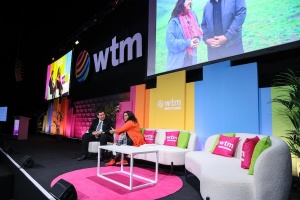 Key Themes of Inclusion, AI, and Sustainability at WTM London 2025">

Overview of WTM London 2025’s Day Two Highlights
The second day of the World Travel Market (WTM) London 2025 shone a spotlight on critical topics transforming the travel landscape: inclusion, artificial intelligence (AI), and sustainable tourism. These themes, explored through the DEAI (Diversity, Equity, Accessibility, and Inclusion) Summit and various forums, reveal how the tourism industry is evolving to meet new social and technological challenges.
Inclusion and Diversity: Addressing Challenges and Opportunities
Discussions began with the issue of “inclusion fatigue,” referring to growing resistance and political pushback against diversity initiatives. Travel experts emphasized the potential of travel to bridge cultural divides by fostering a sense of “us” rather than “us versus them.” The need to extend inclusivity efforts beyond symbolic gestures, such as Pride Month in LGBTQ+ tourism, was underscored, advocating for lasting investments to truly welcome diverse travellers.
Accessibility also took center stage, highlighting barriers faced by disabled travellers, particularly due to the increased use of technology since the pandemic, which excludes those unable to navigate digital platforms easily. Research revealed luxury hotels often advertise amenities like pillow menus or pet-friendly services more prominently than accessibility features, leaving disabled tourists uncertain and forced to gamble on holiday experiences. The call was clear: accessible travel remains an untapped market requiring broader adaptations and marketing strategies beyond simply catering to wheelchair users.
AI’s Role in Tourism: Enhancing but Not Replacing Human Touch
The conversation shifted to the role of AI in content creation and tourism marketing. While acknowledging AI’s limitations and environmental impact, experts recognized its utility in optimizing tasks such as affiliate link management and revising content for better search engine performance. A lively debate captured the tension between human spontaneity in travel and AI-curated experiences, with a majority of participants optimistic about AI’s future contributions despite current imperfections.
Sustainability in Tourism: Integrating Ecology and Community
Sustainability emerged as a recurring focus, encompassing “cool tripping,” slow tourism, and catering to the sophisticated traveller seeking eco-conscious experiences. Leading companies showcased innovations such as hybrid-powered ships, community-accessible events, and sourcing local, hyperlocal foods, aligning travel experiences with environmental stewardship. Yet, the gap between travellers’ sustainable intentions and bookings calls for clearer, credible labels guiding consumers towards greener choices.
Historical Perspective on Inclusion, AI, and Sustainability in Tourism
The concepts of inclusion and sustainability have gradually woven themselves into the fabric of global tourism over recent decades. The emergence of sustainable tourism as a discipline dates back to the 1987 Brundtland Report, which framed sustainable development as meeting current needs without compromising future generations’ ability to do the same. Since then, the travel industry has increasingly adopted practices balancing environmental, social, and economic impacts.
Similarly, inclusion in tourism has evolved from niche accessibility programs to comprehensive approaches addressing diverse groups such as LGBTQ+ communities, disabled travellers, and religious or cultural minorities. The recognition that inclusivity broadens market appeal and enriches cultural exchanges marks a significant shift from earlier, more exclusionary models.
Artificial intelligence, a more recent disruptor, has shifted from experimental uses to widespread integration in travel planning, content generation, and personalized marketing. While AI is yet to replace the serendipitous joy of human-curated experiences, it continues to enhance operational efficiency across travel services.
The Evolving Significance of These Themes in International Tourism
Looking ahead, the integration of inclusion, AI, and sustainability is poised to reshape travel destinations and experiences universally. Destinations embracing inclusivity will tap into new markets and foster authentic connections, thus increasing their appeal. AI’s growth will support personalized, streamlined trip planning, boosting efficiency and learning while minimizing environmental impacts through digital tools.
Sustainability, in particular, increasingly defines destination competitiveness. Tourism that respects ecological limits, supports local communities, and offers genuine, responsible experiences will attract the growing segment of eco-aware travellers. The shift toward “soft tourism” practices rooted in local resources and culture benefits not only the environment but also coastal and marine destinations popular with boating and yachting enthusiasts.
Sustainability and Inclusion: Vital Pillars for Tourism’s Future
| Aspect | Key Points |
|---|---|
| Inclusion | Expanding DEAI beyond symbolic gestures; addressing accessibility barriers; welcoming diverse cultures and identities. |
| Artificial Intelligence | Balancing AI’s efficiency with human authenticity; optimizing digital marketing; recognizing environmental costs. |
| Sustainability | Integrating ecological stewardship with tourism products; promoting slow and community-based tourism; enhancing transparency in sustainable options. |
Practical Initiatives Highlighted at WTM
- Thailand’s marriage equality law enabling dedicated LGBTQ+ tourism platforms.
- Norwegian cruise line’s hybrid-powered ships and community engagement models.
- Malta’s academic studies on inclusion to support ongoing tourism development.
- Helsinki’s digital tools helping visitors make sustainable choices.
- Community tourism enterprises promoting local empowerment in Peru and India.
Potential Impact on Sailing and Boat Rental Destinations
Destinations renowned for boating and sailing stand to gain immensely by embracing these evolving dynamics. Inclusivity ensures that marinas, yacht clubs, and charter services become accessible and welcoming to all travellers, including those with disabilities or distinct cultural needs. Meanwhile, AI-driven technologies can revolutionize how sailors discover and book charters, enhancing personalized experiences and operational efficiencies.
On the sustainability front, boating destinations are especially sensitive to ecological concerns — from water quality to marine biodiversity. Integrating sustainable practices — such as eco-friendly marinas, hybrid or electric yachts, and community-led conservation initiatives — can elevate the value proposition for yachting enthusiasts who prioritize responsible travel.
Forecasting Trends for Marine Tourism
As global awareness of sustainable and inclusive travel grows, water-based tourism will increasingly reflect these values. Charters and yacht rentals will likely offer more transparent sustainability credentials, and destinations will strive to protect their natural marine environments while offering authentic cultural experiences. AI will assist captains and customers alike by analyzing preferences, ensuring regulatory compliance, and optimizing routes for lower environmental impact.
Висновок
Day two of WTM London 2025 brought forward critical themes shaping the future of global travel: embracing diversity and inclusion, harnessing AI’s power thoughtfully, and embedding sustainability into the heart of tourism. These concepts are not isolated but interwoven, influencing how destinations market themselves, how travellers plan and experience their journeys, and how the industry grows responsibly.
For marine lovers and sailing enthusiasts, the ripple effects of these themes are already apparent. Accessible charters, sustainable boating practices, and AI-enhanced booking platforms are setting new standards in yachting and boat rental markets. This trend promises safer, more inclusive, and environmentally conscious adventures across oceans, gulfs, lakes, and coastlines.
To stay updated on how these transformative trends unfold in travel and yachting destinations, it is worth exploring the offerings of GetBoat.com — an international marketplace providing an extensive range of sailing boats and yachts for rent, catering to every taste and budget. Whether seeking a laid-back beach sail or a luxury superyacht voyage, GetBoat connects you to the experiences that exemplify modern, sustainable, and inclusive travel on the water.