


 Українська
  English (UK)
  Русский
  العربية
  日本語
日本語  한국어
한국어  Magyar
  Türkçe
  Español
  Čeština
  Svenska
  Português
  Ελληνικά
  Suomi
Suomi  Nederlands
  Română
  Italiano
  Français
  Polski
  Deutsch
  简体中文
简体中文  Slovenčina
  Budapest Ferenc Liszt Airport to Boost Capacity with New Terminal">

Forthcoming Expansion of Budapest Airport
Hungary is poised to significantly enhance its air transport infrastructure with a large-scale expansion of Budapest Ferenc Liszt Airport. The project includes the construction of a third terminal, set to begin in March 2026, as part of a €2.5 billion investment by both the government and private investors. This ambitious development is designed to boost the airport’s capacity to handle up to 40 million passengers annually, a substantial rise from current figures.
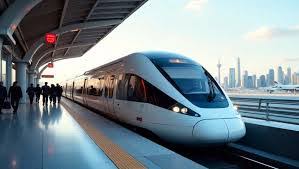
Alongside the terminal expansion, the investment package encompasses enhanced connectivity with plans to build a high-speed railway linking central Budapest directly to the airport and upgrading the surrounding public road network. These improvements are expected to ease passenger flows and contribute to more efficient transit to and from the airport, aligning with the broader aims of supporting Hungary’s growing travel demand.
Details of the Terminal Project
Construction of the third terminal is projected to span multiple phases over approximately eight years, culminating around 2035. The estimated cost for this terminal alone reaches one billion euros. The civil aviation sector anticipates this expansion as a vital step to accommodate increasing passenger volumes and to solidify Budapest’s status as a key hub in Central Europe.
Currently, the airport handled about 17.6 million passengers last year, with expectations to approach 20 million this year, signalling strong upward mobility in air travel demand within the region. This expansion is not only set to cater to increased traffic but also aims to improve overall infrastructure resilience and passenger experience.
Historical Context of Hungarian Airport Development
Budapest Ferenc Liszt Airport, Hungary’s largest international gateway, has experienced steady growth over the past decades. The airport primarily serves connections within Europe, but also extends links to Asia, the Middle East, and North America. The Hungarian government reasserted more direct control over its main airport by acquiring it from a consortium led by AviAlliance, with Vinci Airports taking on an operational stake.
This move marks a strategic effort to invest in transport infrastructure, regarded as a backbone for economic growth and a strong contributor to tourism development. Historically, air transport infrastructure has been crucial in increasing accessibility to destinations, enhancing competitiveness, and expanding the range of travel and tourism experiences available to visitors.
Investment and Economic Factors
Since transitioning to a market economy, Hungary's seen substantial foreign investment inflows, which have supported infrastructure projects and modernisation initiatives, including in aviation. The airport's expansion reflects this ongoing trend toward upgrading transport assets crucial for supporting outbound and inbound tourism, business travel, and economic integration with European and global markets.
Implications for Tourism and Travel in Hungary
The planned airport expansion is anticipated to have multiple positive effects on Hungary’s travel sector. Increasing the airport’s capacity aligns with the growing trend of higher travel demand, including more frequent city breaks, incentive travel and international tourism. Improved transport connectivity from the city centre to the airport via high-speed rail will also boost accessibility, an essential factor for traveller convenience and destination attractiveness.
Enhanced airport facilities, combined with better transport infrastructure, are expected to attract more visitors, which may benefit tourism-related services and businesses such as hotels, restaurants, and entertainment venues across Hungary.
Table: Budapest Airport Passenger Numbers Forecast
| Year | Passengers (millions) |
|---|---|
| 2023 (estimate) | ~20 |
| 2035 (post-expansion target) | Up to 40 |
Forecast: What the Expansion Means for Regional Travel
In the context of Central European tourism, the airport upgrade is likely to position Budapest as a more prominent transit and tourism hub. This can encourage increased international visitor arrivals and facilitate more diverse and frequent travel itineraries.
Such infrastructure projects generally signal confidence in future tourism prospects and economic growth, helping to draw business travellers, tourists, and events to the region. With improved air and ground transportation links, compatible with evolving demand, Budapest may see strengthened connections to popular European, Middle Eastern, and Asian destinations.
Potential Impact on Boating and Marine Tourism
While Budapest itself isn't a maritime hub, the airport's enhanced capacity and connectivity could indirectly support tourism flows to nearby lakes and inland waterways popular with boating enthusiasts. Travellers might find it easier to combine air travel with chartering boats or engaging in sailing activities on the Danube River or other notable Hungarian water destinations.
Висновок
The expansion of Budapest Ferenc Liszt Airport represents a critical investment in Hungary’s transport and tourism infrastructure. The new terminal and supporting transport links will enable the airport to handle double its current passenger volume by 2035, catering to an expanding travel market and enhancing Hungary’s connectivity with international destinations.
This large-scale project highlights Hungary’s intent to elevate its role in regional aviation and tourism, strengthening economic growth and visitor satisfaction. For those interested in exploring the vibrant waterscapes and sailing opportunities in Hungary and surrounding regions, improved airport access will undoubtedly facilitate smoother travel experiences.
For sailing, yacht charter, and boat hire enthusiasts eager to explore Hungary’s lakes and nearby seas, GetBoat.com offers a diverse selection of vessels and services to make the most of these destinations. This international marketplace is well-placed to meet varied preferences and budgets in the boating and yachting community.