


 Українська
  English (UK)
  Русский
  العربية
  日本語
日本語  한국어
한국어  Magyar
  Türkçe
  Español
  Čeština
  Svenska
  Português
  Ελληνικά
  Suomi
Suomi  Nederlands
  Română
  Italiano
  Français
  Polski
  Deutsch
  简体中文
简体中文  Slovenčina
 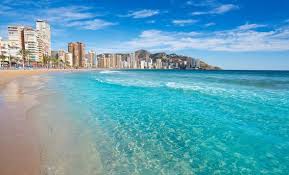 Порожні вулиці та тихі пляжі: Зміна обличчя туризму Бенідорму">

Benidorm's Unexpected Calm During Peak Season
Benidorm, one of Spain’s most famous seaside resorts, has captured attention this summer for an unusual reason—it appears deserted. Videos and reports show the bustling streets and vibrant beaches of the city now almost empty, a stark contrast to what visitors have come to expect during the peak holiday season. This unexpected quietness during the height of summer has sparked concern among locals and tourism experts alike.
Once heralded as a hotspot for British tourists and other international visitors, Benidorm’s usually lively promenade and bustling bars now exhibit an eerie quiet. Social media users have widely shared footage showing closed establishments and unusually sparse crowds, signalling a significant departure from the resort’s typical holiday atmosphere.
What's Behind the Tourist Decline?
There are several factors at play contributing to this drop in visitor numbers. Recent sentiment suggests that some tourists no longer feel as welcome as before, often seeking alternative destinations. Local hospitality sectors, including restaurants and nightlife businesses, are feeling the knock-on effects of this trend, with some venues shutting down during what should be their busiest months.
Miguel Pérez-Marsá, a figure within the local nightlife association, has expressed concern that desirable tourist demographics are being discouraged by certain developments, opting instead for other locales with more inviting atmospheres. As savvy holidaymakers plan their travel well in advance, such shifts in perception may redirect their bookings, ultimately altering Benidorm’s tourist landscape.
A Historical Glimpse: Benidorm's Rise and Resilience
Benidorm's rise as a major European tourist destination began in the mid-20th century, capitalising on its sunny climate, extensive beaches, and proximity to major cities. Over the decades, it has welcomed millions of visitors annually, particularly from the UK, drawn by its lively nightlife, sandy shores, and vibrant festivals.
Its development followed a high-density urban model, balancing the need for extensive accommodation with efficient land and resource use. This strategy has helped the city maintain robust visitor numbers even during periods of economic downturn or global uncertainty. However, its reliance on mass tourism has also made it vulnerable to shifts in visitor preferences and global travel trends.
| Key Period | Tourism Trend | Major Influences |
|---|---|---|
| 1988–1993 | Recession & Visit Decline | Currency appreciation, global economic downturn |
| 1994–2001 | Expansion and Growth | Economic recovery, currency devaluation, new attractions |
| 2002–2007 | Stabilisation | Competition increases, low-cost airlines, geopolitical unrest |
| 2007–2009 | Temporary Decline | Global financial crisis |
The city has shown notable resilience through a combination of proactive measures, including upgrades to hotels, creation of urban landmarks, and diversification into wellness and business tourism segments. High urban density has been another asset, enabling better resource efficiency and reducing reliance on private transportation.
Modern Challenges and Adaptation Strategies
Despite past resilience, current changes suggest new challenges. The tourism lifecycle theory explains that destinations like Benidorm, initially marked by rapid growth, eventually face saturation and potential decline unless revitalisation occurs. Urban planners and local authorities need to balance environmental sustainability with economic development, especially as increasingly sophisticated tourists seek novel experiences beyond traditional mass tourism.
Tourism Shift in Spain and Its Wider Context
Spain has long been a magnet for tourists, especially from Northern Europe, drawn by its Mediterranean beaches and cultural allure. However, evolving tourist behaviours, increasing competition, and socio-environmental considerations are prompting a reassessment of traditional seaside holiday spots.
Efforts in various regions are underway to promote alternative tourism types, including cultural experiences, nature-based activities, and sporting events, aiming to spread visitor flow more evenly throughout the year and across territories. Additionally, enhanced environmental regulations seek to protect coastal ecosystems from the pressures of mass tourism development, particularly in the Mediterranean basin.
- Development of niche tourism like ecotourism and wellness retreats
- Investment in infrastructure supporting yachting and nautical sports
- Marketing campaigns emphasising cultural heritage and regional diversity
Such diversification is crucial as resorts face mounting competition from newer destinations, both domestically and internationally. The adaptability of places like Benidorm will shape their future success in this increasingly complex tourism environment.
Future Outlook for Coastal Tourism Destinations
Tourism destinations aren't static; they go through cycles of growth, maturation, decline, and regeneration. The key to long-term viability hangs on innovation, sustainable practices, and responsiveness to traveller expectations. Destinations failing to evolve risk economic losses and environmental degradation.
For coastal resorts, integrating sustainable water and energy use, improving public-private cooperation, and fostering community engagement are critical steps to maintaining attractiveness. Moreover, embracing robust destination marketing strategies that highlight diverse activities—ranging from beach lounging and fishing to sailing and cultural events—can stimulate renewed interest.
Table: Factors Influencing Coastal Resort Sustainability
| Factor | Positive Influence | Potential Risks |
|---|---|---|
| Environmental Management | Protects natural beauty, attracts eco-conscious tourists | Over-regulation may limit development |
| Market Diversification | Widens appeal, reduces seasonality | Possible dilution of destination identity |
| Infrastructure Investment | Improves visitor experience, supports yachting and boating | High cost, environmental impact concerns |
| Community Involvement | Enhances local support, authentic experiences | Conflicting interests between stakeholders |
Wrapping It Up: What This Means for Sailing and Boat Hire
Benidorm's situation offers a real-time case study in destination lifecycle dynamics. As traditional holidaymakers’ preferences evolve, so do the opportunities for maritime and nautical tourism. Resorts adapting by developing their пристані, enhancing boating infrastructure, and promoting вітрильний спорт activities position themselves well to attract discerning travellers looking for more authentic and leisure-rich experiences on the water.
The intersection of culture, environment, and innovation in coastal destinations presents an encouraging outlook for yacht charter і boat rental markets. Investing in sustainable tourism not only protects the stunning seaside environment but also supports a vibrant, diversified ecosystem of activities including суперяхта stopovers, fishing excursions, and tranquil lake Nearby retreats.
For travellers eager to explore the Spanish coast and other maritime destinations, trusted services like GetBoat.com provide extensive options for renting sailing boats і яхти. Whether cruising along the Adriatic, the Mediterranean, or the Atlantic, the ability to charter a vessel tailored to your tastes and budget opens up a world of adventure, away from the increasingly quiet streets of some traditional resorts.