


 Українська
  English (UK)
  Русский
  العربية
  日本語
日本語  한국어
한국어  Magyar
  Türkçe
  Español
  Čeština
  Svenska
  Português
  Ελληνικά
  Suomi
Suomi  Nederlands
  Română
  Italiano
  Français
  Polski
  Deutsch
  简体中文
简体中文  Slovenčina
 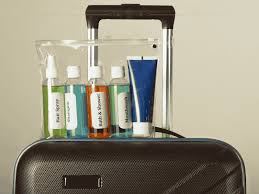 Significant Updates to Airport Liquid Policies for Travelers">

New Airport Security Measures
Recent updates from major airports including Birmingham, Stansted, and Heathrow have introduced changes to liquids policies, significantly affecting how travellers prepare for their journeys. These changes are aimed at enhancing security protocols whilst ensuring a more streamlined travel experience.
What Travellers Need to Know
Under the revised regulations, passengers are urged to familiarise themselves with the new guidelines regarding liquids, gels, and aerosols. The key adjustments include:
- Increased Capacity: Travellers can now carry larger quantities of liquids in their hand luggage.
- Approved Containers: Only containers of specific sizes are permitted, requiring passengers to check their baggage before arrival at the security checkpoint.
- Screening Procedures: Enhanced screening methods will ensure that all liquid items meet the new safety requirements.
Historical Context of Airport Liquid Policies
Airport security policies, especially regarding liquid contents, have evolved significantly over the years. Initially, liquids were largely unchecked, allowing travellers to carry any amount they wished. Following major security incidents in the early 2000s, a comprehensive overhaul of airport security protocols was mandated worldwide. Today’s regulations stem from a need to balance traveller convenience with heightened security measures.
The Evolution of Liquid Policies
In the early days of air travel, screening processes were minimal. However, after events that challenged the safety of air travel, governments and airport authorities took action to implement stricter measures. The introduction of the 100ml rule in 2006 was a significant milestone, restricting the volume of liquids travellers could carry onboard. The latest updates arrive as part of ongoing efforts to adapt security measures to new technologies and emerging threats.
Looking Ahead: The Future of Airport Security
As airport authorities implement these new liquid policies, the significance of adaptability becomes clear. The ongoing adjustments will likely reflect trends in international tourism, with security remaining a priority. Increased efficiency in airport operations, including shorter wait times during security checks, could serve to boost traveller confidence and encourage greater international mobility.
Impact on International Tourism
Changes to security policies, particularly those affecting liquids, can have far-reaching implications in the realm of international tourism. Streamlined procedures may enhance traveller experiences, encouraging more people to take to the skies for holidays, business, and adventure.
- Traveller Convenience: Improved regulations may result in shorter queues at security, thereby allowing for a quicker transition through airports.
- Increased Travel Volume: As hassle diminishes, so might the barriers to international travel.
- Maritime Connection: For a region with access to water, enhanced air travel will also influence interest in maritime activities, such as yachting and boating.
Висновок
In summary, recent updates to liquids policies at airports like Birmingham, Stansted and Heathrow underscore the balancing act of security and convenience. As these changes enhance traveller experiences, they’re also likely to resonate within the tourism sector, potentially boosting interest in international travel.
For those considering sailing adventures, these adjustments in air travel could pave the way for easier access to marine destinations. The interconnection of air travel and maritime activities is indeed noteworthy. For a comprehensive look into boat rentals and sailing opportunities, GetBoat.com serves as an excellent resource for exploring adventures at sea, catering to every taste and budget.