


 Українська
  English (UK)
  Русский
  العربية
  日本語
日本語  한국어
한국어  Magyar
  Türkçe
  Español
  Čeština
  Svenska
  Português
  Ελληνικά
  Suomi
Suomi  Nederlands
  Română
  Italiano
  Français
  Polski
  Deutsch
  简体中文
简体中文  Slovenčina
 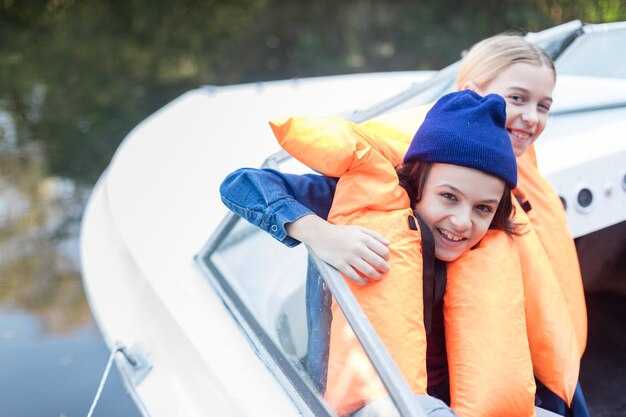 Make a Splash Safely and Securely – National Safe Boating Week">

Always wear a properly fitted life jacket whenever you operate watercraft, and check the forecast before you head out. These steps set a solid baseline for safety on lakes, rivers, and coastal waters, while you gain experience.
Visit your local marina or coastguard station to educate yourself on required equipment, capacity limits, and how to file a float plan. A quick review of rules for your area helps you prepare with less stress and more confidence. These include such essentials as life jackets, signalling devices, and capacity limits.
You can't rely on luck; make this a routine operation: perform pre-departure checks, ensure the life jackets are accessible, and verify communication devices are charged. Making this routine helps reduce risk and prevents incidents that could have been prevented.
Discuss the plan with the people on board, indicate who is the contact person, and keep a simple log of weather, water conditions, and route. Ask who's on board to confirm responsibilities and emergency roles. If conditions change, adjust promptly and visit a safe alternative site rather than pushing ahead.
ilearntoboat moments remind you to keep learning. Stay focused on best practices, wear your gear consistently, and educate others you meet. Before every outing with watercraft, review the plan with your crew, and reinforce safe choices with every decision.
National Safe Boating Week: 6 Practical Ways to Maintain Safety for All Ages
Before departure, require every passenger to wear a properly fitted life jacket and confirm the boat’s capacity is not exceeded. Keep enough space for safe movement and secure gear to prevent shifting during rough water in boating trips.
Plan your trip with a clear route and return time, using NOAA forecasts and weather options from your local council; aim to navigate through changing conditions and stay within the daylight window to avoid the dark; choose options that work best.
Equip and inspect: a fire extinguisher rated for Class B and C, a signalling horn, a throwable flotation device, and a safety content checklist on board. Inspect before each trip and replace any damaged item, which helps ensure readiness.
Communication is key: carry a VHF radio or a mobile phone in a waterproof case, and share your plan with a designated member of your boating group or the council before you go. In case of an incident, follow your plan and call for help; what to do next depends on your plan and support on shore.
For all ages, stay within limits: designate a supervising member to watch kids at all times; keep a favourite snack or comfort item for younger travellers, and use a buddy system to monitor everyone, staying safe whether you fish or play.
Maintenance and training: review basics of boating safety, legal requirements, and your safety plan; keep copies of registration and safety certificates; schedule regular checks of engine, battery, and wiring, and practice drills like man-overboard to stay prepared; follow best practices.
Pre-Launch Checks for Small Boats
Check the weather and complete a launching readiness check before you head out on the water. During National Safe Boating Week this routine protects anyone aboard and sends a message about responsibility.
Inspect the hull, drain plugs, and cockpit for debris; verify the bilge pump works, and start the engine in a controlled area. Test battery charge, fuel lines, and petrol caps, and ensure there is a fresh supply of oil if your engine requires it. Note that different boats have different rigging, so tailor the checks to your model. Review those checks quickly to confirm nothing was missed before you move to launching.
Put on properly fitting life jackets for everyone, including children, and have a throwable buoyancy aid within reach. Verify fire extinguisher type and expiry date, and check signalling devices such as flares or a horn. Ensure anyone on board can operate the radio or phone in a water-resistant case, and keep a printed list of emergency contacts for quick reference.
Check the anchor, anchor line, and enough fenders. Confirm spare parts and tools are on board, and verify lighting for night or low-visibility use. If you're navigating at dawn or dusk, verify the window of daylight and the visibility through the forecasted weather window.
Document the plan: fill out a quick reminder with the following items: registration, boat length, propulsion type, and safety equipment. Create copies for everyone aboard and an extra copy for a landing partner on shore. Leave the copies with a trusted adult on shore and one in the boat to help anyone verify the plan quickly. Keep a brief comment on the checklist so you can compare notes from week to week.
During the launch window, run through a pre-start checklist: throttle response, steering, emergency shutoff, bilge switch, and kill switch lanyard. Indicating gauges should show normal readings, and all electrical circuits should function. If you notice any abnormal reading, the most prudent option is to stop and reassess rather than pushing through.
After you power up, run through a short, controlled test at idle in a safe area away from shore and traffic. Confirm the coast is clear for launching, and keep a calm, peaceful mindset; this peace helps you think clearly and make decisions through the week and beyond. Once the test passes, you can plan the trip with your crew and children with confidence.
Life Jacket Fit, Wear, and Maintenance for All Ages
Before every boating trip, get a properly fitted life jacket that is USCG-approved and wear it the entire time you're on the water.
Fit matters: it should stay secure as you move, bend, and reach for gear. Use these practical steps to ensure comfort, safety, and peace of mind on waterways year-round on boats of all sizes.
- Measure chest circumference at the fullest part and compare with the size chart. For children, verify weight and height, and choose a model with neck support that keeps the head above water even if you fall overboard.
- Fasten all straps and buckles; the jacket should be held snug against the torso. You should be able to slide only one or two fingers between the collar and your chin; if the jacket shifts with movement, try a different size or brand that offers a better fit.
- Test in multiple positions: standing, sitting, and during a short reach or twist. If it rides up, focus on a tighter torso fit or a model with a crotch strap for younger children; some options include a secure slot for extra stability.
- Sizing guidance by age: infants and toddlers need jackets with secure head and neck support, while older children and adults rely on matching weight ratings and adjustable straps to stay held in place during rough water.
- Two key checks before heading out: reading the label for proper usage and confirming the jacket offers adequate flotation for the wearer's body weight and activity level.
- Seasonal fit checks: fit can change with clothing layers, so re-check every season and after significant weight changes or growth spurts for children.
- Maintenance and inspection: inspect foam integrity, seams, and buckles monthly and after each boating season; rinse with fresh water, air-dry away from direct sun, and store in a dry, ventilated slot or bag.
- Replacement cues: torn seams, cracks in foam, fading or stiffening foam indicate it’s time to replace; never rely on a damaged jacket, even if it still floats.
- Storage: keep jackets in a readily accessible area near the entryway or cockpit; avoid heat sources or chemicals that could degrade foam or fabric.
Reading the size and weight rating on the label helps you pick the right model; if a size is unavailable, place an order for the correct one and ensure it fits before your next trip. In many locations, it is illegal to operate a boat on waterways without an appropriate PFD on deck, so check local regulations during event weekends or seasonal launches.
Questions and tips for families: National Safe Boating Week is an event that reinforces your commitment to safety. This guidance is helpful for children and adults alike, and sharing it with someone you boat with builds a safer culture on your vessel. If you’re unsure about a jacket, ask a retailer or seasoned boater for a quick test fit and reading of the label.
Practical practices: never leave a jacket shut away in a dark bag; keep it in a ready slot so someone can grab it quickly when a sudden splash occurs. Use year-round routines – check fit, inspect gear, and replace worn units – so you’re prepared for every season and every voyage.
Weather, Visibility and Communication Readiness
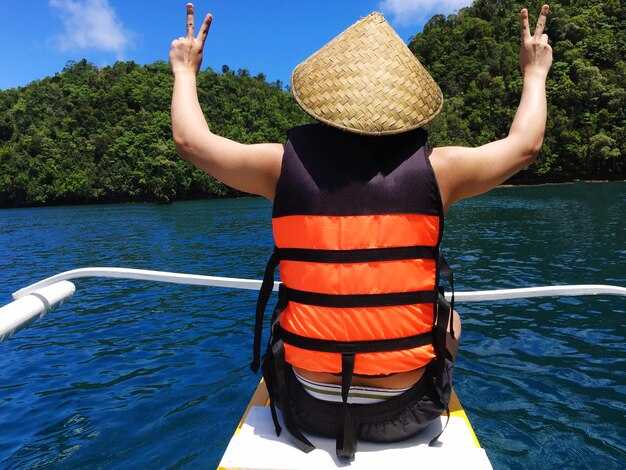
Start with a guard-approved plan before going out: a good forecast check, a clear communication routine, and having every member know the route and signals.
Weather can shift from calm to rough in minutes. Check the forecast from trusted sources, monitor wind shifts, track waves, and set a pause threshold if conditions deteriorate.
Visibility can drop quickly due to fog, rain, or twilight. Reduce speed, increase your following distance, and rely on accessible navigation lights and sound signals to stay safe around vessels.
Communication readiness matters: activated VHF radio setup, test Channel 16, confirm DSC is enabled, and ensure backup power keeps coverage available even in remote areas.
December weather brings colder water and shorter daylight. Ensure life jackets for everyone, keep gear accessible, and plan to head to shore if conditions worsen. For families with children, make safety checks a standard habit.
Policy guidance from the industry reinforces guard-approved procedures and regular drills; having a documented checklist reduces accidents and supports peace of mind for every member of the crew.
Remember to keep emergency coverage accessible and have a plan to reach shore or cars quickly if conditions change. This structure helps you enjoy the outing while staying within your vessel’s limits.
| Aspect | Recommended Action | Tools / Notes |
|---|---|---|
| Weather checks | Review forecasts 36-48 hours ahead; set thresholds to pause if winds are >25-30 knots or seas exceed ~1 metre | Marine forecast, weather app, weather radio |
| Visibility | Track visibility changes; reduce speed; use lights and radar if available | Radar, chart plotter, proper lighting |
| Communications | Test VHF Channel 16, enable DSC, keep battery life above 50%, have a backup option. | VHF radio, spare batteries, satellite messenger |
| Emergency preparedness | Activate emergency plan if needed; practice drills with crew | Life jackets, signalling devices, plan document |
| Seasonal / December factors | Check fronts and storms; ensure cold-weather gear accessible; confirm crew knows the plan. | Warm clothing, drysuit, dry bag |
Supervision, Sun Safety, and Water-Rescue Readiness for Kids
Designate a watcher within arm's reach for every child near water, and keep that supervision at all times during National Safe Boating Week and any boating outing.
Think about safety as a family habit: keep kids engaged, yourself focused, and use simple, repeatable routines during water time.
Establish a simple policy: every passenger under 13 wears lifejackets when a boat is underway or near the dock. The policy should be enforced by all adults on board and shared with families online.
- Keep children within sight at all times; designate a lead watcher and a back-up; rotate supervision to prevent fatigue; avoid distractions such as phones during water time.
- Limit passengers on small boats and choose a type with stable balance for kids.
- The marina offers a loaner programme with multiple sizes of lifejackets to fit every child; this helps families who forget gear or visit briefly.
- Knock up a short, waterproof info card describing the rescue plan and emergency numbers; keep this card in an accessible, dry pocket.
Statistics show that consistent supervision and proper lifejacket use dramatically reduce injuries and near-misses for kids near water.
Sun safety plan helps kids enjoy the day without sunburn: apply broad-spectrum sun cream SPF 30+ 15 minutes before exposure; reapply every two hours and after swimming; wear wide-brimmed hats, UV-rated sunglasses, and lightweight, UPF-protective clothing; seek shade during restricted peak times (10 a.m.–4 p.m.).
- Establish a sunscreen routine for every outing and reapply after water play or sweating.
- Dress kids in sun-safe layers and encourage hydration; keep a shaded rest area ready.
- I learnt o boat: **I** - Inform someone of your plans. **Learnt** - Learn to swim. **O** - Observe the weather. **Boat** - Be aware of the signs of sun exposure and heatstroke. If the sun feels uncomfortable: * **B**e somewhere cooler * **O**ften drink water * **A**pply sunscreen * **T**ake breaks in the shade.
Water-rescue readiness builds confidence for kids and caregivers: equip boats with a throwable flotation device and a reach tool; have a clear whistle and a simple rescue plan; practice a quick-reach drill at least once per outing.
- Keep an easily accessible rescue kit, including a throw bag, a reach pole, a whistle, and a waterproof information sheet on board.
- Maintain lifejackets in good condition; check fit and straps before every trip; replace worn gear promptly; some gear may need different fittings for restricted mobility.
- Assign roles: one person handles communications and emergency calls; another monitors gear and passenger safety; hold drills to reinforce steps taken during an incident.
- Document the plan and ensure any copy can be taken by the captain in an emergency; share it online and on paper with the boat’s policy for easy access.
Some families prefer to review a written plan with their solicitors; solicitors often advise keeping an up-to-date plan and ensuring everyone knows how to access information.
Remember to bring information for all participants: age, weight, and jacket size; take photos of kit for quick reference; and ensure you are familiar with local regulations and best practice.
Kids enjoy water activities much more when they feel safe; by sticking to supervision, sun safety, and ready-to-rescue plans, your family reduces risk while boosting a great experience during National Safe Boating Week. You can find further information online from safety groups to tailor your policy for your boat type and local waters.
Emergency Gear: Packing List and How to Use It
Pack a compact, waterproof emergency kit now and store it where you can grab it in seconds. Remember, National Safe Boating Week is the best moment to prepare, and this week you’ll enjoy safer boating on every trip. Build your kit for the season and keep it ready for both day trips and week-long outings on any water.
Lifejackets for every member – ensure USCG approval, correct size, and quick access. Wear one when underway; let kids use properly fitted jackets; keep spare sizes in the cabin. Only store lifejackets in a dry, accessible location so you can pull one on in seconds when winds shift.
Communication and signalling – carry a VHF radio with fresh batteries, a waterproof handheld device, a whistle, a signalling mirror, and a simple message card with emergency contacts. A quick check before departure keeps everyone informed and ready.
Medical supplies and drugs - include a first aid kit with bandages, antiseptics, pain relievers, and medications. Store drugs in a labelled, waterproof container and note dosages and allergies. Include a small sheet with the message “emergency contact” and conditions so responders understand needs when you can't reach them directly.
Tools, power & lighting – bring a multitool, duct tape, paracord, spare parts, a waterproof torch with extra batteries, a head torch, and a portable power bank. Keep a dry bag for electronics and test it before you depart; in poor light this gear helps you stay safe.
Documentation and safety checks – log your gear and post a simple safety checklist near the kit. Confirm lifejackets are on deck or worn, bilge pump works, radio is on standby on channel 16, and EPIRB/SART is ready if available. According to coastguard statistics, gear readiness reduces risk; file a quick report if items are damaged or missing.
Usage steps – run a five-minute pre-departure check: confirm lifejackets, test the radio, verify the torch and batteries, and verify a clear path to safety gear. When conditions shift, deploy signalling devices early, stay with your craft, and maintain communication with the crew. Also assign a lookout and a designated meeting place in case of a man overboard incident. When winds pick up, adjust speed and course.
Storage and maintenance – store the kit in a sealed, waterproof container in a dry spot. Replace expired items every season, rotate batteries every six months, and inspect seals after each trip. Keep the kit available and ready for the best response when water conditions change.
Освіта та обмін – поясніть умови участі всім членам і гостям, які перебувають тижневий термін; діліться своїм повідомленням з родиною, членами клубу та іншими власниками човнів. Ця тижнева практика допомагає всім насолоджуватися безпечнішими походами та життям на воді.
Нарешті, ведіть простий журнал і повідомляйте про будь-які відсутні предмети або пошкоджене спорядження. Це повідомлення допомагає планувати майбутні поїздки та підтримувати культуру безпечного плавання. Адвокати можуть переглядати планування безпеки для сімей; обмін чітким планом під час Національного тижня безпечного судноплавства заохочує інших використовувати найкращі практики на воді. Пам'ятайте: ця звичка захищає життя та робить плавання приємним для всіх плавців.