


 Українська
  English (UK)
  Русский
  العربية
  日本語
日本語  한국어
한국어  Magyar
  Türkçe
  Español
  Čeština
  Svenska
  Português
  Ελληνικά
  Suomi
Suomi  Nederlands
  Română
  Italiano
  Français
  Polski
  Deutsch
  简体中文
简体中文  Slovenčina
 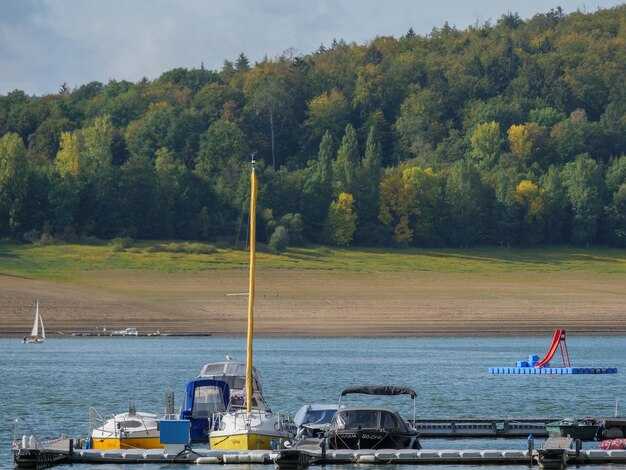 Lake Minnetonka’s Boating Guide – Tips, Marinas & Routes">

Start your weekend with a practical safety prep: conduct a 15-minute gear check, verify extinguishers are charged, inspect PFDs for wear, and replace any expired flares. Planning ahead helps you stay ready on the water; ensure your crew knows the route and expected conditions, and keep a printed map on board. Always have a whistle, a waterproof light, and a charged phone, so accidents are less likely and you can respond quickly while weather shifts or changing currents come up.
Three reliable marinas serve the lake’s north, central and south shores: Wayzata Bay Marina, Tonka Bay Marina, and Excelsior Harbor. They offer fuel docks, transient slips, and pump-out stations, plus restrooms and on-site cleaning supplies at service docks. Call ahead to confirm slip availability, hours, rates, and whether they require reservations on busy weekends.
Map a simple loop that starts near the north shore and returns along the central bays, letting you sail past varied scenery and sheltered coves. The plan helps you limit travel time between stops to a few hours, with a natural pause for snacks or fuel. While you sail, stay alert for waterfowl along shoreline reeds; keep speed polite in busy coves and around anchored boats, and use charts to stay clear of no-wake zones and shallow flats. If conditions change, have a backup route saved ahead of time and be ready to adjust.
Keep your craft prepared with routine checks: test the engine, battery, and charging system; inspect lines, anchors, and fenders; verify extinguishers’ pressure and that all safety gear is within date. Store gear in waterproof bags and make a quick deck cleaning after every trip to prevent slick spots. If you plan a longer weekend outing, wont miss a beat by packing a spare belt, tools, and a basic first-aid kit, ensuring you’re ready for minor hiccups without delaying the plan.
Lake Minnetonka Boating Guide: Practical Tips, Marinas & Routes
Always run a vesselsafetycheck before leaving the dock. Carry your certificate on board and keep it accessible. Do a quick check of life jackets, fire extinguisher, spring line and fenders to reduce delays at the first stop.
Equip every passenger with a Coast Guard–approved PFD and wear them during underway. Secure lines and fenders, and keep a whistle and VHF radio within easy reach. In shallow water, check depth in feet before placing the anchor, and confirm the battery and bilge are ready.
Weather can switch quickly on Lake Minnetonka, especially in spring. Wind shifts around coves can create wave patterns that catch unfamiliar boats off guard. The niccum of wind and current means you should map a route that stays in sheltered water during unsettled periods, and keep a close eye on the forecast when you head out early in the day, when the air might be cold.
Respect no-wake zones around shorelines and stay in marked channels to avoid shoals. A practical loop for most boaters follows the main channel toward Excelsior, then returns along the south shore, offering scenic coastlines and pockets of shallow water you should pass slowly. Upon approaching a dock, reduce speed, line up with the cleat, and maintain control of the vessel. This route stays closer to sheltered water, safer than rushing along the coast.
Marinas and guest access: Wayzata Marina and Excelsior-area docks provide fueling, slips, and pump-out, with additional transient berths at nearby towns like Deephaven and Shorewood. Most facilities offer restrooms, loaner life jackets, and ramps, and they tend to fill up on weekends in late spring and early summer–plan early if you need a slip and live aboard arrangements. Boaters around the lake can enjoy convenient access to shore services and quick repairs if needed.
Avoid angler zones: anglers often operate along coves, sometimes close to shore. They could be surprised by a passing craft, so reduce speed, give wide berth, and watch lines and hooks. When you spot someone fishing, maintain a safe distance and yield the right of way when appropriate.
Emergency readiness: carry a charged cell phone in a waterproof case and have a marine radio on channel 16 for help. In an incident, someone should stay calm, note your location, and call for assistance; if you lose power, drop an anchor and move to safer water while you await rescue. Always have a plan and share it with your crew before you head out.
Understanding the rental process helps: several companies offer craft suitable for Lake Minnetonka, from pontoon rentals to small bowriders. The process typically requires showing a valid certificate, signing a brief safety agreement, and receiving a short safety briefing. Most operators require a quick demonstration of basic maneuvers and docking; plan your trip for early or midweek if you want more flexible times and enjoy a safe, relaxed day on the water.
Popular Day Routes for Beginners and Families
Start with a gentle circuit from Wayzata Bay, heading toward West Indian Point, then return along the shore. This smooth ride keeps wake light, ideal for kids and first-time boaters. Renewal on the water accompanies this loop, assisting new skippers as they learn the cadence of Minnetonka.
For a gentle, family-friendly option, plan a 4-6 mile circuit that takes about 60-90 minutes at a calm pace. Stay in protected bays and follow no-wake zones, using the main channel as a reference to return to the launch.
Pause at a sheltered cove for a snack or a quick skim of shoreline views, staying inside marked areas. Keep a lightweight paddle or throw line on board for safety and enjoy views of cottages and wooded bluffs along the way.
Bring life jackets for every passenger, check weather forecast before departure, and keep an eye on other boats, skiffs and paddle craft. Maintain low speed near docks, swimmers, and shallow coves to ensure a relaxed outing for all ages.
When you want a second option, try an alternate route that stays along the north shore with a short detour to a sandy beach, offering another calm day on the water.
Top Marinas, Docks, and Quick Tie-Up Tips
Choose the Port of Wayzata for the quickest, most reliable tie-ups during July weekends.
- Port of Wayzata – Wayzata Bay harbor, sheltered slips, 250+ power and water pedestals, pump-out, and a short walk to shops; equipped for sailboats and powerboats, with five slip types to fit length and beam.
- Excelsior City Marina – public docks with easy access, near town amenities, shallow water close to the channel, ideal for day trips and small-to-mid keelboats; docks remain well-maintained and staff provide quick assistance.
- Orono Public Dock – flexible tie-up options, easy approach from the main channel, good for short stops and fueling, with nearby boat ramps and fishing access.
- Mound Harbor Docks – interior harbor with finger docks, protected from prevailing winds, convenient to local eateries, and great for half- or full-day visits.
- Shorewood Public Docks – straightforward entry, nearby bridge openings and shallow approach areas, known for orderly lines and reliable access to restrooms and water.
Five Quick Tie-Up Tips
- Planning and location awareness: Plan your approach using the published location and bridge schedules; the risk remains if you skip checks. This must be done by anyone piloting a craft; awareness saves time and reduces collisions.
- Approach and wind management: Approach at a controlled angle, give sailboats and other traffic room, and keep a slow, steady speed as you line up with the dock. Maintain situational awareness to avoid collisions with pilings or other boats; they can shift quickly in currents.
- Lines, fenders, and grip: Use a three-point mooring with a bow line, stern line, and a midship line when needed; employ one or two half-hitches to secure slack. Keep fenders at the correct height to prevent hull contact, and wear moisture-wicking gloves for a secure grip.
- Safety gear and readiness: Have a throwable device within reach and ensure life jackets are accessible for all aboard. Keep spare dock lines and a small toolkit handy for quick fixes, providing confidence during busy periods.
- Post-dock check and adjustments: After tying, verify lines are secure and cleats are not overloaded; monitor bridge openings and traffic in the channel. Ensure everything remains tidy, watch for waterfowl near the pilings, and adjust as needed to maintain safe clearance for approaching sailboats and other craft.
Cold Water Safety Gear: PFDs, Wetsuits, and Thermal Layers
Wear a properly fitted PFD at all times on Lake Minnetonka when the water is cold, test buoyancy before heading out, and clip the straps so the vest stays secure; this gives you great peace of mind as depths shift with conditions.
Pair the PFD with thermal protection: base layers like polypropylene or merino next to the skin, a wetsuit or drysuit, and an outer layer. For late spring and early fall, a 3/2 mm or 4/3 mm wetsuit works well; in colder conditions, add a fleece mid-layer or switch to a drysuit. Paul and another angler keep a light, quick-drying base beneath a wetsuit and carry a drysuit for the cold snaps; youve got to adjust layers for depths and weather conditions. Winterizing your gear after the season helps you keep everything in good condition, with nothing left to chance.
Store gear in enclosed compartments, check zippers and seams, and keep extinguishers accessible on powered boats; set a simple measures routine to verify that nothing else is missing before launch. If you could add a spare repair kit, do it; else you might be stranded on the shore. For canoes, kayaks, and other small craft, ensure PFDs are worn and visible by bright marks or color.
Registrations and the latest safety guidance appear on the website. Before you go, verify registrations and check the depth-related guidelines on the Lake Minnetonka boating information website; keep your gear in color-coded bags so you can locate them quickly on a busy day.
| Передачі | Recommendation | Примітки |
|---|---|---|
| PFDs | USCG-approved Type III, properly fitted; inspect straps and seams; replace worn gear | Keep on at all times; Paul and others should have one handy during angler trips |
| Wetsuits | 3/2 mm to 4/3 mm for cool seasons; thicker 5/4 mm or a drysuit for winter | Depths vary; near shore can feel warmer in sun |
| Thermal layers | Base: polypropylene or merino; Mid: fleece; Outer: wind shell | Layer up or down based on weather and season |
| Safety items | Whistle, lights, signaling; extinguishers on enclosed motorboats | Nothing else should be missing before launch |
Cold Water Shock: Early Signs, Preventive Steps and Rescue Basics
Immediately get your head above water and start controlled breathing, then move toward the nearest deck or shore and signal for help.
Ранні ознаки шоку від холодної води проявляються швидко у водах навколо озера Міннетонка та подібних середовищ. Звертайте увагу на:
- Задишка, прискорене дихання або відчуття нестачі повітря під час перших моментів занурення.
- Оніміння або поколювання в пальцях рук і ніг, а також жорстке або нерухоме стискання перил, яке відчувається як залізо в холоді.
- Дезорієнтація, сплутаність або відчуття порушення рівноваги протягом кількох хвилин після занурення у воду.
- Зміни кольору шкіри, такі як бліді або сині губи та шкірні ознаки, що вказують на ризик гіпотермії.
- Неможливість чітко говорити або формувати слова, або раптова незгода рухати кінцівками.
Профілактичні заходи для зменшення цих ризиків починаються до відправлення з причалу та тривають протягом ваших вихідних на узбережжі або берегах озера. Розставляйте пріоритети щодо основних речей і не виходьте за межі своїх можливостей:
- Завжди надягайте правильно підібраний рятувальний жилет; тримайте його під рукою та перевіряйте посадку за допомогою короткої контрольної картки безпеки.
- Перегляньте сезонні вимоги безпеки та правила дилера марини або капітана перед початком подорожі; переконайтеся, що наклейки на засобах безпеки помітні.
- Проведіть перевірки, як при перевірці транспортного засобу: рівні палива, акумулятор, трюм і цілісність корпусу, а також такелаж на палубі, щоб мінімізувати аварії на мілководді.
- Складіть просту картку безпеки або контрольний список, щоб спрямувати ваші зусилля під час реагування, включаючи номери екстрених контактів та деталі місцезнаходження.
- Обмежте вплив, одягаючись відповідно до температури води та не надто затягуйте вихідні поїздки, коли температура повітря падає.
- Завжди майте на увазі чіткий план евакуації, та практикуйте швидке отримання спорядження з вашого човна або прибережного сховища разом з вашою командою.
- Зв'яжіться зі своїм дилером або місцевим заступником, щоб дізнатися про рекомендовані оновлення обладнання та будь-які сезонні зміни в правилах озера Міннетонка.
Основи рятування починаються із запобігання, а потім переходять до ефективних, добре відпрацьованих дій. Наступні кроки допоможуть вам спокійно та ефективно реагувати, коли виникає холодова шокова реакція:
- Якщо ви стали свідком того, як хтось потрапив у воду, спочатку киньте рятувальний засіб або подайте допомогу розтягнутою лінією; не стрибайте у воду, якщо ви не навчені та це не є необхідним для негайної безпеки.
- Кричіть про допомогу, активуйте сигнал тривоги та зателефонуйте за номером 911 або до місцевого представника влади чи берегової охорони, залежно від обставин; повідомте ваше точне місцезнаходження та короткий опис події.
- Вимкніть двигун човна та надійно закріпіть палубу, щоб запобігти травмам від гвинта, поки ви допомагаєте збоку або з носа; тримайте корпус вільним від будь-кого у воді.
- Простяти людині рятувальне мотузко або весло, при цьому тримати своє тіло низько у воді та направляти їх до найбезпечнішого місця посадки на судно; уникати різких рухів, які можуть погіршити стан шоку.
- Після посадки на борт зніміть мокрий одяг і замініть його сухим одягом або ковдрою; надайте теплі рідини, якщо людина може безпечно ковтати і залишається при свідомості, та стежте за ознаками гіпотермії.
- Оцініть психічний та фізичний стан, задокументуйте симптоми та повідомте про інцидент своєму начальнику з охорони праці, дилеру або береговому заступнику для подальших перевірок стабільності палива та корпусу після події.
Надання спокійного лідерства під час інциденту допомагає керувати духом вашої команди та знижує ризик подальших травм. Пам’ятайте, що швидкі, добре узгоджені дії починаються з готового плану, відповідного обладнання та чіткого розуміння того, як шок від холодної води може розгортатися під час вихідного дня або під час рутинних тренувань з екіпажем вашого судна.
Погода, Температура та видимість: коли йти та коли краще лишатися вдома
Виходити на воду лише тоді, коли вітри тримаються нижче 15 миль на годину із поривами нижче 20 миль на годину, видимість становить 4 милі або більше, а температура повітря коливається від 65°F до 85°F. Якщо ці умови не виконуються, залишайтеся на березі. Цей вступ допомагає вам заслужити довіру пасажирів і робить день безпечнішим. Приділення моменту, щоб перевірити прогноз на кілька днів, допомагає планувати обережно. Перевіряйте прогноз на найближчі дні.
Температура і вплив: У спекотні дні (вище 32°C) зволожуйтеся та стежте за ознаками теплового стресу; носіння легкого одягу та нанесення сонцезахисного крему допомагає. Холодні фронти можуть швидко знижувати температуру повітря; майте план, щоб скоротити тривалість поїздок та дістатися до берега до зміни вітру. Ризик гіпотермії зростає, коли вода холодна, а одяг мокрий; обмежте вплив, залишайтеся в захищених місцях та майте сухі шари одягу під рукою. Якщо вам доведеться зіткнутися з раптовим поривом вітру, прямуйте до найближчого берега.
Видимість та навігація: Туман може швидко накрити озеро, скорочуючи видимість до менше ніж за милю всього за кілька хвилин. Перед відправленням перевіряйте актуальні оновлення з вашої марини або погодних додатків та будьте готові змінити плани, якщо видимість опуститься нижче 3 миль. У дні з туманом або бризками, дотримуйтесь позначених каналів і покладайтеся на пристрої, такі як GPS, радар та AIS. Кілька байдарки та човни для катання на воді плавають біля берега; дотримуйтесь безпечної відстані від вантажних суден та більших плавзасобів.
Засоби безпеки та обізнаність: Переконайтеся, що кожна людина одягнула рятувальний жилет, затверджений Береговою охороною; тримайте вогнегасники у доступному місці на моторних суднах; перевірте, чи не закінчився термін придатності вогнегасників. Майте при собі свисток або гудок та кидальний пристрій. Якщо ви перекинулися, залишатися з плавзасобом полегшує рятування. Наявність запасного жилета та сухого одягу допомагає справлятися з несподіваними умовами.
Планування маршруту та спорядження: Цей план включатиме перевірку перед відправленням і дозволить залишатися в межах досяжності берега в невизначених умовах. У вихідні дні спостерігається більший трафік, кілька маршрутів залишаються завантаженими; плануйте зі своїм дилером або мариною для отримання актуальних рекомендацій та поточних даних про погоду. Приділення кількох хвилин на пакування додаткового спорядження безпеки, включаючи аптечку першої допомоги та ліхтарик, знижує ризик. Переконайтеся, що ви носите відповідний одяг для сезону та перевіряйте попередження про погоду, опубліковані державними органами та менеджерами озера.