


 Українська
  English (UK)
  Русский
  العربية
  日本語
日本語  한국어
한국어  Magyar
  Türkçe
  Español
  Čeština
  Svenska
  Português
  Ελληνικά
  Suomi
Suomi  Nederlands
  Română
  Italiano
  Français
  Polski
  Deutsch
  简体中文
简体中文  Slovenčina
  How to Spend 10 Days Exploring the Croatian Islands – The Ultimate Island-Hopping Guide">

Plan your 10 days with Split as the anchor: base in the center of the old town for 3 nights, then hop to Brač, Hvar, and Vis. Ferries run regularly, allowing you to adjust plans around peak times and off-season deals. Regardless of crowd levels, you’ll find efficient routes and plenty of sheltered beaches to rest between hops.
From Split, a 45-minute ferry lands you in Bol on Brač. The Zlatni Rat beach crowns the island’s coast, a line that shifts with the wind and offers dramatic views. For a quick summit, hike Vidova Gora for sweeping panoramas over sea and hills; you’ll mingle amongst locals and a tourist crowd along the pine-lined trails.
Hvar welcomes the traveler with lively town squares and a harbor line that invites strolls. Stay in a hotel in Hvar Town for easy access to ferries and sunsets. Should you want a quieter day, hire a boat to the Pakleni Islands for laid-back coves and easy swims.
Vis keeps a great laid-back vibe. Spend days exploring caves and beaches, then take a half-day trip to Biševo to see the Green Cave. Stiniva Beach offers a dramatic cove you’ll remember, and you can watch boats drift along the line of small islets around the harbor.
Dedicate day 8 to Mljet National Park, with Veliko and Malo Jezero as paddling and cycling highlights; the pine forests frame tranquil views along the lake shores. On day 9, wander Korčula Town’s medieval walls and market squares, then sample wines from the best local wineries nearby.
Close with day 10: return by ferry to Dubrovnik or Split, depending on your flight. This route lets you visit great beaches, historic towns, and festivals that light up small squares in the center during summer. This plan should work for most schedules, and regardless of your pace, you’ll finish with vivid memories of them and the unique views from every island.
Croatian Islands: 10-Day Island-Hopping Guide
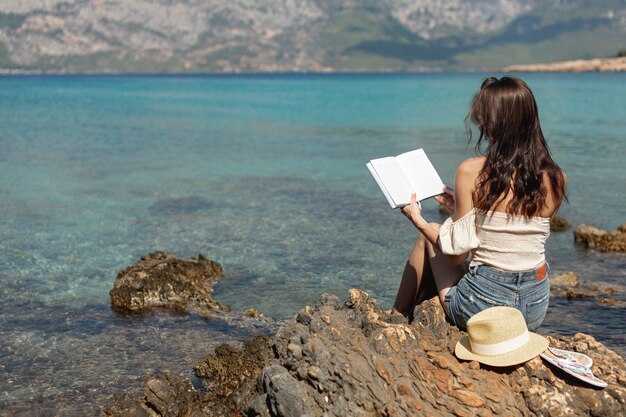
Begin in Split as your hub and book accommodation for 2 nights; then 3 nights on Hvar, 2 on Brač, 1 on Korčula, 1 on Mljet, and 1 on Vis. This length keeps travel time short and maximizes your time for attractions, beaches, and hidden coves. hiring a local skipper for one day would make the pace smoother and would let you reach tiny coves that regular ferries skip; review ferry options and also plan overlaps to avoid backtracking.
Day 1–2: Split → Hvar A fast catamaran runs about 1–1.5 hours, while a standard ferry takes 2–3 hours. In Hvar Town walk the waterfront, climb Fortica for sunset views, and stroll to the tiny cove at Dubovica. The island boasts lavender fields and bike paths, offering attractions that feel different from the mainland.
Day 3–4: Hvar → Brač A short hop of roughly 0.75–1.5 hours connects you to Brač, with a base in Supetar or Bol. Zlatni Rat Beach at Bol rewards a shoreline walk, and Vidova Gora provides sweeping coastal vistas. Expect hidden coves and coastal villages reached by a simple walk.
Day 5–6: Brač → Korčula Typical ferries run 2–3 hours, with a possible transfer via Split depending on the timetable. In Korčula Town circle the walls in about 60 minutes and spot small monasteries tucked into the old city lanes. Consider a wine stop in Lumbarda and a swim at Pupnatska Luka, a tiny beach that locals boast about.
Day 7–8: Korčula → Mljet Direct links last 1–2 hours; Mljet National Park protects Veliko and Malo Jezero, ideal for a calm paddle or a 2-hour loop around the lakes. There are hidden monasteries along the shore, and источник notes that early-morning light makes the water glow. A short walk around the lakes reveals quiet corners you’d miss otherwise.
Day 9–10: Mljet → Vis The final hop to Vis typically takes 2–3 hours with a transfer. Vis rewards with rugged cliffs and calm coves; a day trip to the Biševo Blue Cave departs from Komiža or Vis in about 30–40 minutes by boat. To round out the itinerary, talk with nellie, a local who knows hidden beaches and the best walks along the coast. There’s outside time for wandering to small towns where accommodation options are also affordable.
Tips: always check the weather; in May–June and September you’ll find almost ideal conditions with comfortable water temps. If you want a smoother pace, hiring a skipper for a day would would shorten gaps and make the schedule more flexible. For a review of rooms, search by distance from the harbor and read reviews that mention clean sheets and friendly hosts. theres always a balance between crowds and quiet coves; with hidden bays and tiny beaches, you can craft a journey that feels unique to your style, your local options, and your budget. If you’re visiting during peak season, consider a sort of stays by proximity to ferries and ports; this would shorten walks and maximize your time near the water. Always have a backup plan, because even a short foul-weather window can shift plans outside, yet the attractions along the coast are worth it, and the source of local tips keeps growing as you explore.
Choose 3–4 Anchor Islands to Base Your Trip
Base your 10 days on Korčula, Mljet, Hvar, and Vis as anchor islands for a balanced Dalmatian loop. Need a plan that covers culture, hiking, and beaches? This setup avoids backtracking, keeps ferries short, and provides an abundance of places to explore. Arriving from the mainland, starting near dubrovnik by ferry is a calm first hop that sets you up for smooth sailing.
Korčula offers cobbled streets and churches that invite wandering. Its charm has been found over years, with a calm waterfront and easy access to Pelješac wine routes. Local lore points to marco polo as a birth legend in the town, and the harborfront is a great place to soak in a sunset. The island remains easy to reach from the mainland with a short ferry ride from dubrovnik.
Mljet provides an abundance of nature: saltwater bays, two saltwater lakes, pine forests, and easy hiking trails. The island is compact, so you can bike or kayak between coves, and you’ll find small chapels along the path. Beaches line the shore, inviting a refreshing dip after a hike.
Hvar balances a lively harbor scene with cobbled lanes and churches, and it offers inviting mount viewpoints for dramatic Adriatic panoramas. The island hosts a yacht crowd, sheltered coves, and a long promenade for evening strolls. If you’re looking for a dynamic mix of nightlife and scenery, this anchor adds that contrast while keeping day trips within reach.
Vis keeps a slower rhythm with saltwater shores, quiet towns, and caves to explore. From Vis you can plan a day trip to Biševo’s Blue Cave or hop to nearby islets for snorkeling. The pace here pairs well with the other anchors, giving you a balanced rhythm as you move through the islands.
Sample 10-day layout: 3 nights Korčula, 3 nights Mljet, 2 nights Hvar, 2 nights Vis. This plan minimizes backtracking and lets you wake up to new places without rushing. If you didnt want to move every night, you could stretch to four nights on two islands and use a buffer day, having time to hike, review notes, and simply relax. Once you settle on an order that suits ferry schedules, you will find the sequence easy to follow and flexible. Looking ahead, if you’re arriving by yacht, you can anchor off sheltered bays and do day trips between islands, while keeping your base stable.
To stay updated on fresh itineraries, subscribe for new tips and share a review with fellow travelers. The anchor approach has been popular for years and continues to be a reliable way to see dubrovnik’s coast while avoiding long-haul hops.
Optimize Inter-Island Travel: Ferry Schedules, Tickets, and Tips
Head to Jadrolinija’s timetable to review routes and book in advance; in off-season, ferries run approximately every 2–3 hours between Dubrovnik and the main islands, with longer gaps on weekends.
Tickets are easiest when you book online via the national operator and pick up at the port if needed; a ticket desk stands at the end of the pier, and for shorter hops, another reliable option is private local lines that connect to hidden coves and charmed towns along the coast.
From Dubrovnik’s marble streets, head to the harbor and choose your line to explore. If you’re charmed by waters, plan a stop for swimming near Lopud or Mljet, or hop to Korčula for a great island experience.
Crossing length varies by line; approximately 1.5–3 hours on major routes, with shorter hops around 40–60 minutes for some connections. Always check the latest timetable on the official sites before you go.
Having a flexible plan pays off. Often the best value comes from combining two hops in one day. Review options, and be committed to a couple of line choices, and consider off-season travel to avoid crowds while having more time to explore hidden coves and local towns. If you’re into a faster pace, yachts offer day hops or private charters, but for a stable national network and the best value, public lines are your best bet, regardless of weather on calmer mornings.
Pick Practical Accommodations Within Walking Distance of Ferry Ports
Stay in Supetar, Brač, within a 2–4 minute walk of the ferry quay. These stays give you enough time to explore beaches and life around the harbor and the cobbled lanes without rushing headlong into the day. In practice, many travelers have found that staying near the port reduces fatigue and keeps the pace relaxed for the entire trip.
Planning ahead matters: choose a place that is clearly within walking distance of the terminal, and buy your ticket online to save time on arrival. Where you are on a tight schedule, this approach gives you more flexibility throughout the day and reduces transport needs.
- Brač – Supetar. 2–4 minutes on foot from the quay; midrange guesthouses and small apartments are common. Expect 60–120 EUR per night in shoulder season; 90–180 EUR in peak months. This option keeps you close to the port and makes it easy to reach beaches and island sights with a laid-back Croatian pace.
- Hvar – Hvar Town. A short stroll from the port (2–5 minutes) places you in the island’s capital area with cobbled streets, cafés, and easy access to ferries. Prices commonly run 70–180 EUR per night, depending on season and sea view.
- Korčula – Korčula Town. Harbor-adjacent stays are usually within 5–7 minutes of the terminal. Typical rates range 75–150 EUR; you’ll be close to the town walls and easy day trips to nearby coves.
- Rab – Rab Town. Choose accommodations near the marina; 4–7 minutes on foot gets you to the ferry and the promenade. Expect about 70–130 EUR per night, with lively harbour life just outside your door.
- Northern islands cluster – Cres or Lošinj. Look for harbor-front or cobbled-street options within a 5–7 minute walk from the port. Prices commonly run 80–150 EUR, with convenient access to ferries and coastal walking paths.
Regardless of which base you pick, these port-side stays give more control over your schedule, simplify transport planning, and let you plan multiple places you want to spend time in. Throughout your stay, you’ll notice the contrast between busy quay life and the quieter inland lanes, a feature that makes Croatia’s island rhythm easy to love. If you need to adapt on the fly, your ticket is typically transferable between nearby ports, and the walking setup helps you make the most of every day on the Croatian archipelago.
Seasonal Timing: Weather, Crowds, and Sea Conditions
Target late May to early June for the best balance of warm sea, light crowds, and reliable transport between island centers.
On the Dalmatian coast, daytime highs hover around 25–30°C in late spring and early summer, with sea temperatures near 22–24°C by June. May offers clearer skies and gentler heat, while July and August bring hotter days and occasional afternoon thunderstorms inland. The Maestral breeze tends to keep sea routes pleasant in the morning, but a stronger afternoon swell can appear on open stretches. Use morning legs for sailing and reserve larger crossings for later in the day if needed. Stay near the center of small towns to access essential services and keep logistics simple.
Crowds shift with the season: these countrys popular routes draw the most tourists in July and August, but shoulder seasons deliver quieter mornings, smoother ferry schedules, and better chances to book popular accommodations. If you want to immerse yourself in island life, plan 4–6 hops over ten days, avoiding back-to-back long crossings. Avoid staying in the center of busy ports to keep the experience quieter. Around half of the island options stay quieter away from the main port towns, preserving the appeal of these coastlines as a pearl around the Adriatic.
To maximize experiences, mix cycling along inland lanes with short sail hops between neighbor islands. In September, many towns host wine festivals and harvest events, giving a chance to sample regional wines and local cuisine without peak crowds. If you want to book a guided cycling day or a small-boat excursion, do it 4–6 weeks in advance to secure best options and reliable services.
Choose accommodations away from the center of the main ports to stay in quieter harbors and keep costs down. For transport, book ferries and transfers early and verify daily schedules; in peak months you may need to plan with a little flexibility, and in shoulder periods you can move around more easily. These tips help you travel comfortably around the island network while keeping travel times reasonable and avoiding long waits for boats.
If you want to enjoy the views and slip into the local pace, travel in the calmer seasons and sail or cycle along sheltered routes. Tourists who explore again often find that the quieter months offer better value, friendlier services, and more authentic island experiences. By planning around the best windows–late spring or early autumn–you can savor the island rhythm, from pearl-white beaches to hilltop towns, without the crowd surge.
Must-Do Experiences by Island: Beaches, Towns, and Hidden Gems
Begin with Hvar: crystal coves, a main-town vibe, and bays that invite long sails and lingering sunsets. This island offers an abundance of laid-back charm and enough variety to keep you looking for another perfect spot. Beaches like Dubovica offer a fine quiet swim, while the harbor buzz creates a watch-worthy evening scene. Behind the fortress walls, marble lanes lead to charmed corners and small museums that tell locals’ stories. If you mount Fortica for a panoramic view, you gain a perspective over the main island chain. Festivals light up summer nights, drawing tourists and weaving marco Polo lore into the streets; thats why many started planning another hop. Locals joke that marco wandered these lanes. When you sail, the crystal water surrounds every cove, and you can watch for the best anchors as you begin your day–an advertisement board near the quay might note the best times. Not to confuse with kotor in Montenegro, this start still feels authentic. Each sunset offers a moment which feels tailor-made. You’ll meet more tourists than locals in peak season, but you’ll find spaces to linger for dawn light and a calm breath. You can watch the sunset from the walls.
Brač Zlatni Rat draws crowds, and is taken by many visitors, yet quieter bays like Lovrečina and Pučišća Beach offer a calmer day by the water where the crystal water and pine shade feel special. In towns, Bol offers a compact waterfront and marble lanes, then you mount a short drive to Vidova Gora for a peak view that makes the island look tiny from above. The stone workshops of Pučišća showcase locals’ craft, with small museums behind the main square. For a laid-back evening, the harbor hosts informal concerts and an advertisement board near the quay helps you pick a sunset spot. If you’re into food, olive oil tastings and wine from local valleys pair with ocean air and fresh seafood, enough to fill a long afternoon.
<strong Korčula Korčula Town charms with marble lanes and a harbor skyline; wander the old walls, then step to the hidden gem Vrnik behind the main harbor, where a tiny cove offers crystal water and quiet shade. The island plays with legends; locals point to marco Polo lore as you roam the stone streets. For culture, a couple of small museums lie behind the town squares, and tavernas serve fresh seafood with a glass of local wine. Festivals in summer bring traditional klapa singing and a playful mood that tourists enjoy along the waterfront.
Mljet The two saltwater lakes in Mljet National Park invite paddling and quiet swims; Veliko and Malo Jezero form a tranquil loop where pine scent lingers and a small monastery sits on an islet in Veliko Jezero. A short ride to Polače reveals a small museum behind the harbor and a coastal park of olive trees and herbs. For a hidden gem, Saplunara Beach on the east coast offers fine sand and a pine grove for shade. The abundance of nature makes this island feel like a slow, perfect day that ends with a sunset by the water.
Vis Vis keeps a laid-back rhythm, with clear waters and dramatic cliffs. Stiniva Cove rewards a short hike or boat ride to a sheltered inlet with a striking entrance; nearby, the Green Cave glows turquoise in bright sun. Komiža village sits by a working harbor, with seafood tavernas and a small museum that tells the island’s nautical past. For a hidden gem, head to a quiet bay behind the cape where you can anchor and watch the sun melt into the horizon. Sailors will appreciate short hops along the south shore to deserted islets where the water turns sapphire as the day ends.
Cres Rugged Cres blends pine forests with dramatic cliffs and sandy coves. Lubenice Beach, perched above the sea, offers a mountaintop viewpoint and a sense of space you won’t find on crowded shores. The town Cres keeps a slow tempo, with galleries and a small museum behind the old square. Hidden gems include the quiet coves around Martinscic and the secluded sands at Sakarun, where the crystal water and soft sand invite longer stays. Locals share seafood, olives, and wine at family-run konobas, making the island feel like a long, contented day by the sea. If you’re planning another leg, Cres links easily to Lošinj and the rest of the archipelago by ferry or sail, offering an abundance of options for a final look at this main island’s coast.