


 Українська
  English (UK)
  Русский
  العربية
  日本語
日本語  한국어
한국어  Magyar
  Türkçe
  Español
  Čeština
  Svenska
  Português
  Ελληνικά
  Suomi
Suomi  Nederlands
  Română
  Italiano
  Français
  Polski
  Deutsch
  简体中文
简体中文  Slovenčina
  How to Rent a Boat in Croatia – A Comprehensive Guide to Boat Rentals, Charters, and Tips">

Choose a licensed operator and confirm licensing requirements before you book, then have the necessary documents ready. Along the adriatic coastline, Croatia offers rentals from bareboat to crewed charters, and having clear expectations helps you pick a plan that fits a short getaway or a longer voyage. Verify insurance, safety gear, and deposit terms with the operator to set a confident tone.
Consider key bases like Split, Dubrovnik, Zadar, and the island chains around Hvar and Brač to access the adriatic coastline with ease. Rentals range from compact motor boats to spacious catamarans, and a short charter with a skipper keeps the schedule flexible if you prefer a worry-free plan. Expect daily rates to vary by boat size and season, with shorter trips often costing less per day than multi-day charters for a larger vessel.
When you lack a local license, consider hiring a captain, and ask how licensing is treated for the boat you want. Many operators accept internationally recognized certificates or require a quick on-board briefing. If you have a certificate, upload a scanned copy and confirm it meets the boat’s licensing class. For bareboat rentals, some boats may require a hands-on check, so be ready for a brief review of navigation, anchoring, and return procedures.
Before finalizing, list your requests clearly: number of berths, fishing gear, refrigeration, or snorkel gear. Share your itinerary, preferred pace, and whether you want a skipper or to helm yourself. While you plan, verify fuel policies, marina fees, and insurance excess. The best options align with how boaters want to spend time on the water while keeping shore-side days flexible to explore coastal towns and coves along the coastline.
Safety and planning come first: check weather windows, VHF radio access, life jackets for all guests, and emergency equipment. Ensuring open communication helps make the trip enjoyable on the adriatic coast, while you plan safe routes through coastal towns and coves along the coastline to minimize concerns for your group.
How to Rent a Boat in Croatia: A Practical Guide to Boat Rentals, Charters, and Tips
Hire a skipper-led rental for a worry-free vacation on Croatia’s coast; licensing concerns are handled, and most operators recommend having a captain for first-timers. This setup keeps you comfortable and lets you enjoy a relaxing time on the boat.
Where to start your search? Look at reputable Croatian brokers and direct charter fleets, compare fleets, and gain knowledge by noting which vessels fit your plans. Foreign travelers often benefit from operators that offer multilingual support and transparent inclusions in the rental package.
Licensing matters: if you plan to operate, verify that your licensing is valid for the vessel’s size and power. If you choose a captain, you generally won’t need local proof of competence; still carry your ID and the boat’s licence documents, since some providers require proof of identity and the skipper’s licenses or international certificates for the person you hire.
Costs break down into base rental plus extras: security deposits typically range from 1000 to 5000 EUR, depending on the boat. Skipper or crew fees add roughly 150–300 EUR per day. Fuel, marina charges, delivery, provisioning, and insurance can add 10–30% to the base rate. Look for weekly rental offers and early booking discounts; they can lower the per-day price for a multi-day trip.
Where you board? Croatia offers bases along the Dalmatian coast–Split, Zadar, Sibenik, Trogir, Dubrovnik, Hvar, Korcula, and Vis are popular starts. Many fleets allow you to pick up at one base and return to another, but confirm this open option and any relocation costs before signing.
To avoid hidden concerns, inspect the vessel at handover before you board and start the briefing; verify the hull, safety gear, charts, radio and life jackets, and that the fuel tank is full at check-in. A quick walk-through helps you feel comfortable operating the boat and reduces the risk of surprises later.
Itineraries offer exploring spots: Kornati archipelago with open waters, the Pakleni Islands for sheltered coves near Hvar, and Mljet’s shores for relaxing days. Plan a route with safe anchorages, clear water, and sheltered nights to maximize vacation time aboard.
How to Rent a Boat in Croatia: A Step-by-Step Guide for Rentals, Charters, and Practical Tips
Begin with a verified Croatian operator; request proof of license, a certificate for the boat, and a transparent charter agreement before committing. While you compare options, note the base location and the crew’s qualifications. When you decide, verify the terms yourself to avoid surprises and ensure the plan fits your period of travel.
- Plan your trip: determine the number of guests, dates, and whether you want a short coastal hop or a longer open-water cruise along the coastline; pick a boat type that suits your group.
- Choose charter type and crew needs: decide between a bareboat charter or a crewed option; if you want a local skipper, confirm which duties the crew will perform and what is included in the package.
- Verify credentials: ensure you hold the required certificate or license and carry proof of competency; check if the operator accepts your country’s certificate to sail Croatian waters.
- Search and compare fleets: use a browser to find options by location; evaluate boats and yachts by berths, equipment, and which coastline routes they cover; most listings show the best-value availability period.
- Confirm safety and insurance: ensure the vessel has current insurance, valid registration, and essential safety equipment; check the onboard briefing covers emergency procedures.
- Detail the cost: request a full quote including the daily rate, fuel policy, marina fees, and the security deposit; ask what is included in the rate and what arrives as extra charges.
- Inspect before you board: arrange a video tour or in-person check; examine hull condition, engine status, steering, electrical systems, and mooring gear; document any issues with photos for your records.
- Read the contract carefully: review cancellation terms, weather contingencies, who pays for unforeseen repairs, and the limits of the open-water period.
- Plan the itinerary: draft a smart route with stops at incredible bays and hidden coves; ensure you have open-water legs and secure anchors for each night, with local boaters and their boats if needed.
- Pack and prep: assemble a compact kit, including your documents, waterproof bags, sun protection, and common boat tools; confirm your pickup location and time with the base.
- During the period: board the vessel, follow maritime rules, log the trip, and maintain good communication with the captain and their crew; if you have concerns about protected areas, check the rules first.
- Return process: inspect the boat, compare inventory, settle extra charges, and obtain a signed receipt; keep your contract and all receipts for years of records and proof of return.
License and Safety Requirements in Croatia
Get licensed before you sail in croatia. For speedboats and larger craft, licensing confirms your competence and helps you book rentals with confidence, keeping the experience smooth for yourself.
Licensing rules vary by vessel type and engine power. Most rentals accept a valid croatian license or an international certificate recognized in croatia; if you hold a foreign certificate, verify its validity with the operator before ante departure. If your license covers speedboats or larger craft, you stay covered; otherwise you may need to hire a skipper or obtain a croatian endorsement. Ask what documents the rental agency requires for their fleet, the period of validity, and what licensing their skippers hold, and consider whether sail craft are included in your coverage.
Safety and on-water practices: start with a pre-rental briefing and check the boat’s safety kit, insurance, and cleaning terms. Ensure you have a life jacket for every person, a working VHF, charts of the adriatic, and functioning navigation lights. Keep to local speed limits when entering coves or harbours; in busy areas, reduce speed near swimmers and moorings. For foreign boaters, rely on the knowledge of their skippers and the rental staff to avoid concerns. We recommend filing a trip plan, sharing it with the harbour master, and checking weather forecasts for the period of your rental, so water time along the croatian coast runs smoothly.
Renting vs Chartering: Which Option Best Fits Your Trip
Go with a crewed charter for a comfortable, relaxing escape along the Adriatic coast. You get a captain who handles navigation and docking, a crew member to assist with provisioning and daily tasks, and on-board cleaning, so you can focus on time on croatia waters and the incredible scenery. Local maritime experts provide insights on sheltered coves, best anchorage spots, and timing for ferries, helping you plan a smoother route.
Renting a bareboat suits travelers with solid sailing credentials who want complete control over the itinerary. You choose the pace, select harbors, and determine when to sail, which can maximize sail time and price efficiency if you avoid idle days ashore. Be prepared to handle navigation, mooring, provisioning, and weather decisions, and to assume all responsibilities.
Cost comparison helps you decide: a crewed charter often costs more upfront but bundles skipper, provisioning, and cleaning, which reduces hidden charges; bareboat rentals can lower base price but add marina fees, fuel, and safety equipment you must secure yourself.
Tips to secure the right option: clarify what’s included in the price, confirm cleaning duties, check the insurance level, and request a flexible itinerary that matches the open hours of ports. Ask for experienced recommendations on Croatian coast routes and Adriatic crossing options. Review cancellation terms and look for options to adjust the plan if weather or requests change.
Key prompts to decide fast: Do you want a skipper or crew on board? Are you aiming for a relaxed rhythm or active exploration of Croatian coves? How many travelers will join? Do you need equipment for water toys or fishing? With many cruising options in Croatia, an expert broker can align options with your travel window, preferred pace, and insurance needs.
Insurance, Deposits, and Payment Methods You May Encounter
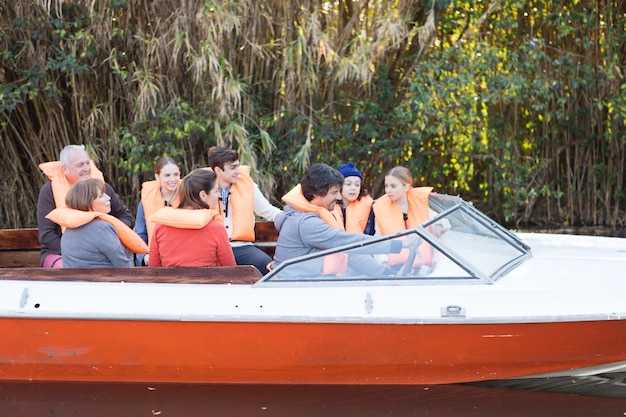
Confirm the deposit terms before booking a charter to avoid worry later.
Choose a recognized payment method, and verify whether the fare is charged directly by the operator or through a platform; this clarity protects you and helps with refunds.
Most charters require a valid certificate and skipper credentials; verify the operator’s documentation and ensure crews meet croatias requirements for foreign itineraries.
When paying, costs may include insurance, security holds, and additional services; note that costs vary by vessel, season, and route, and you may face extra charges for provisioning or port dues. If payment is international, check currency options and any transfer fees.
| Item | What it covers | Typical range | Примітки |
|---|---|---|---|
| Deposit | Secures booking; refundable per policy | 20-50% of vessel price | Credit card holds or bank transfer; vary by operator |
| Payment methods | Credit/debit, bank transfer, or wallet | Varies by operator | Confirm whether payments can be processed internationally |
| Insurance and certificate | General liability; hull coverage may be included | Included or extra | Request a certificate of insurance and coverage details |
| Skippers and crew | Licensed skipper or crew fees | Varies by vessel | Some charters include in package; otherwise pay directly |
| Cancellation policy | Refund terms and deadlines | 24–72 hours prior; weather exceptions | Requests for changes may incur fees |
| Other costs | Fuel, provisioning, port dues | Variable; depends on itinerary | Ask for a full, written quote with all requests |
Save every receipt and contract page in your browser, and keep a copy of the certificate and insurance documents with your travel records. Review their terms in detail before departure to ensure a smooth, enjoyable cruise.
This setup helps you enjoy every moment on the water, while every detail matters and their support remains available for any requests you may have.
Crewed vs Bareboat Charters: Pros, Cons, and Costs
Opt for a crewed charter if youre new to sailing or want a relaxing Croatian itinerary; youre less exposed to weather decisions and anchorage logistics, while the crew handles navigation, provisioning, and berthing. This option expands knowledge of the coast without the pressure of helm duties.
Pros of crewed charters: a skilled captain and host take care of most chores, unlock local insight for hidden coves and calm anchorages, and let you focus on the adventure or the scenery. Meals onboard save time, and safety margins are higher, especially in busy seas and unpredictable weather. Their guidance also helps you understand how to read tides and currents, which enhances your overall sailor repertoire.
Cons and costs for crewed: most weekly rates range from €2,500 to €6,000+ depending on size, season, and inclusions; you should expect a separate crew fee, provisioning, fuel, and marina charges. Ante-season weeks can be cheaper, but availability may be limited and the supply of boats could be smaller. Costs depend on location along the coast and the exact itinerary, so compare offers in advance using your browser to spot differences between operators.
Bareboat pros: lower upfront rental, total flexibility, and the chance to sharpen sailing chops; most boats are well equipped, and you control the schedule, speed, and mooring choices. You can tailor an itinerary that suits your group, whether family, friends, or a dedicated sailor in your crew. If youre confident at the helm, a bareboat lets you craft a highly personal Croatia experience.
Bareboat cons and costs: you must be a confident sailor with a valid certificate or hire a licensed captain; safety and navigation hinge on your hands, and youll pay for fuel, marina berths, and provisioning; language barriers and unfamiliar ports can slow progress, especially for foreign visitors. Ensuring proper insurance and a clear risk plan is essential to avoid surprises during peak season.
Cost snapshot and planning: a 30–40 ft bareboat in spring or autumn typically ranges €1,200–€2,500 per week; peak weeks can reach €3,000–€4,500. If you hire a captain, add €150–€250 per day; provisioning runs €200–€600 per week depending on group size and dietary needs; marina fees vary by location and season, so plan around your route. Costs vary, so compare several options to find the most suitable fit for your trip and budget.
Booking and preparation tips: start by browsing multiple brokers in your browser to compare offers; verify what is included, such as linens and safety gear, and what requires extra reservation. Confirm the captain’s license or the bareboat certificate requirements; check whether a local skipper is mandatory in certain bays. When you book, consider booking directly with the operator for clearer terms and quicker adjustments. Confirm cancellation terms, and ensure you have travel insurance and charter insurance that covers crewed or bareboat risks.
Bottom line: choose based on your crew’s skill, your goal whether you want relaxing or adventure, and your budget; for most first-time travelers, a crewed charter offers a smoother, incredible experience and lets you enjoy the Croatian coast with minimal hassle. If youre ready to test your sea legs and save, bareboat is a rewarding challenge, provided you meet the certificate or skipper requirements and plan carefully for fuel, marina slots, and provisioning.