


 Українська
  English (UK)
  Русский
  العربية
  日本語
日本語  한국어
한국어  Magyar
  Türkçe
  Español
  Čeština
  Svenska
  Português
  Ελληνικά
  Suomi
Suomi  Nederlands
  Română
  Italiano
  Français
  Polski
  Deutsch
  简体中文
简体中文  Slovenčina
  How Old Do You Have to Be to Scuba Dive – Ages and Requirements">

Minimum age for structured scuba training is 10 years, with Junior Open Water Diver options up to 40 ft (12 m) under supervision. At 15, you can upgrade to full Open Water Diver status as per agency rules, enabling independent participation with a buddy within approved depths.
Most major agencies offer junior schemes. PADI і SSI provide junior certifications for ages 10–11 with a 12 m (40 ft) limit; 12–14 year-olds typically require an adult supervisor; at age 15, the programme converts to the adult standard and allows the same depth limits as adults, whilst regional rules begin to vary. NAUI and other organisations provide minor certifications with guardian consent; a thought for planning is to verify with the local centre since rules can vary by country or region.
To begin, expect a medical questionnaire and a short check-up before any pool or water session. Don’t skip this step, to ensure safety and compliance. A parent or guardian must sign consent forms, and the centre may require an accompanying adult until you reach 15 and meet the stated limits. If you began with a supervised programme, you can partake in a progression path that eventually grants full status.
Depth limits depend on the program and local waters; in nature, currents can shift quickly and visibility may change. This is very important for safety; always check conditions before starting. In tropical waters, Junior status often allows 12 m (40 ft); in cooler or current-prone waters, centres may restrict training to shallower zones for safety. Correct equipment fit, buddy systems, and thorough pre-session checks ease the learning curve and help learners remain confident. Hazards like currents, reduced visibility, and equipment failure are real, but careful planning makes the process safer for everyone.
For those seeking more, read articles from reputable agencies and talk with instructors. If you are a minor, keep conversations open with parents and the centre; they'll know how to plan more steps and what documents are needed. Below are more practical tips: ensure medical clearance, confirm age limits, and verify local regulations before enrolling; don't assume an online course covers all requirements. If you are trying a guided discovery session, you can test comfort and then proceed with a formal programme.
Practical Age Rules and Pathways to Start Scuba Diving
Start with Bubblemaker for ages 8–9 to sample a pool experience with a small tank, mask, fins, and close supervision by certified instructors. This first step helps kids become comfortable with the gear and signals, and it shows whether they are really keen to try exploring waters together, using simple rules and close guidance, with a light blast of bubbles that makes the moment memorable.
Between the ages of 10 and 14, enrol in a Junior Open Water programme or Discover Scuba in a guided format. Juniors typically may go to depths up to 12 metres while training in a pool and in open-water checkouts, with parental consent in many regions. Instructors structure theory, skills, and shallow-water practice, and you complete a formal certification once you demonstrate control.
From about 15 to 17, most centres bridge to the standard Open Water Diver certification, unlocking depths to 18 metres under supervision. You’ll complete the final sessions in open water, gradually adding advanced skills and experience to your record before turning 18. Some agencies allow a direct pathway earlier, yet the common route remains gradual and conservative.
Pathways are designed to be tailored to each teen’s pace, available time, and interest. Tailoring starts with choosing a programme that aligns with a teen’s schedule, using a staged progression, then layering in videos and classroom modules, followed by hands-on drills with divers and instructors. A typical plan combines pool work, confined-water practice, and shallow open-water sessions to build confidence with depth and gear.
Health and safety: a medical questionnaire is required before open-water experiences; if you have ear problems or a history of asthma, consult a clinician. Your thoughts about safety and your physical readiness matter; a plan that progresses gradually reduces worry and helps a diver grow in confidence for every student and every instructor involved.
Practical steps to begin include watching age-appropriate training videos, talking with instructors, and booking a pool session to try the gear. Ask about a safe, brief open-water checkout after the pool phase, and ensure the shop tailors gear size to the rider using a small, correctly fitting tank to minimise discomfort.
Cost guide: Bubblemaker experiences typically run around £40–£60, Discover Scuba sessions £75–£150, and Junior Open Water courses roughly £350–£500 depending on location and inclusions. The standard Open Water Diver course is similar in many centres. Gear rental ranges from £20–£60 per day, and a certification card often costs £25–£70.
Bottom line: start with age-appropriate steps, use videos to reinforce learning, and choose a programme that lets you grow at a comfortable pace. With careful tailoring and collaboration among family, instructors, and centres, a teen can become a confident diver over time while keeping safety in focus and avoiding unnecessary risk.
Minimum Age by Certification Agency
The youngest age for a junior certification at a local centre is 10, with parents present during initial sessions.
PADI sets 10 as the youngest age for a Junior Open Water Diver. Students aged 10 to 14 require an adult supervisor in water sessions. The bottom depth limit is 12 metres (40 feet). At 15, they may certify to the standard Open Water Diver with a depth limit of 18 metres (60 feet).
SSI follows a similar path. Junior Open Water Certification runs from 10 to 14 with a supervising adult. The bottom depth limit is 12 metres (40 feet). At 15, the student can certify to the standard level.
NAUI offers a Junior Scuba Diver programme at 10 to 14 with supervision. The bottom depth limit is 12 metres (40 feet). At 15, upgrade to the adult NAUI level.
CMAS policies vary by country; many systems begin junior levels at 12, with supervision. Local centres can confirm the exact minimum age and depth limits for your area; this knowledge helps you plan for the younger candidate and the older one.
For parents, this is very practical knowledge that helps younger children grow towards older programmes. Ask the local centre about how each policy handles supervision, and visit to see the gear, fins, and training space. This visit helps both sides set clear expectations and make a confident choice.
In the world of scuba education, choose a programme aligned with a child’s maturity and physical readiness. Rely on local knowledge, and verify current rules with the centre before starting.
Junior Diver Programs: Ages and Limits
Start with a local junior program that keeps activities within safely managed depths and under direct supervision. To ensure progress, these courses help build confidence and stay within controlled limits, so divers feel able to advance only after meeting test criteria.
Programmes incorporating tailoring by age, maturity, and local regulations, with a framework that opens deeper access into deep-water practice as youths progress. After completing the introductory courses, participants felt prepared, and ready for more advanced skills. This journey helps families see progress, and the pretty structure earns a positive response from families while keeping the local activity safe and engaging.
The table below summarises typical age bands and limits, acknowledging that local centres may adjust based on policy and agency approval.
| Age Group | Max Depth (m) | Focus/Skills | Example Courses | Примітки |
|---|---|---|---|---|
| 8–9 | 2–3 | Buoyancy basics, buddy skills | Intro to Scuba (confined-water) | Requires close supervision |
| 10–12 | 4–6 | Breathing, equipment checks, safety routines | Junior Open Water theory plus confined-water | Requires certified instructor oversight |
| 13–14 | 12–18 | Open-water buoyancy, navigation | Junior Open Water (open-water sessions) | Deeper exposure with buddy system |
| 15–17 | 18 | Advanced skills under supervision | Senior junior courses; depth-limited open-water | May extend to adult limits with agency approval |
| 18+ | 18+ | Standard diver pathway | Open Water Diver, Advanced courses | Certification to adult levels |
When selecting a programme, check tailoring to age and maturity, a solid safety record, and a clear response plan to emergencies. However, look for a device policy that covers depth gauges and regulators, and a buddy-based approach. After a centre demonstrates assessment criteria and has test benchmarks, youths feel progressing and ready to certify for the next level. This pathway opens opportunities for deeper exploration in a controlled, local activity.
Medical Screenings and Age-Related Requirements
Get a medical clearance today if you are under 18 and want to start scuba lessons; this ensures readiness before any adventure around water and helps you feel confident as you begin. This screening doesn't replace professional medical advice, but it does flag conditions that could worsen during a blast of pressure or rapid movement.
Screening elements you should expect:
- Medical history questionnaire covering heart, lung, ear, sinus, and neurological issues; those with prior surgeries or persistent symptoms should discuss them with a physician before partaking in any programme.
- Physical exam with vital signs and a basic fitness check to gauge whether you have the stamina for underwater activity.
- Ear and sinus assessment to ensure you can equalise and avoid pressure trauma; those with chronic problems may require additional tests or clearance from an ear, nose and throat specialist.
- Respiratory evaluation for asthma, COPD, or recent pneumonia; clearance is usually required if symptoms exist today or in the last few weeks.
- Cardiovascular risk review, particularly for participants around 40 and older or with risk factors such as smoking or high blood pressure; an ECG or physician's clearance might be recommended.
- Neurological screening only if you have a history of fits or loss of consciousness; if concerns exist, wait for specialist input before starting.
- Medication review to identify drugs that could affect safety underwater, including some supplements; bring a full list to the centre right away if you have a concern or have recently started new meds.
- Fitness benchmarks such as swimming ability (e.g., 200 metres) and treading water for 10 minutes to confirm baseline skills; those who do not meet these may begin with a tailored progression.
Age-related considerations and practical steps
- Minors typically require parental or guardian consent; those under about 14–16 may participate with closer supervision, while around 12–14 is common for introductory lessons, depending on the programme and country. Those who wanted to start at a younger age should check local rules; many programmes start structured training closer to age 12 or 14, with readiness assessed first.
- People who started earlier should ensure their medical clearance remains up to date, especially if a condition develops or symptoms change.
- Adults 18+ should confirm the program's policy: a medical clearance within the last 12 months is often requested, and more frequent updates apply if risk factors exist.
- Prerequisites include a basic skills test, equipment familiarisation (mask, suit, fins), and a water-safety overview to build confidence before the first session.
How to prepare today
- Practise controlled breathing and buoyancy awareness to improve comfort around the bottom and during pressure changes; this naturally enhances readiness and reduces stress during lessons.
- Choose a properly fitting wetsuit and fins; ill-fitting gear creates drag and fatigue, so get measured and try different sizes–comfort boosts confidence.
- Review safety briefings and marine environment basics; knowing the nature of currents and weather improves decision-making and participation quality.
- If you have questions about a specific condition or medication, talk with the programme staff; they can help you consider risk factors and plan a safer path for that adventure.
The thing to remember is safety first, especially when you start this activity; check every requirement before you take part.
Moreover, these rules vary by region; compare programmes to find the right fit for your age and readiness, rather than rely on a single policy. Those who partake in early training often have smoother progress later.
Parental Consent and Supervision for Minors
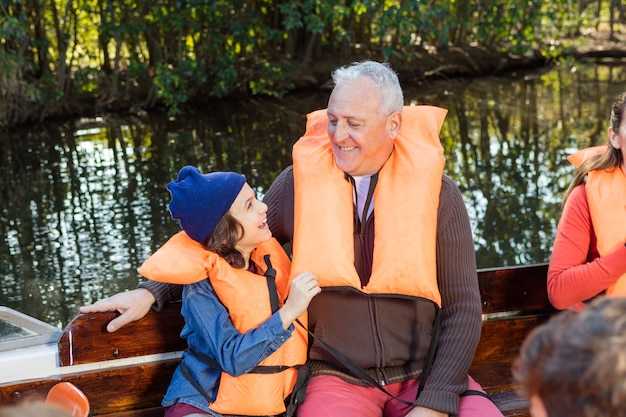
Minors should have explicit parental consent and ongoing supervision during every pool session and course. Here, instructors coordinate with families to set practical limits and tailor activities to each kid’s level of interest. The goal is an enjoyable experience where communication stays clear and safety remains the top priority. This plan should mean safety is prioritised.
Parental consent should be documented and reviewed if health status, medications, or activity goals change. Certain conditions may require a doctor's note before participation. Said policies spell out the limits, the span of supervision, and what to do in case of a concern, so parents and staff share a common frame of reference. It also clarifies their wants in the course and what they hope to achieve, and outlines the next steps for approval.
Supervision is structured and practical. Instructors supervise directly in the pool area with a clear line of sight, and assistants or lifeguards help cover rotations. The physical presence of an instructor near the water ensures immediate feedback. The programme should specify minimum staff-to-minor ratios, the roles of each supervisor, and what happens if a child is uncomfortable or requests a break. Therefore, families can trust the oversight throughout the session.
Communication is key. Parents should call the office or coordinator to review progress, terms, and safety rules. Programmes should provide a simple checklist to cover what each session will involve, what the kid wants to learn, and what to bring. Parents often ask what's allowed for a minor during pool activities and what the course structure looks like, including the span of classes. Here, staying engaged makes the experience more enjoyable for kids.
Next steps include touring the facility, meeting instructors, and reviewing the age-appropriate course options. For families with kids aged 8 through 12 or 13 through 17, programmes may differ by years of experience and physical readiness. Ask about the minimum age, the span of each class, and how progress is tracked. By clarifying these points, families can choose a programme that fits their kid’s interests and keeps the experience enjoyable.
From Junior to Adult Certification: Steps and Timeline
Start with a Junior Open Water course at age 10, and chart a practical timeline to upgrade to an adult certification by age 15.
The whole path centres on safety, steady progress, and hands-on practice. You build confidence through structured pool sessions, classroom learning, and several open-water experiences, while keeping guardians and instructors in the loop. Seeing your progress helps you stay motivated, and a clear plan keeps you focused on the right milestones.
-
Step 1 – Eligibility and enrolment: verify age, obtain medical clearance, and choose an agency. Gather gear, study the basics, and watch introductory videos to set expectations. Make sure you have a clear support plan at home; this helps you stay on track and avoid last-minute scrambles.
-
Step 2 – Junior Open Water certificate: complete knowledge development, pool work, and at least four open-water experiences with a maximum depth dictated by the programme (often up to 18 m). The certification is issued as junior and opens a defined path to upgrade once age and requirements permit. Make sure you have a guardian's consent and a supervising instructor who knows your pace and comfort level.
-
Step 3 – Progression toward upgrading: as you approach the age threshold, you can pursue additional specialities or an upgrade path (varies by agency). These steps open more options for depth, buoyancy control, and navigation, and they reinforce practical skills you already started. Remember to log practice sessions and seek feedback from instructors to keep refining technique.
-
Step 4 – Upgrading to adult certification: when eligible, complete the bridging requirements to a standard Open Water certificate. This unlocks full depth allowances and independent practice with a buddy. Your instructor will review knowledge, skills, and practical performance; once confirmed, you receive the adult credential and gains are Paramount for ongoing progression.
-
Step 5 – Maintenance and ongoing learning: after upgrading, maintain skills through regular practice, refreshing safety procedures, and pursuing additional specialities (navigation, buoyancy, emergency procedures, etc.). A steady routine keeps confidence high, and continuing education opens opportunities for more advanced experiences. For extra reinforcement, use short videos to reinforce lessons and keep motivation high; a quick blast of review content before sessions helps with recall. Maintain your log, track depth and progress, and stay sure about your goals.
source: agency guidelines and local regulations. Regular check-ins with your instructor ensure you stay on track, and know that your wants and long-term plans influence the pace and choices you make. By building skills now, you solidify a strong foundation for safer, enjoyable underwater experiences.