


 Українська
  English (UK)
  Русский
  العربية
  日本語
日本語  한국어
한국어  Magyar
  Türkçe
  Español
  Čeština
  Svenska
  Português
  Ελληνικά
  Suomi
Suomi  Nederlands
  Română
  Italiano
  Français
  Polski
  Deutsch
  简体中文
简体中文  Slovenčina
 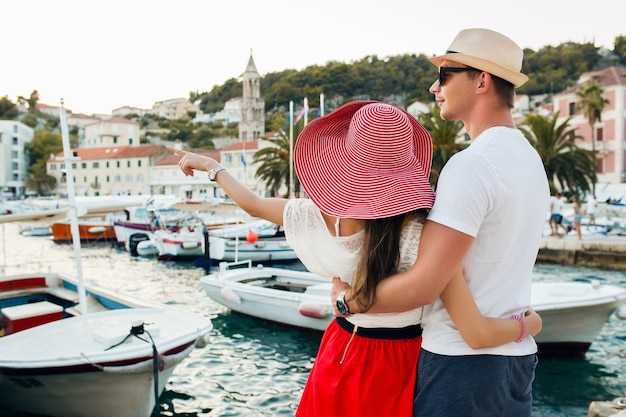 Getting Around the Croatian Islands – A Practical Island-Hopping Itinerary with Ferry Tips">

Plan a 7–10 day loop starting in Split and following high-frequency sea routes to keep stays compact while you sample real town atmospheres and attractive alleyways. Begin with a morning hop Split → Brač (Supetar) or Split → Hvar (Stari Grad) to maximise daylight for swimming and exploring, then allocate two-night stays on each isle to avoid backtracking. This approach minimises wasted time and builds a compact, diverse itinerary you can adjust if weather shifts. For some travellers, this plan may seem daunting. While you sample real towns, you can explore narrow lanes and waterfronts at a relaxed pace.
Flavourful hops with time estimates: Split to Supetar on Brac runs about 50–70 minutes by catamaran or a slower boat; Split to Hvar town takes roughly 1 hour 10 minutes to 1 hour 30 minutes on a fast service; Hvar to Vis is generally 1 hour 30 minutes to 2 hours. For a balanced plan, target 2 nights on Brac, 2 nights on Hvar, and 2 nights on Vis, then return to Split. If you want a backtrack option, you can add a quick 2–3 hour leg to Mljet or Korčula on a separate day, but note schedules change with season. In shoulder months, count on public travel windows and weather-related delays; still keep a flexible buffer of 1 day. While visiting Brac, consider picking up a bottle of local wine for evenings on the shore.
To plan effectively, rely on public travel boards and harbour timetables. Click into the official schedules at Split, Supetar, and Hvar to lock in first hops, and keep the rest open for adjustments. Use a flexible booking option for the second or third connection, then confirm final stays a day in advance. The источник for real-time changes often appears in local facebook groups and at the tourism boards; if you’re interested, monitor those channels for updates, they're often the first to reflect changes, especially when visiting during shoulder seasons.
On each isle, plan stays of about 2 nights to avoid constant packing; this is essential for a relaxed pace. In Brac, explore Zlatni Rat near Bol, then stroll the quiet lanes towards the harbour. In Hvar, wander the old town’s alleyways, sample lavender oil, and enjoy sunset crowd-free terraces. In Vis, swim along secluded bays, discover beaches reachable only by boat, and visit Stiniva Beach via short hikes. Such choices let you understand the islands’ real character, and they’re surprisingly easy to manage with a well-timed plan and public transport windows. Pack light and carry a bottle of water for day trips to stay refreshed between shade stops.
If you’re travelling with a focus on cost control, pack light, book stays with flexible dates, and aim for early-season passes when rates dip. Wrap each day with a quick check on schedules: click, adjust, and keep a backup day for backtracking if weather blocks a hop. This approach satisfies both thorough, comprehensive travel planning and a practical, down-to-earth execution that suits curious, interested explorers.
Getting Around the Croatian Islands: A Practical Island-Hopping Itinerary
Begin your plan with Split as a launchpad: stay two nights, pick a clockwise route through Hvar, Korčula, Mljet, and finish with Koločep for a day trip. This approach considerably reduces backtracking and keeps transfers short.
Boat networks along the coast operate year-round, with higher frequencies in peak months. Check the website for schedules and advance bookings; aim for morning departures to maximise time in each stop. Weekends and July and August departures can be crowded; book early.
On Hvar, grab the buses to the scenic peak above the town and to nearby coves; the crystal-clear waters at the hidden bays near the coast are ideal for swimming; there are famous wineries to sample, and you can pick a quiet tavern for lunch along the harbour.
Korčula's history is rich; the old town walls shelter shops and seafood restaurants; hire a bike or walk the waterfront; the town offers spectacular sunsets over the sea; from there, day trips to nearby islets are possible via small boats.
Mljet National Park offers crystal lagoons inside a pine forest; a short boat ride from Korčula or from the Dubrovnik hub connects you; the park is a favourite for explorers who enjoy quiet nature and hiking on well-marked trails.
Koločep, a hidden gem, provides low traffic and clear water; you can park your car on the mainland and ride a short boat to reach the islet; a window of calm mornings is ideal; bring a bottle for the beach and enjoy local snacks.
When planning: decide to travel light; July and August demand extra time for transfers; consider buying a multi-stop pass if available; check your travel window and adjust to sea states; this plan offers a spectacular mix of towns, beaches, and historical experiences.
Ferry networks and island groups: choosing routes that minimise backtracking
Plan journeys using three anchor hubs to minimise backtracking. Map logistics: Krk, Cres/Lošinj, and a southern node such as Pag or Brač. Once paths are crystal-clear, this approach reduces backtracking and frees up time for tranquil days ashore. Include options for accommodation in anchor towns. Travelling light helps maintain pace.
Check Jadrolinija schedules in advance. Download timetable from official information to confirm ferry routes, ships, and departure times. For travellers, advance planning prevents overwhelmed moments; crystal-clear plans help head toward relaxing days, not frantic transfers. Think in terms of loops rather than return trips.
Recommended arc starts Krk, Cres, Lošinj, Rab. From Rab head south towards Pag, then Brač or Hvar cluster, linking next hops with minimal backtracking. A group can follow this arc to minimise ride length, just enough time for scenery.
Anchor stops offer tranquil moments: church visits, vineyards tours, and crystal-clear information at harbour offices. Travelling along this arc reveals year-round treasures of sea views, local markets, and quiet coves. Accommodation options ranging from hotels to boutique guesthouses, many harbour towns offering crystal-clear signage and easy access to ferries.
Travellers will appreciate a well-defined plan that reduces stress; comments from locals and fellow travellers help refine routes. Having flexible options reduces waits. Advance bookings for popular ships ensure beds in great hotels, especially during peak season. This approach keeps logistics simple, avoids overwhelm, and leaves room for relaxing days at tranquil coves, time to download maps, enjoy wines, and share experiences.
Reading timetables and seasonal schedules: what changes through summer and off-season
Plan morning hops to Koločep and remote harbours; Kilo schedules rise across mainland; private boats often require reservation; adding kayak option boosts flexibility.
In the off-season, flexibility matters: fewer options, slower cadence; plan around mornings and late afternoons; kayak excursions and vineyard visits become easier to fit when schedules loosen.
This quick guide abstracts seasonal rhythm into actionable steps: check schedules daily, click through operator pages, compare morning vs afternoon windows, and balance hopping across famous locations with inland options like alleyways and wine roads.
whilst planning, explorer mindset stays curious; here remote harbours become lush, full of alleyways, vineyards, and crystal-clear views; hopping across famous locations becomes an immersive rhythm across krilo, boats, and private options, together with morning rituals.
| Season | Typical departures | Примітки |
| Summer (June–August) | High frequency; morning & late afternoon slots; krilo runs every 30–60 minutes; private boats often require reservation | Book ahead; check crystal-clear seas; consider private charter for larger parties |
| Shoulder seasons (April–May; September–October) | Moderate cadence; some routes skip midday; dawn and dusk can be solid | Flexible plan: choice of kayaking or exploring vineyards |
| Off-season (November–March) | Limited options; only a few boats cross main routes; some locations have no service on certain days | Plan day trips from the mainland; use day-trippers; keep a bottle of water; verify the last trip before planning. |
Ticket options and price ranges: reserved seating, cabins, bikes and cars
Reserved seating for daytime hops between Korčula harbour and nearby coastal spots; cabins offer privacy and quiet for longer passages; private options also let bikes or cars ride aboard without sharing cargo space.
Prices vary by vessel and route: reserved seating £10–£24 per person per leg, adults only for this option; cabins £40–£105 per cabin per leg; bikes £5–£10; cars £45–£140. Expect peak-season hikes of 20–40 percent; updated figures appear weekly on operator sites and harbour posts.
The first plan involves choosing the option that suits the plan: large ships favour private cabins; smaller craft offer lower costs with reserved seating; check if bicycles or kayaks receive free carry; head to the harbour desk to understand the rules and post updated details.
Plan a luxurious getaway around Korčula by mixing options: private accommodation near the harbour, reserved seating for friends, or carrying bikes and a kayak aboard on cargo slots. Lush coastline blends natural beauty with beaches; outdoor decks become living rooms as you sip vino and listen to waves. Download updated schedules from ship operators, understand details at harbour posts, and share insights with insider readers. A thousand destinations unfold as you decide where next, while outside air and sky deepen a connection with nature, and palace-scale panoramas elevate your mood, making memories.
Onboard and port tips: queues, boarding, luggage, and short crossings
Aim to arrive 30 minutes before departure to minimise queues and speed boarding. Ports open early for popular routes; arriving by taxi or ride-share saves time; keep luggage compact to ease handling. For year-round travel, plan cross-checks to avoid peak crowds during seasons when Hvar and nearby places see a surge.
- Queue strategy: at busy hours, lines form in several lanes; pick shorter queue near entry point; avoid blocking walkways; crowds shrink if you move with purpose.
- Boarding procedure: after gates announce, move steadily; keep all tickets ready; carry-on sized around 7–12 kg; place bags in overhead compartments or under seat; avoid blocking aisles while stowing gear.
- Luggage handling: label bags with name and contact details; minimum bag count: one carry-on plus small daypack for essentials; pack medicines, sun cream, water, map; minimise loose items; use a compact daypack for beach days.
- Short crossing reality: on ships, durations vary 15–35 minutes; seas azure and often calm; mid-ship seating minimises motion; if weather looks rough, consider later slot; be prepared for minor changes; ensure you have seasickness remedies if needed.
- Seasonal planning and must-see places: for Hvar area, seasons drive schedules; early departures work best when crowds peak; shoulder seasons bring fewer crowds yet plenty to explore; check whether port opens early or late; nearby churches like those in town and beaches offer easy add-ons for visits.
- Logistics and options for groups: look for ways to reduce logistics friction by choosing fewer connections; this is better for visiting places with friends; nearby routes commonly offer direct hops; this approach makes enjoying beaches, azure horizons, and must-see villages more straightforward; always have backup options in case of cancellations.
- Practical packing and safety: keep a dry bag for beach gear; carry enough water and sunscreen; label valuables; lightweight gear is better; plan to visit Hvar stops at azure shores; this plan keeps everything smooth for a group interested in exploring places with year-round charm.
Tipping in Croatia: ferry staff, restaurants, hotels and transfers
Approach: carry small cash in kunas or euros for gratuities; ideal gesture is rounding up on bills when service is attentive; for luggage helpers or boat crews on island hops, 1-2 euros per person makes a clear difference; avoid large tips for routine service.
On boats skirting azure coast, tips signal appreciation; if you're travelling with krilo between mainland hubs and an island, leave cash with crew after luggage handling; prefer 1-2 euros per person or 5-10 kunas, whether service is minimal or standout; give tip directly in hand while boarding; this simple gesture supports smooth logistics; think of this as a small courtesy.
For restaurants, aim for 5-10% on bills for table service when meals are enjoyable; if service goes above and beyond, extend to 10-15%; rounding up to the nearest euro is common in casual spots along beaches and alleyways; avoid tipping on drink orders alone; keep small change handy, and offer a bottle of water to staff during hot shifts to show appreciation.
For lodging teams, £1-£2 per bag for porters; housekeeping receives £1-£2 per day; for standout issue solved by front desk, a post-stay note with cash expresses gratitude; in apartment rentals, leave tip for cleaners if staff visit on departure; if you rent gear or bikes, a small tip for shop staff is appreciated.
Transfers such as airport shuttles or boat taxis accept cash or card payments; rounding fare up to a whole pound eases drivers during busy nights and holiday months; in peak season, a larger tip may be appropriate for other travellers; for outdoor waiting areas during summer, a small extra tip is appreciated.
Trstenik stands out among famous coastal spots, with alleyways, azure beaches, and natural beauty; a wee tip after bag handling or directions at a window counter is appreciated, especially when night opens after swimming or a hike; for those exploring island routes, Krilo schedules are available early; you're encouraged to check a post on your website for local tipping norms and transfer options; this supports a smooth holiday for travellers and country exploration beyond the main routes.