


 Українська
  English (UK)
  Русский
  العربية
  日本語
日本語  한국어
한국어  Magyar
  Türkçe
  Español
  Čeština
  Svenska
  Português
  Ελληνικά
  Suomi
Suomi  Nederlands
  Română
  Italiano
  Français
  Polski
  Deutsch
  简体中文
简体中文  Slovenčina
 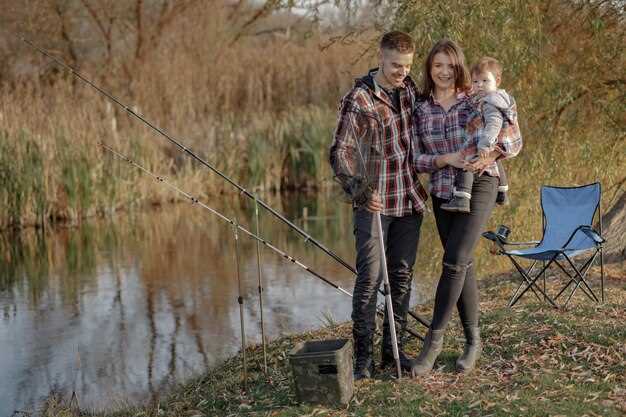 Fall Trout Fishing – 10 Essential Tips">

Begin with a larger streamer on a 3‑foot tippet and casting along fast seams where the water drops into pockets. This setup increases the chance of a decisive grab and keeps the fly in productive water longer. If you only have one rig, let the streamer do the work and add a small bait dropper behind it to probe undercut banks. These early moves set the pace for the day and often deliver the first aggressive takes.
These weather-driven shifts create a general blueprint: search for 2–4 ft depth runs and seams where the current accelerates; this depth range holds fish most actively as daylight dims. If you want to confirm structure, use sonar to verify depth and rock and gravel changes; watching for color shifts helps you spot feeding lanes, where they often lie. Cast upstream, mend to keep the streamer in the strike zone, and drop a light bait behind it to test for a follow.
Rods and lines: select a 9′–10′ rod in a 5‑ to 6‑weight range with a medium-fast action. Use a floating line with a short sink tip to keep distance at 6–9 ft, then switch to a slow‑sinking variant as water clears. Tie a 12–18 inch tippet after the leader and adjust knot choice to reduce tangles. When a fish shows interest, casting to the position and then stripping in time with the current yields the most consistent takes. They tend to follow for a moment, so vary your speed and direction to seal the grab.
Target location: outside margins where the current slows and the pocket begins. These zones often produce dropping water and a noticeable sonar return indicating depth and structure. Use a longer, deliberate pause after each strip to entice a hungry pull. If the cloud cover is strong, raise the fly’s silhouette and shorten the strip to keep within the strike zone.
Be mindful of pike in weed edges; they lie in ambush positions when prey is scarce. They can intercept streamer patterns; shorten your strip, switch to a heavier pattern, or move to a cleaner area. If you see a follow, switch to a brighter pattern or color to lure a bite.
Timing matters: bite windows cluster after dawn as water warms and again late in the afternoon. Hungry fish tend to hold in slower pockets and then move into faster runs when baitfish and insects shift. If conditions have been steady, you want to vary your presentation: a larger streamer for bold takes and a smaller, subtle option to probe. This approach helps you spend much less time guessing and yields more definitive follows.
Want reliable returns? Keep a compact log: water temperature, wind, observed runs and holds, and patterns that produced follows. This habit helps you spot what works most often and reduces wasted time on the water.
Fall Trout Fishing: 10 Tips and Fall Fishing Setups
1. Start with slower retrieves and a lighter leader when temperatures drop; focus on early morning and late-day windows, which are the only days with good bites.
2. In mountain streams and highland lakes, favor patterns that imitate natural forage and pellets near the bottom for better holds.
3. If you can sight activity, present a small imitation just ahead and lift with a confident, subtle sweep; seen fish bite more reliably.
4. Use a lighter tippet and a dropping weight plan to keep your pattern near cover without spooking fish.
5. Regulations vary by zone and season; verify daily limits and allowed gear before you head out, especially on days following summer closures.
6. For set ups, go with a longer, fine-tipped leader (4–6 lb) and a mid-weight line; adjusting gradually as water clarity changes yields the best results.
7. Pellets in the 1.5–2.0 mm range work well on slow pockets; pair with subtle imitations to improve stealth.
8. On late-season afternoons, sight lines improve when water is still and clear; switch to a lighter leader and a stealthy presentation to increase chances.
9. Mountain lakes demand deeper drops at peak hours; use a short leader above a dropper or a weight-forward line to cover that depth.
10. Maintain a concise log of days, temperatures, patterns, and outcomes; this article will help tailor setups for the next trip.
10 Practical Tips and Setups for Autumn Trout Fishing
1) Target the slow pockets just below riffles where the current pools; in october these zones yield action from active feeders. Use a streamer combo with a short sinking line and a tapered leader; watch for true takes as the fly reaches the seam.
2) First, downsizing your tippet and fly size in clear pockets improves hookups. Focus on a tight drift and a quick action; they often strike during a short pause.
3) Areas to scout include tailouts, seam lines behind eddies, and shade under alders and willows; anywhere shade or structure holds bait, october daylight shifts feeding windows, so time your casts with the sun arc.
4) Bait and streamer setups: try a true combo, with streamers on the point and a small nymph on a dropper. In october the surface and sub-surface work together, and many hits occur when the fly hovers near structure.
5) Color matters: go natural greens and browns in bright sun, switch to brighter bodies for dim mornings; change helps keep the target visible.
6) Leading angling gear: 9-11 ft rod, 4-6 wt line; mid-length leader; a short tippet; use either a sinking or sink-tip line depending on depth.
7) Cast technique: throw upstream to reach target lanes, keep line off the water, and use long, smooth arcs; the difference between a sloppy and clean drift is real. They respond better to a dead-stop mend.
8) Timing and conditions: in october mornings are calm and water is clearer; plan around light and temperature; active insects rise late, so tighten the schedule.
9) Pattern selection: use a barbel-pattern streamer on the point when water is stained or murky; downsizing to a micro-nymph on the dropper helps when currents run strong.
10) Review and adjust: track success across areas and days; many anglers note what works, then tweak combo, color, and throws; you should keep a simple log to capture the difference and improve results.
Choose fall-appropriate gear: rods, lines, and reels
Choose a 9-foot, medium-action rod paired with a 4–6 lb line and a smooth, dependable reel to tackle popular autumn spots. This baseline setup keeps longer casts accurate and reduces fatigue, making you willing to stay out as days shorten and water cools, and it makes catches more consistent.
- Rods: 9 ft, medium action; graphite blank for fast load and sensitivity; balanced grip to keep you steady through long angling sessions, which keeps accuracy when aiming at tight spots.
- Lines: Floating line with a 9–12 ft leader; 4–6 lb test; for deeper or dropping water, add a light sink-tip; downsizing line diameter helps identify bites and reduces missing takes; popular when fishing flies near structure; choose a setup that pairs well with your flies and allows you to move between spots.
- Reels: Lightweight, smooth drag; corrosion-resistant; capacity for 150–200 yards of 4–6 lb line; balance with the rod to keep wrists from tiring during longer days; a reliable drag makes hooking easier and boosts high catches.
What to watch: use a general approach to fall angling; when you see a bite, react quickly and move to nearby spots; if bites are missing, adjust tippet size or fly choice. Dropping flies into weed edges is a common trick that has been seen to trigger hooking, especially with bass and skimmers. Downshifting gear for winter transitions is worth it, and keeping a spare smaller setup can improve your overall success on days when conditions shift.
Identify productive water: temperature, depth, and holding spots
Target the coldest water you can reach in each pool and stay near the bottom where temperatures stay lowest. These choices come from scouting the depth and watching where oxygen-rich, cold water pools through the pool, often around 7–15°C (45–60°F).
Depth matters: most activity concentrates in the lower half of the water column when surface light warms; fish hold along the bottom or in 4–8 ft in narrow runs and 8–15 ft in wider sections. Look for depth breaks where the bottom drops or a seam forms; these lines concentrate fish and increase catch probability.
Holding spots: seek undercut banks, big rocks, woody debris, and weed edges. In bright light, fish retreat to shade and stay near the bottom line where current creates eddies. These spots usually yield the best catch when presented with a slow, tight line and subtle bugs. Among species, perch may occupy adjacent zones, but the cold pockets remain the best choice.
What to monitor: among the most reliable indicators are flow patterns; insects gather around light and shade, and a video guide shows how to identify these spots quickly. Adapt your approach based on results and be willing to move if the line stays quiet.
Repeat the scouting across pools; come back to spots where the water stays cold and structure holds; increase confidence by sampling several lines and varying weight and speed. Most success arises from sticking to these zones and adapting to the day’s light and bugs.
Match baits and lures to autumn forage
Identify these autumn forage types in your areas and tailor baits to imitate them through the season when water cools and bites slow.
In autumn, nymphs dominate the menu; identify which species are most active in your waters and adjust size and pattern accordingly. For patchy visibility, use brown-toned patterns that blend with the riverbed; if the current carries stained water, a brighter abdomen can spark reaction strikes. Consider a nymph or leech pattern that sits tight to the bottom to mimic the real fare.
Groundbait pulls fish into the strike zone, especially around structure and eddies. Use a light, low-visibility mix that releases gradually, and keep it in calm areas to avoid spooking fish. Live options можуть доповнювати, але багато рибалок покладаються на компактніші, м’якші презентації в холодній воді; за допомогою виміряних закидів ви забезпечуєте, щоб приманка бігла біля укриття, а повільні забіги винагороджувалися.
Стрімері покривають глибину та швидкість; проводьте їх крізь шви та вздовж підмитих берегів, чергуючи швидкі підмотування з паузами, щоб спровокувати кидки риби з коричневим малюнком та інших areas. Якщо вода прозора, дотримуйтеся менших, стриманих візерунків; якщо вона каламутна, використовуйте сміливіші білі або хартреузні акценти.
Використовуйте сонар, щоб визначити глибину та структуру, і відповідно коригуйте свій підхід для кожного місця; вивчіть посібник з русла річки та зони-цілі, де течії сходяться та утримують рибу. Зручне оснащення та гострі гачки є критично важливими; поки ви не відчуєте клювання, мінімізуйте шум і закидайте з підвітряного боку, щоб зменшити дрейф. Ця стаття має на меті допомогти вам успішно пройти через сезон за допомогою чітких і практичних кроків.
Удосконалення презентації: непомітність, закидання та підсікання у чистій воді
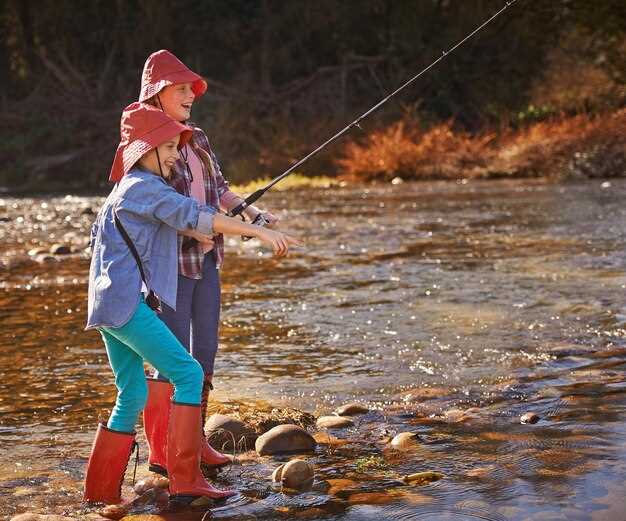
Почніть зі стійкої пози та короткого, точного закиду. Тримайте свою тінь низько, а волосінь нижче від відблисків води; у жовтні температура падає, а риба стає непомітною у дуже прозорій воді, тому мінімізуйте бризки.
Вибір легшого лідера та простої комбінації нимф зменшує опір і видимість. Використовуйте повід еквівалентною міцністю 4–6 фунтів для довших заносів, а потім перейдіть на 6X, коли підозрюється покликання у щільних згинах. Те, що роблять ці зміни, — це тримають вашу подачу природною, змушуючи рибу наближатися без тривоги, що має вирішальне значення, коли риба тримається щільно біля структур.
Коли ви закидаєте вудку, прицілюйтесь в ділянки, де течія сповільнюється та рівномірно розподіляє повільний, природний дрейф. Уникайте гучних, помилкових закидів у відкритій воді; натомість здійсніть два компактні закиди, щоб розмістити мушку трохи вище зони клювання. У дуже чистій воді краще зорієнтуватися на точність, а не на відстань, оскільки самі волосіні можуть видавати вашу присутність задовго до того, як мушка досягне місця призначення.
Відлов має бути навмисним та контрольованим. Дуже повільні, методичні рухи найкраще працюють під час сесій у пізній сезон, особливо коли температурні градієнти звужують активну зону. Робите паузу після кожного дюйма дрейфу, щоб летняк став природним продовженням течії; ці паузи є вашими сигналами до риби. Якщо ви бачите зміни швидкості попереду, ви можете трохи змінити швидкість, але залишайтеся в тісному діапазоні, щоб профіль залишався переконливим для більшості риб поблизу.
Види патернів, які залишаються ефективними, включають малих нимф і патерни, схожі на зернятка, зав’язані на легкий гачок. Тонкий вибір кольору – землисті зелені, бежеві та приглушені оливкові – часто перевершує яскраві тони у прозорій воді. Коли ви помічаєте клювання баса або окуня неподалік, переключіться назад на більш компактну, менш агресивну подачу; мета полягає в тому, щоб імітувати повільно рухому, малу нимфу, яка відповідає тому, що ці риби природно досліджують у течії.
Експертні рекомендації наголошують на постійних перевірках налаштування волосіні, глибини та відносу. Якщо стеля водного стовпа залишається незмінною, вдосконалюйте свою техніку поступовими змінами, а не кардинальними переробками. Зміни температури це підтверджують: якщо вода трохи нагрівається, зменште час зависання та скоротіть віднос, щоб тримати мушку в оптимальному шарі, а якщо охолоджується, трохи подовжіть віднос і адаптуйтеся до повільнішого темпу.
| Aspect | What to do | Примітки |
| Позиція непомітності | Тримайте низько, мінімізуйте рухи тіла, сховайте ноги під укриття; закидайте до крайніх утримувачів. | Чітка вода посилює відблиски; тіні швидко видають присутність. |
| Підхід до відбору | Короткі, точні доставки; цільтесь трохи вище за ймовірні місця укриття; уникайте широких, гучних, неправдивих закидів. | Точність переважає відстань у повільних зонах. |
| Лідер та тіпет | легка комбінація: еквівалент 4–6 фунтів із наконечником 6X для німф | Зменшує видимість; регулярно перевіряйте цілісність вузла. |
| Отримує | Дуже повільні короткі ривки з calm паузами; ритм зупинки-пішли. | Нехай муха пливе за течією; ці моменти викликають укуси. |