


 Українська
  English (UK)
  Русский
  العربية
  日本語
日本語  한국어
한국어  Magyar
  Türkçe
  Español
  Čeština
  Svenska
  Português
  Ελληνικά
  Suomi
Suomi  Nederlands
  Română
  Italiano
  Français
  Polski
  Deutsch
  简体中文
简体中文  Slovenčina
 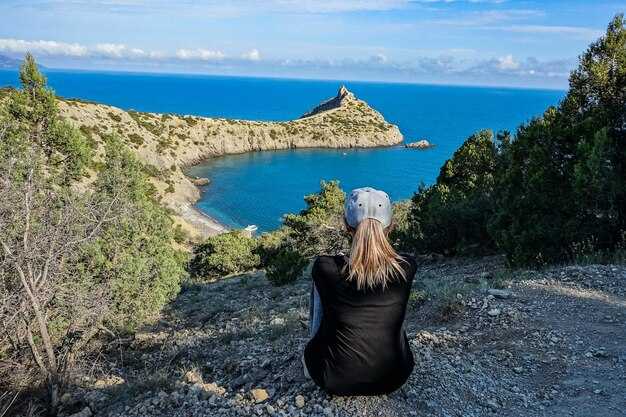 Discover Sardinia – An Island of Miracles and Wonders">

Plan to spend at least seven days in Sardinia, basing yourself in Cagliari for the first few days and then tracing a coastward arc toward Alghero and Olbia. They say this pacing reveals the island’s rhythm: summers begin with lively markets, and evenings end with gentle sea breezes. For visitors, here, protected coves invite a swim before sunset, and the scent of pine lingers in the air.
From the harbor towns to quiet inland valleys, you meet crystal-clear water at hidden bays and sites that span Nuragic towers, Phoenician ruins, and small chapels. In the cedrino river valley, rivers carve deposits of fertile soil, and olive groves glow with late-summer light. If you are looking for balance, couple coastal strolls with gentle hikes through pine and cork forests.
On the table, try flatbread, pane carasau, crisp and light, paired with pecorino and local honey. Local taverns mix grilled fish with herbs and Vermentino, offering a taste of sea and hills in every plate. The day winds down in smaller towns or along colorful streets, where you may find iglesias tucked into narrow lanes.
Inside the foothills, the most memorable discoveries lie in nuragic settlements and a statue that stands watch over a terraced landscape. The heart of Sardinia beats in villages where crafts, music, and markets mingle. In the months of spring through early autumn, the weather stays fine and the light shifts toward gold, inviting lingering conversations with hosts and locals.
Where to stay? Seek family-run agriturismi near the cedrino river and in quiet hamlets where the pace stays slow. They greet you with hospitality, offer maps to hidden sites, and serve warm flatbread, olive oil, and fresh fruit. Here, visitors learn to read the tides of seasons and to savor the island’s quiet rituals, from morning coffee to night markets along the coast.
Cagliari’s Finest View: 12 Viewpoints for an Unmissable Spectacle
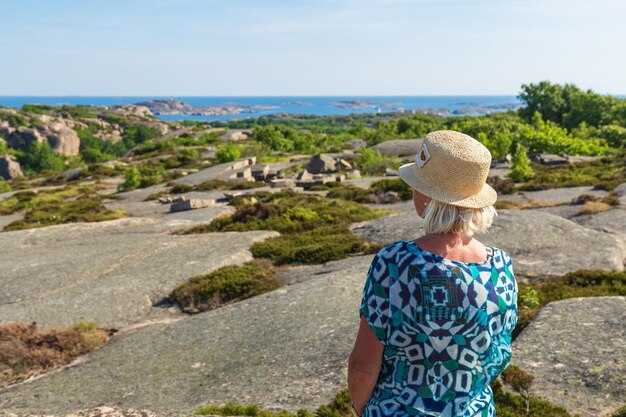
Start at Bastione di Saint Remy at golden hour; the azure sea spills into the harbor, and this truly iconic image anchors the chapter of your Sardinia visit.
From Torre dell’Elefante’s upper terrace, sweep a 360-degree view over Castello and the harbor; the architectural details–arches, cornices, and shuttered balconies–inspire clean compositions.
Stroll Monte Urpinu Park for a different angle: green lawns, pines, and the skyline unfolding toward Poetto; capture the local glow as the sun shifts.
Capo Sant’Elia offers the highest cliff view on the southern edge of Cagliari, with rocks beneath and the torres coast and the largest port below; arrive near sunset for dramatic silhouettes.
Follow the Sella del Diavolo trail to Cala Sant’Elia for coves, wind-sculpted coastlines, and dramatic seascapes.
Take a taxi toward santantioco’s southern edge to see a different coast: quiet coves, pastel villages, and azure water that contrasts with Cagliari’s bustle. The island of santantioco itself rewards a short walk along its seafront.
Calamosca’s rocky promontory combines architectural clues from old bunkers with modern sea views; watch the wind tease rocks and sails.
Walk the Poetto promenade to the late afternoon; watch wind patterns shape flags and people; this long beachfront offers continuous viewpoints.
Book a sunset cruise on clickboat to drift along the harbor; this idea yields reflections on azure water and fleets of fishing boats, perhaps turning snapshots into a story.
Evening in Castello reveals local costumes during festivals; capture lantern-lit doors and the sea framed by arches.
From the highest terrace of Torre di San Pancrazio, the city glows in lights and you get a long, uninterrupted image of the quarter and port.
Finish with a tasting of local cuisine: seafood, fregola, and wine; this whole experience connects flavors to viewpoints and to international visitors, with caribbean warmth in the sun.
Bastione di Saint Remy – sunrise cityscape, best access routes, and crowd-light corners
Rise before sunrise and take the stairs at Porta Terra, then step onto the Bastione to greet the bright sea and first light over the old town roofs. Readers will feel that this simple moment ties to the stories locals share, as janas recount the origin of these walls that shaped the city.
Best access routes include: from Porta Terra, climb the steps up to the central terrace; from the harbor promenade, follow the seawall path to the pedestrian gate; from the market quarter, a short zigzag through cobblestone lanes leads to a quiet overlook, ideal for crowd-light corners.
While exploring nearby lanes, take a short tour of the walls, then check local stalls for flatbread and meat snacks; the simple bites complement the views.
Beyond the walls, the views widen toward beaches that shimmer at dawn; you’ll notice bright colors on the sea and the roofs, full of sunlight. The high perch also reveals cave-like niches and a rock shape that connect to Sardinia’s roots and origin.
Throughout the stroll, you’ll undoubtedly encounter things to tell readers about Sardinia’s culture: rare carnivals, the greatest stories, and the local rhythm of life that happens long after the sun rises. Made in small moments, this route yields recommendations for quiet corners that avoid crowds, yet still offer immersive views.
Sella del Diavolo – dramatic cliffside panorama, safe trails, and optimal sunset timing
Start at the Poetto side and take the Sella del Diavolo circular trail clockwise to the best sunset spot. The loop spans about 3.5–4 km with a total ascent of roughly 120–150 m, and you can complete it in about 1.5 hours at a relaxed pace. The route stays on marked paths, with railings at exposed edges for safety. While looking across the sea, coal-dark cliffs frame dramatic panoramas, and youll discover a millenary perspective that feels like a treasure. lets you compare vantage points across the saddle. This approach has been favored by locals for generations.
For the best sunset timing, reach the main west-facing bend about 60–75 minutes before sunset. The palette shifts through pinks and golds in several moments, each one different, and the sea takes on a silver glow as the light fades. This spot is popular today, especially in spring and summers, yet quieter corners remain along the eastern edge. The cliffs sculpt coastal landscapes that shift with every breeze.
Safety and etiquette: Use marked paths; railings appear at exposed edges, and stay away from cliff rims in windy conditions. Maintain a steady pace on rocky segments and keep dogs on a leash. The area links with centres of Cagliari’s coastal tourism today, so you may share space with walkers and cyclists during peak hours. Any checklist will include safety tips to help you pace and skim gusts, ensuring excellence in how you experience the view.
Untold stories emerge from the millenary rock; ancient sea caves line the approach, reminding you of centuries of life along the coast. The light here carries a tuscany-like warmth, attracting loved photographers and locals who visit in spring and summers. The view spans Poetto Beach, the gulf, and inland hills–a treasure you can carry as a memory.
Logistics and tips: Park at the Cala Mosca lot or along the coastal road near the promontory; the trailhead is clearly signed. Wear sturdy shoes, carry water, sunscreen, and a light layer for cooler evenings. spent hours here after sunset are common, so plan snacks and a backup battery. Start early on weekends to secure a quiet sunset spot and return before dark.
Today’s Sardinia centers on natural wonders and beach life, and Sella del Diavolo blends both. The spot remains a magnet for families, couples, and solo travellers who want to savor moments of calm with a dramatic backdrop. Youll leave with a sense that you discovered a monumental treasure at the edge of an ancient coast, a life-affirming memory from a land that loves the sea as much as carnivals, and the coastline that continues to shape the island’s story. everything you need for a memorable evening is here, from the wind in the pines to the glow on the water. Undoubtedly, this view elevates the whole Sardinia experience.
Monte Urpinu Park Overlook – city rooftops vistas, parking tips, and easy reach for walkers
Park in the blue zones around Monte Urpinu and walk up the gentle incline to the overlook. The route is shaded, family-friendly, and takes about 5–7 minutes from the closest street parking, letting you arrive fresh for photos. This quick climb offers more time at the vista and a quick cooldown before the descent.
From the overlook, crystalline city rooftops stretch toward the blue sea; you truly witness a balance between medieval spires and modern façades, with santantioco and olbia visible on clear days. The panorama gives a tangible sense of civilization built over years and culture, including a shrine to a saint.
Parking tips: plenty of blue-zone spots surround the park; if these fill, use the municipal car park at the base and walk the gentle slope to the top. For groups, you can hire a taxi or join a local tour to maximize your time.
Easy reach for walkers: the main path to the vista follows a gentle grade and includes only a short stair section near the summit. Benches along the route invite a pause to sip pane and soak in the view, making the experience accessible and pleasant for most visitors.
Monte Urpinu connects Sardinia’s roots to a broader culture. Visiting here complements nuraxi sites and other regional stops, producing a worldwide sense of wonder. It acts as источник of energy for locals and visitors alike, while offering a balanced view of urban life and historic layers. If you plan a longer day, consider a tour that links this overlook with nearby gems, including barcelona-inspired cafés and coastal towns such as santantioco and olbia. These options offer more ways to explore, and you can hire a taxi from the city center to stretch the day with stops for pane and local specialties.
Torre dell’Elefante Terrace – elevated city angles, opening hours, and photography hotspots
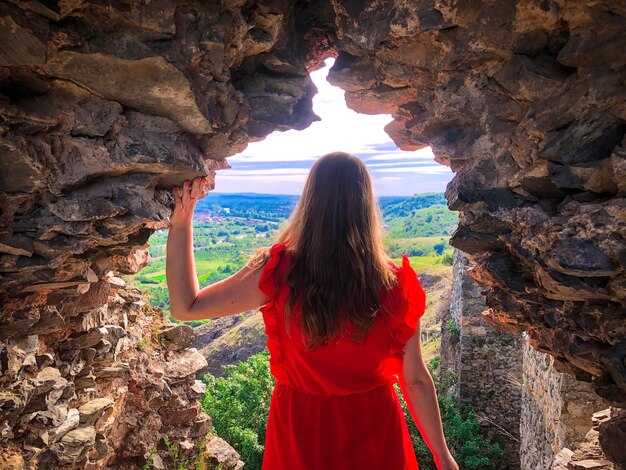
Visit after 17:00 for the golden hour and calmer angles, with the western edge offering the most flattering lines of the old town as the plateau unfolds toward the hills.
Opening hours and access: Opening hours are posted at the base and on the municipal page, typically 09:00–13:00 and 16:00–19:00 daily, with last entry around 18:30; winter hours may shift by an hour. Always verify times before you go on the official portal. источник
Photography hotspots: From the terrace you capture a trio of angles: the western panorama over the roofs to the plateau, the northern spires toward Castello, and the eastern quay toward the bay. A wide-angle lens (16–35 mm) helps weave rooftops, domes, and distant towers into one frame; stand near the railing for stability and use a slower shutter on clear evenings to smooth the sea. This view is unmissable for urban photography fans worldwide.
Practical tips: Arrive with comfortable shoes; the climb uses steep stairs and narrow passages, so pack light and avoid bulky bags. If you shoot during an events influx, expect crowds; you may prefer weekdays. For gear, prefer a compact tripod and listen to a local expert tip to frame the skyline with balance. In your list of must-snaps, include the edge rail perspective and the long corridor lines that echo the fortress’s history, along with a close-up of doorways and stone textures.
Context and local flavor: The terrace sits on a plateau above Cagliari’s old town and carries archaeological value, with signs that read the city’s layered history. Regions around the harbor offer different backdrops, and the peoples who gather here bring energy that photographers love to capture. The setting attracts a worldwide audience, with unmissable shots of lights on stone and of locals in costumes during festivals. After your shoot, sample sebadas and local meats at nearby stalls, and read the notes on the wall to learn more about the site’s origin and historical sources (источник). Leaves flutter in autumn winds, adding a natural frame to decisive moments of the view.
Bonaria Hill & Lighthouse Promenade – harbor silhouettes, best viewpoints near the lighthouse, and crowd timing
Begin at first light to catch the least crowds and the clearest water reflections. From Bonaria Hill, harbor silhouettes line the quay while the lighthouse casts a long glow over the water. Nearby, this stretch draws sardinians and international visitors alike, with stintino and ogliastra serving as popular day-trip anchors that meet the coast’s rugged charm.
Between these vantage points, the best views near the lighthouse come from a short, stone path that climbs above the harbor. These spots let you frame the water against the tower, while a statue on a distant rise and a small castle ruin add scale. The light often shifts quickly, so you take the clear shot when the sky leans amber and the boats align along the quay.
- East-facing terrace behind the keeper’s house – stone parapet, unblocked view, often used by locals and visitors; you capture water, the lighthouse, and the quay in a single frame.
- Old quay overlook – the line of boats forms harbor silhouettes with the lighthouse between vessels and a green curve of nearby shrubbery leaves; this angle emphasizes between sea and sky.
- Seaward promontory along the coast – example of an unmissable shot where deer may appear along the scrub and the sea leaves a glassy surface at low tide.
Along the route you’ll notice a small funerary archaeology marker and a treasure-like collection of stone markers that hint at centuries of coastal life. These elements, together with a nearby statue and the silhouette of a distant castle, create a layered scene that many photographers treat as a must-do excursion.
To tailor your experience, plan a cammino that stays close to the water and then climbs to a higher overlook. The path is ideal for an afternoon stroll or a brief excursion between coffee breaks at nearby cafes that cater to international visitors and europe-based travelers alike. The coastal air and historical markers provide a calm counterpoint to any industrial glimpses in the distance.
Crowd timing tips in brief: arrive before 08:00 on weekdays for the least congestion, especially in summer. Weekends draw more visitors after 09:30, so if you prefer quiet frames, shoot before or after that window. If you’re taking a longer route, choose a loop along the hill that ends near the water, then swing by the lighthouse and harbor again for a second, different view–often yielding best results when light shifts in the late morning. For a relaxed stop, sample local options along the harbor path, where a quick meat skewer pairs well with a fresh sea breeze and a photo-ready horizon.