


 Українська
  English (UK)
  Русский
  العربية
  日本語
日本語  한국어
한국어  Magyar
  Türkçe
  Español
  Čeština
  Svenska
  Português
  Ελληνικά
  Suomi
Suomi  Nederlands
  Română
  Italiano
  Français
  Polski
  Deutsch
  简体中文
简体中文  Slovenčina
  Center Console vs Dual Console – Pros, Cons, and Which Boat Style to Choose">

Choose a center console if you want maximum visibility and easier access to gear. This layout keeps the deck open and lets the crew move freely, which feels safer on choppy water and excellent for marine activities like fishing, diving, or cruising with the crew. Here you can build a flexible space: you will decide where to mount electronics, rodholders, and a livewell, and the surface remains comfortable under different weather across styles that range from simple coastal rigs to fully equipped offshore boats.
The center console model offers excellent visibility forward and across the cockpit, with an open deck that simplifies movement when handling lines, trolling, or guiding passengers. You’ll appreciate the simpler maintenance: fewer enclosures mean fewer seams to leak, and foam cushions can be replaced quickly if a spill happens. This layout shines on marine activities where you move around the boat, such as bowriders and versatile day boats where the space is used for different tasks throughout the trip. It also manages moderate spray better when navigating choppy seas.
A dual console introduces a sheltered passenger area and a defined seating zone. It reduces spray and provides weather protection for the crew, which is valuable on longer outings or when you run in cooler air. However, it often reduces open deck space and can complicate access to lines and the bow. If you plan to carry more passengers at once or want a family-friendly layout, a dual console can be the better fit.
How to decide depends on your typical days on the water. If you fish, dive, or run multiple short legs, a center console will usually win on visibility, access, and weight distribution. If you carry several guests and prioritize shelter, a dual console earns points for comfort and social space. In terms of price, both styles share similar hulls and can range from roughly $50,000 on entry-level new builds to well over $150,000 for premium setups, with used market options offering substantial savings. Build quality matters: ensure the helm is located at a height that suits your posture, and inspect foam and upholstery for long-term durability. Consider your local marine conditions and the kind of trips you expect to take, then you will decide the best fit.
Here are quick takeaways: center consoles suit active, versatile boats, while dual consoles fit families and weather-conscious riders. If your decision is still tough, test both layouts side-by-side on a similar hull, paying attention to feel, visibility, creature comfort, and access to gear. The difference in their use on the water will guide the final choice better than spec sheets alone.
Key Considerations Before Choosing Your Boat Type
Your priority should be open deck and easy gear handling; center console is the best option for anglers and weekend trips, with options for gear placement along the gunwales and easy access to the helm.
Define your intended use and social crew: weekend cruises with social members, like family, tend to require shaded seating and clear sightlines, while anglers need uninterrupted access to rod holders and tackle.
Think about electronics and visibility: center consoles have electronics located at the dash for easy reach and easily maintain visibility around the helm; hand grips and rails give added security when waves pick up.
Storage and layout options: dual consoles offer sheltered seating and dedicated storage, while center consoles free up larger deck space along the sides for gear, cooler storage, or livewells.
Decision questions: how many members typically join you, what specific needs are needed for shade, electronics access, and safety; what is your weekend usage pattern and budget; do you plan to upgrade components or electronics later; sometimes the obvious choice becomes the best fit.
Plus, compare options across brands and dealers to seal the best fit.
Deck Layout and Fishing Access
The obvious choice for many anglers is the center console, delivering maximum open deck space for casting and easy front-to-stern movement, with a powerful stand that keeps the cockpit uncluttered.
With a dual console, you gain protected space behind the dash that’s great for kids, electronics mounted above the console, and a sheltered path when moving around the cockpit. Sometimes you lose some through-cockpit flow and there’s a noticeable difference in the area available for standing and casting.
Key differences lie in tackle stations, rod holders, and storage access. The center console keeps central access clear and preserves wide side decks, while a dual console creates a more enclosed feel and can narrow lanes between seats. The overall deck layout remains complex.
Fisher-focused notes: the center console makes reach and maneuvering easier during a fight, and you can slide along the gunwale without obstacle. In rough seas, the center console can feel harder to maneuver because you must squeeze past the console when moving between sides. A dual console offers a protected zone to keep a cooler, spare rods, and a windshield for days with spray, though you’ll trade some casting lanes.
Having a central electronics cluster above the dash helps both layouts, with the display visible from the stand and easy to reach while moving. When choosing, consider whether you want electronics above the console or tucked into a protected panel, and how often you’ll fish with kids aboard.
Power planning matters: with a center console you can route a central loom and keep switches reachable from the stand, while a dual console requires careful routing behind seating to prevent snagging on lines and gear. In practice, a clean harness and protected hosing reduce failures and keep electronics reliable in salt spray.
In summary, for the fisher chasing pure deck space and straightforward movements, a center console is the better choice. For family trips with kids who value protection and a comfortable walkthrough, a dual console delivers practical advantages without sacrificing safety. Tailor the layout so the central controls, power sources, and fighting area stay accessible from your preferred stand and reach above the deck, and choose either center console or dual console based on how you fish.
Weather Protection and Passenger Safety
Choose a dual-console layout with full-height windshields and side panels for all-around weather protection; this choice keeps you and your passengers dry and preserves visibility in rain or spray.
Center consoles excel for walk-around access and open bow seating, but protection for guests can lag. To close gaps, add a large wrap-around windshield and optional spray curtains, plus a front panel that deflects spray when docking.
Whichever layout you pick, ensure a clear visibility path from helm to bow. Position rails and handholds at the console edge and walk areas to support safe movement and quick grip during chop.
Located electronics should be in sealed lockers under the console, elevated from splash zones, with gaskets and drainage channels that divert water away from connections; routine checks protect durability and reduce downtime.
For large boats with multiple members, design a sheltered area around the helm and seating so everyone can move safely along the walk and access rails without stepping into the spray. Use non-slip decking and high freeboard to improve durability and prevent slips near engines during rough seas.
Options include full-height windshields, removable panels, spray guards, and weather curtains. Consider your climate, typical area length, dock conditions, and the desired level of enclosure when you make your choice.
Discover the all-around advantages of each layout by testing in real conditions and evaluating ease of use. The popular dual-console setup balances protection with passenger safety, while the center console adds flexibility for anglers; the choice that fits your engines and crew will align with your desired comfort and protection level, plus your electronics protection plan. youve built a plan that fits your area and members.
Storage, Electronics, and Maintenance Access
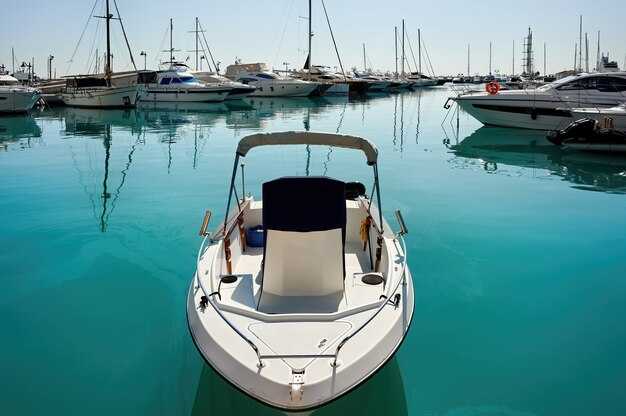
Choose the center console for the best balance of secure storage, easy електроніка access, and robust maintenance handling today.
Storage configurations on a center console provide more storage on the sides with lockable compartments and a central dry locker. The obvious name here is to optimize function and space; with military-grade latches, you keep items secure even in wind and cold. Use a mix of rigid bins and flexible organizers to handle дизайни і styles that fit your boat and activities.
Electronics routing is cleaner in a center layout. Run power and data through a protected chase, mount the main display in the center panel for obvious visibility, and keep fuses and breakers in a lockable drawer. In each configurations, keep the wires tidy with grommets and a ventilated back panel; youre ready in tough conditions and prepared for wind and spray.
Maintenance access is straightforward with center дизайни. Service ports, battery banks, and bilge pumps stay under a single lid or in a dedicated well, with wide hinges that handle frequent use from both sides. For cold weather, insulate the housing and seal hinges to prevent moisture, and check drain plugs regularly to avoid seepage when the wind picks up.
Today, the center option remains the best choice для багатьох власників, оскільки пропонує оптимізоване сховище, надійний захист обладнання та електроніка, та легкий доступ для рутинних перевірок. Якщо ви плануєте невимушені або професійні styles, ви можете налаштувати configurations with different дизайни щоб відповідати їхнім потребам, не жертвуючи function і безпеку, хоча центральні конфігурації все ще забезпечують найбільш збалансовану продуктивність.
Гнучкість розміщення та соціальний простір
Обирайте консольну центральну панель, якщо вам потрібна максимальна гнучкість розміщення та чудовий соціальний простір, оскільки відкрита палуба сприяє розмовам і легкому переміщенню по корпусу. Ця компоновка зазвичай використовує модульне переднє сидіння та знімні кокпітні лавки, що дозволяє перемикатися від сімейного лаунжу до рибальського обладнання за лічені хвилини. Для сімей і груп здатність ковзати кріслами, перевертати спинки та переналаштовувати подушки підтримує відчуття простору на палубі та відповідає вашому плану.
Подвійні консолі забезпечують захист від вітру та відсіки, які захищають пасажирів, створюючи більш затишні зони сидіння біля керма. Відмінності проявляються в тому, як ви приймаєте гостей: подвійні консолі, як правило, пропонують більше закритих соціальних зон, тоді як центральні консолі прагнуть до розширеного використання палуби в різних стилях. З подвійною консоллю ви отримуєте хороший захист під час штормової погоди та можливість додавати зручності, такі як купики для напоїв і вбудовані тримачі для стаканів, хоча варіанти сидіння можуть бути менш гнучкими, коли вам потрібно максимально збільшити простір палуби для великих компаній.
Сьогодні, персоналізація має значення. Центральні консолі з передовими матеріалами та модульними сидіннями дозволяють вам адаптувати зони для обіду, відпочинку та засмагання. Старіші моделі можуть покладатися на фіксовані лавки, а новіші, вживані моделі можуть покращити їх модульними сидіннями та тканинами, стійкими до впливу погодних умов. Забезпечення комфорту протягом тривалих днів на воді залежить від піни сидінь, кутів спинки та цінності зберігання, а не лише від зовнішнього вигляду. Дизайн корпусу та планування палуби впливають на те, де ви розміщуєте додаткові стільці та наскільки легко пересуватися.
Підсумок: якщо соціальний досвід та щільність посадкових місць є пріоритетом, центральна консоль з модульними сидіннями пропонує сьогодні найбільшу гнучкість та цінність. Якщо ви регулярно прагнете укриття від сонця та вітру для гостей, подвійна консоль може досягти успіху. У всіх випадках перевірте цілісність корпусу та якість палуби, виміряйте площу посадкових місць та переконайтеся, що ви зможете встановити необхідні зручності з впевненістю. Зосередьтеся на конкретному плані: порахуйте місткість гостей, типові заходи та те, як ви плануєте використовувати простір.
Вартість, цінність та варіанти кастомізації
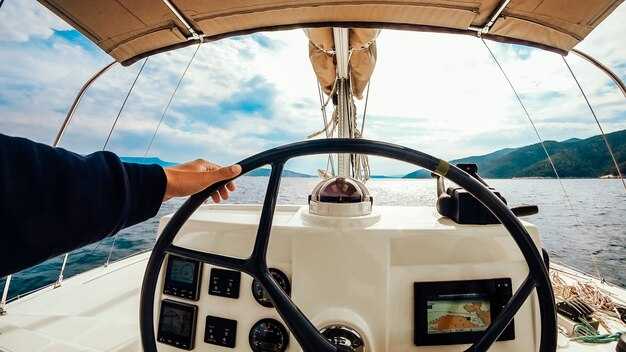
Обирайте центральну консоль для найкращого співвідношення ціни та можливостей кастомізації; подвійна консоль ідеальна, коли вам потрібен захист для пасажирів та організоване місце для зберігання. У більшості сценаріїв, CC забезпечує більше простору та простіший догляд, тоді як DC захищає команду та підтримує сімейні плани компонування. Правильний вибір залежить від ваших типових поїздок, кількості людей на борту та від того, як ви плануєте завантажувати обладнання. Цей баланс дозволяє налаштувати човен відповідно до вашої зони операцій та запасів, які ви очікуєте перевозити.
- Початкові витрати залежно від макету та обсягу
- Center Console (CC) 20–25 ft: typically $60,000–$140,000 with a basic power package; 26–30 ft: $150,000–$350,000; 30–40 ft: $300,000–$800,000 depending on hull, engines, and trim level.
- Dual Console (DC): додає приблизно 5000–20 000 до порівнянних CC конфігурацій; більші моделі з преміальними обробками та закритими кабінами можуть збільшити цей проміжок до 30 000–60 000.
- Довгострокова цінність та володіння
- CC моделі зазвичай мають вищий попит на перепродаж серед ентузіастів завдяки своїм характеристикам для плавання у відкритому морі та гнучкості відкритої палуби; DC моделі, як правило, зберігають свою вартість завдяки сімейним покупцям, які віддають перевагу захисту та сидінням. Вартість обслуговування залежить від обладнання та вибору двигуна, а електронне обладнання призводить до деяких значних щорічних збільшень.
- Сплануйте щорічний бюджет на обслуговування приблизно 1–2% від ціни човна для регулярного обслуговування, плюс квартальні витрати на матеріали, такі як фільтри, масла та запасні частини для електроніки та насосів.
- Варіанти налаштування та типові витрати
- Розташування та сидіння: регульовані спинки, лаунж зони в носовій частині, лавки в кормовій частині або знімні сидіння; очікуйте ціну від 2k до 15k в залежності від тканини, фурнітури та кріплення.
- Захист та огородження: жорсткий верх або повне огородження (захист від погодних умов, зберігання вудок та конфіденційність); 8k–50k залежно від розміру та матеріалу.
- Електронний пакет: багатофункціональні дисплеї, радар, автопілот, VHF та модернізація антени; від 3 тис. до 50 тис. доларів США та більше – для високоякісних систем.
- Риболовечальне та сховищне обладнання: додаткові стійки для вудлищ, живі ящики, ізольовані коробки, зберігання охолоджувачів та ящики для риби; 1k–25k залежно від місткості та матеріалів.
- Підвищення потужності та продуктивності: варіанти двигунів, док-станція джойстика та модифікації двигуна; від 20 тис. до 200 тис. залежно від потужності та бренду.
- Завершення, комфорт та догляд: покращення оббивки, нековзні поверхні, освітлення та організація під палубою; 1k–8k.