


 Українська
  English (UK)
  Русский
  العربية
  日本語
日本語  한국어
한국어  Magyar
  Türkçe
  Español
  Čeština
  Svenska
  Português
  Ελληνικά
  Suomi
Suomi  Nederlands
  Română
  Italiano
  Français
  Polski
  Deutsch
  简体中文
简体中文  Slovenčina
  Buster’s Fuel-Saving Tips for Boating – Boost Efficiency">

Start with a concrete move: operate with a proper propeller that is sized to the boat and trim to keep the hull on a clean plane at the smallest practical speed. Properly applied, this approach yields immediate gains in driving efficiency across waters, setting a solid baseline for performance with minimal risk to safety.
Adopt actionable targets based on hull behavior: hold RPM in the middle of the torque curve, typically around 1,800–2,400 RPM on mid-size planing boats. In this range, many vessels run at 20–40 litres per hour under moderate load, compared with 60–80 litres at maximum throttle, avoiding consuming extra energy on longer trips.
Power management matters: a generator sized to cover essential systems without running flat-out reduces engine load during heavy use. An amplified energy demand on a breezy day can push fuel burn higher, so an upgrade to a compact, efficient generator size designed to handle typical loads yields meaningful drops in litres consumed on longer voyages.
Route discipline remains essential: choose destinations with smaller hops, leaving margin in case weather changes. A proactive crew adjusts driving style, keeps loads balanced, and ensures systems stay within designed operating envelopes, which translates into more consistent performing across hours on water. Keep the cabin cool with proper ventilation to maintain alertness and smooth operating tempo.
Keep a measured eye on reserves: log litres consumed per leg, compare with forecast, and adjust gear, trim, and loads on next trip. With the right upgrade in mind, boaters can reach more destinations with a cooler head, practicing deliberate, data-driven changes rather than reactive shifts.
Buster’s Fuel-Saving Tips for Boating
Keeping hull clean and prop clear improves economy by reducing drag. Inspect clogged intakes and fouling around appendages; even a single clog can double drag, shrinking range. A no-cost rinse after each trip removes salt, weed, and grime that gradually clog performance. A strong hull integrity supports all these steps. everything matters when aiming to maximize range.
Maintain steady driving speed in the engine’s sweet spot; target a load around 60–75% of max, avoiding peaks and valleys. This approach helps reduce drag and provides measurable saving; the difference could be 10–25% depending on hull, load, and prop. It could be larger with proper prop matching. The engine itself runs more smoothly when kept in the sweet spot.
Weight distribution changes the planing dynamics; put the heaviest gear low and near the centerline to keep the bottom of hull flat. Use trim tabs to reach smoother attitude; reduce nose-up or nose-down tendencies. When crew shifts, adjust gradually to maintain that smooth, stable ride. Keep the stern down gradually to improve stability. This will ease handling and deliver better trim.
Regular inspections of intake, filters, and prop blades prevent performance losses; replace clogged filters promptly; this step helps reduce drag and can drastically cut fuel burn.
Bottom line: routine checks and adjustments provide saving. A single change, like trimming the bow or lightening the load, could yield large gains. finnberg notes that a disciplined routine gradually compounds, offering double advantages once the crew settles into a steady pattern.
Boost Fuel Economy with Modern Fuel Management Systems
Install a modern fuel-management system that offers real-time feedback and precise metering. Pair it with a well-maintained engine, clean fuel-path, and calibrated injectors; run diagnostics to reset learned trims and verify oil quality against the owner’s manual.
Use the guide to compare different operating modes between idle, cruise, and effort, then log data after each voyage to quantify fuel burn. Each outing becomes a data point; often, small adjustments double the gains, significantly improving efficiency when climate shifts and hull drag changes.
During trailering, trim, weight, and prop selection influence real-world consumption; keep hulls clean, remove unnecessary gear, and use smaller, lighter loads on the second waves whenever possible. Real-time readouts help you navigate different sea states, feel how changes affect speed and burn rate; tune until you notice a significant improvement.
Avoid harmful additives; if you choose additives, select only manufacturer-approved products, and avoid oils that conflict with the system’s sensors. Maintaining correct oil viscosities and changing intervals keeps injectors and sensors precise, reducing wrong readings and wasted energy. Times between checks shrink as the system learns your typical pattern, while readings over time become more reliable.
Final tip: maintain records to measure impact; the final path to significantly lower run-time fuel burn lies in precise mapping, extensive experience, and a steady routine on different trips. By staying maintained and using real-time data, you’ll feel improvements during rough seas, when you navigate longer legs, and while cruising in waves.
Select a modern fuel management system for boats: must-have features and compatibility
discover a system with real-time engine data, GPS, and NMEA 2000 networking to dramatically reduce motion and drag, while providing a proper plan to monitor burn, range, and maintenance needs; identify operations that run inefficiently and adjust throttle and angling to push results.
Boaters can push a focused, month-long test to discover real gains without large upfront costs.
Must-have features and compatibility checks cover these elements:
- Data scope and type: real-time fuel flow, engine RPM, speed over water, trim/motion, and drag indicators; a type-agnostic design covers many vessels, including smaller craft and angling boats.
- Compatibility and integration: native support for NMEA 2000, CAN bus, engine ECUs, GPS, and chartplotter inputs; covers a broad spectrum of vessel builds and layouts, whether gentle cruising or aggressive pursuit craft.
- User interface and data presentation: dashboards with customizable tabs, real-time gauges, and clean graphs; ensures easy navigation on mobile devices and tablet mounts, reducing cognitive load among deck monitors.
- Data export and planning: export to CSV/JSON, local storage plus cloud sync; addition of planning metrics and cash-payback indicators; supports month-by-month tracking of how changes push down burn and costs.
- ROI indicators and testing: requires a 1-month trial on a single boat to measure tangible benefits, including reduced drag, less fuel waste, and smoother handling; ensures the system indicates merit before broader adoption.
Actionable steps to validate a choice include mapping typical routes, angling days, and routine maintenance; track live metrics, then compare to prior baselines; if results are clear, push to install on the fleet. The addition of a well-documented plan helps quantify benefits and payback, supporting cash flow and month-to-month planning.
Install and wire sensors: placement tips and power considerations
Install a compact sensor suite onboard with a direct power feed from a dedicated fuse block, using high-quality shielded harnesses and short runs to minimize noise. Tie the supply to the main 12 V DC bus, and pull data through a separate, isolated channel when possible. Opt for the least loop area in routing to cut noise further.
Placement targets cabin and engine-compartment corridors, with in-line mounting on the main fuel line for flow sensors and on the battery bank for voltage/current sensors. Position temperature probes to avoid radiant heat from exhaust and direct sunlight; mount pressure sensors in vibration-resistant housings and use synthetic probes where metal contact is undesirable. Ensure multiple sensors share a common ground with minimal loop area. Each mounting decision reflects careful thought. Add more sensors if your system grows.
Power planning: provide a direct, fused feed to sensors, kept separate from high-current loads; use a weatherproof junction box and inline fuses placed within sight. This approach aids reducing thermal burn and electrical noise. Use thicker gauge cabling to minimize voltage drop, and maintain a schedule of calibration checks so data stays aligned. If youre planning coastal voyages, consider a redundant supply path to prevent data gaps.
During operation, insights from multiple data streams drive reducing fuel-saving momentum penalties. Maintain an onboard log of readings, set checks to flag drift, and push a lasting improvement cycle by updating firmware and replacing aged sensors as quality declines. Include an upgrade plan with a schedule, select high-quality hardware, and manage synthetic components to extend overall longevity.
Calibrate readings: set baselines and verify accuracy at common speeds
Set baselines by capturing three measured readings during calm-water runs: idle, light-load cruise, and steady planing. In a 2–3 minute window per condition, log GPS speed and engine data at these RPM ranges: idle 600–900 rpm; light cruise 1200–1800 rpm; planing cruise 2500–3000 rpm. This creates sets you can compare across days and traffic conditions on the dock or in cabin notes. Keep trim and ballast constant to ensure consistency.
Verify accuracy at each speed by cross-checking GPS speed and indicated engine data. If a mismatch exceeds 1–2 knots, recalibrate within the same window; avoid push for relying on a single metric. When hull load changes–errands, passengers, gear–repeat the test. Use boatus guidance or a maritime reference to correct for prop slip. These checks save time and reduce guesswork at sea.
Make it easy to reuse readings by creating level baselines from the three speed sets. Attach values to a simple chart or spreadsheet; use the same window and conditions each session to ensure greater accuracy. Mastering the habit yields less variance, easing decisions toward better fuel planning and maintenance.
Logbook and quick checks: cabin desk, ready before starts; keep a no-cost log in the cabin or on the boat’s dash. When you confirm baselines, replacements of sensors or gauges should be noted, and recalibration scheduled. This practice reduces time on the water by preventing stale readings and helps you push toward greater consistency.
Sometimes you will see activity from traffic, wind, or currents; calibrations help you maintain readiness as conditions shift. Learn from each voyage, thank the crew, and keep the baseline chart updated to reflect new gear or trips. This disciplined approach scales from small boats to powerboats and maritime adventures alike.
Estimate ROI: calculate payback from fuel savings and system cost
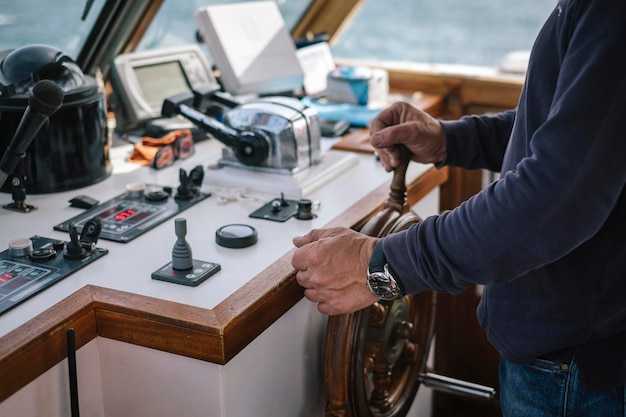
Break-even check: upfront cost divided by annual fuel savings yields payback in years. If the result is under three years on typical trips, proceed; otherwise refine the kit or usage plan.
Define cost lines: hardware, installation, wiring, and integration with existing gauges. Keep a single budget that reflects potential discounts, shipping, and taxes to keep the estimate cost-effective and reliable.
Estimate baseline burn and reduction: measure gallons per hour at varying throttle settings and load levels, then apply a realistic reduction percentage to compute dollars saved during each trip. Multiply by the number of trips in a season to get annual savings, adjusting for fuel price changes there and then.
Example inputs help keep decisions concrete: note the waterline clearance, temperature stability, and throttle response during checks; quality hardware tends to perform consistently and reduce hassle rather than adding risk. During errands or longer cruises, data tends to stay reliable, making the calculation easier and more comfortable for boaters who prefer steady results.
Juusti scenarios show how ROI shifts with usage: longer trips and steady load lift annual savings, while short hops with low speed cut the gain. Learn to model both ends of the spectrum so results stay informative across seasons and conditions.
Guidelines keep results comparable: document system cost, expected savings, maintenance spend, and assumed fuel price. Kept records enable easy reviews each season and help you adjust expectations as levels change through time.
| Input | Value | Примітки |
|---|---|---|
| System cost (installed) | $2,400 | Hardware + module + install |
| Estimated annual fuel savings | $320 | Baseline burn × 15% reduction; adjust by trips |
| Estimated annual maintenance | $50 | Filters, sensors, routine checks |
| Net annual savings | $270 | |
| Simple payback | ~8.9 years | System cost / net savings |
| ROI | ~11% annually | (net savings / cost) × 100 |
Sensitivity: if trips extend or fuel price rises, simple payback can shorten to 6–7 years, boosting cash benefits and ease of budgeting for boaters seeking steady, cost-effective gains there in daily margins.
Maintain reliability: routine checks to prevent sensor drift and downtime
Run a quick sensor health check before each trip: verify calibration, clean connections, and confirm readings align with actual conditions in the waters. This brief check will help you detect drift early and reduce downtime. If readings diverge, youll recalibrate quickly and inspect cabling.
-
Electrical connections and grounds
-
Inspect battery terminals; clean corrosion; verify grounds are tight. Proper grounding reduces noise; even small corrosion weighs on signal stability.
-
Wipe connector pins clean, reseat plugs, and apply dielectric grease to combat moisture in vibration-prone areas.
-
-
Calibration and drift management
-
Compare tach, coolant temp, and oil pressure readings against service manual specs. If readings diverge beyond minimal thresholds, recalibrate per manufacturer procedure. A proactive approach helps maintain high performance.
-
Record any drift pattern; if you notice consistent bias, schedule a full sensor diagnostic.
-
-
Cleaning and corrosion control
-
Clean sensor housings, connectors, and throttle body with a non-residue cleaner; ensure dry time before reconnecting. minimal tools required: a small screwdriver, brush, and cleaning spray.
-
Check seals and gaskets; replace if swelling or cracking appears, preventing ingress that worsens drift.
-
-
Throttle and motion check
-
Inspect throttle linkage for smooth motion; verify throttle input matches TPS data; any binding or lag signals wrong readings that could affect trim and fuel delivery during accelerating phases.
-
Operate at idle, mid-range, and full throttle to confirm linear response; note any lag that could occur during a surge.
-
-
Environmental mounting integrity
-
Examine sensor mounts for cracks or detachment; re-tighten clamps after rough seas; ensure mounting does not transmit excessive vibration to sensors in motion.
-
Inspect wiring routing for abrasion; secure loose cables to prevent contact that could trigger false readings in high-G turns.
-
-
Documentation and scheduling
-
Maintain a log with date, time, ambient conditions, readings, actions taken, and next check date. Recording time helps learn trends and guide maintenance intervals, reducing downtime potentially.
-
Set proactive reminders; after each trip review what drift appeared and what corrective steps were applied, ensuring youll stay prepared for the next voyage.
-
thank you