


 Українська
  English (UK)
  Русский
  العربية
  日本語
日本語  한국어
한국어  Magyar
  Türkçe
  Español
  Čeština
  Svenska
  Português
  Ελληνικά
  Suomi
Suomi  Nederlands
  Română
  Italiano
  Français
  Polski
  Deutsch
  简体中文
简体中文  Slovenčina
  Катання на човні з немовлятами – важливі поради щодо безпеки для безпечного дня на воді">

The best way to start is this: secure a properly fitted infant life jacket before you cast off. This isn't about perfection; it's about safety, preparation, and calm routines that keep them comfortable. Remember, this approach protects every moment on board.
'Tween sun, wind and waves, outline a simple routine that uses cushions for seating to reduce jolts. Keep a shaded area in the cabin and avoid hard edges where tiny limbs can catch. Clever placement minimises wake and keeps them settled.
essentials to bring include a spare change of clothes, a sun shield, a hat, sun cream, and a first-aid kit. Pack items in labelled bags for quick access between tasks.
Young families should keep infants within arm's reach and use a secure seating option in the cabin when the boat moves.. They should be held when you move about, and a quiet time below deck helps comfort. Over time, this builds trust..
Heat protection matters: use shade, limit sun exposure, hydrate, and keep the cabin cool. A small fan can help, but avoid hot surfaces. Also, try to spend as much time as possible in the shade and rotate tasks to reduce strain on caregivers. Remember to check for signs of overheating in babies.
Additionally, check cushions, strap down gear, and lead by example: wear life jackets, supervise constantly, and encourage others to follow safety practices. Lead with calm, clear commands.
Though waves can feel calm, overboard risk remains; always keep a close eye on what they do, and plan what to do if someone slips. 'Ave a quick rule: never leave a child unattended on deck. Little reminders prevent big slips..
Also, if a toddler is aboard, seat them with cushions and ensure the harness seats stay between your knees and the bench. A secure spot reduces shifting on choppy water. Use soft padding to cushion every seat.
Finally, practice a quick drill on how to respond if the wind shifts or you need to stop the boat; this builds confidence and reduces stress for everyone. What you practise becomes automatic when you need it..
Boating with Infants: Key Safety Tips for a Safe Day on the Water; Parental Prep and Sanity
Pack a dedicated nappy bag with nappies, wipes, changing mat, spare clothes, sun cream, hat, and a compact first-aid kit; keep it within arm’s reach on the boat and check it before every trip. If you forget anything, rely on your printed checklist or phone note to stay on track.
Here's a practical starter checklist for day trips.
- Lifejackets: Use Coast Guard-approved infant lifejackets sized for their weight; ensure a secure fit with chest and leg straps; keep it on whenever the infant is on boat areas near railings; test fit on land first.
- Safe spaces and seating: Designate a shaded, non-slip area on the boat; use a car seat or portable play pen when possible; strap the infant in and avoid elevated spots; stay close for reassurance; never leave them unattended near rails or on slippery surfaces.
- Sun protection: Use shade, light clothing, hat, and SPF sunscreen approved for infants when age guidelines allow; keep a bottle of water or cooling spray handy; monitor wind and spray and move to shelter if needed.
- Feeding and hydration: Plan feeds to prevent discomfort; bring bottles or formula in a sealed container; offer small sips after every 30–60 minutes of motion; monitor nappy changes to assess hydration.
- Sickness and seasickness: Monitor for signs like fussiness or pallor; if you see symptoms, pause activities and move to a calmer area; ensure fresh air and avoid strong odours.
- Downtime and routine: Build times for quiet rest; babies need times to nap; maintain a predictable routine to reduce stress; use a soft toy or lullaby to help them stay quiet and settle.
- Responsibilities and communication: Assign a clear responsibility to your partner or helper: one person watches the baby, others handle gear; use simple signals or a quick shout to get attention; keep a card with emergency numbers in the nappy bag. Also, learn your baby’s cues for hunger, sleep and discomfort to stay responsive.
- Clothes and temperature: Layer clothing for changes in temperature; bring an extra set of clothes per day; pack a warm blanket for dawn or evening; check above deck sun and wind to adjust quickly.
- Dehydration prevention: Offer small sips and monitor nappies; on hot days schedule water breaks every 15–20 minutes for the first hours; keep a water bottle accessible; use shade and fans to stay cool.
- Fishing and activities: If you fish, secure gear away from the infant; avoid lines near the child; keep boats with quiet zones; involve older siblings with age-appropriate tasks to stay engaged.
- Nappy and safety routine: Establish a simple nappy changing area on the boat; check for leaks and odours; use a portable changing mat and practise good hand hygiene before and after changes.
- Backup plan and weather: Check forecast; know when to call it a day and return to shore; keep a charged phone and a plan to manoeuvre to a sheltered area if weather worsens.
- Protection and rules: Review local safety requirements for boats with infants; keep a safety checklist on hand; ensure everyone around the infant follows basic safety rules to reduce risk.
Practical steps for a safe, calm day on the water with an infant
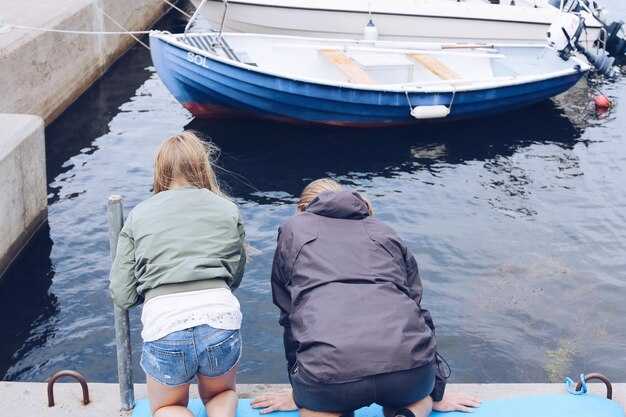
Before departure, set up a shaded, dry, quiet area on the vessel, with sturdy seating on the deck that keeps the infant within sight of the parent. Also keep a small bag with nappies and wipes nearby.
Ideal mornings offer calmer starts; depart when seas are smoother, and keep trips short to gauge how they react.
Outfit the baby and newborns in clothes of layers, and wear a snug, properly fastened life jacket whenever you are on deck. Ensure the life jacket fits snugly and that they can breathe freely.
Assign supervision to a parent with eyes on the child at all times, and keep the infant in a secured area above deck or in the cabin, so they stay within reach.
Plan feeding times and snacks during calmer stretches; for newborns and infants, prep bottles or breastmilk in a portable cool box, and offer small, regular feeds when awake. Also note part of the rhythm is not overfeeding at once.
Limit vessel movement by keeping speed gentle, avoiding abrupt turns, and directing the infant to a stable seat or carrier; keeping the ride smoother helps, and if the ride feels difficult, slow the pace and secure any loose items.
Monitor sun exposure and weather: shade, hats, sun cream, and protective clothing; nearby yachts may pass, but keep them shaded and covered. Also switch to dry clothes if damp.
Keep a portable first-aid kit, a spare change of clothes, and a quiet, accessible cabin for naps; know signs of fatigue and use the cabin for quiet moments or after meals.
If seasick signs appear, head to the cabin to rest, offer water, and reduce motion by settling into calmer waters or returning to harbour early.
Gear Check: Pre-trip checklist, storage, and quick-access items
Do a pre-trip gear check 30 minutes before leaving the dock and designate a calm, dry spot on the vessel for quick-access items. Verify that all infant and child life jackets are U.S. Coast Guard-approved and fit snugly; for toddlers, choose adjustable straps and a proper crotch strap. Attach jackets to a tether so they’re reachable during movement, and assign supervision to ensure gear stays in place throughout the trip.
Build a concise pre-trip list for these trips: child-sized life jackets for everybody, spare clothes (layers for warm and cool moments), nappies and wipes, sun cream, hats, a compact first-aid kit, and travel-sickness remedies if recommended by your paediatrician. Know where you keep these items to avoid searching during departure, and keep a small back-up bag ready for a quick swap when a nappy or sippy cup is used.
Storage on deck matters: store gear in waterproof dry bags or labelled bins and place them within arm’s reach of the helm. Put a dedicated dry bag for infants’ items near the cockpit, with nappies, wipes, change of clothes, and a spare bottle or cup. Secure all bins and straps so nothing shifts if waves roll into the cockpit.
Quick-access items should live in a single, easily reachable kit: sun cream, a hat and light clothes for heat, a small toy for play to calm infants or toddlers, a snack or bottle, a couple of fresh wipes, a compact change of clothes, a whistle or signalling device, and a compact first-aid item. Keep this kit in a waist-level pocket or a dedicated tote so you can grab it in seconds, supporting calm duty and safety while boating with kids. These items help make the trip comfortable and protect everyone, whether you were planning a short run or a longer trip soon.
Life Jacket Fit: Selection, sizing, and proper usage for infants
Choose an infant life jacket that fits snugly from the moment you buckle it, with adjustable shoulder straps, a secure waist strap, and a crotch strap to prevent riding up. The chin should stay clear and the head should tilt back naturally when the infant is afloat. Check the weight range on the tag – most infant models cover 8–30 lb / 3.6–13.6 kg – and verify it carries a recognised safety approval. Ask what safety approvals the jacket carries. For on-water use, prioritise jackets with a crotch strap and a grab-handle on the back for quick rescue.
Selection favours Type II near-shore life jackets for infants on boats, as they stay on more reliably than vests intended for older children. Avoid relying on a life jacket without proper straps; a loose model cannot be counted on if waves rise or if the boat lurches. On a charter or during family trips, choose a model with a secure crotch strap and easy-to-use buckles, so caregivers can fasten quickly in the morning rush.
Sizing and fit must be tested with the infant present. Put the jacket on dry, fasten all straps, and tuck the crotch strap between the legs. Hold the infant upright by the armpits and gently lift. A good fit shows no more than two fingers of slack under the shoulder straps, and the jacket should not shift when you tilt the head back. If you cannot achieve that snug feel, try a different size or model and seek help from a fitting specialist. These fit checks apply to infants as well.
On the boat, keep supervision constant and move the jacket to the correct position before every motion. Put the infant in the jacket before boarding and never rely on the jacket alone to keep them afloat during rough water. It should hold even during sudden movements. In an emergency, know how to adjust quickly: loosen or re-tighten straps as needed and have a plan to get the child into a secure, stable position in the stern or shaded area. Encourage calm handling of the infant, maintain a quiet environment and practise drills in shallow water on fairly calm mornings.
Practical tips for outings: bring nappies, a few snacks, and sun protection. Keep water and drinks handy for caretakers to prevent dehydration in older children and to avoid downtime caused by hunger. For fishing trips or family charters, set a short, predictable routine, check the fit again after nappy changes, and always have a second adult watch the infant. If the weather shifts or the infant fusses, pause, adjust the jacket, and move to sheltered water until you regain control of the situation.
Sun Safety and Hydration: Shade, sun cream, hats, and fluids
Shade first: designate a shaded zone on deck and keep newborns and babies under 6 months fully out of direct sun; dress them in UPF 50+ clothing and wide-brim hats, and pack lightweight jackets for cool mornings; this age should skip sun cream, and shade and protective layering help reduce UV exposure, creating downtime in safe spots, whether you’re on a calm lake or a windy inlet.
For babies 6 months and older, apply broad-spectrum SPF 50+ sun cream to exposed skin, including face, ears, neck, and backs of hands; reapply every two hours or after swimming or sweating; plan shade between trips and stay out during peak times (10 a.m.–4 p.m.).
Hydration is key: offer fluids every 15 minutes in heat; for newborns and younger infants, continue breast milk or formula; toddlers can sip water or an electrolyte drink during longer trips; keep a spare bottle handy and monitor nappy output to gauge hydration; signs of dehydration include fewer wet nappies and dark urine.
Protective comfort: use cushions on seats to reduce heat transfer and provide a safe, shaded spot for naps; bring favourite toys to keep little ones engaged; encourage downtime and calm when the boat is moving; if sickness signs such as lethargy or pale lips appear, move to shade and offer liquids.
Planning tips: designate a routine for mornings and afternoons; pre-pack nappies, spare sunscreen for older infants, favourite blankets, and small snacks; these tips make everything easier on trips and keep safety in focus; encourage family members to take turns supervising shade duty so everyone stays safe.
Onboard Safety: Securing the infant, seating, and minimising motion risk
Before departure, designate the infant’s seat and secure a Coast Guard–approved lifejacket with a crotch strap; ensure a snug fit so the jacket stays in place as you move. That setup should stay stable whether you are underway or at idle, and it should be checked at every stop.
- Lifejacket and harness: Use an infant lifejacket with a crotch strap and a reliable grab handle; verify snug fit so it stays secure during motion; keep a spare jacket ready in case of growth or wet conditions.
- Seating and attachment: Fit a marine-rated seat or a dedicated, fixed seating area anchored to the deck; use a 5‑point harness or built-in restraints to keep the infant upright and comfortable; avoid loose cushions or blankets that can shift under way.
- Positioning and shade: Place the seat so the infant has shade and airflow; dress in breathable, marine-appropriate clothes and layer for temperature changes; ensure ample head support and avoid overheating.
- Motion risk management: Drive smoothly with gradual accelerations and decelerations; steer to minimise roll and maintain a steady heading; monitor for signs of sickness and switch to downtime in calm water if needed.
- Routine and feeds: parents should plan some downtime and naps during a trip; offer snacks or feeds during calmer phases and keep water within reach; remember to check the temperature and adjust clothing to stay comfortable.
- Operational readiness: designate a duty to watch the infant at all times; carry spare nappies and a compact sun shade; keep a calm demeanour to reduce stress for the young passenger.
Care Routines: Feeding, nappy changing, naps, and temperature monitoring
Feed on a fixed schedule every 2 to 3 hours when afloat. For bottle feeds, measure formula with clean water, dispense fresh feed for each session, and avoid warming in direct sunlight or microwave. Track the amount and duration of each feeding to detect any changes.
Nappy changes stay simple: change immediately after feeds or when nappy is soiled. Pack a kit with spare nappies, soft cloths for cleaning, barrier cream, and a small cloth to wipe hands. Clean with cloths and water to avoid irritation. Keep a log of changes to prevent discomfort.
Naps help rest and mood. Set a quiet, shaded area for naps. Lay the infant on their back on a firm surface; use a light blanket if needed; keep sleeping area clear of loose items.
Temperature monitoring: Keep cabin in a comfortable range. Use a digital thermometer to check body temp if the infant seems off (fever, poor feeding, fussiness). For a fever above 38°C (100.4°F) or if symptoms persist, contact a paediatrician.
| Aspect | Guidance | Примітки |
|---|---|---|
| Feeding | Offer every 2–3 hours; bottle or breast; log amount and duration | Batch up bottles beforehand; use fresh water; don't keep formula milk from a previous feed |
| Nappy changing | Change after feeds or when wet; use soft cloths for cleaning; apply barrier cream as needed | Pack spare nappies and cloths in the kit |
| Naps | Schedule short daytime rests; lie on your back in a shaded area | Keep area free of loose items; use a light sheet or blanket if needed |
| Temperature | Check with a digital thermometer; maintain cabin 21–24°C | If temperature is ≥38°C, seek medical advice |