


 Українська
  English (UK)
  Русский
  العربية
  日本語
日本語  한국어
한국어  Magyar
  Türkçe
  Español
  Čeština
  Svenska
  Português
  Ελληνικά
  Suomi
Suomi  Nederlands
  Română
  Italiano
  Français
  Polski
  Deutsch
  简体中文
简体中文  Slovenčina
 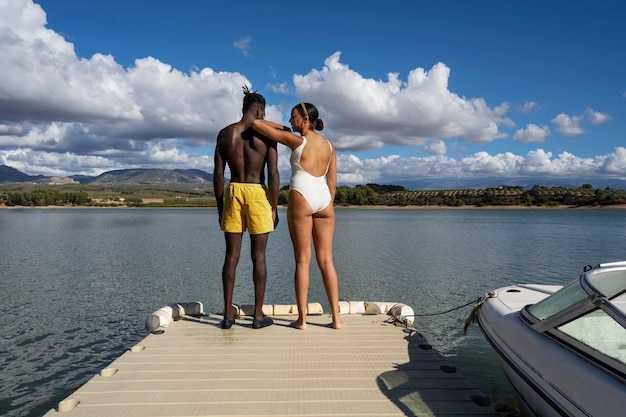 Boating Getaways – The Ultimate Socially Distanced Escape on the Water">

Rent a private vessel for weeks-long stays to keep gatherings intimate and movements controlled. Watching harbour lights from deck helps members stay engaged while avoiding crowds. Onboard practices reduce disease risk, and private itineraries limit exposure. This reason may suggest privacy-first travel options and safer pacing.
Having flexible plans allows you to adjust quickly; this form of travel keeps groups small, keeping those on board safe, and ensures adventure with privacy. Those who rent a vessel can vary itinerary across different days while keeping crew comfortable.
Adopt clear moving schedules: stagger meals, assign private cabins, and schedule deck time with distance. Facilities such as clean restrooms and outdoor showers should be used with dedicated limits. State guidelines should be followed, and members should keep to agreed practices to minimise risk. A good plan comes with guardrails, including checklists and emergency contacts.
To maximise lower-risk enjoyment, select a vessel with robust private amenities, allowing those aboard to stay focused on adventure rather than logistics. Those seeking different routes can mix sea states and anchor points, staying closer to support networks while staying within your budget. Hire options range from small catamarans to mid-size yachts; each form offers privacy and flexibility, with owners able to move between ports as needed. Possible combinations include weekend hops or longer loops, depending on weather and state regulations.
Best Social Distancing Holidays
Recommendation: Plan a 3–4 day river loop with private boats and a single, self-contained area, keeping groups small and targets clear: stick to your line and avoid the crowds. Book directly with local operators; have a flexible plan to adjust for weather and river levels, and make sure everyone stays within guidelines.
A health focus means increased precautions: choose itineraries where being distant from other boats is easy; stay in safe zones. Have on-board hygiene routines, plus contactless payments, and reserve restaurant meals in private cabins rather than crowded venues. If virus concerns rise, you can still enjoy quiet rivers and great views, both relaxing and safe, while cooking aboard.
Coordinate with local departments and guides to confirm capacity limits, restroom access and food-service rules. If you haven't used a crew before, a private captain can handle navigation so you can stay together and safe. Permits done through departments help ensure smooth check-ins. Route should be flexible, allowing adjustments for weather or river conditions.
On-water activities should be low-contact: a simple line up for paddle boards or kayaks can run in the same area, but keep groups modest and look to maintain distance. Bring a card game or plan shoreline hikes as a bonus to mix with boats. The scenery remains good, the air stays fresh, and distant horizons invite calm as you look back on this trip. This setup is made to minimise exposure while keeping groups close enough to share stories.
Plan process details: choose private cabins, schedule meals apart from diners, and keep a ready backup plan for cancellations. Pack extra masks for yourself and companions; rely on open-air dining whenever possible. This approach helps groups stay safe while river views stay vivid, and having this plan makes everyone comfortable with it.
Top water destinations with uncrowded anchorages
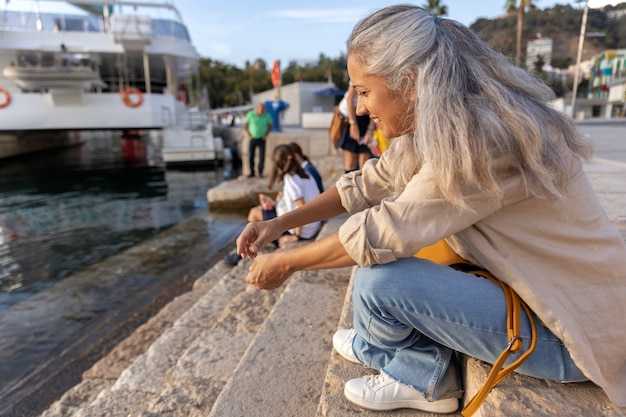
Recommendation: The Abaco Islands, Bahamas, offer calm anchorages around Hope Town, Man-O-War Cay, and Pelican Cays. Enjoy this peaceful atmosphere during off-peak months when crowds are light. Towns along the shore provide convenient contacts, fuel, and provisioning; small events at harbour parks let sailors mingle without crowds. Charter options abound through local operators, and there are always feasible bookable slots for weekend escapes.
Exumas Cays present another option, with Warderick Wells and Shroud Cay. This area offers shallow, safe moorings and excellent snorkelling among coral gardens. Charter options abound; contactless handover can be arranged via Boatsetter or local contacts. A protected park status helps maintain a peaceful pace, while mooring buoys and ranger facilities support easy stays. Nearby Norman’s Cay adds uncrowded spots with minimal traffic.
The Croatian Kornati archipelago provides variety on the Adriatic coast: numerous coves, clear waters, and protected anchorages suitable for charter fleets and private sailors. Visit Vis, Lastovo, or Korcula for a different atmosphere and tavern life; local contacts and small boatyards offer feasible provisioning. Boatsetter remains a flexible option for smooth handovers. Expect abundant fish near reef margins and park zones that encourage quiet exploration.
The Ionian Sea offers calmer nights around Paxos, Antipaxos, Meganissi, and Lefkada approaches. Anchor in sheltered bays near small towns; facilities and marina services allow relaxed evenings. A mix of charter boats–from mid-size cruisers to superyacht tenders–enable varied itineraries. For arrivals, contactless handover and simple hand-offs help keep safety; local markets host events in summer, adding atmosphere without crowds. This area will be important for families seeking solitude and simple itineraries.
Checklist: watercraft gear, safety and hygiene for off-peak trips
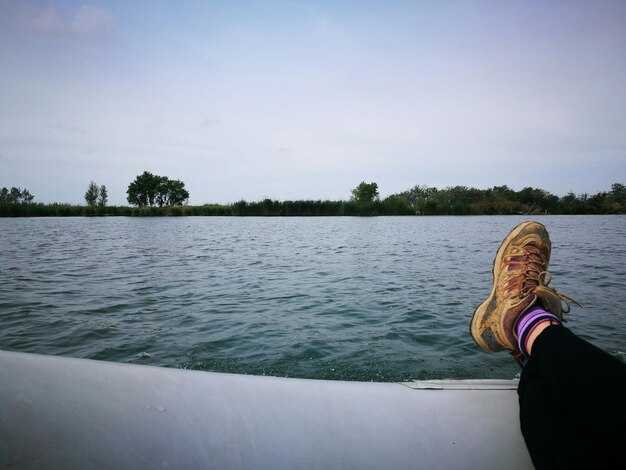
Pack a compact dry bag with essential gear before departure. Include PFDs for all, a whistle, a compact flashlight, a fire extinguisher, a basic first-aid kit, spare batteries, and a reliable multi-tool. Add a laminated reading card with emergency contacts.
Equip at least one extra throwable flotation device and a sound signalling kit; verify all safety items fit snugly on boats performing short hops between harbour areas. There, ensure all participants wear PFDs and keep flotation aids accessible at hand.
Hygiene plan: bring hand sanitiser, disinfecting wipes, masks if requested; designate crew duties for cleaning shared surfaces and compartments between stops. Keep a first aid card in this kit.
If disease rise is a concern at towns or on docks, which isn't rare off-peak, avoid close contact, sharing cups, or communal utensils aboard or ashore.
Forecast check: layer up, bring windcheater, waterproof footwear, sun hat, suncream; keep hydration bottles sealed and sanitised.
Plan options: short trips between waterfront towns, with rolling schedule; stay within limited miles and anchor near safe coves when possible.
Healthy meals onboard with non-perishable options; avoid raw foods; keep a spare cool bag to minimise trips to shore hotels or shops.
Look for survival gear: signalling, a mirror, whistle, torch, spare batteries; keep a first-aid reference within reach.
Crew briefings: assign roles, check intercom or hand signals, charter crew procedures, ensure rolling between stations remains safe and cooperative between passengers.
Hotel stopovers: plan minimal contact after docking, pick sensible routes, and respect local limits; this keeps risk low and comfort high for all aboard.
Reason to follow options: one safe trip is built on fewest touches, regular measures, and a mindset that puts yourself, others, and all those aboard first; look again at these guidelines next adventures, in case plans shift between towns.
Itinerary design: booking minimal-contact marinas and campsites
Start with minimal-contact bookings: online reservations, kerbside check-in, quayside supply pickup. Plan trips along cities with clean facilities and lifted restrictions to minimise onshore time; tracing helps keep queues short. Include marina options offering restaurant service with outdoor seating and park spaces to stretch your legs during crossings. Build plans around ideas featuring a variety of slip sizes, skills, driving routes, during daylight hours, and parking details, over several days.
While those ideas align, ensure plan includes options with socially-distanced layouts, additional resources, and consistent cleaning practices. Each stop should offer a safe pause, stop if needed, with minimal contact during refuelling and provisioning. Driving routes should be clear, with shorter legs between ports and daylight driving favoured. This isn't about luxury; it's about safety and consistency. There is increased attention to tracing movements, while still keeping schedules flexible for likely adjustments if restrictions shift. Use locations along coastlines and along cities; trips may feature marina nights and park campsites to expand variety. You can stop often if needed to rest and rehydrate. Dive into nearby markets for quick local tastings during stays.
| Criterion | What to do | Приклади |
| Booking flow | Online bookings, kerbside check-in, quayside provisioning | minimal-contact marinas |
| Facilities | Clean toilets, outdoor park spaces, restaurant with outdoor seating | Locations with open dining options |
| Safety practices | Tracing, increased cleaning, contactless payments | ports with clear signage |
| Logistics | Short driving legs, daylight hours, easy parking | cities along river routes |
| Trip design | Multiple trips, ideas for locations, additional rest stops | variety of marina types |
Vehicle choices: Campervan vs car for comfort and distance
RVs deliver great comfort for longer trips, minimising worry over lodging; the interior lets you cook, sleep, and clean in a single space, which helps mornings start smoothly. Class A/B/C motorhomes provide sleeping for 2–6, many with separate bathroom and small lounge; fuel economy ranges from 6 to 12 mpg depending on size, adding up on trips spanning islands and coastal landings. A car costs less upfront, returns higher mpg–25–35 mpg for saloons, 18–28 mpg for crossovers–and allows fast departures when morning timers demand speed. For members of a household planning trips, RVs reduce back-and-forth between land and water, while cars let you split into smaller groups for exploring through parks, islands, and destinations.
Distance planning matters: for frequent stops, a car reduces fatigue and keeps pace; if aiming to reach island destinations with flexible days, an RV delivers an independent schedule, which is perfect for flexible itineraries. To avoid the morning rush, groups can plan mornings with relaxed departures and landings at parks or islands, then switch to charters or yachts for floating legs. If you’ve got a household plan, onboard cleaning and cooking supports good routines, avoiding public dining during times of interest. A captain can coordinate charters or yachts at certain legs, offering new options after land reach.
Parking constraints matter: RVs need bigger spots; many parks allow RVs in designated zones; some require shuttle to shore, adding waiting times. For short hops, car fits into tighter spaces and delivers faster arrival at island entries or landings. In scenarios involving coastal charters or houseboat connections, having vehicle access supports morning plan and direct land transport between charters and yacht moorings. When exploring nearby bays, small boats offer flexible transfer options to islands or reefs.
Bottom line: for extended trips with private space and meals onboard, RV is perfect; for rapid hops between destinations with minimal footprint, car wins. Compare fuel costs per mile, parking availability, shore access at parks, and cleaning needs; that helps decide which route matches your times, destinations, and crew size. If you have both options, many households keep a flexible plan, using RVs for land-based legs and cars for day trips to islands or charters, with captain coordinating transfers through different modes. For land getaways that include golf or other activities, parking near clubs or parks keeps teams healthy and ready for morning play.
Packing list: must-have items for a low-contact trip
Rolling holdall, waterproof packs, clearly labelled modules minimise touch during voyages on rivers, lakes, coastlines. Approach suits country and state park routes; year-round use, including winter trips near shore.
- Clothing: quick-dry layers, fleece, rain shell, hat, socks; grip footwear; spare dry socks in waterproof pouch
- Hygiene and health: mask, sanitizer, disinfectant wipes, basic first-aid kit, personal meds in labeled bottle
- Safety gear: life jackets for all crews, whistle, flashlight, waterproof map case, spare batteries
- Navigation and documents: waterproof pouch with window for quick ID view; digital copies on phone; printed itinerary; emergency contacts; contactless check-ins option
- Water gear: PFDs; kayaking equipment: spray skirts, paddle, spare leash, kayaking gloves; dry bag for phones; boat-based gear
- Food and hydration: non-perishable meals, high-energy bars, electrolyte mix; hydration reservoir or bottles; compact stove with fuel; utensils
- Electronics and power: power bank, solar charger, waterproof phone case, multi-plug adapter
- Maintenance and packing: spare rope, duct tape, small repair kit, sealable bags for damp items
- Docking and activities: compact anchor kit, dock line; looking for activity options like paddling, shore walk; boat docking tips to minimize touch; keep little gear dry
- Documentation rules: digital park passes, rental or cruise protocols; offline maps; log for checks among crews
- Misc: compact towels, biodegradable soap, quick-dry cloths, reusable utensils, trash bags
Looking ahead, increased awareness prompts move between rental fleets or cruise legs with care; looking for land-based pauses at country routes, state park lands along rivers. Possible activities include kayaking, hiking, fishing; other groups may gather somewhere along riverbanks, rather than crowded stops, though limit on contact remains. Year by year, rules shift window; adapt packing with little added bulk.