


 Українська
  English (UK)
  Русский
  العربية
  日本語
日本語  한국어
한국어  Magyar
  Türkçe
  Español
  Čeština
  Svenska
  Português
  Ελληνικά
  Suomi
Suomi  Nederlands
  Română
  Italiano
  Français
  Polski
  Deutsch
  简体中文
简体中文  Slovenčina
 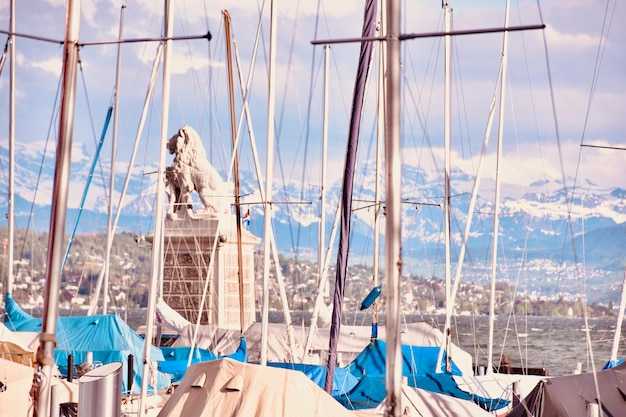 Best Sailing Destinations in Europe – Top Places to Explore">

First, start with a balanced loop from Montreux on Lake Geneva towards the Côte d’Azur for calm morning sails and shorter open-water hops. A well-chosen skipper can help you manage risks if you’re new to coastal routes. Choose one of 40–45 ft yachts with comfortable deck space; coordinate transfers from the airport to the marina, and rely on guides that cover tides, berthing rules, and safety for a complete, worry-free experience. Use booking platforms and look for free cancellation options where available. Plan the first leg along the Riviera to set the tone for your week.
Among Europe's top sailing routes are the Croatian Dalmatian coast with its string of lavender-scented islands, the Ligurian coast with villages such as Portofino and Cinque Terre, and the Ionian treasures of Greece. For a 7–10 day plan, target about 5–7 sailing days with 4 nights in villages like Hvar, Korčula, and Rab; anchor in protected coves near towns like Milna or Mlini; and blend island hops with shore adventures. Use trips to describe each leg, and watch booking windows to secure prime berths.
For a balanced itinerary, mix sunset sails with shore activities: wine-tasting in Istria’s villages, foot paths along cliffside towns, and sport sailing on a reliable forecast. Look for adventures on alpine-to-coast links and schedules for marina visits. Many operators offer free mooring days or guest slips, plus yachts with a skipper. Transfers from airport to marinas are common in multi-port packages.
Daily legs typically run 20–30 nautical miles, allowing 3–5 hours of sailing and a generous hour for lunch or a museum stop. The Ligurian route offers 18–25 nm hops between Camogli, Santa Margherita Ligure, and Portofino, while Croatian island hopping often uses 15–28 nm days with nights in Korčula Town or Mljet National Park. The best window runs from late May to early September, when sea state is gentle and winds average 12–18 knots in the afternoon. Build a flexible plan so you can swap days if a front rolls in.
These paths suit both adventure seekers and families. The complete plan includes transfers, a reliable set of guides, and a handful of anchorages with free or low-cost marina nights. Use links to compare booking options, and reserve a mix of in-port stays and coastal stops to maximise comfort and exposure to diverse villages and foot paths along the coast.
European Sailing Destinations: Practical Guide
Start with a three-leg route: Markermeer, the Bregenz area, and a Turquoise Coast segment in Europe. Plan the trip for the May-September season to catch favourable winds and reliable harbour slots, and lock in berths early if you're visiting popular ports.
To build confidence, practise handling in calm bays and shallow locks before longer hops. This route suits both a small crew and a larger one, with a large selection of sheltered harbours along Markermeer and the lakes near Bregenz. During the May-September window, you're likely to find better availability and more predictable winds.
Notable stretches include Switzerland's lakes and the Bregenz shore, where renowned cruises anchor near promenades. Some anchorages offer turquoise water and easy shore walks, ideal for a short trek after sunset. In this three-leg loop, you're able to mix sailing with quick land visits and local events that happen through May-September.
For logistics, select a compact set of ports with reliable fuel, water, and repair options. Train your crew on safe berthing and line handling, check wind and tide forecasts, and keep a simple safety plan. Use well-lit markers and keep a lightweight cruising plan with three options for every night.
Seasonal winds and best sailing windows
Book a May–June charter in the Balearics or the Aegean for steady thermals and comfortable seas. This window is ideal for beginner-friendly crews and makes long days at sea feel manageable, with time for walks ashore after sailing. This window works whether you sail with a large crew or a small one.
Across Europe’s coastlines, wind windows vary by season. In the Balearics, May–June or September bring light, dependable thermals that let you hop between calas with minimal fatigue. In the Aegean, meltemi winds rise from June to September, so plan May or September trips when breezes are milder. In the Adriatic, plan May–September for steady sea breezes and easy shore visits to historical towns. Northern Europe’s coasts offer cooler, steadier breezes and access to inland hikes in beech forests, with short tours ashore.
Those seeking a mix of sea days and land adventures can pair sailing with forests and ecosystem-rich inland options. Central Europe offers beech forests and guided walks that frame a voyage with nature. Glacier views in the Alps provide contrast to the sea, and boar sightings in protected woodlands add local charm. For those dreaming of Titicaca, pair a pre- or post-cruise land tour with your sailing; Disneys can inspire short shore excursions for younger crews.
Next steps: choose charters with flexible itineraries, align with wind windows, and confirm early bookings for popular routes. Build a plan that includes a mix of sea days, rests ashore in forests, and cultural tours to a spot or two along the coast. This approach helps crews and families alike, balancing time on deck with easy inland walks and short day legs.
7–14 day itineraries across Europe
Choose a 10-day loop centred on Garda, Bregenz, and Elba to balance lake sailing with island hopping along the Tyrrhenian coast, delivering sun-drenched anchorages and efficient planning.
Days 1–3: Garda shores offer sheltered coves, dotted marinas, and calm mornings; stay in Desenzano, Sirmione, or Lazise, then set a light pace for the leg towards Bregenz, with a chair-inspired inland lookout as a planning touch; this adds a natural complement.
Days 4–5: cross towards Bregenz on Lake Constance; anchor at Lindau or Bregenz harbour, enjoy natural scenery, and if the wind loosens, swap to a shorter hop; visitors can walk the shore promenades and catch local parties if they align.
Days 6–8: Elba greets you with sun-drenched coves, turquoise water, and easy snorkelling; port options include Portoferraio, Capo Sant’Andrea, and Porto Azzurro; from here you can take short cruises to nearby islands.
Days 9–12: from Elba, head to the Ligurian coast–La Spezia, Portovenere, and the Cinque Terre offer dotted towns, seafood markets, and cliff-backed trails; a few coastal cruises let you pace the days.
Days 13–14: return toward Garda by sea or land, with a final stop in a lake-town and a sunset over the water; this loop, called a balanced coast-hopping option for those who want variety.
Guidance and resources for planning focus on weather windows, crew size, and flexible legs; adjust from inland routes if winds pick up, and keep plenty of buffer for delays.
For a broader frame, Titicaca stories sometimes surface in planning notes as inspiration; the comparison helps visitors gauge lake scale and water conditions, while each stop offers fresh seafood and friendly locals.
These itineraries are suitable for anyone seeking variety: people who crave a mix of inland hills and sea days; visitors, couples, and groups will find balanced pacing and practical berths.
Final tip: plan ahead, book marinas early, check ferries between islands, and consider winter reductions in activity along northern lakes; this approach keeps things smooth.
Budget guide: marina fees, fuel, and provisioning
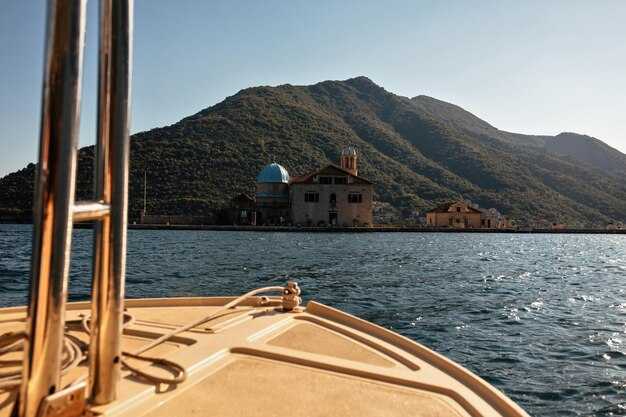
Recommendation: opt for Lefkada for budget-friendly berths (between £22 and £53 per night) and mainly stay in anchorages to minimise daily expenses; combine this with stocking up at local markets and dependable fuel docks, then compare choices on Google to find the best deal across different places.
Marina fees and where to stay
- Sardinia: typical marina berths run €40–90 per night for a 12–14m boat in shoulder season; peak weeks push to €100–180 in main ports. Discounts appear for 7+ night stays, but the centre of busy ports can hike prices. If you hop between estuaries along the coast, you’ll find cheaper options without sacrificing access to reliable services.
- Lefkas: budget slips commonly £22–53 per night; near the port side you might see £53–80 during high season. Many marinas offer power and water included in the rate, and several have friendly staff who can help arrange weekly slots, making it feasible to keep costs steady throughout a season. Lefkas also attracts boaters for quick hops through the Ionian coast, with world-class safety and facilities at a friendlier price point.
- General tips: book ahead for better rates, especially if you plan to stay in one location for several days. Look for locations with a strong centre and good bearings from key landmarks, so you can explore by bike or on foot between docks and markets.
Планування палива
- Prices: diesel typically £1.40–£1.85 per litre, petrol £1.45–£1.98 per litre in many European ports. Expect higher rates at prime marinas and lower rates at remote fuel docks or family-run harbours.
- Consumption: a 10–12 m sailboat motoring at 5 knots uses roughly 0.8–1.8 L per nautical mile; a day of mixed sailing and 1–2 hours of motor may burn 8–20 L. Plan a buffer of 20–40 L for safety, especially when winds are light or you’re crossing open water.
- Practical approach: fill diesel at a reliable location with open hours, then top up at a smaller estuary or harbour along the way to balance price and convenience. If you’re hopping between locations, map a fuel stop strategy that minimises waiting time without sacrificing safety.
Provisioning tips
- Markets and shops: Greek markets in Lefkas towns and Sardinian weekly markets offer fresh fruit, veg, bread, and seafood at better prices than tourist supermarkets. Plan two provisioning cycles per week to keep produce fresh and costs predictable.
- Weekly budget: for two on a rotating menu of simple meals, expect £100–£150 per person in Greece; in Sardinia, £130–£200 per person is common if you shop mostly locally and cook at the boat. Dining out occasionally doubles the food budget; reserve some funds for a few ‘heaven’ meals in port towns.
- Where to shop: focus on location-specific outlets near the centre of towns for best value. In many places, locals offer seasonal specials that are cheaper when you shop directly with farmers or fishermen (look for “stays” of fresh catch and seasonal produce).
- Storage and provisioning plan: buy staples in bulk at reliable markets, then supplement with fresh produce during weekly hops. If you’re anchored, you’ll save by buying longer-lasting items and using bike trips to markets rather than taxis or ride-sharing.
- Tips to keep costs down: skip high-end marina docks for long stretches, use anchorages or cheaper side slips, and provision at locations identified as cost-efficient through Google reviews or local recommendations. This approach helps you maintain a steady, predictable budget across several locations.
Practical route planning ideas
- Look for estuary and valley routes that offer sheltered waters and reliable winds, reducing the need to motor. The landscape along these waterways often provides natural protection and cheaper moorings closer to town centres.
- Consider a mix of short hops and longer hops to balance marina costs with travel time. A few longer hops through well‑served ports can save daily kerbside charges, while hopping between anchorages between centres keeps overall expenses down.
- For a smoother experience, map a loop that includes a world-class harbour side, a few quiet anchorages, and a couple of smaller ports. This rhythm supports cheaper stays, dependable fuel stops, and steady provisioning while still letting you enjoy the best locations along the coast.
Charter options for beginners: boat types and tips
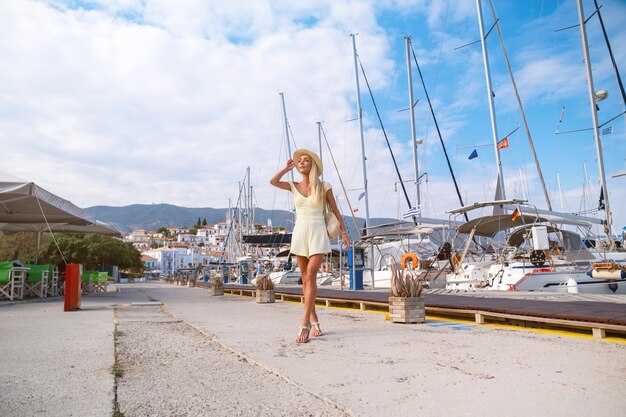
Begin with a versatile 4-6 berth catamaran or a compact 2-cabin monohull, ideally with a skipper included, for a week-long trial cruise. This setup delivers stable handling, wide deck space, and simpler sail management that helps newcomers gain confidence quickly.
Two key choices shape the learning curve: monohulls feel lively and affordable, while catamarans offer extra sleep space, a flatter motion, and easier docking. For total newbies, a crewed charter removes the need to handle sails and docking solo; check your bookings to confirm whether a captain is provided and what duties you’ll share.
Plan short hops along Europe’s best coastlines: Croatia’s Dalmatian coast from Split to Dubrovnik with stops at Hvar and Korčula; Greece’s Ionian or Saronic routes with protected bays; the Balearics around Mallorca and Menorca. Keep hops to 20-40 nautical miles and choose anchorages near calm coves, especially for sleep quality and safety. Each stop can be reached within a single day, keeping pacing relaxed, and such routes help you build confidence quickly.
Поради щодо безпеки та експлуатації відображаються в реальних результатах: проведіть інструктаж перед чартером, перевірте рятувальні жилети та VHF, а також знайте про вітри та припливи у вашому районі. Спочатку потренуйтеся причалювати в захищеній марині, а потім насолоджуйтесь видом на захід сонця з кокпіту, коли впевненість зростає. Використовуйте мережу місцевих операторів, щоб порівняти варіанти та вибрати маршрут, який відповідає вашому рівню та темпу.
Еко-орієнтовані мандрівники можуть плавати сталим чином, обираючи енергоефективні човни, підтримуючи м'який темп у захищених зонах та зменшуючи паруса, коли це необхідно. Коротші, гуманні маршрути дозволяють вам відчути ритм узбережжя і при цьому добре спати на борту або в марині. Добре структурована тижнева подорож тримає темп з відвідувачами в жвавих портах і залишає час для походи або екскурсії, яка відкриває парки, вежі та привабливі маленькі прибережні містечка.
Для планування подорожей, що виходять за межі звичних маршрутів, розгляньте напрямки, які розширюють досвід: Монтре пропонує смарагдову шир із Женевського озера та тихі берегові містечка з середньовічними вежами; ви можете повернутися з поєднанням водних розваг та земних відкриттів. Більш тривалий маршрут може навіть включати Перу, демонструючи, наскільки гнучкими можуть бути чартери, коли ви поєднуєте авіаперельоти з човнами. При бронюванні обирайте бронювання, які дозволяють гнучкі дати та розміри човнів, щоб ви могли адаптуватися в процесі навчання. Ви також можете додати Альта для одноденного походу до або після часу перебування на морі, щоб поєднати землю та воду.
Ліцензування, дозволи та місцеві правила плавання за країною
Перевірте ліцензії, дозволи та місцеві правила країну за країною, перш ніж відпливати. Майте при собі ICC (Міжнародний сертифікат компетентності) або ваш національний сертифікат, а також документи реєстрації судна, коли їх запитують. Для використання радіо зв'язку отримайте ліцензію на морську VHF радіостанцію, якщо це вимагається країною. Майте надрукований контрольний список та підтримуйте його в актуальному стані з офіційними джерелами морського судноплавства.
Франція: дозволи застосовуються в основному до силових суден; приватне вітрильне плавання, як правило, не потребує ліцензії, але для роботи бортового обладнання часто необхідна ліцензія на УКХ-радіо. Головні судноводії можуть вимагати підтвердження компетентності для певних маршрутів або подій, тому візьміть з собою сертифікат і будьте готові пред’явити його при вході в жваві порти.
Іспанія та Португалія: невеликі вітрильні човни зазвичай не потребують державного дозволу на керування, проте міжнародні подорожі можуть спровокувати визнання ICC. Моторні човни потребують дозволу, і чартерні фірми часто вимагають визнаний сертифікат від капітана. Перед прибережними перегонами, перевірте місцеві правила з Capitanía або autoridad marítima та узгодьте готовність EPIRB та рятувальні жилети з планом.
Італія: приватне плавання під типовими малими довжинами суден рідко потребує спеціального дозволу, тоді як моторні човни у багатьох випадках потребують patente nautica. На півночі Рів'я-дель-Гарда слугує центром для екскурсій і тренувань на озері, а внутрішні маршрути до Сібільліні пропонують пішохідні зв'язки між водою та пагорбами – переконайтеся, що ваша документація відповідає маршруту та умовам чартеру.
Хорватія: узбережжя в цілому приймає приватне вітрильне плавання для невеликих суден, з ICC, що широко визнається для міжнародних поїздок. Для більших або моторних суден зазвичай потрібна національна кваліфікація. Коли ви плануєте подорожі між островами або узбережжям, узгоджуйте з вашою чартерною компанією необхідні документи та засоби безпеки.
Словенія (Бохінь) та Швейцарія: Бохінь на внутрішньому озері регулюється для немоторизованих плавзасобів, а моторизованим суднам підпорядковуються правила кантону. На Адріатичному узбережжі, прихопіть сертифікат, якщо ви маєте намір орендувати човен окрім невеликих, немоторних суден. У Швейцарії судноплавство озерами часто вимагає реєстрації судна та, для моторних човнів, ліцензії; морська ліцензія VHF зазвичай потрібна, якщо ви маєте радіообладнання на борту. Берегові правила можуть змінюватися в залежності від сезону, тому перевіряйте органи кантону перед використанням падлборда або короткої подорожі на вітрилі.
Греція: приватне вітрильне плавання на багатьох невеликих прибережних човнах зазвичай не вимагає офіційного дозволу; ICC приймається для міжнародних чартерів. Будьте уважні до маршрутів, густо населених островами, у пік сезону та поважайте місцеві правила порту, особливо поблизу жвавих гаваней після настання темряви та під час регресивних перевірок безпеки.
Сполучене Королівство та Ірландія: рекреаційне вітрильне спорту зазвичай не вимагає формального дозволу, але деякі внутрішні та прибережні райони можуть мати певні обмеження; для чартеру оператори часто хочуть визнаний сертифікат. Майте при собі підтвердження компетентності, документи судна та страхування; використовуйте ліцензоване радіо, якщо ви плануєте зв’язок на борту та надзвичайні ситуації.
Північні та країни Бенілюксу: у Швеції та Данії приватні правила вітрильного спорту є лояльними для невеликих суден, однак для моторних човнів може знадобитися ліцензія. Нідерланди розрізняють внутрішні та морські правила, зі строгішими вимогами до суден з двигуном. У Норвегії та Ісландії перевіряйте цілорічні правила для жвавих фіордів та зовнішніх прибережних зон та плануйте часті перевірки погоди та рятувальне обладнання.
Практичні поради, щоб зробити подорожі плавними: перевіряйте сезонні обмеження навколо жвавих портів, шкіл вітрильного спорту та мальовничих баз, таких як Ріва або Бохінь. Поєднуйте прибережні переходи з велоспортом (велоспорт замінює їзду на велосипеді), щоб досліджувати зоряні вечори та лісисті берегові лінії після вітрильного спорту. Для озерних западин або захищених маршрутів розгляньте варіанти паддлбордингу у спокійні дні, коли вітер стихає. Коли ви плануєте багатонаціональний маршрут, створіть простий контрольний список, який включає статус ICC, потреби у ВГ-зв’язку, страхування, реєстрації та останні офіційні посилання на ваші порти залучення. Такий підхід допомагає забезпечити безпечні та приємні подорожі та тури різноманітними прибережними ландшафтами – від історичних міст вздовж стародавніх узбереж до сучасних марин, скупчених навколо розкиданих архіпелагів.