


 Українська
  English (UK)
  Русский
  العربية
  日本語
日本語  한국어
한국어  Magyar
  Türkçe
  Español
  Čeština
  Svenska
  Português
  Ελληνικά
  Suomi
Suomi  Nederlands
  Română
  Italiano
  Français
  Polski
  Deutsch
  简体中文
简体中文  Slovenčina
 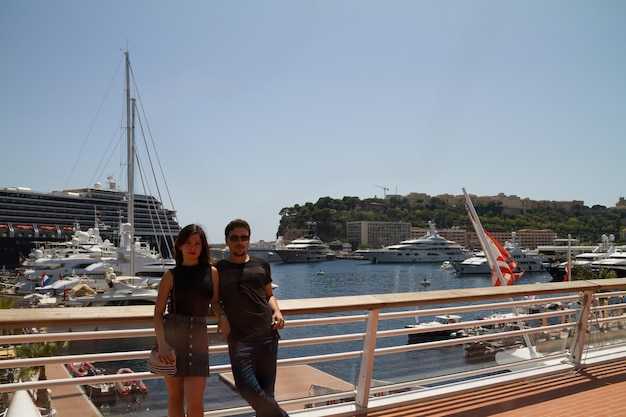 Best Places to Charter a Yacht Worldwide | Global Yacht Charter Guide">

Charter from Santorini as your first stop to anchor a global yacht itinerary. This setup gives functional access to reliable equipment, verified sailboats, and direct contact with trusted brokers. waves lap at volcanic shores, and you build familiarity with local routes and seasonal winds.
Next, compare brokers and fleets around the world. Familiar brokers offer transparent pricing, detailed equipment lists, and real-time calendars. Contact the operator early to confirm what’s included – liferafts, life jackets, communication gear, and spare parts – so you can plan with confidence. Thomas, a seasoned broker, notes that direct quotes and a single point of contact reduce back-and-forth and speed up decisions.
For variety, build a two- to four-stop itinerary that includes a capital leg, with Athens as an example, to provisioning hubs, followed by island hops around the Aegean or the Caribbean. Asinara offers offbeat anchorages and a quieter backdrop to test new equipment and crew performance.
Plan around the seasons and waves Again, use weather windows, check local regulations, and select sailboats whose teams familiar with the area can deliver a smooth experience. Include nearby ports for emergencies and re-provisioning, and set a flexible timetable to adapt to weather changes.
Arm yourself with a concise contact list, including brokers, operators, and charter offices. This approach lets you move from a rough outline to a concrete charter plan in days, not weeks, and keeps your options open for the next leg of the voyage.
Global Yacht Charter Guide
Recommendation: Charter a 7-day Tortola-based Caribbean loop aboard catamarans, prioritising protected harbours like Soper’s Hole, Road Town, and Norman Island for calm anchorages and steady sailing. This approach is advisable for first-timers, delivering wide decks, shallow draughts, and easy mooring in busy marinas.
On this route, plan snorkelling sessions near unspoilt reefs and observe the local flora in coves and mangrove channels. Each day includes a planned stop at a different harbour to avoid crowds and address needs like provisioning, fuel and shore excursions. Expect good weather in summer, with long daylight hours allowing more time at harbours and beaches. A typical 5–7 day loop accommodates most families and groups, balancing time on the water with beach afternoons.
Next, diversify your experience by exploring other standout regions: Antigua and Barbuda, the Grenadines, the Balearic Islands in the Mediterranean, and Thailand’s Andaman coast. Statistical snapshots show Caribbean and Mediterranean charters remain the most popular, while unspoiled destinations in Belize, Indonesia’s Raja Ampat, and the Maldives attract repeat subscribers seeking exceptional reefs and coral flora. Each area offers distinct locations and reef ecosystems, so plan for something new each season and tailor routes to seasonal conditions.
Next steps with brokers: work with licensed brokers who can provide multi-location quotes and verified safety records. Share needs such as crewed versus bareboat, guest count, preferred budget, and desired sailing pace to narrow options quickly. A subscriber to an editor’s weekly update gains access to next-available slots and editor picks, speeding up the booking process. Maintain a simple checklist for harbours, fuel stops, and provisioning, and keep your plan flexible to accommodate weather windows and port availability.
Tips to optimise your charter: choose catamarans for their stability and wide decks, especially for families or groups with varied activity levels. Prioritise routes that offer unspoiled seas, reefs, and approachable anchorage; this reduces long passages and makes each day more enjoyable. Verify insurance coverage and local regulations, and confirm harbour fees and mooring costs in advance. With careful planning, the experience becomes a good escape that meets both relaxation and exploration needs, delivering memorable moments across locations and harbours alike.
Best Places to Charter a Yacht Worldwide Global Yacht Charter Guide; – charter-frenchcanalsjpg
Begin in the Whitsundays, Australia, for a focused start with calm passage between turquoise bays, abundant wildlife, and natural scenery. Afternoon winds ease transitions between anchorages, and a comfortable sailboat gives you control without the crowd. The area offers dozens of marinas and anchorages, making provisioning simple and flexible. Open an account with a trusted broker to get a reliable quote and tailor itineraries that fit your crew’s pace.
-
Whitsundays, Australia – endless reef scenery, tree-lined coves, and easy hops between islands. Ideal for first-time charterers and families, with protected waters and a mix of large and smaller destinations. Winds typically hover around 12–22 knots in the afternoon, and you can sail between Hamilton Island, Airlie Beach, and the quieter coves with minimal long passages.
-
Caribbean hubs – British Virgin Islands, Antigua, and St. Barts offer countless anchorages and a variety of sailboat options. This region shines from November through April with steady 12–20 knot trades and clear, warm water. Crews appreciate the popular ports like Road Town and Jolly Harbour for provisioning and the quieter coves behind offshore reefs for wildlife viewing.
-
Mediterranean and Iberia – Mallorca, Ibiza, Sardinia, Corsica, and the Amalfi Coast form a dense map of destinations with a large fleet of boats and a strong marina network. In Spain's coastal towns, you’ll find straightforward port approaches, sheltered bays, and a broad choice of sailing routes. Expect light to moderate winds in May–October, with bolder conditions during peak summer in the Cyclades or Corsican passages.
-
Greek Islands and Adriatic routes – the Cyclades, Dodecanese, and Croatian towns provide a variety of daytime itineraries and easy day sails. Meltemi winds can show up in July–August, bringing 15–25 knot gusts; plan shorter transitions between islands and enjoy lunch on deck after a long afternoon sail. Most destinations feature both large ports and intimate harbours suitable for sailboats and crewed charters.
-
South Pacific and Indian Ocean – Fiji, Tahiti, and the Seychelles deliver remote beauty with abundant wildlife and coral gardens. In Fiji, trade winds around 10–20 knots let you cruise between outer islands and protected lagoons; Tahiti and the Society Islands offer timeless lagoons and a strong network of marinas and anchorages. The Seychelles present dramatic granite shores and sheltered approaches, ideal for longer itineraries across pristine natural landscapes.
-
Asia-Pacific outposts – Phuket, Langkawi, and Indonesia’s Raja Ampat region present a wider range of routes for serious sailors. These destinations reward careful planning with clear coral gardens, wrecks, and reef passages–great for divers and sailing enthusiasts alike.
Practical tips to optimise choosing and booking your voyage:
- Open a account with a broker who can provide a tailored list of destinations, quotes, and flexible terms.
- Consider both crewed and bareboat options to match your group’s sailing experience; families and first-timers often prefer a crew for safety and pacing.
- Balance popular routes with hidden harbours: in Spains coastlines and the Greek archipelago you’ll find innumerable options, from large ports to snug coves.
- Plan around afternoon winds for productive days and relaxed evenings; this helps with anchorage selection and sunset sails.
- Please provide the text you would like me to translate to UK English. technologies for weather updates, routing, and port information; Pillsbury-backed platforms often synthesise data for smoother itineraries.
- Enquire about local wildlife and environmental guidelines to protect natural habitats and ensure a respectful experience with wildlife.
- Enquire about itineraries that emphasise destinations with varied cultures, harbours, and shopping towns; a well-rounded plan avoids repetitive days and keeps voyages engaging.
Distinctive picks by region to inspire practical routing:
- Whitsundays – start here for a light, scenic cycle of sailing, snorkelling, and wildlife viewing; ideal for in-sound and reef-protected routes that feel intimate yet offer plenty of destinations.
- Британські Віргінські острови – sheltered bays, clear water, and straightforward navigation perfect for a relaxed itinerary with innumerable island options.
- Mallorca to Corsica – a Mediterranean spine with varied coastlines, cliff views, and easy port access, accommodating both large yachts and nimble sailing boats.
- Грецькі острови – a classic mix of culture, sailing history, and dramatic coastlines; plan staggered hops to manage winds and crowds.
- Fiji and Tahiti – remote lagoons, warm seas, and vibrant marine life; extended itineraries work well if you allocate a few days for inlets and coral gardens.
Whether you chase wildlife, blue-water sails, or cultural towns, this guide helps you map destinations with real-world details. The right mix of marinas, anchorages, and daily routes ensures you enjoy the best of sailing, вітрильний спорт culture, and memorable wildlife encounters on a single charter or across a short sequence of voyages. For a tailored plan, consult brokers who can pull together a balanced itinerary that fits your crew, budget, and preferred tempo.
Regional hotspots by season: Mediterranean, Caribbean, and Southeast Asia
For the next sailing season, start with the Mediterranean as your proper base: May and September bring steady winds, open moorings in key towns, and discount options that boost value. Enjoying the coast, savour Athens moments and smooth hops along the shores.
In the Mediterranean, the sweet window runs May–June and September–October, with 12–20 knot tradewinds and clear navigations in bright bays. Moorings stay available in places like Athens, Marseille, and Barcelona, and the inventory of yachts offers options from compact catamarans to sturdy monohulls.
The Caribbean season spans December through April, when trades reach 15–25 knots and nights stay calm. Clusters of ports form around Antigua, St Barts and Grenada; moorings fill early, yet discount options and flexible itineraries surface across the chain. Towns along the sailor route provide ready crews who know reefs, flora and anchor spots. The inventory includes catamarans and reliable monohulls.
Southeast Asia offers a monsoon split: the drier pockets run from November to March across many spots. Phuket, Langkawi, and Bali anchor this region, with Indian Ocean links for extended explorations. Expect lush flora onshore, welcoming towns, and moorings near coral reefs. The inventory of boats grows as the season moves, navigations between islands stay straightforward, and package options plus discounts appear for multi-week charters.
Know your needs and be ready to compare offers across regions. For contrast, Hawaii shows a different rhythm, but the three regions deliver strong options, with navigations you can master and a steady base for enjoying multiple itineraries.
| Region | Best Season | Key Ports & Tips |
|---|---|---|
| Середземномор'я | May–Jun; Sep–Oct | Athens, Marseille, Barcelona; moorings, inventory, discount options |
| Карибський басейн | Dec–Apr | Antigua, St Barts, Grenada; clusters of towns; ready options; flora spots |
| Південно-Східна Азія | Nov–Mar | Phuket, Langkawi, Bali; Indian Ocean links; navigations |
Iconic itineraries and practical routing for popular routes
Begin with a 7–9 day Caribbean loop anchored in St. Thomas, USVI, then sail to Virgin Gorda before continuing to Antigua and St. Barts, returning to St. Thomas. This configuration delivers consistent trade winds, plenty of sheltered harbours, and world-class anchorages that showcase sandy beaches and luxurious coves for holidays that start in the afternoon and unfold at your pace. The crown jewel of these routes is the balance between scenic coastlines and active harbours that sailors love to share, with plenty of options for provisioning and easy access to shore activities.
Detailed routing for the Caribbean loop: Day 1–2 St. Thomas → Virgin Gorda (25–35 nm, about 4–6 hours at a steady 8–9 knots). Dock at Leverick Bay or Bitter End for check-in formalities and a sunset sail. Day 3 Anegada (30–40 nm) for a sandy atoll experience and reef snorkelling; Day 4 Jost Van Dyke for beach-bars and anchorages; Day 5 Norman Island for sheltered docking and cave snorkelling; Day 6–7 return to St. Thomas with a midday stop at Sandy Cay for an afternoon swim and photos. If seas run calm, shorten days to keep the crew fresh and maximise vacations time. Sailors appreciate the gorda area’s protected waters and the variety of anchorages that keep weather delays to a minimum.
From Virgin Gorda, head towards Antigua and its protected harbours at Jolly Harbour or English Harbour; legs of roughly 65–85 nm keep daytime sails under 8 hours. Anchorage and dock options offer easy access to Nelson’s Dockyard stories, The Cove at Falmouth, and superb provisioning. On day 9–10, hop to St. Barts for a French-Caribbean vibe, then loop back to St. Thomas or continue to your next destination. This sequence balances navigation detail with relaxed pacing and ensures you are enjoying the voyage rather than rushing between harbours; January remains a favourable window for shorter hops if you want to maximise afternoons on deck.
European option: In the western Med, start in Mallorca’s Palma and stitch a loop through the Spanish coast by island-hopping to Ibiza and Menorca. Palma to Ibiza delivers iconic sunset anchorages in Cala Comptessa and the marina at Ibiza Town, with easy check-in and access to lively harbours. Next, a day sail to Menorca brings Cala Galdana and Mahón’s natural harbour into reach for a sandy beach afternoon and protected docking. If time allows, extend to Formentera or press on to Valencia or Barcelona to finish with a world-class dining scene. The route is best from May through October when daytime sea breezes hold steady and bays remain calm for long-range docking and flexible itineraries; in January, keep hops short and maximise sheltered harbours on the coast.
Thomas Island adds a standout stop for those chasing stellar stories from sailors. Located near the Grenadines, Thomas Island offers turquoise water, coral gardens, and simple docks that welcome yachts for a half-day or overnight getaway. Afternoon snorkelling here is prime, with no rush to leave, and it pairs well with a sunset deck dinner. This option fits the Caribbean loop when weather windows permit and can be integrated into the Anegada–Jost Van Dyke leg for a luxurious break that enriches your area knowledge and holiday memories.
Practical routing tips to maximise comfort and efficiency: map days around check-in windows and provisioning, pick days with moderate afternoon winds for smoother sails, and reserve a protected berth in each harbour in advance during peak season. Use a plan that keeps plenty of room for spontaneous dives, shore visits, and docking options at world-class harbours. Start and finish each leg with a shoreline walk, a quick snorkel, or a beachside bite to enrich the holidays with local stories and memorable moments.
Regulatory basics: licensing, permits and crew requirements
Start with flag-state licensing and the permits you need for the waters you plan to sail; this planning really keeps your route legal and your operational costs predictable, and it helps you arrange services and shore support with confidence. There is something else to track beyond licences: local environmental fees and park access rules.
Licensing and crew: The captain must hold a recognised licence suitable for commercial operations or an STCW certificate; crew members require valid safety and medical certificates, seafaring credentials, and any visa or work-permit requirements; ensure that all crew are ready before planning and choosing charters, as compliance starts with the crew. Assign them clear duties to prevent gaps during port calls. Keep the focus on safety and liability.
Documentation and equipment: Keep vessel papers, flag-state registration, class surveys, and proof of insurance; carry a current GMDSS radio licence, radio permits, and clear seaworthiness certificates; regularly inspect safety gear like liferafts, life jackets, and fire-fighting equipment; if your odyssey includes canals, verify that licences and permits cover canal transit; their upkeep is the technical baseline you must maintain for marina visits and canal transits.
Regional rules and Barbuda example: In the Caribbean, rules vary by jurisdiction; before selecting itineraries between marinas and anchorages, contact local authorities to confirm permit windows and park access where relevant; Barbuda may have specific requirements; those who love the sea know that planning experiences in small villages and quiet anchorages can be really rewarding, that's a key point for your odyssey.
Practical steps and timeline: For sailors planning a charter, begin by verifying licence validity, mapping permits for each stop, assembling a compliant crew, collecting documents, and coordinating with port agents and provisioning services; January trips can be busy, so secure permits early and confirm each requirement before you embark on the odyssey.
Cost breakdown: charter types, insurance, and budgets
Recommendation: Start with a seven-day Croatia island-hopping itinerary on a mid-range crewed yacht or a reliable bareboat to maximise value. This keeps daily rates reasonable while offering flexible routing and straightforward provisioning.
- Bareboat: you sail yourself; ideal for experienced skippers. Croatia rates: 300-600 EUR/day in May-June or September-October; 450-900 EUR/day in peak July-August. Weekly: about 2,100-6,300 EUR depending on size and season.
- Skippered charter: skipper included; adds 250-600 EUR/day over bareboat. Weekly: roughly 2,700-5,000 EUR for smaller yachts in Croatia.
- Crewed charter: skipper plus at least one crew member; weekly €4,000-15,000 for mid-size yachts; larger or luxury vessels go higher. Great for island hopping without provisioning chores.
- Luxury crewed: full service with chef and extra amenities; daily 1,000-2,500 EUR above base crew; weekly 15,000-60,000 EUR plus APA and taxes.
- Flotilla: multiple yachts travelling together; per-boat daily €600-€1,800 for midsize vessels; social events and guided routes included.
Insurance and protection: protect the yacht and the trip. Short-term charter policies cover hull, machinery, and third-party liability; add cancellation protection and medical evacuation as needed. Typical add-ons:
- Short-term insurance: £130-520 per week, based on yacht value and coverage level.
- Cancellation insurance: 0.5-2% of base charter price.
- APA (Advance Provisioning Allowance): commonly 15-30% of base price; used for provisioning, fuel, port fees, and taxes; confirms what is included in the base rate.
Budget planning: three practical scenarios for a seven-day Croatian itinerary:
- Value class, bareboat or skipper-assisted: base 2,100-4,500 EUR; provisioning 300-600; fuel 100-400; port dues 100-300; insurance 150-300; total 2,750-5,100 EUR.
- Mid-range crewed: base 5,500-12,000 EUR; provisioning 400-900; fuel 200-500; port dues 200-500; APA 1,000-3,000 EUR; insurance 200-500; total 7,000-16,000 EUR.
- Luxury or exclusive yacht: base 15,000-60,000 EUR; provisioning 600-1,500; fuel 500-1,200; port dues 400-1,000; APA 3,000-9,000; insurance 1,000-2,000; total 20,000-70,000 EUR or more.
Practical tips: first, define the route; second, confirm VAT, crew meals, and port fees inclusion; third, compare quotes via brokers; fourth, build a buffer for last-minute changes. If island-hopping along the south Adriatic, Croatia offers sheltered bays, forests along shorelines, and calm seas in many harbors, making logistics simpler for a first-time charter. Review next-season rates, and ask brokers about seasonal discounts; this can save a significant spend. Careful planning helps you and your crew create a memorable voyage without overspending.
Choosing a charter model: broker vs direct owner vs operator
Start with a broker to quickly compare options worldwide and lock in a fair discount on a wide range of yachts. Brokers cover the mediterranean, seychelles, and even lake charters, offering vessels from compact cruisers to larger yachts and helping you understand size, anchorages, and the best look at maintenance histories. They can arrange advance deposits and flexible payment terms, smoothing the planning for adventures seeking warm weather and memorable swims.
Brokers aggregate listings on websites and provide side-by-side comparisons, verified maintenance histories, and safety checks, so you can see the real condition and included services. They handle advance booking and coordinate contact with owners, operators, and crews, letting you map out the area you want to explore and the anchorages you prefer with a single contact.
Direct-owner charters can offer more flexible pricing and tailoring, with potential discounts for repeat bookings or longer stays. You’ll often negotiate inclusions and timeframes directly, but you must verify maintenance records, recent surveys, and insurance coverage to avoid surprises during the voyage. If you seek a highly customized schedule, a direct owner can be a strong fit, especially when you know the exact boat and crew you want to work with.
Operators provide turnkey experiences: crewed yachts, curated itineraries, provisioning, permits, and weather routing. With larger vessels and scheduled routes, they excel for groups seeking consistent pacing, reliable logistics, and on-board support, including maintenance oversight and 24/7 assistance. This model shines when you want a seamless adventure with set milestones, comfortable pace, and predictable timelines.
Look at the area and season to choose the model that fits your needs. In the mediterranean, peak months bring high demand and tighter anchorages, so a broker or operator can secure preferred slots and ensure timely maintenance checks. In the seychelles, longer passages and remote anchorages benefit from a trusted operator’s logistics. On a lake charter, options are more limited but the right broker can assemble a compact fleet with clear schedules and plenty of shore excursions. Consider how much control you want over schedule versus how much you value safety nets, insurance, and support during weather changes.
To decide, compare quotes and inclusions, ask for current maintenance logs, verify insurance terms, and request references. Look for clarity on what is included in the rate, such as crew, provisioning, and fuel, and ask how disputes are resolved. They should provide transparent terms, a clear contact point, and a realistic plan for anchorages, swim stops, and on-water adventures.
Seek a balanced approach: start with broker quotes to assess options and pricing, then speak with direct owners for customization and price terms, and finally consider an operator for end-to-end service on larger trips. They all serve a global market and can help you craft a memorable charter, whether you’re chasing larger yachts, quiet coves in remote areas, or easy access to plenty of water activities and adventures, all while keeping the process smooth and well coordinated.