


 Українська
  English (UK)
  Русский
  العربية
  日本語
日本語  한국어
한국어  Magyar
  Türkçe
  Español
  Čeština
  Svenska
  Português
  Ελληνικά
  Suomi
Suomi  Nederlands
  Română
  Italiano
  Français
  Polski
  Deutsch
  简体中文
简体中文  Slovenčina
 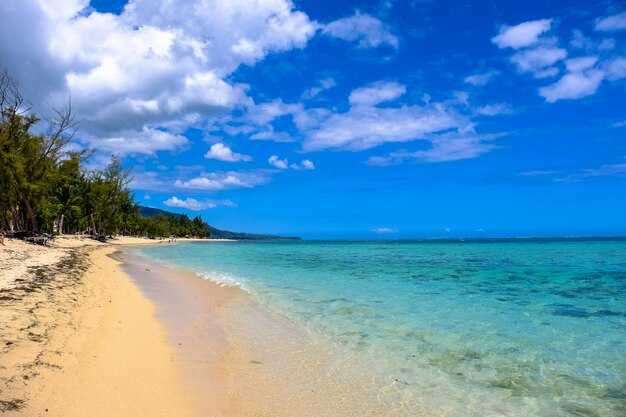 9 Incredible Beaches in St. Lucia for Epic Beach Bumming">

Start at a peaceful headland on the island's northwest coast at sunrise. The ocean shines, greenery glistens, and parking areas remain quiet there. This early start served as a base for a day that blends serene coves with spots where visitors and couples linger, chasing a simple, sun-drenched getaway.
Each of the nine shorelines offers a distinct vibe: palm-fringed bays, rocky inlets, and golden sands that appear along the base of lush greenery. One tiny cove named leg sits quietly where smugglers once used the coast as a hidden getaway. Local cuisine spreads along the edge: grilled fish, plantains, and fresh fruit, with restaurants serving meals that taste of the sea. Some stalls are known for what is served fresh in the evenings. The guide notes that some spots grow busier as the day warms, while others stay calm–ideal for couples seeking solitude.
Visitors planning a day trip will appreciate practical tips: check parking near access points, carry cash for local vendors, and savour the island’s fresh cuisine without rushing. These practical things visitors prioritise help shape your day. The nine locales form a guide that helps you map a loop from a base lodging to a sunset along the ocean, a compact itinerary suitable for these islands.
These nine coastline spots deliver a mix of quiet refuges and active scenes–calm swims, sports, and scenic trails–creating a getaway place you love. thing, whether that’s a secluded cove or new restaurants after a day on the sea.
Practical guide to exploring St Lucia’s beaches and Anse Cochon
Start with a calm, practical plan: take the coastal road toward Anse Cochon, park in the car park near the headland, and use on-site rental gear to explore shallow water and patch reefs straight away.
What to expect: first snorkelling sessions appear within minutes, with underwater coral gardens and a sandy bottom; the coastline lined with palm trees gives you natural shade.
Opt for tours that combine a short boat trip with a stop on land; board a vessel for a quick cruise along the shoreline, then head back to a restaurant on-site or at nearby resorts to refuel with cocktails.
Anse Cochon itself is calm and family-friendly; the first cove offers gentle swimming, while a coral shelf just offshore invites catching snorkellers’ attention; you’ll see fish, urchins, and a pigeon often perched in the trees.
Romantic options abound for couples: stroll the sands at sunset, step into a seaside bar for cocktails, or dine at a rustic restaurant with on-site seating and a view of the marina.
Gear tips: bring a small board for shallow-water play, a waterproof bag for valuables, and a rental mask or fins; avoid stepping on coral and watch for catching currents.
How to pick a spot: choose a stretch lined by coconut trees, with calm water and minimal boat noise; if you want livelier action, pick the busier section along the coastline near resorts.
Practical transport note: from the main road you’ll find a handful of taxis and occasional tours; if you want a day-long rhythm, arrange a half- or full-day tour that includes a stop at Anse Cochon and a nearby lagoon marina.
Anse Cochon Beach: How to access from Soufrière and find parking
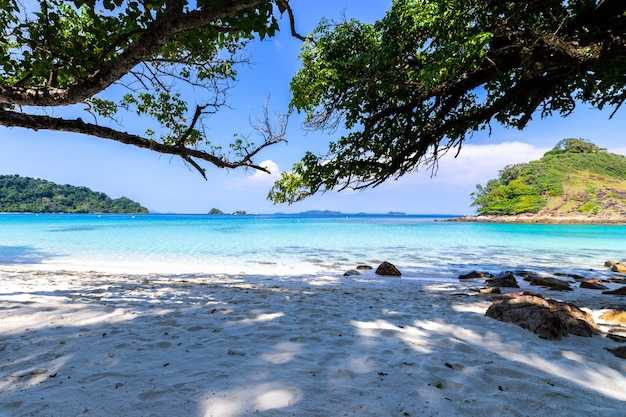
From Soufrière, take the coastal route towards the base and park in the small car park beside the road; then stroll the short path beneath the palms to reach the sands. A small charge applies at the gate, tips welcome.
Access details: the area behind the stalls is quiet in the afternoon; follow the signs to the trail that ends at the water, then reach the water’s edge. Parking sits beneath a canopy near the base, and locals occasionally note a light charge. If you miss the posted times, ask a nearby vendor.
Arguably the easiest route from Soufrière is to take a taxi or hire car and arrive before mid-morning; staying later yields a longer getaway, with a chance to soak up sun, watch marine life, and chat with local guides.
These surroundings offer attractions beyond the shore: pubs along the road, scattered ruins on the hillside, and ancient springs where cool water feeds the stream beneath the cliffs. Stretches along the coast offer quiet vantage points, and nearby signs mention a saint and local lore.
To maximise the experience, plan a late afternoon visit, reach the lot early to avoid crowds, and get tips from locals on the best vantage points toward the smugglers cove and eels in the shallows.
If a cruise ship anchors offshore, stay mindful of tugboats and flight paths, then step onto the sands for a quiet base-side stroll with family, a search for shells, and time to soak longer.
Anse Cochon Beach: Snorkelling spots and what you’ll see
Grab gear directly on-site, then take a shallow glide along the cove’s edge. Check maps at the dock to pick a starting point; save energy by staying in calm zones near the shore. These waters stay clear in the morning, ideal to help first-timers and couples exploring together.
- Near-shore coral garden – Nestled just off the sand, this shallow patch sits 1–4 m deep. You’ll glimpse brain and pillar corals, sea fans, and a lively parade of parrotfish, surgeonfish, and occasional green sea turtles. Fruit-coloured sponges add colour; keep hands away from the reef as you glide.
- Outer reef ledge – A steep drop-off beyond the sandy bar; currents can be gentle to mild, suitable for exploring with a buddy. Expect schools of snappers, wrasse, groupers, and vibrant reef fish weaving around finger and table corals.
- Protected cove behind the rock outcrop – Calm, sheltered haven ideal for beginners and guests on a couples outing. Directly on-site gear enables quick setup, and yachting passengers offshore often watch from a distance, giving you space to float and observe.
- Rumoured smugglers’ crevice – Legends say smugglers once used this area; you’ll find crevices, sponges and possible anchor remnants. It’s a place to explore with care, avoiding touching anything historic or loose.
- Reef shelf near the sand – A shallow band where you’ll see fruit-coloured sponges, small eels, and occasionally nurse sharks. It’s also a good spot to practice slow breathing and enjoy water clarity.
There’s a simple takeaway: purchase minimal gear from the on-site shop if needed, then enjoy the underwater life while the beach cafés serve cold drinks and light snacks. Be mindful of passengers and boats; stay well clear of any yacht wakes, and respect nesting fish and protected coral. Start at the first patch, then explore the next spot as your confidence grows, always watching the surrounding water and reef structure.
Anse Cochon Beach: Best times to visit and crowd considerations
Arrive before 7:00 a.m. on weekdays during the dry season to enjoy powdery sand and calm water with almost no crowds.
Check tide charts and sunrise times; mid-morning, late afternoon, and after lunch tend to bring higher numbers of visitors, so plan accordingly.
Peak attendance happens on Fridays and public holidays when locals, roaming guides, and charter yachting crews populate the shore; the road along the coast becomes busiest and stalls line the path. That's peak time for many visitors.
To avoid crowds, target the shoulder months and early sessions; this keeps the crowd size manageable and the environment calmer, allowing everyone to roam freely and enjoy everything the locale offers. There are things to do along the shore, from snorkelling to short road-side strolls. That means there is something for every mood. Queues move easily when crowds are light.
Access is via the road from Soufrière; parking is limited but available near the public car park; in the Laborie locale, a handful of property owners operate small facilities for visitors.
Powdery sand, clear water and shallow reefs make snorkelling favourites among everyone; eels peek from rock crevices and a host of colourful fish adds to the show.
The hidden coves behind the shore reveal a plantation-era backdrop; having a local guide adds value, helps spot the best places, and explains the history along the way. Once the crowd thins later in the day, those coves feel almost private.
The advantage of an early start is you can bag the best spot near the reef without sharing space with crowds; activities include quiet swimming, short hikes, and coastal sports in calm conditions. Check weather and sea state before heading out, and bring water, snacks and reef-safe sun cream.
Anse Cochon Beach: Amenities, facilities and nearby dining
Plan an early visit to Anse Cochon to enjoy a peaceful, family-friendly morning with white sand and a calm side where children can play while parents relax in the shade under trees.
Amenities include a compact toilet block near the access path, a sheltered picnic area, and basic litter bins; walking paths let guests reach the water without stepping on rocky patches.
Nearby dining consists of a cluster of shops and stalls offering tasty bites; expect calabash cups and fruit juice, plus simple seafood options.
Relaxing atmosphere; a saintly calm settles over the cove, surrounded by palm trees and gentle surf, with a long white crescent that feels safe for children and families.
Plan your plans carefully to save headaches: check the tide and weather, head out at the peak morning hours, and head back before the sun climbs.
Property options are nearby, with guest houses and holiday rental units; guests can stroll the side paths for a quiet walking loop, then return to enjoy the calm sea.
During local expo weekends, small crafts stalls pop up along the road; seek out these spots for a quick shopping detour.
To make the most of your day, check a map on arrival, plan a short walking route, and remember to save time towards a relaxing dip and snack.
Nine-beach plan: a practical route to sample St Lucian shores
Stop 1: Reduit Beach, Gros Islet This excellent stretch sits outside the busy Rodney Bay hub, with golden sand, calm water, and palm shade coverage. Visiting couples and families enjoy a light day of play along the shore, followed by street-side bites. The thing that stands out here is its easy accessibility; St. Lucian favourites point to a quick first-stop with strong appeal for your itinerary.
Stop 2: Pigeon Island Cove, near Gros Islet This sheltered cove offers good snorkelling, bright fish, and a second option when crowds grow. The ruins of the fort invite everyone to read a bit of local history. Outside, birds wheel above the water; passengers from cruise ships visit in peak season, making this a busy but rewarding stage of the plan. The area is a core piece of the Caribbean coastline, helping you pace the route.
Stop 3: Marigot Bay Beach A rocky shoreline with a sheltered cove, favoured by travellers who want calmer waters and a picturesque backdrop. The second span of this route offers scenic cliffs, hillside hotels, and a few coves where you can read and relax. The area offers dining options; visitors from nearby resorts come here to engage in a quick water-skiing session if wind conditions permit, adding a tasty mix to your schedule.
Stop 4: Cas en Bas Beach A long stretch of sand framed by mangroves, ideal for a low-key walk, shell collecting and a dip outside the heat of mid-day. Locals call it a living area with easy access to small eateries along the street; this is a place where you can meet other travellers and read about island life. The calm water makes it ideal for beginner swimmers and couples who want time away from the buzz.
Stop 5: Anse Chastanet Beach Known for dramatic Pitons views and clear water, this spot is a magnet for snorkelers and sunset photographers. The area offers a mix of resorts, trails, and a vibrant coral garden just offshore; this slice of Caribbean scenery suits couples seeking romance in a dramatic setting.
Stop 6: Sugar Beach White sands, resort-backed shores, and superbly clear water with views towards the Pitons. This site is incredibly photogenic; accessing the sugar-white sand is easy when you’re in the Soufrière area. Carry a small bag; there are options for a quick snack or beverage near the service road. Visiting here gives everyone a sense of the Caribbean's luxury experience while staying connected with the rest of the island route.
Stop 7: Anse Cochon Beach A short ride from the Pitons trail, this black-sand shoreline is popular with snorkelers and divers; you’ll be sharing with boats and families on peak days. The coves here offer shade, which helps when the sun climbs high, and a quick swim pairs nicely with a local bite to eat.
Stop 8: Laborie Beach A quiet southern stop with historic charm and easy access to a hillside park. The area is a favourite among locals and visitors who want to see a different rhythm of life; you can walk the waterfront, sample street bites, and watch fishing boats slip in and out. It’s also a good place to visit ruins of an old plantation and to stroll the docks; this stretch is often less crowded, with a friendlier vibe for couples and groups alike.
Stop 9: Anse La Raye Beach The southern fishing village spot is less developed, with a long stretch of sand ideal for long walks, shell collecting, and a quick bite at street-side stalls. It’s a strong finale to nine stops, giving everyone a taste of the area’s local colour, from live music to island chatter; Lucias favourites among travellers choose this finish for its laid-back vibe and steady scenery.