


 Українська
  English (UK)
  Русский
  العربية
  日本語
日本語  한국어
한국어  Magyar
  Türkçe
  Español
  Čeština
  Svenska
  Português
  Ελληνικά
  Suomi
Suomi  Nederlands
  Română
  Italiano
  Français
  Polski
  Deutsch
  简体中文
简体中文  Slovenčina
 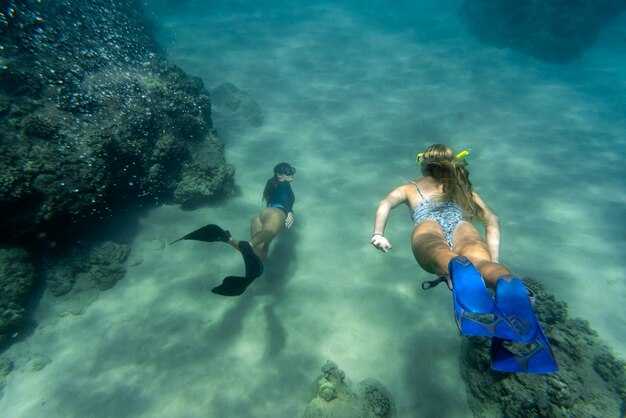 7 Best Scuba Diving Destinations in the USA">

The Florida Keys are the best starting point for year-round warmth, wrecks, and excellent scuba access. Even if Palau walls inspire many divers, you’ll find many approachable sites here. The reef system becomes a haven for enthusiasts, with varied shallow sites that welcome beginners and photographers alike. The backdrop is unforgettable, and you’ll regularly spot schools of snapper, parrotfish, and barracuda skimming over the tropical backdrop. Water temperature hovers around 24–29°C (75–85°F), and visibility commonly reaches 15–30m (50–100 ft).
The Channel Islands off Southern California offer dramatic walls and kelp forests that unfold through a rugged, varied landscape. A drysuit is often essential in cooler months, and rentals help keep trips affordable. Visibility ranges from 15–60 ft, water temperature typically 10–18°C (50–65°F), and the marine life includes sea bass, gopher rockfish, and several pelagic visitors. The area is a haven for macro life and schools of fish, and the combination of drama and accessibility makes it a must‑try for Bay Area or SoCal travellers. Also, the sites are known for unique photo opportunities at macro and wider angles.
Monterey Bay presents a unique contrast with cold, nutrient-rich waters and dramatic pelagic displays near the open shelf. The temperatures sit around 10–16°C (50–60°F), and visibility improves after upwelling events. Through kelp canopies and rocky reefs, a trek through the kelp forest adds a sense of exploration. The kelp beds feel like a mine of macro life, with tiny critters and nudibranchs hiding among the fronds. A drysuit is common in shoulder seasons, and local operators offer rentals for wetsuits or semi-drys, making it a superb choice for photographers who crave unforgettable landscapes and intimate encounters with schools of rockfish.
Hawaii delivers tropical warmth and a varied landscape of lava-rock reefs, offering excellent opportunities to encounter manta rays, turtles, and schools of pelagic fish. Temperature stays pleasant year-round, roughly 24–27°C. Many operators operate from Oahu, Maui, and the Big Island, also offering rentals and beginner-friendly programmes. The archipelago presents unique, dramatic underwater scenery that rivals many tropical destinations, and the experience is unforgettable for first-timers and seasoned explorers alike.
Catalina Island remains a popular and accessible option off Southern California, with unique swim-throughs, kelp beds, and colourful reef life. Water is cooler than Florida but warm enough for comfortable sessions in spring and summer, roughly 15–21°C (60–70°F). Expect a mix of wrecks, canyons, and schools of fish, and take advantage of shore entries or quick boat trips. It’s also a gateway for coastal weekend trips with rental gear readily available from multiple shops on Avalon and Two Harbors.
Puget Sound in Washington offers a different flavour, with rugged underwater topography, dramatic rock stacks, and a quiet winter mood. Water is cold year-round, around 7–13°C (45–55°F); a drysuit is the practical choice most months. Through the kelp and timber-buoyed wrecks, you’ll meet lingcod, rockfish, and octopus. Rentals are plentiful, and local guides simplify access to protected sites that are popular with local divers and visiting crews alike. When conditions permit, visibility and marine life can rise to memorable levels.
Cape Ann in Massachusetts adds a Northeast contrast, with windswept shores, strong currents, and a mix of wrecks and rock formations. Water can be bracing, with temperatures around 4–15°C seasonally, so a drysuit is common. Through late summer, visibility can reach 6–12 metres, and schools of pollock and flounder patrol the ledges. The area is also a magnet for photographers seeking dramatic light and coastal scenery, and rentals and guided trips help you plan a crisp weekend of exploration.
East Coast wrecks and reefs: best sites, access, and seasonal windows
Start with Islamorada’s wreck-reef cluster, especially Molasses Reef and the nearby Looe Key area, for a reliable first step with friendly currents, clear water, and easy access. The open harbour options and campground facilities along the Keys support a multi-day plan, making it simple to build a long weekend into an adventurous experience.
In these zones you’ll see shoals of snapper and grunts weaving through coral towers, with opportunities to push deeper to encounter life like sea turtles and reef sharks. The experience blends approachable routes with deeper patches, so you can tailor each outing to your comfort level while still feeling like a true explorer.
Some sites rest near the remains of a ship, offering dramatic photo opportunities and a tangible link to history. For travellers arriving from places like Oregon, the Atlantic coast presents a climate shift and different sea-state patterns, often yielding calmer conditions at midday in spring and a rich, life-filled environment that contrasts with the Pacific Northwest. Conservation-minded operators provide expertise and guidance to keep the reef life and wrecks healthy for years to come.
Top wreck sites and reefs to consider
Islamorada and the Keys offer suitable options, including Molasses Reef (depth roughly 20–40 feet) and Looe Key (30–60 feet). Expect vibrant life and schools of fish, with visibility frequently in the 50–100+ foot range in spring, and easy access from harbours around Key West and Islamorada. Guided outings provide safety briefings and ensure the experience remains respectful of conservation rules; you’ll find campground-style setups nearby for a comfortable stay and a chance to chase hidden wrecks nearby.
Queen Anne’s Revenge near Beaufort Inlet, North Carolina, presents a well-documented shipwreck with main hull depths around 20–40 feet. Spring and autumn typically offer milder seas and water temperatures around 21–27C, with summer bringing stronger currents in some channels. Licensed operators tailor plans with the right expertise to maximise your time while protecting the site as a conservation priority.
Monitor National Marine Sanctuary, off Virginia near Fort Monroe, features the Civil War ironclad Monitor and other hull remains. Depths range from 60 to 100+ feet, with late spring and early autumn providing the best balance of light winds and visibility. A permit or guided access is often required for landing; this setup emphasises safety and education alongside the life-rich experience.
Devil’s Teeth, a famous reef fringe in the Dry Tortugas area, delivers a unique, adventurous experience with shallow zones of 5–25 feet and deeper pockets where the current can surge. Getting there requires a ferry or seaplane from Key West, so plan a dedicated day or overnight to time travel and travel connections. Hidden channels and abundant life make every pass feel like a new exploration, and the local culture supports conservation and responsible access; they come back for this compelling mix of history, life, and landscape. The devils of current test your timing. Locals also note with a smile the phrase “bonne chance” to new crews, a light-hearted nod to good luck on a first outing.
Other notable options include wrecks near Cape Lookout and Cape Hatteras, where the water can be cooler and currents stronger. The Cape Lookout wrecks offer deeper zones and a lively mix of schools and predators, whilst the Key Largo/Carysfort Reef zone remains a benchmark for reef life and a stable open-water route with towering coral structures that invite close observation. These routes, run by local operators, provide essential safety instruction and conservation norms, ensuring you gain a deeper appreciation for the coast whilst respecting maritime heritage. They come back year after year because the combination of history, wildlife, and the supportive community around these sites keeps growing.
Florida Keys and South Florida: warm-water dives, coral life, and conditions
Book a guided scuba session with a Key Largo operator during the winter months for the best visibility, calmer seas, and comfortable water temperatures. Key Largo serves as the headquarters for many reputable outfits and provides gear rental, safety briefings, and easy access to reef and wreck sites within miles of shore, making this a reliable home base for a packed few days of underwater exploration. On-site gear is available to rent, and most outfits organise transfers to the best nearby sites each morning.
Seasonal patterns keep conditions predictable: water sits around 24–26°C (75–78°F) in winter and climbs to 27–29°C (80–85°F) in summer, with clarity often sharp after cold fronts. The Gulf Stream keeps temperatures mild and supports vibrant life along the ledges, while currents stay mild on shallow reefs and can intensify around deeper submerged wrecks, so plan multi-site itineraries.
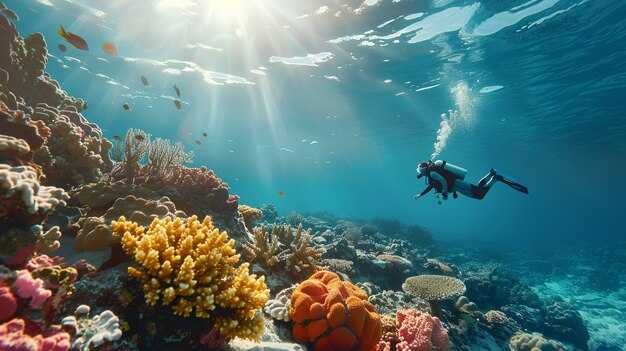
In the Keys, submerged landscapes unfold in a mosaic of hard corals like brain and elkhorn, plus soft corals and sponges that create ethereal light patterns as sunbeams filter to 50–100 feet. You’ll encounter schools of tropical fish, nurse sharks at some ledges, and rays patrolling sandy patches along the drop-offs, with sea turtles resting on reef edges. The life here draws adventurous travellers from states and worldwide alike, and its beauty offers a constant invitation to explore further.
Wreck sites near Key Largo add depth for experienced crews: the Spiegel Grove and several smaller ships rest in protected depths that accommodate longer submerged profiles; plan twin-set mornings or half-day trips to explore multiple submerged features. For shallower, beginner-friendly options, Molasses Reef and nearby reefs offer easy access at 20–40 feet, enabling steady photography and close encounters with juvenile angelfish and parrotfish. A sturdy gear carrier keeps equipment organised on deck, and many outfits offer multi-site itineraries to maximise time on water.
South Florida extends the adventure beyond the Keys, with Fort Lauderdale and Miami offering year-round opportunities to explore reef and wreck sites accessible from multiple ports. Winters bring calmer seas and reliable sun, while summer brings heat and daily showers that can spark brief, late-afternoon squalls; always check forecasts and plan around seasonal windows. The region attracts visitors from home states and worldwide, and Peter shares tips on choosing routes that shorten boat times and maximise marine life viewing. Peter notes that the best moments happen on calm mornings when the sea is resting and the light paints the reef in ethereal hues.
California coast: kelp forests, chilly waters, and iconic wrecks
Begin with a practical, beginner-friendly scuba session along the central or southern California coast to get comfortable with conditions and underwater rhythms.
Expect water temps from the mid-50s F (around 13°C) in winter to the upper 60s F (about 20°C) in summer. A 3–5 mm wetsuit is typical for late spring and early autumn, while a 5–7 mm suit plus gloves helps in winter. Morning outings often offer clearer visibility, making first encounters smoother.
The kelp forests create a canopy-like zone that shields small fish and invertebrates and forms a striking, underwater landscape. In sheltered coves, you’ll find gentle currents that are friendly for learning sessions and allow steady, relaxed movement along the coastline.
On rocky shelves and near bays, you’ll meet a mix of life cycles and behaviours. Expect octopus, schooling fish, and occasional jellyfish, plus a range of small species that thrive in the nooks and crevices. While exploring, keep an eye out for unusual colour pops and interesting textures along the substrate.
Iconic wrecks lie within reach of nearby operators off the southern coast and near Catalina Island. A shipwreck off Santa Barbara offers a shallow profile ideal for a first underwater outing, while deeper wrecks near Catalina extend opportunities for more seasoned participants.
Top spots for this coast (beginner-friendly options)
- Monterey Bay area – calm mornings, clear water, and shallow wrecks that suit first explorations. Expect visibility in the mid- to high-teens metres range and extensive kelp canopies along protected edges.
- Santa Barbara coast – accessible wrecks and sheltered bays. Plan for depths around 20–40 ft, with water typically near 12–16°C in late spring and 16–18°C in late summer.
- Catalina Island – favourable conditions for beginners, with accessible wrecks and cave-like zones that offer straightforward shelter for reef life.
- Dana Point and San Diego coast – short transfers from towns, moderate water temps, and abundant fish schools that create engaging, unhurried underwater sessions.
When you plan, choose operators that provide clear safety briefings, gear checks, and site-by-site orientation. They'll cover current conditions, entry and exit points, and depth targets aligned with your experience, helping you build confidence and enjoy each outing.
Hawaii: manta rays, lava tubes, and tropical clarity for planning trips
Plan a Kona manta ray night tour as the anchor of your Hawaii itinerary. Choose a licensed operator that follows wildlife-welfare guidelines and uses small, stable boats launching from Kailua-Kona Marina. Reserve 6–8 weeks ahead for winter-to-spring peak sightings, and consider a second night or two in Kona to lock in a calm window. Operators have offered manta experiences for years, and they maintain strict safety and wildlife guidelines.
Mantas gather in large numbers along the lava-reef shelf, gliding through plankton-rich currents with effortless grace. They can reach wingspans around 4–5 metres, and you’re likely to observe them within a few metres of the surface. Expect visibility in the 20–40 metres range on typical evenings, with extra-clear days pushing past 60 metres when conditions cooperate. Water temperature sits around 24–26°C year-round, so a light wetsuit or skin layer keeps you comfortable during the session. You’ll also see schools of tropical fish and vibrant corals as the night lights lure the reef awake, creating endless colour and motion through the water column.
Beyond mantas: lava tubes, shipwrecks, and practical planning
Lava tubes along the Big Island coast offer dramatic passages and rocky, statue-like lava walls. Some sites allow scuba through daylight-filled ceilings, and the glow from your torches highlights the textures carved by ancient flows. Expect kelp forests at mid-depths and thriving coral gardens where reef life thrives; the overall temperature remains stable enough for a comfortable outing across the seasons. Many tours depart near the marina area, delivering quick access to the first minutes of underwater exploration along volcanic rock faces that carry the scent of seawater.
Shipwrecks and man-made reefs invite additional exploration. Sunk vessels and artificial-reef installations attract diverse life, so you’ll observe fish weaving around hulls and metal frames while corals settle onto the structures. In these zones, you’ll find calm, brackish pockets in some cave entries, and you may encounter a few starfish or reef octopuses peeking from crevices. Most operators publish clear safety guidance, and you can hire quality gear on-site if you prefer not to bring your own kit. If you’ve visited Pennekamp in Florida, you’ll notice Hawaii offers a broader window of opportunities with fewer weather interruptions and the option to extend your trip across multiple ports on the same island chain.
Planning tips: check the forecast for the best few days of calm seas, book a certified operator, and budget for a couple of contiguous days to maximise chances of favourable conditions. Bring a light jacket for the early boat ride and pack a waterproof housing if you want to document mantas and lava-tube interiors. A concise plan already sets you up for memorable sightings and a clear sense of Hawaii’s maritime diversity, alive with colour, motion and a sense of endless exploration.
Gulf Coast: shipwrecks, reefs, and year-round underwater experiences
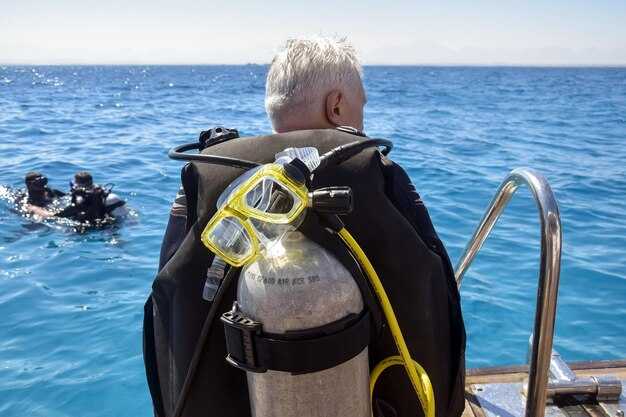
June offers warm water and calm seas along the Florida Panhandle and Alabama coast, making it ideal to start a season-long underwater experience. Hire a PADI-certified operator to access a mix of wrecks and reefs within short boat rides, and bring a full equipment setup for comfort in sun and spray. This approach helps you maximise your time on the water and reduces delays caused by unseen currents.
For photographers, this coastline presents unique subjects–from submerged hulls that whisper about century-old heritage to seahorses threading through seagrass beds. Peter, a longtime local guide, explains how the planters of the past shaped today’s underwater heritage, and how a single morning can deliver stunning compositions. The coastline also features mangrove forest margins and inland lakes that provide calm, practice-friendly environments when weather shifts, giving you a versatile training ground this season, this year, and beyond. If you’re comparing to Maui or Lauderdale, the Gulf Coast offers close-to-home adventures with accessible day trips and frequent encounters with pelagic life.
Top spots for offshore exploration
| Destination | Depth range (ft) | Visibility (ft) | Water temp (F/C) | Focus | Примітки |
|---|---|---|---|---|---|
| Destin / Florida Panhandle wrecks | 60–120 | 40–70 | 75–85°F / 24–29°C | Затонулі кораблі та рифи | Мрія фотографів; великі об’єкти для композиції та глибинного сприйняття; столітні корпуси пропонують драматичні лінії |
| Системи рифів Кліруотер/Сент-Піт | 20–70 | 40–80 | 72–85 F / 22–29 C | Рифи та підводні споруди | Мілководні ділянки, ідеальні для початківців та для тісних зустрічей з морськими коньками та стайняними рибами. |
| Mobile Bay / Gulf Shores (AL) | 40–110 | 40–70 | 60–75 F / 16–24 C | Історичні аварії | Спокійні умови навесні та восени; підходять для триваліших підводних сесій та дослідження залишків вантажів. |
| Grand Isle / Lafourche region (LA) | 60–110 | 50–70 | 60–75 F / 16–24 C | Морські уламки та рифи | Сезонна пелагічна активність; глибокі місця підходять для досвідчених дайверів, які прагнуть більшої глибини. |
Цей регіон підтримує потужну спільноту дайв-операторів, багато з яких пропонують екскурсії з гідом та оренду спорядження, щоб ви отримали максимум задоволення від кожного місця. Наземні тренування в озерах та поблизу високогірних внутрішніх районів допомагають вам розвинути навички плавучості та безпеки, завдяки чому дайвинг на цих затоках буде легшим як у спокійні, так і у складні дні.
Спорядження та поради щодо безпеки
Цей швидкий список допоможе вам підготуватися до підводних пригод на узбережжі Мексиканської затоки: обладнання, надійне джерело світла, камера або корпус для фотографів, і план з вашим інструктором, сертифікованим PADI. Плануйте сезонні зміни: гідрокостюм товщиною 3–5 мм добре підходить для весни та осені, а гідрокостюм товщиною 5–7 мм або додаткова ізоляція найкраще підходять для зими; рукавички рекомендовані, коли вода опускається нижче 15 C. Візьміть SMB/DSMB для сигналізації на поверхні та запасний комплект O-кільців для виконання звичайного обслуговування спорядження на місці. Внутрішні озера пропонують середовище з низьким тиском для практики плавучості, а мандрівники у високогір'ї помітять, як умови на рівні моря спрощують налаштування. Цей підхід дозволяє вам бути готовими, у безпеці та готовими зафіксувати затоплені моменти, які розповідають потужну історію дому та спадщини по всій об’єднаній державі.