


 Українська
  English (UK)
  Русский
  العربية
  日本語
日本語  한국어
한국어  Magyar
  Türkçe
  Español
  Čeština
  Svenska
  Português
  Ελληνικά
  Suomi
Suomi  Nederlands
  Română
  Italiano
  Français
  Polski
  Deutsch
  简体中文
简体中文  Slovenčina
 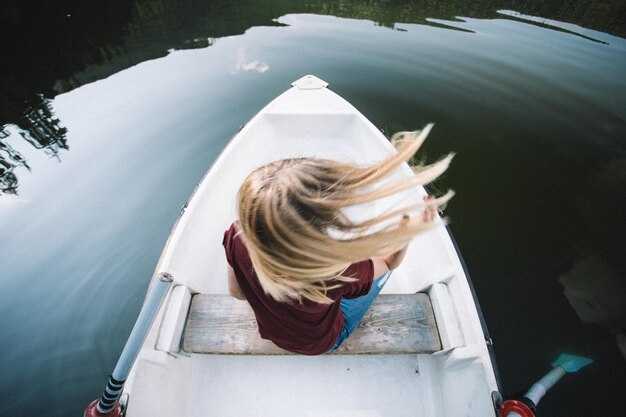 20 Reasons to Go Boating – Discover the Joy of Life on the Water">

Start with a tiny, 2-hour harbour loop to test needs and see calm On deck, beat stress.
Health gains come from steady sunlight, fresh air, and motion; a programme of 2–3 sessions monthly will contribute to better sleep, mood, and resilience.
Plan trips that accommodate needs: choose a family-friendly port with shaded decks, accessible toilets, and areas for kids to fish safely; target bays where currents are mild and areas nearby offer picnic opportunities.
Tailor experiences around young ones or guests; short voyages of 60–90 minutes allow each moment to be enjoyable. Offer a simple course for seating, snacks and safety gear so hosting duties stay manageable, with room to stretch legs or cast a line in fish-friendly zones.
Budgeting tip: estimate an amount for rental or fuel, then plan a party around that, keeping costs predictable and accessible. This simple approach helps families decide to commit regularly, with hosting duties rotating to share responsibilities.
Active boating activities build balance and joint health; frequent, calm sessions contribute to physical and mental wellbeing, whilst also boosting confidence for decision-making on future trips.
Invest in a basic safety course and fish-safe gear; this enhances readiness for conditions in open areas, helping families and guests feel secure as plans scale from tiny weekend trips to longer voyages.
Keep the momentum going by sharing simple hosting tips with friends; even a small get-together on deck can turn casual outings into a steady habit that supports health, connections, and enjoyable moments for every guest onboard.
Clear decision: list priorities before each voyage, including budget, guest needs and safety, so this activity stays enjoyable rather than stressful.
20 Reasons to Go Boating
1. Start with calm conditions; this keeps your mind clear and improves every manoeuvre.
2. Map areas with wide bays, sheltered shores, and predictable currents to reduce risk when docking.
3. Some trip plans focus on staying onboard for a short stretch; this reduces fatigue for beginners and families.
4. Discovering beauty along the shore promotes a mental reset; schedule brief stopovers for meals.
5. Keeping onboard equipment organised reduces delays at load points; carry items like PFDs, horn, torch.
6. Conditions vary; comparing forecast with actual wind, wave height and solar exposure helps choose windows with a light chop.
7. Prefer calmer mornings to windy afternoons; you’ll experience a smoother drive and a shorter learning curve.
8. Practise steering over broad stretches of water; a wide stretch area helps with safe turns.
9. Revitalised routines emerge after a day afloat with families; fresh air strengthens bonds.
10. Shade and seating, providing accessories like cool boxes, sun shades, anti-slip mats improve onboard experience.
11. Research marinas or shore access options before your trip; this can allow for better price comparisons for moorings, fuel and dock services.
12. Financial planning helps sustain this hobby; set a monthly budget for fuel, permits, and insurance.
13. Equipment upgrades like VHF radio, anchor, and life jacket boost safety.
14. Drift control strategies include choosing neutral speed, using currents to align towards shore, minimising wake.
15. Stretch goals, such as combining relaxing nature watching with fishing or sightseeing.
16. Shore-side observations through research or data apps improve planning; use reliable weather apps.
17. Access expensive gear via rental or club membership; this finance-friendly approach widens access to enjoyable outings.
18. Enhance learning with basic safety courses; keep your mind sharp and prepare for changing conditions.
19. Vary experiences by trying different areas such as bays, rivers, and lakes; this keeps activities fresh.
20. End trip with reflection, noting how revitalised mood carries into daily tasks; maintaining calm for future outings.
Discover the Joy of Life on the Water; Boating is an Engaging and Rewarding Activity
Start with a practical plan: book a short marina cruise aboard a well-equipped vessel to feel immediate benefits.
Relaxing moments let you soak in beauty as lounge space invites conversation or quiet reflection; spaciousness on deck enhances comfort and helps senses, eyes noticing subtle colour shifts and wind textures.
Check dock proximity and safe anchor setup, then review essential equipment plus hoisting routines for sails and rigging aboard; you can learn quick checks to prevent surprises.
Evidence from short getaways shows improved mental state, reduced stress, and a refreshed mood after a calm voyage; something lasting emerges with simple routines and consistent practice.
Whether you share a voyage with family, friends, or explore alone, a special outing on a vessel offers ideas for future trips and memorable moments for eyes to savour beauty.
Anchoring plan after appointing schedule, docking at marina at sunset amplifies enhanced mood; hoisting or adjusting sails when breeze allows makes mind calm, enhancing focus and feel of ultimate relaxation across senses.
Docking and securing your boat in calm water
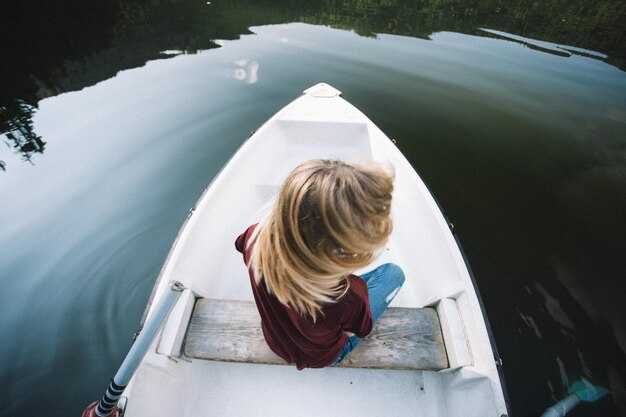
Begin with gear check: two fenders per side, bow line and stern line ready, two spring lines pre-rigged to midships cleats. Position lines so they can be slipped quickly during final approach. This prep yields friendly, predictable handling at dock. Results include total safety benefits for everyday marina docking, open to adjustments near buildings along land, a wonderful base for cruising night, onboard comfort advantages, and a calmer overall experience, and a variety of ways to adapt to slip width.
- Approach and positioning
Drive slowly, no more than 2 knots. Approach at 15–25° to dock, then pivot to align alongside. Keep crew onboard ready to assist, arms free, hands clear of lines. If wind shifts, adjust angle before final touch. Keep your back straight when handling lines to maintain control.
- Securing bow and stern
As bow touches, secure bow line to cleat on dock using a clove hitch or bowline. Then walk line to stern side and secure stern line with cleat hitch. Do not overtighten; ease when hull settles.
- Applying spring lines
Use spring lines from amidships or the bow to dock cleats to control fore and aft movement. Tie using a rolling hitch or taut-line hitch. Adjust the tension so the hull holds its position without digging into the dock edge.
- Fender inspection and protection
Re-check fender positions after touch. Move fenders if hull sits higher or lower. Ensure fenders protect rubbing strake, deck hardware, and buildings along land side.
- Final checks
Spend 2–5 minutes verifying lines are secure, all crew clear of lines, and engine is ready if quick manoeuvre needed. Onboard crew should monitor wind and current, giving signal if adjustments needed. Maintain sound decisions throughout.
- Post-docking steps
Take time to log position in book, note slip number, and soak up the benefits of a calm berthing. If it's night, switch on deck lighting and keep the sound level low. Ensure access to the marina land exit is clear.
10-minute weather and safety checks before you go
Check the wind forecast and gusts at least 10 minutes before you set off. This quick check takes under 2 minutes and protects onboard crew. If winds exceed 20 mph with gusts near 30 mph, postpone, especially near docks or lee shore. Wind shifts are common; prepared crews adapt smoothly. Overall safety relies on smart planning and mindfulness, allowing calmer decisions about plan changes.
Step 2: review forecast source data from two credible sources, such as local coastal model and official app. If wind trend shifts north or gusts climb past 25 mph, adjust plan by staying closer to shore, reducing speed, and avoiding open pockets with wide chop. Also consider tide, traffic, and spot risk near marina entries.
Visibility check, precipitation risk, and sun exposure. Shade, SPF 30+, hats, and sunglasses; hydrate for long trips. Secure cool boxes and gear to prevent sliding during motion, also reducing spills during swim or shoreline approach. Mindfulness onboard nurtures bond among families as you admire wide vistas and observe curious fish.
Onboard safety kit check: Verify PFDs and throwable devices are accessible; confirm operation of bilge pump, horn or whistle, and torches. Physically inspect connection points, including screws, latches, and hardware. Confirm trailer hitch connection is solid; use safety chains, check coupler, and wheel chocks. Ensure anchor line length matches depth and practice a quick anchor drill if needed. Creates confidence and reduces cost of bad surprises.
Family and crew roles clear: assign a spotter, a line handler, and an observer for kids. Each person wears a life jacket; instruct kids to stay within designated spot and back away from rail when crowded water conditions arise. When needed, speak up for yourself and switch to safer area; this builds trust and bond among involved teammates.
Trailer and docking readiness: back into slip with steady hands; confirm trailer connection, lights, and brakes; secure all gear with tie-downs. Check weight distribution; place heavy items low and centred, minimising back tilt. This saves on cost from damage and enhances comfort for families and athletes alike.
Final wrap: back away from dock slowly after push-off; return lines, rinse gear with fresh water, inspect fenders. Log weather, wind, and issues in your log to shape future outings; the source provides learning for planning. This routine creates ultimate bonding, elevates safety mindfulness, and reveals beauty of surroundings to your back yard, encouraging everyone involved to enjoy calm, safe adventures.
Plan a beginner-friendly day trip to a nearby destination
Begin by choosing a nearby calm lake or sheltered river within 25–40 minutes by car, with a simple ramp and trailer-accessible lot. A wake time of 7:30–8:00 am helps. Arrive ready to move, and perform quick checks: Buoyancy aids for each person, a dry bag, snacks, sun cream, and a basic first-aid kit. A compact, designed craft in 12–14 ft range, paired with trailer, keeps loading comfortable and speeds up entry. This plan delivers strong value and mindfulness: you’ll enjoy safe, relaxed motion, seeing wildlife, and gaining space to breathe. Come prepared with a map, snacks, and a plan.
Next steps for a smooth outing: plan a simple loop over 2–3 hours. When crowds are smaller, you get best value and more space for mindfulness. Depart ramp, cruise 1–2 miles along shore, pause at a sheltered cove for 15 minutes, then return. At each stop, find safe, calm space, note places offering wildlife or views, and practice learning basics: steering, knot-tying, and anchor setup. During pauses, dive into quick learning checks on manoeuvring, safety, and packing. Prefer a slow pace to boost safety and enjoyment; use guide app or printed map to identify best spots for seeing birds, sunsets, colour changes. Mindfully pause for 5–10 minutes to reset mental balance, then reflect mentally on growth, fuelling a total revitalised mood. End day with sunsets in view and head home with lighter shoulders and a refreshed mindset.
Learn basic boating knots for quick rope handling

Start with a bowline for a reliable fixed loop that won’t slip around a cleat or ring. Tie once, inspect under load, then back it up with a half hitch for extra safety in gusty conditions. Keep your eye on rope tension and relax your grip to improve control. Weekly practice builds growth and confidence in real-world tasks. Suitable for powersports setups as well.
The figure-of-eight follow-through creates a stopper that won’t pull free as the line tightens near the anchorage or downriver rig. Steps: form a figure eight, wrap the tail around the standing part, thread the tail back through the loop, tighten. This knot unties quickly after load and supports safe retrieval during river passages or quick manoeuvres when moving through throngs of boats.
The clove hitch lets you land a rope on rails, cleats or bollards with speed. Secure it by adding a half hitch behind. Practice in group drills near the hubbub of a busy marina to reduce fumbling. Group drills aid discovering the best ways to manage lines during busy moments. For confident handling, keep tails short and dress the line with even pressure, staying comfortable during long sessions. Allow a touch of play in the rope to prevent stiffness. Maintain a steady grip throughout.
A sheet bend links two lines of different diameters for a tidy join, handy when rigging a pennant or extension line without mooring. Tighten slowly under load and dress knot to remove kinks. This knot supports a variety of tasks and remains reliable even with damp rope. Some sailors carry a spare sheet bend for quick repairs when chains, lines, or halyards need an easy link.
The double half hitch secures a rope around a cleat or piling for quick anchoring or berthing. Make two turns around the standing part, finishing with a snug half hitch. For a simpler option, use a single half hitch. This swift method is likely to hold in gusts and helps maintain safety on busy days near crowds and buildings along rivers. It also facilitates connecting one rope to another with minimal effort. Adhere to national safety regulations during rigging.
| Knot | Purpose | Quick Steps | Примітки |
|---|---|---|---|
| Bowline | Fixed loop for mooring, bollards, rings | 1) Make small loop. 2) Pass tail up through loop. 3) Around standing part. 4) Through loop again. 5) Tighten. | Easy to untie after load |
| Figure-of-eight follow-through | End stopper to prevent slippage | 1) Make a figure of eight. 2) Wrap tail around standing part. 3) Thread tail back through loop. 4) Tighten. | Good control at anchor; quick release |
| Clove hitch | Rapid securing to rails, cleats, bollards | 1) Wrap around object. 2) Cross over. 3) Secure with a half hitch | Adjust easily; add extra hitch for security |
| Sheet bend | Join lines of different diameters | 1) Create a bight. 2) Pass end through. 3) Tighten. | Reliable with damp rope |
| Half hitch | Fast locking on lines | 1) Wrap around object. 2) Pass end under standing part. 3) Add second hitch if needed. | Simple, quick; check load |
Keep kids and guests entertained with some simple on-board activities
Kick off with a 15-minute rotation of simple actions that involve every participant aboard. You've got roles: eyes on surroundings, gear checker, and party photographer. Keep decks warm, safe, and lively, providing masses with easy tasks and clear controls to ensure safety and fun; diving into quick challenges keeps engagement high.
- Deck scavenger hunt: give kids five clues, collect items from gear and mooring equipment, and photograph a result on deck.
- Photo quest: during harbour stay, choose wildlife or harbour signs to photograph; use a simple checklist to encourage eyes to notice details.
- Knot drill: use a short rope to practise a basic knot, then explain its use for mooring or gear security, making sure everyone's capable.
- Platform relay: lay cushions as obstacles on platform, teams pass a foam ball along platform, then celebrate with a quick warm round of cheers.
- Flag parade: coloured cloths become signals; each team interprets a signal and recreates it on deck, improving coordination and focus.
- Harbour craft corner: provide paper, pencils, and simple crafts; families design keepsakes that recall this cruise, while parents join in for safety and shared fun.
- Перерва на здоров'я: пропонуйте варіанти гідратації (соки, напої з електролітами) та затінене місце; сонцезахисний крем; капелюхи; швидкі розтяжки для підвищення здоров'я та енергії, запобігання втомі.
- Тихий куточок: невеличкий куточок для малювання чи читання на плавучій платформі з м'яким освітленням; діти малюють морські пейзажі, гості відпочивають, спокійні миті стають незабутніми.
Ви створили шаблон, який працює з дітьми, сім’ями та гостями, перетворюючи повсякденні дії на спільні перемоги на борту, роблячи візити в гавані більш теплими та захопливими.
Розумне планування бюджету: оренда проти володіння та варіанти обладнання
Рекомендація: орендуйте у перший сезон і оцініть справжню вартість, перш ніж купувати, оскільки довгострокові витрати зростають з обслуговуванням.
Знімок вартості: малі моторні човни або байдарки в оренду від $60 – $140 на день; човни середнього розміру $140 – $300; преміальні чартери перевищують $350 на день. Сезон може в сумі становити $1,200 – $4,000 залежно від району та частоти, з розважальними поїздками як частою мотивом.
Володіння дає більше свободи, але додає початкові та повторювані витрати: купівля приблизно $8k–$20k для початкового рівня майстерності, причепа $2k–$5k, страхування $400–$900 щорічно, технічне обслуговування $800–$2,000 на рік, плата за зберігання або марину варіюється залежно від прибережних районів, а також інші витрати, такі як реєстрація та стоянка.
Стратегія обладнання: поступово додавайте обладнання та аксесуари; володіння дозволяє налаштувати розмір і планування дошки, тоді як оренда може включати базові речі без додаткових витрат. Для любителів моторного транспорту, володіння дає доступ до вітростійкої тяги, оновлених дощок і додаткового обладнання. Широкий спектр аксесуарів, таких як рятувальні жилети, радіоприймачі, якірні канати, троси, відбивачі та сумки-холодильники, покращує відчуття комфорту та зв’язку з прибережною місцевістю.
Моделі спільного володіння знижують ризик, водночас зберігаючи свободу досліджувати природні території; фракційні плани або клубні членства надають кращий доступ до оновленого обладнання, яке постачається з мінімальними зобов’язаннями, і покривають такі речі, як відповідальність за обслуговування та варіанти зберігання.
Практичні контрольні списки: любите життя на воді? Якщо так, віддавайте перевагу варіантам, які дозволяють швидко проводити дні на річках або широких озерах; обирайте обладнання, що підтримує маневрування та підйом. Зіставлення думок має значення: узгоджуйте бюджет з очікуваною кількістю днів на воді та особистими цілями, щоб уникнути надмірних витрат. Змінюючіся пори року на водних шляхах вимагають адаптації обладнання до вітру, течії та місць стоянки; враховуйте, що входить до покупки – покращені засоби безпеки, додаткові аксесуари та краща стійкість дошки.