


 Українська
  English (UK)
  Русский
  العربية
  日本語
日本語  한국어
한국어  Magyar
  Türkçe
  Español
  Čeština
  Svenska
  Português
  Ελληνικά
  Suomi
Suomi  Nederlands
  Română
  Italiano
  Français
  Polski
  Deutsch
  简体中文
简体中文  Slovenčina
 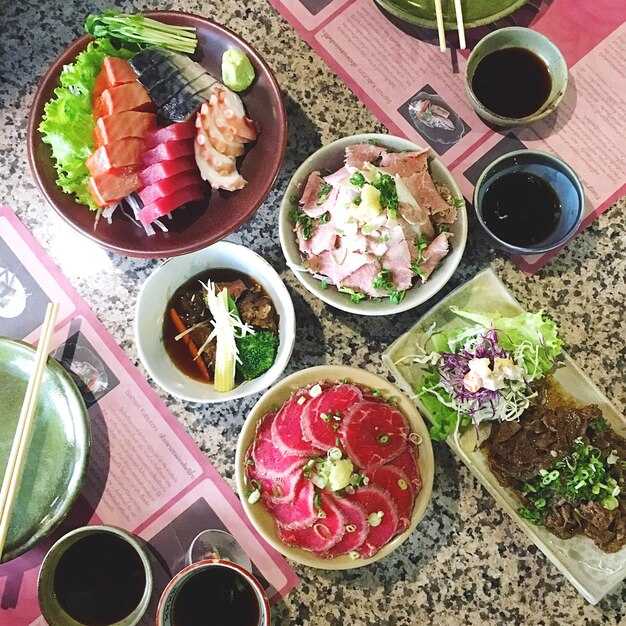 12 речей, які варто зробити та побачити в префектурі Яманаші – г. Фудзі, озера та вишукана кухня">

Take a day trip to Kawaguchiko and ride the Kachi Kachi Ropeway for a crisp view of Fuji. This excursion fits a compact schedule: in about one hour you ascend to the top, capture a photo, and stroll the lakeside promenade. The ropeway offers two vantage points, which offer panoramic views, and prices hover around £6–£7 for a round trip.
From Kawaguchiko, follow the path along the lake to must-see spots along the water, including Arakurayama Sengen Park with Chureito Pagoda for a classic Fuji shot. In autumn, deciduous leaves turn gold and crimson, framing the mountain and boosting your photo opportunities.
Sample snacks along the pier: fried inari sushi and grilled skewers, which fuel a couple of hours of exploration. Markets around the lake offer many options, with prices that suit most budgets and friendly vendors who share tips on local specialities.
Efficient transfers connect the main spots, so you can hop between Kawaguchiko, Lake Saiko, and Lake Yamanaka with local buses or short rides by taxi, making part of the route easy and comfortable. A short ride through the Fugoku hills adds a quiet rural contrast to the lake scenery.
For a deeper experience, visit wineries and riverside restaurants that offer kaiseki featuring seasonal fruit and vegetables from the region's hundred-year-old orchards. Seats fill by mid-afternoon, so a reservation ensures a table with Fuji views.
Photo spots along the lakeshore reward visitors with layered views as the light moves. Plan for the late afternoon hour when Mt. Fuji’s silhouette stands out against a pink sky, and use the shoreline reflections to create memorable shots.
These options form a well-rounded palette for a Yamanashi visit – Mt Fuji, tranquil lakes, and delectable dining – without overflowing a single day.
One-Day Yamanashi Highlights from Tokyo: Fuji, Lakes, and Local Dining
Take the JR Chuo Line rapid from Shinjuku to Otsuki, then transfer to the Fujikyu Railway for Kawaguchiko. This route directly puts you on the most efficient track for a must-see day and lands you at Kawaguchiko with Mt Fuji in view as the day begins.
From Kawaguchiko, stroll along the north shore for a picture-perfect moment by the water. The weather often clears the summit, letting you capture a true Mt. Fuji reflection. Walk the promenade, visit the Oishi Park garden, and ride the observation deck for a broad panorama. A short stroll through Yoshida offers a glimpse of local history in its wooden storefronts.
Lunch includes local dining, such as Hoto noodles or fresh curd cheese at a lakeside cafe. Try curd with honey; it’s a must-see pairing with mountain air. This area is known for dairy products; you can often buy curd at dairies along the highland road. This experience will satisfy travellers seeking authentic farm-to-table flavours.
After lunch, board the Otsuki line back toward Fujiyoshida’s north district to Oshino Hakkai springs, a classic photo spot with ponds and rural lanes. This site offers blooming scenery in spring and a quiet atmosphere–shinsekai vibes are far away, replaced by calm streets and local stalls that travellers enjoy. A short detour through Yoshida adds a neighbourhood street option with a glimpse of daily life.
Return to Tokyo in the late afternoon via the same route, boarding at Kawaguchiko or Otsuki depending on timing. The observation from the highland routes gives you a final picture of the season’s colour shift and a sense of mother nature accompanying your day. This plan includes most highlights and surely delivers an experience for street-level explorers and first-time visitors alike.
Getting to Mount Fuji from Tokyo: fastest routes by train, bus, or car
From Shinjuku, the quickest way to reach the Fuji area is the Limited Express Fuji Excursion via Fujikyuko Line, with a change at Ōtsuki. The total journey time is about 2 hours 15 minutes, arriving at Kawaguchiko Station where you can begin exploring the lakeside area.
-
Train via Shinjuku to Kawaguchiko (Fujikyuko route)
- Plan: Shinjuku → Ōtsuki on JR Chuo Line; bound for Kawaguchiko on the Fujikyuko Line.
- Time: about 2h 15m–2h 30m.
- cost: roughly 2,000–2,600 yen; the Limited Express Fuji Excursion adds a premium fare.
- Advantages: minimal stops, rest along the way, stunning scenery along the foothills, and you’ll be in the area quickly.
- Notes: tickets can be purchased at the station; if you plan to return the same day, consider a return option.
- yurari: some yurari itineraries pair this train ride with a relaxed lakeside stroll.
-
Bus from Shinjuku or Tokyo to Kawaguchiko
- Route: Highway buses depart from Shinjuku and Tokyo Station direct to Kawaguchiko Station or Fujisan Station; serving the Kawaguchiko area.
- Time: 2hr 30 min–3hr depending on late traffic.
- cost: typically 2,000–2,600 yen one-way; some services offer return discounts.
- Pros: direct, convenient for luggage, and you can start sightseeing soon after arrival.
- Notes: book ahead during peak seasons; check timetables if you’re returning late.
-
Car from Tokyo
- Route: take the Tomei Expressway towards Gotemba or the Fuji-Yoshida route, then follow local roads towards the Fuji area.
- Time: roughly 1hr45min–2hr30min depending on traffic and parking needs.
- cost: tolls typically ¥3,000–¥6,000 one-way; fuel adds to the total.
- Benefits: a leisurely pace, freedom to pause at viewpoints, and fresh mountain air.
- Practical tips: use a sat nav, check parking options locally, and consider stopping at fruit stalls where you can sample locally grown nashi pears.
For planning details, the neba article provides updates on schedules and area tips. Local efforts have improved access over the last years, helping visitors get away from the city rush and reach the area bound for Kawaguchiko and the surrounding area. This route will let you explore stunning views and enjoy amazing scenery along the way, with a fresh atmosphere under the mountains.
Fuji Viewpoints and optimal times for a 1-day visit
Start at the Kawaguchiko Station front, park in a large car park, and set off on a 1-day loop to catch Mount Fuji from different sights. This route centres on Kawaguchiko panorama viewpoints, a stop at Itchiku Kubota Art Museum, a lunch break with local food including curd, and a late-afternoon finish at the Chureito Pagoda for a south-facing silhouette.
In august The days are long, so start early: from 6:45 to 9:00, stroll the Kawaguchiko panorama path along the north shore to capture reflections and clean sightlines. Parking remains plentiful near the front, and transport options include local buses from Kawaguchiko Station as well as short taxi rides.
Next, ride the Kachi-Kachi Ropeway to Mount Tenjo for a 360-degree panorama that puts Mt Fuji in the foreground. The base offers information boards that explain the sights, and parking is available nearby to keep your day efficient.
Then visit the Itchiku Kubota Art Museum grounds for a sheltered terrace view and a light lunch. Itchiku combines art with a quiet outlook on Fuji, and you can try local food items such as cheese curd. The site has ample parking and straightforward transportation connections, making the next stop easy.
For lunch, head to the Kawaguchiko front area where plenty of shops line the street. You'll find options ranging from casual snacks to dairy treats, including curd dishes, and a chance to sample regional produce before continuing. The mix of food and views keeps the options varied and enjoyable.
Late afternoon, make your way to Arakura Sengen Park for the Chureito Pagoda vantage point. The south-facing panorama with the pagoda framing Mt Fuji creates iconic photos. Parking at the park is large enough for groups, and the walk from the car park is short if you prefer a quick approach after a busy day.
Practical notes: transport options span buses, taxis, and a short walk between sights; information boards at each stop help you choose the best view. Leave time for photo pauses and consider a final sunset shoot from the Kawaguchiko front or the south side for a true finish to the day. This route provides plenty of options and a straightforward path that works well for a 1-day plan.
Lake Kawaguchi and nearby lakes: activities, timings and scenic spots
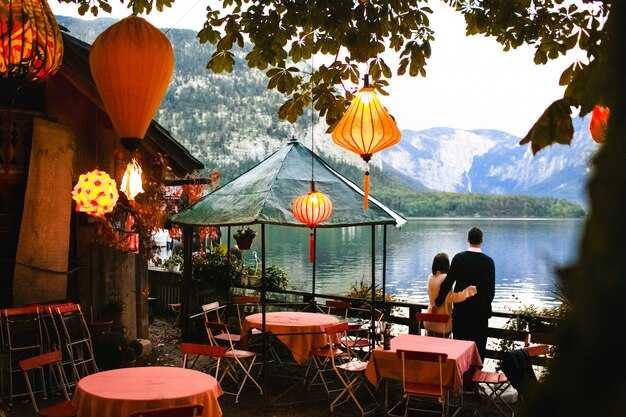
Begin with a sunrise view of Mount Fuji from Kawaguchi-ko’s north shore, a classic shot well-known to tourists and locals alike. Arrive around 5:30 a.m. and stay until 7:30 a.m. to catch the mountains glow and the five-storied pagoda peeking over the lake. The deciduous trees along the promenade turn rich reds and golds in autumn, creating a fresh, cinematic backdrop for your trip.
Rent a pedal boat for an hour to loop the central basin and frame Fuji between the mountains and pines. Prices are around 1,000–2,000 yen per hour, with peak time between 9:00 and 15:00. Along the shore you’ll find an array of small shops and cafes, some with shinsekai-inspired retro vibes, offering hot drinks and light snacks to make the moment even more memorable.
For a traditional bite, try hoto, a thick noodle soup simmered with seasonal vegetables. Many lakeside restaurants serve it from 11:00 to 14:00, providing a comforting, shareable option after a morning of activity. Fresh ingredients come from nearby farms, and the dish pairs well with a cup of local tea or a quick soak in a nearby onsen after lunch.
After lunch, soak in an outdoor onsen nearby to unwind and reset before the afternoon leg of your day. This is especially enjoyable when the air is crisp and you have a clear view of the mountains. A short, well-marked route lets you dip into a hot bath and then step back onto the lakeside path refreshed.
Consider a day trip to a Suntory venue, such as the Hakushu Distillery in Hokuto, to see how mountain waters sustain the spirits and to taste a few limited releases. A nearby local brewery offers tastings and tours, appealing to families, groups of friends, and students on weekend trips. This combination of nature and craftsmanship makes a balanced itinerary between lake views and culinary stops, with hotels along the water ready to host a peaceful night as you plan another day of exploration.
Saiko and Yamanakako present different scenery within a short drive. Saiko offers forest trails and autumn colour in deciduous groves, while Yamanakako is broader, with beaches, cycling paths, and sunset viewpoints over open water. Between these lakes you’ll find less crowded routes, allowing a relaxed pace for a tourist who wants to see several spots in one day without rushing the experience. Stay in a lakeside hotel or guesthouse, and you’ll wake to the aroma of fresh coffee and the sound of birds along the water–an ideal setup for a year-round itinerary that suits families, couples, and groups of students and other travellers alike.
To help plan, review the table below for straightforward timings, durations, and highlights across Lake Kawaguchi and nearby lakes.
| Site | Activities | Best Time | Типовий термін | Примітки |
|---|---|---|---|---|
| Lake Kawaguchi (Kawaguchiko) | Promenade stroll, paddle/row boats, Fuji viewpoints, sunset photos | Sunrise 5:30–7:30; 12:00–16:00 for boating | 60–90 minutes on boats; 2–3 hours walking | Chureito Pagoda view nearby; deciduous colour in autumn; hotels along the shore |
| Lake Saiko | Forest trails, canoeing, birdwatching | 09:00–15:00 | 60–120 minutes | Quieter option; lush green in spring and autumn foliage |
| Lake Yamanakako | Beaches, cycling, lakeside dining, sunset views | 09:00–17:00 | 90–180 minutes | Largest of the Fuji Five Lakes; many hotels nearby |
| Lake Shojiko / Motosuko | Birdwatching, serene shoreline, viewpoints | Early morning | 60–120 minutes | Less touristy; ideal for quiet contemplation |
Koshu cuisine and local dishes: where to eat on your day trip
Kick off your day with a steaming bowl of hoto noodles at a riverside café in Isawa, paired with a glass of Koshu wine, while the morning air carries the scent of blooming flowers – a brilliant way to start your Yamanashi itinerary.
Koshu cuisine turns simple local ingredients into memorable dishes. Look for spots where the menu features hoto noodles, river trout, and seasonal pickles, with a wine pairing that emphasises the grape-forward Koshu style. There are amazing options where chefs were inspired to create different flavours.
Head to Komoyodai for a sun-drenched lunch with panoramic mountain views; these terraces let you gauge the weather as it shifts and keep your itinerary moving. Let your head tilt toward the sky to savour the awe-inspiring scenery.
For a simple, elementary plan, book three stops: a riverside cafe in isawa, a winery tasting room, and a noodle shop in town; you’ll sample textures, aromas, and the region’s grape-forward spirit. Once you finish, isawa remains your best starting point to explore more spots.
There’s a small stall run by Osamu near the Isawa River where he serves a miso-glazed trout skewer; this simple bite pairs with the river breeze. Pixta photos capture these spots, offering visual cues for your plan and showing blooming menus across Yamanashi.
Sample 1-day itinerary: a realistic timeline from Tokyo to Fuji, lakes, and dinner
Take an early 7:30 am train from Tokyo to Otsuki, then transfer to the Fujikyu Railway towards Kawaguchiko. This route keeps you off crowded highway and lands you in the foothills of fujikawaguchiko-machi, ready for a daylight-first day.
Arrive around 9:00 at Kawaguchiko Station and walk to the lakeside promenade. The sight of Mt. Fuji rising above the lake is impressive, with the mountain’s presence framing every photo. Under a clear sky, the lakes reflect a calm blue as boats glide by.
For a quick boost, stop at yurari cafe by the water for a coffee and a light pastry before continuing; the area around the cafe has a tranquil presence that sets a relaxed pace. Each stop offers a small experience, ensuring you stay energised. If you prefer, grab a rice bowl at a nearby restaurant to fuel the next leg.
Mid-morning, hire a boat for a quick circuit on the lake, or stay on the shore to capture reflections. The area around Fujikawaguchiko-machi offers photo spots, including a symbol of Fuji’s presence on the horizon that becomes a perfect postcard.
Lunch at one of the lakeside restaurants lets you sample seasonal ingredients; like this, you taste regionally inspired flavours. Several restaurants cluster by the harbour and in the lanes of the area, with rice-based bowls and fresh toppings available.
In the afternoon, take the Kachi Kachi Ropeway for awe-inspiring views over the lake and Mt Fuji; the ride is accessible and typically offers limited slots during peak times, so booking ahead ensures you’re on the ropeway during golden hour. Ensuring you have a time slot keeps the day smooth.
Back on land, stroll into shinsekai-inspired streets near the harbour, where cheerful music from small venues plays and the vibe feels like shinsekai’s neon energy.
Dinner at a restaurant in Fujikawaguchiko-machi or the Kawaguchiko Station area features local dishes and fresh fish; ask for a lakeside room or a table with a view to savour the lights on the water.
After dinner, return to Tokyo via expwy and express trains; the trip takes about 2.5 hours. Plan the timing for this year so you can catch a late ride if needed, and don’t worry about tight connections.