


 Українська
  English (UK)
  Русский
  العربية
  日本語
日本語  한국어
한국어  Magyar
  Türkçe
  Español
  Čeština
  Svenska
  Português
  Ελληνικά
  Suomi
Suomi  Nederlands
  Română
  Italiano
  Français
  Polski
  Deutsch
  简体中文
简体中文  Slovenčina
  11 Essential Tips for Buying a Bowrider Boat – The Complete Buyer’s Guide">

Recommendation: Kick off your aquatic adventure with a pre-owned Chaparral runabout, boasting a standard stern layout, a smooth ride, and a powered engine from a respected manufacturer's range. It'll hold its value on lakes and bays and provide a clear view from the main seat across the water.
Tip 1: Seating and layout Take a close look at list of core attributes: hull construction, seating count, and lateral space between seats for easy ingress. These details help with stability and access to controls.
Tip 2: Hull and power options Decide between fibreglass hulls with smooth ride in bays and lakes, or a deeper V for chop. Check barrier to entry, hull shape durability, and steady speeds; a model with a classic hull keeps speeds steady, while a shallow V may feel calmer in wind. Focus on powered options with built-in safety features and throttle response across main speed range.
Tip 3: Propulsion choices and maintenance Evaluate whether the unit uses outboard or stern drive propulsion; powered engines with decent torque respond quickly at main speeds. Check maintenance costs, service intervals, and available parts from companies that service your region. A pre-owned model with full service records often saves more than a new one, especially when you balance depreciation against entry costs.
Tip 4: Storage, safety, and onboard gear Inspect dry storage, ballast, and hold area for life jackets. Ensure a calm, dry cockpit, with closed compartments that reduce rattles at speed. Check helm access to controls and ample seat space for family time and adventure on long trips.
Tip 5: Electrics and standard equipment Verify wiring integrity, battery protection, and marine electronics that integrate with a single dash. A standard gauge package, digital depth readout, and clear view of engine data prevents surprises during lake runs and bay crossings when you need to monitor RPM and water temperature.
Tip 6: Handling, controls, and steering feel Test throttle response at idle, mid-range, and high speeds; verify steering is light enough for one-handed manoeuvres, yet firm in chop. A well-tuned helm should deliver predictable feedback and reduce wheel or joystick tremor across conditions, keeping control smooth near stern or in lateral turns.
Tip 7: Safety features and barrier protection Look for stainless steel hardware, reinforced rails, non-skid surfaces, and high freeboard near the bow to minimise splash. Verify PFD storage, fire suppression, and a reliable horn meet needs; ensure barrier to water from certain sections during docking in bays and on lake edge.
Tip 8: Value, depreciation, and cost considerations Compare asking prices with market value by model year, condition, and hours. A pre-owned unit with modest hours typically holds value better than high-hour options, while a newer powerplant can reduce expected maintenance costs early on. Always factor float time and insurance costs into your plan.
Tip 9: Test run and evaluation Schedule a water test to observe handling in calm and choppy conditions, monitor how vessel sits in water, and check view from helm remains unobstructed during turns. Bring along a trusted advisor to identify issues with controls or seating before signing anything.
Tip 10: Brand reach and support Favor models backed by a local dealer network, including Chaparral and other established brands. Confirm warranty transferability, available parts, and service bays’ readiness in your region; this will minimise downtime between sessions and ensure weekend lake time.
Tip 11: Final checklist and decision timing Compose a pre-purchase checklist encompassing condition, service record, and test outcomes, then weigh against budget: initial costs, continuous fuel, upkeep, and insurance. If time permits, wait a season to observe how the model performs in typical bays, lochs, and waters; this considered overview cultivates a confident grasp on the purchase.
11 Tips for Buying a Bowrider Boat: The Complete Buyer's Guide – Sea Ray SPX 210
1. Start with a hands-on check of hull finish and moulded seating, verify centre stringers, and confirm condition of navigation lights.
2. Inspect engine bay history, hours, and service records; take a short ride to evaluate sporty handling and wakeboard readiness, and ensure systems are fully operational.
3. Compare the SPX 210 against Chaparral options, noting which finish and layout fit your needs, and find where the SPX 210 shines in quality and security features.
4. Assess fishing suitability: rod holders, tackle storage, cleats, and deck space; there are lots of spaces to move and cast.
5. Inspect safety gear: life jackets, throwable gear, bilge pumps, and easy access to cleats and rails; verify security in rough water.
6. Confirm capacity and storage amount: number of passengers, seat cushions, dry storage, and centre-console space; this setup must handle friends and gear, to help you compare options every time.
7. Check issues that affect cost or reliability: gelcoat cracks, hull flex, electrical gremlins, and moisture in foam; this risk must be evaluated against intended use.
8. Review centre console layout, cup holders, lighting and stereo, then compare the SPX 210’s simple controls with Chaparral’s setup to feel completely confident.
9. Plan a very practical test: taking a ride with a couple of mates, load gear, and test stability on the plane, then check seating comfort and finish.
10. Verify purchase economics: depreciation risk, maintenance costs, insurance, and fuel usage; ensure amount spent translates into long-term enjoyment.
11. Build confidence by compiling data in a dedicated section: compare skills, comfort, and performance, and decide on a model that protects investment and keeps crew safe.
Sea Ray SPX 210 Bowrider Buying Guide
Choose SPX 210 with sterndrives and wakeboosters to maximise speeds, control, and docking ease. This option gives solid planing, stable wakes, and an amazing ride across choppy water that keeps passengers happy.
The interior layout emphasises entertainment; marine-grade materials are made to weather sun and salt, helping explore longer tours, protect upholstery, and keep components in good shape. Fuel tank capacity spans 40–60 gal depending on package, enabling longer trips without refuelling stops. The main cockpit layout features easy access and large stowage.
Maintenance plan: remove salt spray after use, rinse, and dry to protect gel coat; neglect invites oxidation. Regularly check sterndrives for corrosion, lubricate hinges, and inspect wakeboarding ballast if fitted.
Performance notes: wakeboosters add push for wake shape at higher speeds; it does provide precise docking and response in choppy water; engines in mid- to high-HP range match family touring needs without sacrificing acceleration.
Docking and storage: use fenders, lines, and a proper bow stop; sterndrives improve manoeuvrability around docks, while larger swim platform enhances water access; cover when parked to weather exposure and protect finish.
Purchasing takeaway: The SPX 210 is suited to touring days with a focus on entertainment and outdoor living; it provides peace of mind on the water, and yields an amazing blend of performance and practicality; avoid neglecting winterisation to hold its value over the years.
Inspect Hull Integrity and Gel Coat Condition
Take a hands-on approach by inspecting the hull exterior under calm conditions. Look along the centre of the hull and both sides to spot cracks, resin swelling, or gel-coat blistering. A steady walk around the bow arch, transom corners, and moulded deck transitions reveals stress points that may signal core damage.
Use a soft mallet to tap suspected spots; hollow tones indicate delamination or voids behind gel coat. Pay attention to moulded panels around platform and cockpit, plus rub rails where moisture tends to hide. Listen for consistent tone across sections when tapping each area.
Gel coat condition matters. Look for uniform colour, surface oxidation, chalking, crazing, or pinholes. Discolouration around joints can signal moisture intrusion. A cobalt hue in gel coat may mask small flaws; if colour variation appears, probe beneath surface with moisture meter indicator or thermography in professional survey.
Gel coat chemistry relies on ester-based resins; odour or softening near repairs signals ageing resin. Mention ester content during inspection with dealers to avoid surprises.
Advanced checks augment basics: infrared thermography, moisture profiling, and surface mapping expose subsurface issues without disassembly. These steps boost confidence in hull integrity on bowrider tours.
Examine deck hardware and fasteners. Loose fittings or visible gaps between moulded segments raise red flags. Check centre platform attachments, bow rails, cleats and grill mounting hardware; rust or water ingress indicates seal failure. Tighten or seal where needed.
Moisture readings: use a handheld meter; reading above 15% in core indicates risk; on fibreglass hulls, interior cores near cockpit areas should stay dry. If meters show moisture, a potential structural impairment exists. There's risk of pricey repairs; consider insurance impact and long-term ownership cost.
Inspect interior of bilge; look at staining, oily residues, or fuel odours. These indicate leakage from fuel tanks or engine area and may harm hull integrity. Document any signs; refer to experienced technicians or dealers who specialise in bowrider platforms. Their reviews help estimate repair timelines and prices, which affects owning decision.
Touring plan: schedule a mobile inspection by Torben, an experienced surveyor known for calm, precise assessments. There's value in third-party opinions before committing to rental agreements or purchasing a high-end model. Captains’ notes and owner feedback from reviews help gauge long-term durability and resale value.
Size and cost implications: minor blisters may require gel coat touch-up; larger delamination demands professional structural work. Always compare prices across dealers and independent surveyors; read reviews from experienced owners in high-end bowrider segments. Owning risk rises with hidden damage; ensure coverage via insurance and plan accordingly.
Final step: assess whether to hire a smaller model to tour waterways before investing in a bigger bowrider. A calm validation trip with your crew helps verify platform stability, engine alignment, and overall ride quality. Take notes on size, weight balance, and loading capacity to match your touring plans and fuel planning.
Finally, keep a live log of hull repairs, maintenance, and upcoming inspections to anticipate insurance needs and resale value.
Evaluate Trailer and Towing Readiness
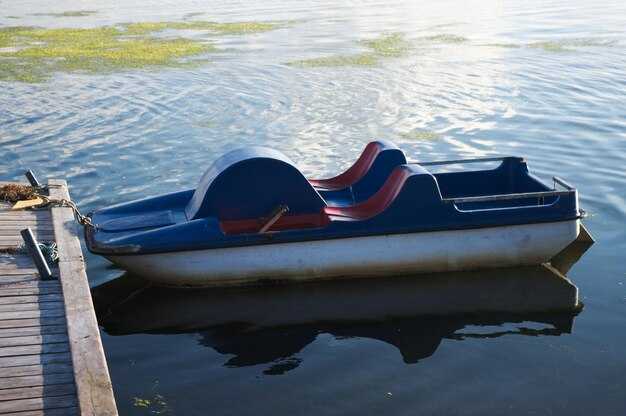
Recommendation: Invest in a trailer rated three thousand pounds higher than fully loaded weight, with electric brakes and a proportional controller. Tongue weight should reach 10-15% of total load; select a tow ball size 1-7/8″ or 2″ based on brands and coupler. Confirm tow ball sits securely in coupler and safety chains are anchored properly.
There are three checks you should take while setting up a trailer: weight distribution, axle alignment, lighting continuity. Use a tongue scale to verify weight, or weigh loaded combination with scales; aim for a tongue weight around 10-15% of the total; if needed, adjust using a weight distribution hitch to reduce sway. Lower trailer height if needed; ensure bunks align with hull shapes.
Modular bunks support hulls across sizes and stern profiles; anchor points let you tighten straps without load shift; add-ons such as tie-downs and transom supports keep cushions and lounge pieces from sliding during transit. Wiring jackets protect cable insulation; keep spare within reach.
Tow readiness demands steering balance; sterndrive layouts tend toward the stern during acceleration. Adjust via weight distribution hitch to keep the front end loaded and reduce the amount on the rear axle. Check axle alignment and install sway control devices; test brake operation after coupling and confirm the breakaway cable attaches to the vehicle frame securely.
Tech checks include lighting circuits, braking signal, and breakaway functionality. Inspect wiring jackets for moisture ingress; replace damaged connectors. Brands offering sealed connectors reduce corrosion risk. Add-ons such as sway control, LED lights, and electric brakes increase safety margin.
Example buyer scenario: sterndrive boat around five thousand pounds fully loaded; trailer rated seven thousand pounds; nose weight around six hundred to eight hundred pounds; ball size two inches; three anchor points; spare life jackets stored under seat; lounge cushions stowed in modular rack. Invest in quality components; achieve better handling in windy conditions; total amount of gear kept compact lowers risk.
Use the above elements to guide buyer decisions; if you intend to add add-ons, keep the total amount within rating; choose brands with proven tech support; modular trailers offer cheaper upgrade paths; this approach keeps long-term costs down and ensures a completely secure towing experience.
Check Engine Options, Hours and Maintenance History
Select an engine option known for its reliability and strong support, check the operating hours, and thoroughly review the complete maintenance record before buying.
Engine options vary by model; prefer units with accessible dealer networks, readily available parts, and transparent warranty terms. If wakeboard use is common, confirm wakeboosters compatibility and adequate horsepower, ensuring peak performance in compact vessels where space is tight to carry extra gear.
Hours matter to long-term reliability: aim for lower hours combined with documented service file. Typical saltwater use often drives faster wear; in freshwater areas, wear differs. Here, a boat around 200–350 hours with up-to-date service tends to stay reliable and hold value. Among a group of friends considering weekend runs, a low-hour unit with full service history offers best mix of grip and resale potential.
Maintenance history adds clarity: look for oil changes, gearcase checks, impeller replacements, hose inspections, and winterisation notes. Receipts should show date, hours, and parts used. If logs are sparse or inconsistent, neglect may be lurking.
Rent a demo to test engine response under load, fuel burn, and wake environment. You can compare two or more vessels side by side, noting seating arrangement, anchor handling, and overall seating layout that affects outdoors enjoyment. If pricing is similar, a more affordable option with solid uptime, available parts, and reliable support network could offer better long-term value.
Plenty of versatile options hold both size and seating comfort while staying affordable. Considering additional seating modules and anchor setups in saltwater areas helps you enjoy the outdoors with friends.
| Item | Engine Option | Hours | Last Service | Примітки |
|---|---|---|---|---|
| Model A | Outboard 350 HP | 210 | 2025-05-12 | Oil change, filter; gearbox; wakeboosters checked; saltwater use |
| Model B | Inboard 320 HP | 420 | 2025-03-28 | Recent impeller; belts; logs solid; no neglect |
Review Warranty Coverage and Sea Ray Service Network

Verify warranty scope and Sea Ray service network coverage in your region to minimise downtime during ownership.
- Coverage scope: hull, deck, gelcoat, stringers, stern drives, propulsion, steering, electrical, plumbing, and electronics; example of covered items includes hull materials made with corrosion-resistant alloys, beam, sunpad wiring, cabin systems, seating around bolster, and rudder linkages. Twin-engine configurations typically include superb protection that matches single-engine setups.
- Exclusions and limits: wear items (fabric, upholstery), aftermarket accessories, and environmental exposure; clarify maintenance requirements to keep coverage active; determine whether watersports gear or racks are protected, and which items attract exclusions.
- Service network access: locate authorised Sea Ray dealers, service bays and mobile technicians; view nearest service locations map where service centres operate; finding response times and whether rental options (hire) exist during major repairs.
- Transfers and documentation: confirm warranty transfer upon ownership changes; request an explicit written policy; identify source of warranty terms; ensure documents include a contact who talks through coverage (talk) and provides a reliable support path.
- Maintenance schedule and budget: outline service intervals, recommended fluids and materials; determine annual budget; what you can simply do yourself versus shop time; finalise with ample scheduling windows so you can enjoy watersports and cabin comfort without downtime.
- Practical checks before committing: ask for explicit coverage on sterndrives and twin-engine systems; request digital and printed copies; you'd verify coverage quickly by reviewing sections on hull, stern, seating styles, sunpad, cabin, bolster materials, and razor-sharp hull edges to protect budget and ensure a safe ride around rough waters.