


 English (UK)
  Русский
  العربية
  日本語
日本語  한국어
한국어  Magyar
  Türkçe
  Español
  Čeština
  Svenska
  Português
  Ελληνικά
  Suomi
Suomi  Nederlands
  Română
  Italiano
  Français
  Polski
  Українська
  Deutsch
  简体中文
简体中文  Slovenčina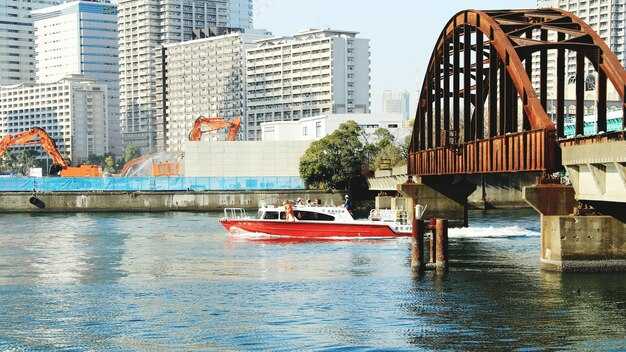

Looking to escape traffic? Start with this: book a rental for NYC ferries; it helps you skip long lines and makes a great day on the water. Build a complete plan by marking moorings, landings, and the ferry lines that connect your start to your destination. Keep the route within the areas you’ll visit and note where you can share a boat with friends to save time.
Most NYC Ferry lines run every 15–30 minutes during the day, with shorter waits at night. Typical travel times include 8–12 minutes from Manhattan to DUMBO and 5–7 minutes to Roosevelt Island; ferries to Red Hook can take about 25 minutes. Arrive at the landings 5–10 minutes before departure to avoid missing a boat. If you’re looking for flexibility, a rental boat lets you tailor a harbor loop with others in your party.
Safety first: inspect the hull and confirm the required safety gear is aboard, including a working extinguisher. In busy waters you’ll share space with swimmers and other vessels near landings, so follow the crew’s proper instructions, maintain a safe speed, and keep a clear lookout at all times.
Plan at the harbor’s moorings and nearby areas with easy access to multiple lines. Note that different operators use different landings and may have specific rental rules, so check in advance. If you want a great first ride, start near Wall Street or Battery Park to hop onto a morning ferry heading toward brooklyn or yorks coast.
Share routes with others to cut costs and crowding, and keep a compact packing list so you don’t block aisles on the ferry. Before you set out, verify areas you’ll visit and the lines serving them, then head to the moorings with confidence. A few practical habits–watch the wind, respect swimmers, and check the hull condition of any rental vessel–make water travel a reliable, great way to see NYC from the harbor.
Traveling the City by Water: NYC Boats and Ferries, and Differences from Urban Boating
Choose the NYC Ferry network for cross-borough hops and reliable times. The system connects Manhattan, Brooklyn, Queens, and the Bronx with dock moorings and predictable schedules, especially on weekdays. For shorter hops, harbor shuttles link piers along the East River, with current listings posted on the operator’s app or website. If you have questions, the listings provide the exact times and routes.
Urban boating typically relies on private vessels with variable schedules and on-demand launches. NYC Ferries operate fixed routes and host- points, while owners of private boats must coordinate mooring or anchor placements with harbor authorities. The difference shows in pace, costs, and safety requirements. Laws govern both, but enforcement differs by service type. The combined effect is a quicker, more predictable way to travel between boroughs. If needed, you can combine ferry legs with a short private ride to reach a dock not served directly.
- Routes and mooring: ferries dock at fixed points such as Whitehall, Pier 11/Wall Street, and Red Hook; private boats usually require a mooring space or an anchor near a shore point that keeps a clear approach path for larger vessels.
- Rules and safety: operators enforce safety equipment and sound-producing device restrictions near docks; private boats must follow harbor rules and carry appropriate equipment for passengers.
- Costs and listings: ferry fares are posted publicly; private groups or owners may arrange private trips with custom pricing; check listings for birthdays or special events, and confirm capacity.
- Times and crowds: ferries offer regular headways, while crowds vary by point; plan morning departures on weekdays to minimize crowds and maximize daylight.
Practical planning notes: December weather often brings cooler air and gusty winds, so dress in layers and verify departure times the morning of travel. On private launches, ensure the first step is confirming an appropriate mooring plan or anchor location, then create a simple on-board plan for your group. Use a device to monitor live updates and keep safety gear, including life vests and signaling equipment, ready for launching or disembarking.
Checklist (quick reference):
- Check listings for route, times, and first available trips.
- Prepare your device with real-time updates and weather alerts.
- Choose appropriate times, preferably weekdays and morning hours, to avoid heavy crowds.
- Decide between mooring or anchoring at a safe point near your destination.
- Confirm launching arrangements and ensure equipment is complete and ready.
Practical Guide to NYC Water Travel: Boats, Ferries, and How They Differ from City Boating
Begin with a practical move: buy a one-way ferry ticket from Battery Park City to Governors Island to test the schedule, then plan an early return or a spare visit.
NYC ferries run on planned routes with posted times and predictable delays, carrying several hundred passengers per trip. They rely on robust flotation systems and must ride tidal currents that shape flow along the East River and New York Harbor. When weather or harbor traffic pushes back, delays can occur, but the published window keeps most connections on track over a full day of travel.
In contrast, city boating with private boats or water taxis offers more flexibility but demands you handle fueling, fuel planning, and the lower speeds near piers. Ferries stay within their corridors and timeframes; others leave you to adapt to the limits of your vessel and your schedule. This difference matters for a future trip that includes multiple hops or a longer stay, and you may work with crews or join a guided tour to simplify the process.
Beginners should start with official routes, wear a life vest, and learn the rules before leaving shore. Build your knowledge by reading posted diagrams, safety briefings, and pier notices. If you plan fishing or kayak trips, stay in designated zones, respect ferry channels, and join others on the water only when you know the protocol. Early departures help you beat crowds; night trips require extra lighting and extra care to see the channel markers.
Looking ahead, several operators may expand the network beyond current limits. In the future, partnerships could connect NYC terminals with nearby lakeside towns such as burlington and cayuga, creating new opportunities for weekend outings. This shift would need fuel infrastructure and updated rules, but it would give travelers more chances to experience harbor dynamics through years of change.
Whether you’re leaving the city for a ferry leg or choosing a quiet kayak excursion, treat each ride as a piece of your waterfront itinerary. Use planned, reliable services for core commutes and reserve private options for flexible trips. If delays occur, shift plans, join another route, or try a different time window; the harbor rewards travelers who stay curious and prepared, just beyond the bustle of the island.
Section 1: Picking the Right Vessel for Your Trip
Choose seastreak for fast, reliable cross-harbor hops; it helps you finish trips quickly and keeps to a tight schedule, ideal when you want to visit several spots in one outing.
For a calm, scenic day with a smaller group, pick a sailboat for protected harbors along historic shoreline. You’ll glide over calm water past islets, and you can enjoy a window seat while someone special spots landmarks and you plan activities aboard for the trip.
When budget matters and you want flexibility with stops, NYC Ferry-style services offer lower costs and separate routes between neighborhoods. They make it easy to park near piers, switch plans on changing weather, and keep the day open with on-board activities and commentary that enrich your outing.
Vessel capacity matters: Seastreak ships carry several hundred passengers, while a sailboat caps at a small group; in peak months you should book ahead, and in shoulder months you can often secure a spot with a quick walk-up. If you’re coordinating a work break or a group outing with someone, choose a craft that fits your party size and keeps everyone comfortable.
Safety and comfort tips: wear sunscreen and a light jacket, bring a compact bag you can wear, and select routes with protected harbors and no-wake zones near parks to minimize wake. Look for a plan that lets you finish the day with a quiet window of time on shore, and keep your first choice in mind as changing weather and schedules shift over the season.
Section 2: Primary NYC Ferry Routes and Timetable Basics
Book your first ride at least 24 hours in advance to secure seats; everyone benefits from clear planning and real-time availability across the core corridors.
Primary NYC Ferry Routes include three core corridors: the Astoria–Manhattan route, the Rockaway–Manhattan route, and the East River corridor linking Manhattan with Queens and Roosevelt Island. These lines carry significant commuter traffic and entice weekend visitors seeking quick links to parks and waterfront neighborhoods across the boroughs. The map and timetable adapt with the season, but the network remains stable for daily use.
Timetables show when boats depart and how often. In january, first boats start earlier and daylight is shorter; service continues through dusk and sometimes extends later on weekends in fall. Typical headways run around every 20 minutes during peak hours and 40–60 minutes off-peak. Service begins about 6:00 AM and ends near 9:30–10:00 PM on weekdays; weekend hours can push later. Availability varies by pier due to weather or maintenance; check the official timetable for that day, nycs, and note any restrictions that affect your plan. источник
Ticketing and planning tips: use the official app or a device to book; availability changes quickly, so book ahead. For early starts, choose a pier with direct service to your end point to minimize transfers and reach without delays. If you carry bags, keep one small piece and avoid oversized luggage to meet pier restrictions. nycs riders can plan around dusk by pairing a ride with a nearby park or waterfront path in the boroughs; this is an ideal setup for dusk views. источник
Section 2: Where to Buy Tickets and Which Pass Fits You
Buy online today through the official NYC ferry app or at the ticket office to save time and skip lines at the basin.
Where to buy tickets
- Official app: quick checkout, saved profiles, and protection for payment data.
- Ticket offices at major terminals: accept cards and cash, with staff ready to answer route questions and provide island and rivers details.
- Pier kiosks: fast, accessible, and ideal for last‑minute rides; use them ahead of dawn when you’re heading out.
Pass options and recommendations
- Single ride: best for a one‑time hop across the rivers or to a nearby island.
- 10‑ride bundle: ideal if you plan several trips this week and want a predictable cost per ride.
- 30‑day pass: suited for daily travelers who connect boroughs and urban stops, offering the lowest per‑ride rate if you ride often.
Pricing snapshot and tips
- Prices start around $4 per ride; 10‑ride bundles typically save 15–30% versus single fares; 30‑day options vary by service area but usually sit in the low hundreds.
- Check the app for canandaigua, jersey, and kent origin options and any regional clearance or restrictions that apply to some routes.
- To maximize value, plan ahead, join group trips, and use a pass for these activities across islands and basins.
Extra notes
- Unless you want to risk missing a boat, keep your pass ready and accessible in the app; this protects your ticket and speed through validation.
- today you’ll find more ways to connect the boroughs, with these services designed to support residents and visitors alike.
- For corporate groups or school programs, contact the office to arrange passes that cover several participants and coordinate timetables.
- Some routes offer special programs or seasonal events; watch for announcements and plan to join in these activities.
- If you’re stopping at dawn or planning island excursions, a multi‑ride option can simplify your day and keep you moving.
- Support is available from the harbor office; if you need accessibility or equipment modifications, staff can help ensure a smooth trip.
- After a ride, grab a tiki‑inspired drink from waterfront stands to cap the day.
Section 3: Boarding, Accessibility, and Onboard Tips
Arrive 15–20 minutes before planned departure and head to the stable forward ramp for boarding at the seastreak terminal, then move toward the landings and your assigned seating area.
Here is a practical checklist to streamline the process: confirm your dawn sailing time, have a personal ID ready, and request accessibility support at the counter if needed.
Accessibility: seastreak and others provide wheelchair-accessible ramps and seating; tell staff your needs at least 30 minutes before departure.
Onboard tips: store valuables in waterproof bags, keep personal items in waterproof pockets, and secure equipment in racks; if you have a pump-out requirement, follow crew directions.
During docking and landings, maintain stable footing, use handrails, and step carefully onto landings; avoid blocking gangways.
Regulations and subsidies: life jackets are provided on every vessel; children under 13 must be on deck with an adult; check regulations before fishing from piers or boats, and look for subsidies offered for groups or seniors where available.
Kayak and fishing specifics: if you plan to bring a kayak, choose a small, foldable model that fits in the rack and confirm weight limits with the operator; store fishing gear securely when not in use to prevent tangling.
December tips: planned maintenances can shift open departures; monitor the operator’s app or texts for updates before dawn, and have a backup plan in case schedules change open to weather conditions.
Section 3: Weather, Safety, and Comfort on the Water
Check the forecast and tide tables before you rent a boat, and design a route that stays within safe corridors along your cove. Your plan starts with a specific forecast window, a map of creeks and islets, and a clear itinerary that matches your sailboat’s capacity with your crew, and it keeps you prepared for quick changes.
Equip every person with proper life jackets, a whistle, and a waterproof flashlight. Pack dry bags for valuables and a spare change of clothes; secure loose items and stow bags low to avoid shifting weight. For night trips, add extra lighting and a portable radio so you can communicate if visibility drops. Yourself stays safer when gear is within easy reach and properly secured.
Weather can shift quickly around NYC waters, so review winds, gusts, and current forecasts for the Rockaways, creeks behind the islets, and other areas you plan to cross. Respect wakes and keep a safe distance from shoals and moored boats; if visibility tightens, reduce speed and switch to a wider corridor. At docks or in the cove, follow the approach guidance from owners requiring adherence to posted rules.
Comfort comes from planning, not panic. Bring sun protection, hydrate, and rest when needed. Keep flexible plans so you can adjust to crowds at docks, changes in location, or a breeze that shifts direction. When you dock, confirm you can reach a pump-out facility and understand any costs involved. Costs vary by marina and season, so map your route with backup stops to avoid surprises.
Owners and marina staff may require specific checks or documentation; check those requirements before you depart and follow the posted rules at every location. With friends aboard, your plan should include contingency stops and a safe anchor if you need to wait out a passing weather cell, ensuring everyone looks after themselves and stays aboard.
| Item | Action | Notes |
|---|---|---|
| Forecast | Review wind, tide, visibility | Plan for night or day sailing |
| Gear | Equip proper PFDs, whistle, light | Store in bags; check battery |
| Location | Know pump-out, cove, and rockaway access | Costs and hours vary by marina |
| Safety | Stay within corridor, respect other boats | Slow down near islets and creeks |
| Planning | Keep flexible, set backup routes | Coordinate with owners requiring compliance |
Section 3: Transfers, Connections, and Docks for Easy Access
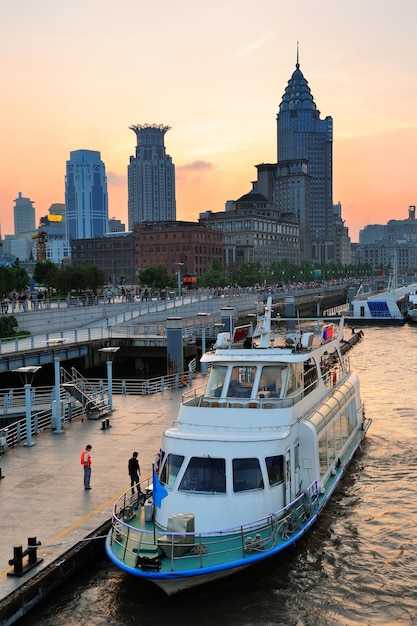
Start transfers by choosing two nearby docks and mapping connection times to avoid missed trips. In nycs, youll often find the distance between key spots along the East River and the Hudson is under a mile, letting you switch vessels quickly without long walks.
Check schedules at the dock or via the operator app to confirm which vessel operates, whether the route is running, and the expected turnaround. For a party or a few people, flexible options let you adjust if one boat is delayed. Ask which docks are operated by the current operator.
Know the restrictions on items and gear before you head out; avoid bringing oversized luggage or bikes on short hops; if something isn’t allowed, give it to a locker or plan a different dock. This keeps lines moving and reduces hassle.
Inspect each vessel before you board; you’ll notice life jackets, waterproof bags, and passenger limits. For a quick pre-departure inspection, look for clear crew signals and accessible exits. If something looks off, ask the crew and use the next available vessel or adjust your route. This practice ensures a smoother trip across the river.
Know distances between docks to optimize your path; plan a route with the shortest walking distance while staying within your time window. Short walks between stations save time for your next trips.
Locations with convenient access are your best bet for a light transfer load; choose docks close to your hotel, party venues, or work site. This setup keeps your schedule flexible and reduces fatigue.
Early arrivals are worth it; you’ll have a cushion if a vessel is late, and you can switch to the next option at nearby docks without rushing.
Working with groups helps; coordinate a pickup point with your party and confirm the dock’s highest crowd flow times, so you can plan a sequence that minimizes waiting. If you stay with two or three docks, you can go from one to another with little transfer distance.
Safety and access checks at the pier are routine; expect nearby staff to handle workflows and verify boarding passes; this step reduces misreads about which locations host your next ride.