


 Türkçe
  English (UK)
  Русский
  العربية
  日本語
日本語  한국어
한국어  Magyar
  Español
  Čeština
  Svenska
  Português
  Ελληνικά
  Suomi
Suomi  Nederlands
  Română
  Italiano
  Français
  Polski
  Українська
  Deutsch
  简体中文
简体中文  Slovenčina
 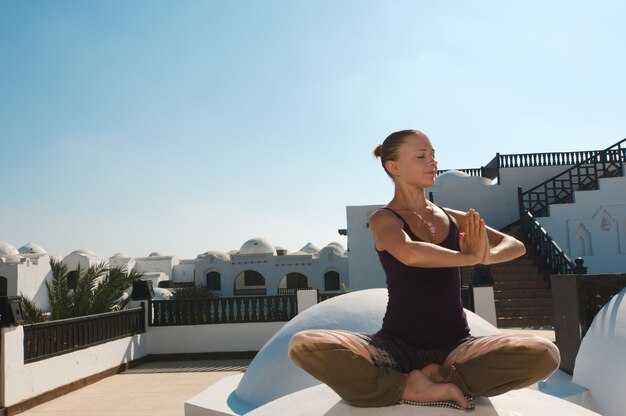 Yoga on Yachts – Luxury Sea Yoga Aboard Premium Yachts">

Begin your morning with a 20-minute sea yoga sequence to lift energy and keep you stable. The rhythm of the waves guides every breath, and bright sun warms shoulders as you settle into gentle stretches. On premium yachts, use a non-slip mat and a secure rail to anchor sequences and reduce sway, keeping your core engaged from the first flow, which brings calm to the core.
In calmer seas, tailor sequences to skill level; for individuals with balance concerns, add wall support and keep shins aligned to reduce issues. The rocking motion invites you to lengthen the spine and the head lengthens as you draw the chin slightly in. Focus on positions that engage ankles, shins, calves, knees, and hips; avoid locking joints to prevent strain. Each movement should stay controlled, with the breath guiding the pace as you stretch.
To warm up, begin with six to eight gentle poses, holding each for 30–45 seconds. This helps you build stability and gives you data to repeat on future legs of the voyage. For the lower legs, include calf raises and gentle squats to strengthen shins and ankles, supporting knee health as you move through long days. With each exhale, the hamstrings lengthen and the back muscles are gently stretched, preparing the body for standing poses. If you need a quick reset, pause in a comfortable standing position and take five slow breaths.
For groups, offer variations so individuals can move together without crowding; variations include chair pose for tighter decks, half moon to lengthen the sides, and a gentle twist to protect the spine. theyre able to adjust tempo and depth based on comfort, while the coach monitors breathing and alignment. If space is limited, switch to seated rotations and a slow neck release to stay stable on board. Finish with a calming corpse pose to bring back balance and mental clarity.
Premium yachts provide a seamless backdrop for mindful practice; a trained instructor on board helps you tailor the sequence to your need, and the moving horizon becomes a focus anchor. Remember to hydrate, avoid pins and needles, and pause if you feel seasickness returning. Each session would bring renewed balance, resilience, and calm that travels with you to the next port.
Yoga on Yachts: Luxury Sea Yoga
Begin your Luxury Sea Yoga onboard with five breaths of grounding: sit tall, close eyes, and settle the mind to sharpen concentration before any pose. Then stand in padasana to center the feet, touch toes to check hamstring length, and set your gaze forward.
On premium yachts, follow a traditional hatha sequence designed for motion. Keep the core engaged, protect the flexors, and limit spinal twists to 30 degrees during calm conditions to maintain balance as sails catch breeze and the deck tilts.
Complete a short routine that fits into ten to twelve minutes, with five breaths per pose, to maintain stability when the hull rolls. If a pose wanders the mind, return the body to touch toes or to padasana to reset concentration.
First-timers should start with beginner options: mountain pose (tadasana) on a stable deck, seated forward bend, and gentle backbends. Encourage steady progress by repeating the sequence five times across the voyage, noting how life aboard a yacht offers moments to practice between meals and sails, encouraging citizens to join during calm seas.
End with a cool-down: gentle padasana, light forward bend, and a brief savasana. Focus on flexors and hip flexors to release tension from standing work, and maintain a gentle touch on toes to finish; during relaxation, the rhythm of waves fosters a sense of complete calm.
Practical tips: use a non-slip mat, keep shoes off on deck, check weather and sea state before sessions; if winds stay calm, shorten sequences. Safety is considered non-negotiable and should guide every deck session.
Over years aboard premium vessels, a steady routine becomes a natural part of life, inviting crew and visiting citizens to share mindful movement between watches and meals.
Choosing the right premium yacht for on-deck yoga sessions
Start with a practical choice: select a yacht with a spacious, stable deck and a firm, non-slip surface, plus motion-control features that reduce roll during practice. This foundation helps you keep breath steady and posture precise.
- Space and surface: A deck that can fit a full warm-up and a series of poses without crowding is essential. Look for an open layout, a non-slip surface, and mats that stay in place in light breeze. A firm platform lets you ground through the glutes, keep hips engaged, and maintain abdominal support from the first pose to the last.
- Stability and motion control: Prefer yachts with stabilizers or hull design that minimize motion at rest. A lower center of gravity and a steady aft area give you room for balanced standing positions, longer holds, and safe transitions between downward and standing poses.
- Safety, shade, and access: Evaluate railing height, anchor points for mats, and shaded zones for hot days. Easy access to water, a first-aid kit, and clear exit paths matter when the deck moves or if a participant feels uneasy.
- Instructor-led structure and progression: The onboard instructor should tailor classes for on-deck work. A practical format: warm-up and breath work, then a mindful series that engages the abdomen, glutes, hips, and shins. Use paired positions to build trust and alignment. For advanced participants, offer options to deepen poses with longer holds and more complex transitions while keeping the head stacked and the chest open. Think of bent-knee variations when needed to stay safe and stable, and be ready to adjust on the fly if the motion increases. If a participant’s mind wanders, the instructor cues a quick reset. Eventually, you can scale to more challenging sequences as confidence grows.
Practical notes to reduce issues during sessions: start with a still gaze, pause if seas motion grows, and adjust stance width to keep balance comfortable. Emphasize an engaged core from the outset, and let minds stay focused so they do not wander. Track benefits across a series of classes and note which poses feel strongest, which require more support, and when to progress to longer holds or more challenging pairs. From beginner to advanced levels, guests have been able to grow with a well-structured program that opens the body and mind.
Grounding and footing: keeping feet on the floor on a moving deck
Plant your feet flat on the deck, shoulder-width apart, and keep the weight centered over the arches. Press the soles into the wood and spread the toes for grip. Maintain a soft bend in the knees to absorb the deck’s lurches and protect the ankles, starting with a solid physical base that safety can rely on.
Times when the deck faces blistering spray and gusts, usually your stance will widen slightly to create a greater base. Ground through the heels, breathe out on each move, and let the torso flow with the boat’s rhythm. This approach strengthens balance and prepares you for steady practice at sea. If balance wobbles, try another micro-adjustment.
Apply dandasana-inspired alignment: lengthen the spine, crown lifting, hips in neutral, elbows softly hugging the ribs. This internal cueing keeps you feeling strong as the deck shifts, and it helps you bring awareness to subtle shifts in weight. These cues demand focus; they require you to stay present.
Use micro-movements to adjust: when the deck moves, keep feet rooted on the floor, shift weight from one foot to the other, and bring the hips and knees with you, not the shoulders. These small, making adjustments maintain center and safety. If balance wobbles, try another micro-adjustment.
In a brief grounding sequence: deep breaths, release of jaw and shoulders, and a quick corpse pose on the cabin floor to reset. The deep breath connects with the physical sensation of ground, and the release invites greater flow and a calm, supporting a spiritual approach to the next moves.
Safe practice: anti-slip mats, rails, and low-risk poses
Place anti-slip mats to cover the working area near the rails, securing corners with deck clips to support safety. Choose mats with a textured surface and a thickness around 5 mm to maintain grip during controlled stretch, and inspect the surface before each session for any debris that could reduce traction.
Install rails along both sides within easy reach. Use non-slip grip tape on polished sections to guarantee solid contact if spray or salt fog makes surfaces slick. When practicing, hold a rail with one hand as you settle into poses and release gradually only when stability is assured, especially as the deck shifts outwards and inwards.
Warm up with a concise sequence that activates the core and lengthens the spine. Stand with feet hip-width apart, toes forward, and press into the rails for support. Inhale to grow tall; exhale to draw the deep core up and anchor the pelvis. Maintain a relaxed jaw and shoulders to keep the balance steady on a moving surface.
Progress to low-risk shapes such as standing forward bend with micro-bends in the knees or supported warrior poses using the rail for extra stability. Keep the neck soft, eyes forward, and breathe evenly. With each hold, the core and legs work together to strengthen posture and resilience on a rolling deck.
Transition carefully between poses and use the rail as needed. Aim for 3- to 5-breath holds to build concentration and deepen relaxation after each stance. If fatigue appears, drop back to a supported position and reset before continuing.
Finish with savasana on the mat: lie with arms at the sides or resting on a bolster, eyes closed, and breathe slowly for 2–4 minutes. Let the body relax fully, then slowly return to seated to complete the session.
Momentum-friendly sequences: slow flows and stabilizing poses for seas
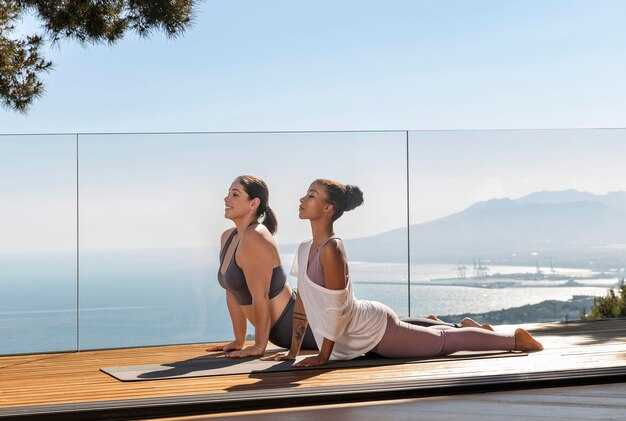
Begin with a 6-minute prep to steady the motion and master breath. Prepare to feel grounded even as the deck moves. Stand with feet hip-width apart, base through the heels, lengthen the spine, and keep the back tall. Engage the navel toward the spine, soften the knees, and keep the gaze still. Use a calm inhale-exhale ratio, adjusting if the rhythm shifts with the swell.
Beginner-friendly, momentum-friendly slow flows: Mountain to Forward Fold, Half Lift, and Low Lunge. They take three breaths each; keep the weight centered over the base, sit bones grounded, and maintain a soft gaze. On every transition, straighten the spine as you move, and allow the back to stay tall. If balance wobbles, drop a knee and reassemble the pose; you master steadiness by practice. Usually, each pose takes three breaths.
Stabilizing cues for the back and pelvis: common misalignment is locking the knees, so keep them soft. Stand in Mountain, then move into Tree Pose with light hand to a rail; buttocks engaged, knees soft, and the navel drawn in. In Warrior III, micro-bend the standing knee and lengthen the crown of the head forward. For seated counterposes, sit tall on the buttocks, lengthen the spine, and allow the breath to guide the movement.
Mental advice: if the deck shifts, cue the brain to return to the breathing cycle and the base of support. Focus on the path of the breath as it travels from the navel outward; this anchor keeps them grounded and reduces overcompensation from the motion. Pause if pain appears and rework alignment before resuming flow.
On yachts, maintain this routine for days at sea by pairing a 2- to 4-minute reset after meals or shifts in wind. This easy sequence invites steadiness without rushing; float the chest, keep the back long, and gradually extend practice as you feel more stable. For beginner-practitioners, use a chair or rail to support the stance and progress toward fully grounded poses with time.
Breathwork and focus: cues to steady balance amid breeze and swell
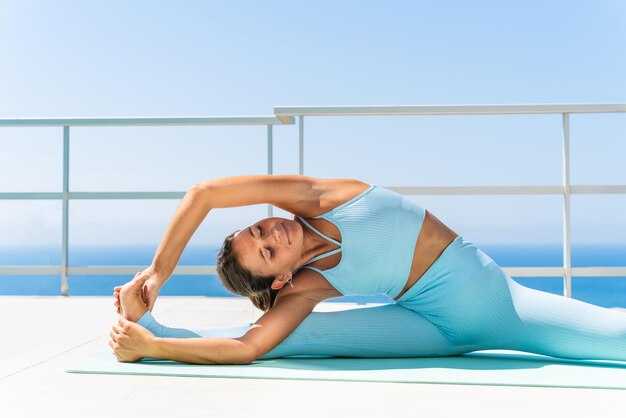
Breathe steady with a nasal inhale for four counts, then a controlled exhale for four counts, and fix your gaze on the horizon to stabilize balance in breeze.
Plant feet about hip-width apart, knees soft, with the pelvis neutral. Let the navel draw gently toward the spine to support core engagement as deck motion shifts beneath you.
Sırtı uzun, boynu yumuşak ve çeneyi rahat tutun. Parmaklarınızı kalçalar üzerinde hafifçe dinlendirin - güverteyi sıkmaktan kaçının - ve denizin ritmine kulak verirken bileklerinizin gevşek kalmasına izin verin.
Ani sert rüzgarlarda nefesi yavaşlatarak, sabit bir iç nefes tutarken dışarı verirken, dalgalanmalar yükseldiğinde sizi sakinleştiren dingin bir ritim yaratın.
Görsel ipuçları yardımcı olur: görüş hattını birkaç metre ileride sabitleyin, ufku kısa bir süre tarayın ve nefesin her esintiyle vücudu istikrarlı bir mikro ayarlamaya yönlendirmesine izin verin. Sallanmayı en aza indirmek ve gövdeyi sabit tutmak için geniş bir taban, nazik bir diz bükülmesi ve nötr bir pelvis ile pratik yapın.
| İşaret | Practice |
|---|---|
| Burundan derin nefes alma + eşit egzersiz | Dört sayımlı döngü; çene yumuşak, dil dinlenmede |
| Horizon bakışı | Odak, seyahatin hemen önünde bulanıklaşıyor, her rüzgardan sonra sıfırlanıyor. |
| Ayak tabanı | Diz ayakları kalçalardan biraz daha geniş; dizler yumuşatıldı |
| Gövde uzunluğu | Omurga dik tutulmalı; gerginlik olmadan taç kaldırır gibi hayal et. |