


 Türkçe
  English (UK)
  Русский
  العربية
  日本語
日本語  한국어
한국어  Magyar
  Español
  Čeština
  Svenska
  Português
  Ελληνικά
  Suomi
Suomi  Nederlands
  Română
  Italiano
  Français
  Polski
  Українська
  Deutsch
  简体中文
简体中文  Slovenčina
  Why a Greece Sailing Tour Should Be On Your 2025 Bucket List">

Book a Greece sailing tour this year to experience ionian winds in full force, anchor near Corfu town, and drop anchor on a nearby islet before the August crowds.
medsailors offers greek-flagged fleets that dock at marinas right along the ionian coast and in Corfu’s port towns, making planning simple for first-time sailors and families.
When you choose a route, consider location and weather windows – during May to October you’ll find reliable winds, consistent seas, and marinas with good protection from swell.
From Corfu to Lefkada and toward a small islet cluster, you can plan a loop that balances lively town evenings with quiet bays offering safe moorings; this adds flexibility and safety for families and friends.
If you travel during the shoulder season, marinas stay friendly, prices drop modestly, and you still get clear seas, easy berthing, and direct access to charming towns along the coast.
Choose the location that fits your pace – whether you want a lively ionian harbour loop or a tranquil corfu-islet hop, you can start anywhere in Greece and still enjoy high standards and ready support from medsailors, whose offering includes skipper-led trips and flexible itineraries for your group.
Greece Sailing Tour: Your 2025 Bucket-List Planning
Choose a seven-day charter on catamarans that follows a clear order: santorinis, kefalonia, then a handpicked group of islands and islets that come near the mainland. This technique keeps winds favorable and anchors in sheltered bays, maximizing time on deck.
Plan 4–5 stops along the archipelago, balancing morning swims with afternoon sun on a beach and village strolls. An alternative route can skip crowded ports and still deliver a special mix of scenery, culture, and quiet coves.
Three standout moments anchor the plan: a sunset over santorinis caldera, a hidden beach on kefalonia, and a star-filled night on a quiet islet. You’ll also enjoy a night under the star, with the constellations clear above calm water.
Know the shoulder seasons and the winds that favor shorter hops and longer sails. The plan is fashioned to be flexible, with a light schedule that lets you design days around what you love, not a fixed timetable. This approach means you have the option to swap ports or linger in a favorite cove.
With Greece as the country, the coastline offers both rugged cliffs and sheltered harbors. If you know where to go, you can limit expensive spots while still keeping the overall experience premium. The route design emphasizes value without sacrificing memory-making moments.
Design a route that blends long sails with short hops so you can snorkel near a rocky islet, relax on a sandy beach, and step ashore for a quick culture fix in a harbor town. The archipelago provides numerous safe anchorages, and each stop adds a fresh perspective on local life.
Remember: three distinct highlights keep the plan cohesive: santorinis, kefalonia, and the islets near them.
Prime sailing seasons by region: Cyclades, Dodecanese, Ionian
Book Cyclades sailing in May for typically light winds, little crowds, and sunset over the front of island towns. Whereas July–August bring the classic meltemi, May and September offer calmer seas, better visibility, and a vibe that everyone on board will notice. There are five harbors with facilities for provisioning and anchoring, making details easy to manage. Gyaros stands as a rugged gyaros example on the archipelago’s west edge, while Crete lies to the south as a potential add‑on if you’re having time to extend the voyage. Be ready for short hops between islands for beaches and quaint shorefronts; anchoring in sheltered bays makes sunset moments even more rewarding. Book early to avoid incurring premium rates during peak weeks, and consider a flexible itinerary with Sunsail if you’re seeking reliable support.
Where Cyclades lean into wind and distance, the Dodecanese offer easier navigation and more sheltered days. Best windows are April–June and September–October, when archipelago towns feel intimate and the vibe stays relaxed for everyone. Examples include Kos, Rhodes, Symi, and Kalymnos; short hops between ports keep the pace lively without friction. Beaches line many coves, and west‑facing views make sunsets a daily highlight, with having time to linger in tavernas and markets. Incur fewer surprises by choosing marinas with good facilities, and use navigating tips from local crews to shorten crossing times and reduce risk.
Ionian cruising shines from April to October, with steady sea breezes and a laid‑back vibe. The meganisi cluster stands out for crystal‑clear water, little current, and easy anchoring in protected bays. From Lefkada to Paxos, Ithaca, and Corfu, the archipelago delivers quaint villages, beaches, and some of Greece’s most memorable sunsets. Crete lies to the south, offering a natural extension for a longer circuit if you’re having time to stitch southern routes together. Booking with Sunsail helps you lock in a plan and avoid incurring last‑minute charges while navigating smoother days between coves and lagoons.
Meltemi winds: impact on planning, safety checks, and daily schedules
Start with morning sails and secure sheltered bays before the afternoon rise of Meltemi; this keeps travel time predictable and makes enjoying alonissos and its charming coves comfortable for your family. If forecasts permit, plan a short hop toward rhodes, but keep day lengths modest and reserve abodes in calm harbours among the islands.
Before departure, run a concise safety check: wind direction and forecasted speed (typically 15-25 knots with gusts to 30-35), rigging, PFDs, VHF, engine readiness, and anchor gear. The checks are necessary to stay ahead of shifts as winds swing from gentle mornings to gusty afternoons. These steps help ensure safety. The operator said daily checks reduce surprises. For those having limited experience, consider a skipper from boataround to guide you through the first legs.
Depending on forecast, structure the day as a slice: a 2–3 hour morning leg, lunch in a sheltered cove, and a 1–2 hour afternoon hop only if winds stay moderate. Choose alonissos or a caldera-adjacent inlet among communal moorings to keep fees predictable; marina fees can be expensive in peak season, so think ahead with the operator and boataround. Those travellers keen on family comfort should limit hops, enjoying anchor time and shore visits for a balanced day.
Autumn brings cooler air but Meltemi can persist along the Aegean coast; expect restrictions at some harbours and plan overnight stops with flexibility. Thinking ahead, assess the route under rhodes and other islands and keep a conservative margin for weather changes.
7-day route ideas: day-by-day itineraries with anchorages and distances
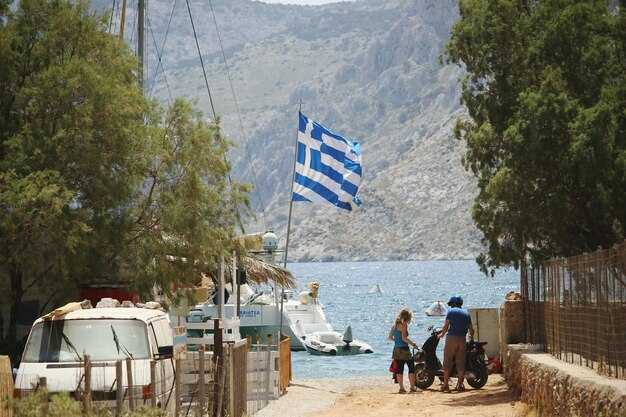
Day 1: Lavrio to Vourkari, Kea – ~40 nm
Set off from Lavrio with a steady south or west wind, ideal for a confident monohull. You’ll cross open water but reach the protected cove at Vourkari in Kea by late afternoon. Look for a sandy bottom and calm blue water. This first stop offers a relaxed start with authentic Greek tavernas lining the quay, perfect for a family welcome. If you prefer a marina night, the official harbor has limited pontoons, but anchoring in the sheltered bay works well for an overnight calm. Weather windows in mid-summer are favorable, and you’ll find prices reasonable in shoulder hours. Boataround and Sunsail list several boats suitable for a daily schedule from 120–180 nm in a week, and a small crew can enjoy a simple technique refresher before the week ramps up.
Day 2: Vourkari, Kea to Kolona Beach, Kythnos – ~25–30 nm
A short, steady hop to Kolona Beach, famous for its sandy spit that divides two shallow lagoons. The stop is perfect for kids to swim and for a calm, sheltered overnight anchor. Kolona Beach is known for clear water and a friendly, low-key vibe; you can easily step ashore for a brief walk and a bite at a seaside taverna. Prices stay friendly in this corner of the Aegean, and you’ll appreciate the limited crowds in mid-summer. If you want a marina night, the small harbor near Loutra is official but busy; anchoring a short distance offshore gives you more freedom while still being close to shore facilities.
Day 3: Kolona Beach, Kythnos to Megalo Livadi, Serifos – ~25–35 nm
This leg brings you into the Cyclades’ rough beauty with a protected approach to Serifos. Megalo Livadi on Serifos offers a sandy beach approach and a shallow, clear harbor area for an overnight stop. The route is ideal for families seeking a authentic Greek experience: calm coves, simple tavernas, and a flag-waving welcome at the marina if you opt to dock. Expect daily breezes that stay steady for comfortable sailing, and enjoy the chance to refresh supplies and explore a hill town with traditional architecture. If you need a backup, other coves along Serifos’ west coast also work, but Megalo Livadi balances scenery, facilities, and smoother water for a 7-day plan.
Day 4: Megalo Livadi, Serifos to Adamas, Milos – ~40–50 nm
A longer leg into Milos presents dramatic scenery, with volcanic-gray cliffs and whitewashed villages ashore. Adamas Bay gives you a protected anchorage with a nearby marina option and a cluster of authentic Greek eateries. For a family with kids, the water remains shallow enough near the coast for easy swims after the sail. This stop is a standout offer for island charm, with sandy beaches nearby and a harbor area that’s well marked on official charts. Mid-summer pricing at the marina can be higher, but anchoring off the coast provides a more economical daily rhythm without sacrificing access to services.
Day 5: Adamas, Milos to Vlychada or Ammoudi Bay, Santorinis – ~60–70 nm
Cross toward Santorinis for a dramatic change of scenery: caldera views, white walls, and blue domes. Anchor east or south of the main island in Vlychada Bay for a sandy-bottomed, sheltered overnight stop, then enjoy a stroll along a Greek flag marina area or step into Ammoudi Bay for a sunset dinner. Santorinis is known to be pricier in mid-summer, so plan accordingly, but the authentic Greek experience remains unmatched: cliffside villages, clear water, and scenic walks. For families, this leg is a highlight, and you’ll appreciate the daily routine of a shorter morning sail followed by afternoon exploration ashore. If the weather widens your window, an official marina option is available in Athinios, but anchoring near Vlychada keeps costs reasonable and the vibe intimate.
Day 6: Santorinis to Manganari Bay, Ios – ~20–30 nm
A shorter hop to Ios keeps the pace balanced after Santorini’s splendor. Manganari Bay on Ios offers a sandy stretch and shallow water ideal for a relaxed swim and a family-friendly stroll. Overnight in the calm cove gives you a chance to practice sailing technique in lighter winds and to enjoy a quieter evening away from larger tourist hubs. If you’re looking for another option, Gialos or Koumpara Cove on Ios provide similar sheltered opportunities with low-key tavernas. The daily distance keeps the route dynamic yet comfortable for a monohull, and it avoids the most expensive spots while still delivering iconic Aegean scenery.
Day 7: Ios to Lavrio (Athens area) – ~120–150 nm
Return to the mainland by a steady day sail. The passage back is a classic working-leg for a sea-loving family, with chances to spot seabirds and enjoy a refreshing dip along the way. If you’d rather shorten this final leg, you can shorten it by stopping at another nearby island before continuing, depending on winds. This day concludes your 7-day loop and primes you to refuel, rest, and plan the next adventure. If you’re wrapping the trip with a flight home, Santorinis’ airport connection makes a convenient end point for a family-friendly, mid-summer departure, while the Greek flag and local marinas provide a reliable last-night option.
Planlama için notlar
– Weather and daily distances vary; choose windows that suit a safe, comfortable pace, especially with kids on board. Look for sheltered anchorages with sandy bottoms and clear water where possible, and reserve marina nights only when necessary for supplies or a protected night. Prices in mid-summer tend to rise at island hubs, so anchoring is a practical option for a limited budget. This route offers a mix of iconic santorinis views, authentic tavernas, and family-friendly stops that suit a greek coastal life. If you’re looking dengeli bir gezi için, bir monohull rahat bir günlük program ile ve kullan official denizcilik haritalarını her demirleme yerini doğrulamak için kontrol edin. Ekipman veya kiralama seçenekleri için kontrol edin boataround ve sunsail listings; birçok kiralama offer ready-to-sail packages perfect for a orta yaz plan. Eğer bir planla yelkenliyorsanız bir family, birkaç planlayın overnight Kea, Kythnos, Serifos, Milos, Santorini ve Ios gibi adalarda durarak günlük mesafeleri korumak. limited ve keyifli. Kıyı ziyaretleri, çeşitli bir karışımı içerebilir. kumlu plajlar, küçük pazarlar ve authentic tavernalar için bir greek yaşadığınız gibi hissettiriyor almost yerel bir keşif gibi. Faydalı technique Ekip için amaç, yelken ve demirleme görevlerini paylaşarak, rahat bir hafta için istikrarlı bir hızda ilerlemektir. Ve evet, aniden bir mola vermek isteyebilirsiniz. moni yol boyunca sessiz bir manzara ve bir sonraki etaba geçmeden önceki sakin bir an için.
Mevsimlere göre Yunan sularında paketleme ve tedarik ipuçları

40 litrelik bir soğutucu ve 20 litrelik kuru bir çanta hazırlayın, ardından maliyetleri istikrarlı ve lezzetleri canlı tutmak için yerel pazarlara göre yemek planlayın; sadece geri izlemeyi en aza indirmek için esnek bir rota ile başlamayı planlayın ve tadını çıkaracaksınız great shore dining. Markets differ by island, so adjust shopping with your plan along the east Aegean.
Spring (Mar–May) Değişken sabahlar hafif katmanlar ve kompakt bir galeri ocağı gerektirir. Köy pazarlarında taze otlar, domatesler, feta ve zeytin keşfedin; dine kıyıya çıkıp basit Yunan yemeklerini tatmak için. shopping for staples in larger towns keeps costs steady while emerald coves glow in spring light. Overnight stays in sıcak ve samimi harbours after pleasant swimming sessions add charm. Heres a simple rule: entry towns supply reliable basics, then add local produce at some village markets along the east kıyıdan dengeli öğünler planlayın. Sakin kıyı şeridlerini takip edin ve birkaç boyunca bir rota planlayın. destinations geri izlemeyi önlemek için ve keyifli bir beautiful ekonomik yemekler ile lezzetli yerel lezzetler arasındaki zıtlık.
Yaz (Haz–Ağu) Isı suyu orta ila yüksek 20'lere C doğru iter, bu nedenle daha kısa atlamalar planlayın veya gündüz ışığında demirleyin. Sabah pazarlarından süt, meyve ve ekmek stoklayın; prices Adadan adaya değişir, bu yüzden temel ihtiyaçları daha büyük kasabalarda alın ve kıyıdan yerel ürünlerle tamamlayın. Buz blokları balık ve peyniri güvenli tutar; dine kıyıya, ızgara ahtapot ve taze salatalar için. Akşamlar için, berrak yüzme ve kolay karaya iniş olan koylarda geceleme. Güneydoğu yönlü bir döngüye bağlı kalmak için planınıza uyun ve yoğun merkezlerde ek maliyetlerden kaçınmak için bazı demirleme yerlerini önceden ayırın. Zümrüt koylar ve beautiful kıyı şeritleri günleri unutulmaz kılıyor ve sen de hissedeceksin mutlu zıplayarak arasında geçiş yapabilme esnekliği ile destinations.
Autumn (Sep–Nov) Hasat mevsimi daha derin tatlar getirir; yüzmek için korunaklı koylarda su sıcak kalır. Fiyatlar yoğun sezonun ardından düşer, böylece birkaç yerde daha uzun süre kalabilirsiniz. destinations. Yerel olarak üretilen zeytinleri, balı ve şarabı köy pazarlarında keşfedin; sonbaharda sabit gün ışığı ile daha uzun seyahatler planlayın. Gecelemeler olmaktadır sıcak ve samimi as evenings cool. Entry times to harbours are friendlier and you can dine ızgara balık ve mevsimlik sebzeler içeren tabaklarda. contrast canlı yaz ve daha sakin sonbahar günleri arasında hissedilir. impressive ve yavaş, manzaralı davetlerde bulunur trailkıyı şeridi boyunca uzanıyor.
Winter (Dec–Feb) Yelken, güney ceplerine doğru daralıyor; bir tut sıcak ve samimi onboard kurulum ve yedek bir yakıt paketi. Bazı limanlar kapanır, diğerleri kış denizcileri için açık kalır; kontrol et. entry kurallar ve hava koşulları; ekstra sıcak katmanlar ve kompakt bir ısıtıcı paketleyin. Shopping Seçenekler daralır, bu yüzden bozulmayan temel malzemeleri getirin ve buzdolabı alanını gereksinimler için ayırın. Bir gece veya iki gece konaklamalar dikkatli planlama gerektirir; birkaç güvenli destinations Daha sakin rüzgarların avantajını kullanın. Eğer denizleri Zeus'un koruduğuna dair efsaneler duysanız, o hikayeleri barınaklı koylardan yeşil gün batımları olarak hayal edin. Mutlu sailing, ve uygun bir fırsat penceresi açıldığında, bu sakin dönem bahara giden ve... beautiful kıyı şeritleri başka yerde.
Hangi charter seçenekleri mevsimsel zaman dilimlerine uyar: tekneler, mürettebat ve bütçeler.
Mayıs veya Eylül ayında maliyeti, havayı ve ambiyansı dengelemek için özel, mürettebatlı bir kiralama ayarlayın.
Maliyetlerin tekne büyüklüğüne, mürettebata ve mevsime göre değiştiğini anlayın. Doğru seçim, konaklama ihtiyaçlarını seyahat tarzıyla birleştirerek, yiyecek ve duşları keyifli bir haftalık deniz yolculuğu için rahat ve açık tutar.
- Mayis–Haziran başı: sakin açık su, özel kiralama için en iyi değer
- Tekne tipi: özel monohull veya katamaran, 40–50 ft, yetenekli mürettebatlı; gemide iyi konaklama imkanları.
- Maliyet anlık görüntüsü: zirve mevsime göre daha düşük; haftalık aralıklar boyut ve güzergaha bağlı olarak yaklaşık €6.000–€12.000.
- İtinerer notları: Lefkada veya yakınlardaki bir marinadan başlayın, Kalamos ve diğer köyleri ziyaret edin, keyifli tavern yemeği yiyin ve kıyı şeridi boyunca küçük koyları keşfedin.
- Pratik ipuçları: uygun koşulları sağlamak için erkenden arkadaşlarınızla rezervasyon yaptırın, açık limanlardan ve belediye limanlarından yararlanmak için esnek bir takvime sahip olun, marinlarda duşlar mevcuttur.
- Haziran ortasından Ağustos'a: popüler sezon, daha fazla kalabalık, daha yüksek maliyet
- Tekne tipi: özel veya özel mürettebatlı katamaran; daha büyük bir mürettebat, yumuşak bir atmosfer ve dengeli bir gemi ritmini korumaya yardımcı olur.
- Maliyet anlık görüntüsü: talep nedeniyle yüksek; tahsis, marina ücretleri ve yoğun haftalar için potansiyel prim planlayın.
- İtinerer notları: daha yoğun limanlara hazırlıklı olun; daha rahat bir hız korumak için daha küçük köylere ve belediye limanlarına öncelik veren rotalar seçin.
- İpuçları: iyi önceden rezervasyon yaptırın, esnek yemek ve gezi seçenekleri olan rotaları tercih edin ve Kalamos'u her gece için sabit bir liman ve yıldızlı geceler için göz önünde bulundurun.
- Eylül–Ekim: daha sakin denizler, daha iyi değer, açık ruh hali
- Tekne tipi: özel veya özel mürettebatlı yelkenli veya uyarlanabilir güzergahlara sahip katamaran; konaklama rahat kalır.
- Maliyet anlık görünümü: genellikle zirve aylardan daha düşüktür; fırsatlar, operatörlerin sezon sonu doluluğunu temizledikçe ortaya çıkar.
- İtinerer notları: daha uzun günler keyifli yürüyüşlere (üç yönlü rota seçenekleri dahil) ve Kalamos'un koylarının keşfine olanak tanır; balık sezonunun lezzetleri köy yemek menülerinde görünür.
- Pratik ipuçları: değeri korumak için küçük bir mürettebat veya birkaç arkadaşınızla seyahat edin, marina yerlerini önceden rezerve edin ve akşamları yıldızlara bakmak için açık tutun.