


 Türkçe
  English (UK)
  Русский
  العربية
  日本語
日本語  한국어
한국어  Magyar
  Español
  Čeština
  Svenska
  Português
  Ελληνικά
  Suomi
Suomi  Nederlands
  Română
  Italiano
  Français
  Polski
  Українська
  Deutsch
  简体中文
简体中文  Slovenčina
 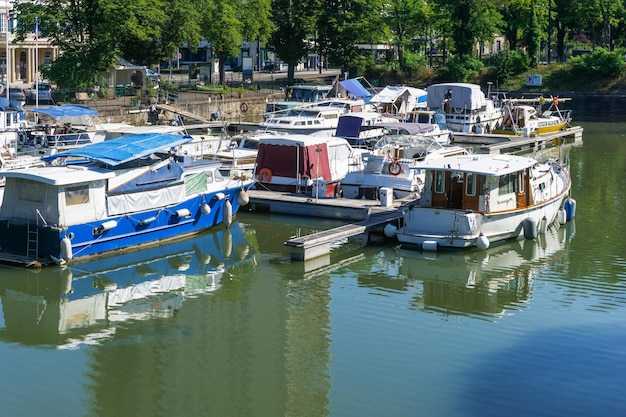 What Types of Boats Can I Rent? A Comprehensive Guide to Boat Rental Options">

Rent a small sailboat for lake weekends. This option is easy to handle, costs less, and keeps you close to wind and water-based scenery. Check with local fleets at the marina to see if they provide safety gear, basic lessons, and short trips. If freshwater cruising is your plan, choose a sailboat with a shallow draft to access narrow channels and calm areas. youll find several entry-level models, and many clients use them for beginner-friendly trips.
For longer outings, consider a cabin cruiser or powerboat. These vessels are suitable for multi-day trips and offer sleeping berths, a galley, and enclosed heads. They provide autonomy on the water and reduce stops for meals. When you rent, ask about fuel policies, on-board safety gear, and whether the boat comes with a dinghy for shore trips.
Luxury options exist for special occasions. High-end craft such as sport yachts and luxury catamarans appeal to clients who want a relaxed day on the water with premium features. These boats are usually rented for half- or multi-day charters, with attentive crews and tailored itineraries. Check the charter package for included amenities and compare rates and add-ons.
Families and groups who love cooking on board sometimes find boats with grills and outdoor dining areas; check if the model you select has grills and whether grilling is allowed on deck. In many areas, youll enjoy water-based trips with quick access to shore facilities and fresh produce from local markets.
Fishing enthusiasts should look for specific features. Some rentals provide fish-friendly tackle stations, rod holders, and coolers. If you want freshwater fishing, choose a boat with a stable hull and a cabin for shade between casts. If you need on-board storage, compare portside lockers and utensil kits.
How to decide quickly List your trips, estimate budget, and map the areas youll visit. If you plan multiple geziler in a weekend, look for multi-day options and flexible cancellation policies. Ask operators about safety checks and life jackets; youll get a clear sense of which model fits your plan. Other options include houseboats or pontoon boats for casual cruises.
Sailboat Rental Essentials for Beginners
Start with a 20–25 ft keelboat, a simple sloop with a single rudder; this type is best for beginners and available across many lakes. For safety, most rentals require a safety briefing and a basic seamanship check. If you’re three customers, choose a boat that seats at least four to leave room for gear and comfort. On getmyboat, filter for captain-offered options to add hands-on guidance and a smoother start. A large cockpit and wide foredeck also help learners move confidently while handling lines.
Know the types of vessels offered for water-based sailing: daysailers, small sloops, and larger deck-sailors. Three common beginner setups are a 20-26 ft sloop, a 25-30 ft daysailer, and a compact catboat. These boats provide forgiving handling, predictable balance, and simple rigging across locations. Each has a different systems layout, so ask about safety gear, spare parts, and sail plan before you book.
Before you hit the water, confirm the safety and readiness: life jackets in the right sizes, a throwable device, a working VHF, and a charged battery. Check the auxiliary engine, fuel plan, and a basic chart or GPS. Learn the basics of halyards, sheets, and reef points; practice tying a bowline and a cleat seam while docked so you feel confident on the move.
Booking tips: choose time blocks that fit your schedule, typically half-day or full-day, and verify what is included–dockage, fuel, and cleaning fees. If the forecast calls for wind around moderate, the best choice is a boat suited to light to moderate breeze, with a reef point ready for gusts. For newcomers, a captain option often improves comfort and safety, especially on larger yacht charters or when navigating unfamiliar waters. Also review cancellation terms and reschedule options before you confirm.
Practical setup: pick lakes or sheltered bays to learn before attempting open water. Prepare for diving-friendly moments by selecting boats with safe swim ladders and gear storage. Always check local rules and daylight limits; respect wind shifts and currents, and stay within your experience level. With the right preparation, sailing becomes intuitive, and you can explore at your own pace while building skills and confidence.
Bareboat vs Crewed Sailboat Rental: What’s the Difference
Choose crewed sailboat rental if you want a relaxed, hands-off experience from day one; this offering suits those who value safety, local knowledge, and a seasoned captain who can navigate water with confidence. With a crew aboard, you get a captain, a mate, and often a deckhand, and sometimes a chef, so you can focus on the scenery and adventure. Bareboat is more affordable for those who hold a sailing license and want full control over the itinerary, speed, and stops, and you’ll feel that gain in the pace of your day. Rates vary by brand and size: small 30-40 ft sailboats often run $200-350 per day, while large 45-60 ft yachts used for bareboat can reach $700-1200 per day; weekly charters offer more predictable pricing and fewer hidden charges.
On a crewed boat, the deck crew handles docking, provisioning, weather checks, and day-to-day management, so you’re free to enjoy the water and sound of the waves, staying relaxed and focused on the scenery. In a bareboat charter, you’re responsible for navigation, safety equipment, anchor handling, and trip planning, which gives you more flexibility but demands strong seamanship. For families or first‑timers, the security of a skipper and crew reduces risk and adds those perks like on-board meals and daily provisioning. If you want to explore water-rich routes with diving, crewing often offers better support, while bareboat demands self-sufficiency and clear itineraries.
The choice also depends on your travel vibe: those seeking a brand‑new experience may prefer the luxury feel of a yacht-style crewed trip, while those chasing a rugged, quick‑moving schedule may opt for a small bareboat. Those who want to maximize time on the water may pick a powerboat or speedboat alternative for short, narrow channels, but sailing offers a deeper adventure. Pontoons can be a budget-friendly complement if you’re exploring a shorefront or family activities; however, for open-water trips, a sailboat with a captain tends to deliver smoother handling and stability in winds. If you want to cover more water across islands, consider the variety of routes and the ability to switch between calm and challenging conditions.
How to decide: assess your crew’s experience level, trip length, and desired pace. For a seasoned sailor with time constraints, bareboat offers flexibility and lower baseline cost; for thrown-in amenities and worry-free days, crewed is the better match. Check those sources for guidance; источник indicates you should verify licenses, insurance, and local regulations. Look for operators offering onboard provisioning, diving trips, and deck-hand support; read reviews to confirm that the vessel’s deck layout and cargo space meet your needs. Finally, ask about included gear: sails, dinghy, navigation electronics, and safety equipment; ensure you understand any additional charges for fuel, marina fees, or port dues. Remember that every trip has its own rhythm–plan a few backup options in case weather shifts, and thats when you decide between bareboat and crewed, and these decisions shape your water adventures.
Popular Sailboat Styles for Rent: Daysailers, Cruisers, and Racing Yachts
For most groups, start with a daysailer for relaxed daytime cruising on waterways; they are small, easy to handle, and provide ample deck space for sunbathing, picnics, and exploring with others on board.
Daysailers typically measure 18–28 feet and offer a simple cabin or open cockpit. They are often powered by a single outboard or a small inboard engine with combustion, making maintenance straightforward and permissions easy. They perform well on freshwater lakes and near coastal routes, inviting captain and crew to learn the basics quickly. They make exploring routes accessible and are ideal for groups seeking a calm, social day on the water.
Cruisers deliver shelter, comfort, and flexibility for longer trips. A cruiser’s cabin provides a dry, relaxing space for naps, a galley for simple meals, and a head for privacy. Ample seating on deck and a stable hull design make cruising around harbors enjoyable for families or groups of friends; choosing a mid-size cruiser can feel luxurious without carrying the big upkeep of larger yachts. Near anchor zones, they provide a steadier ride and easy socializing under the sun.
Racing Yachts intrigue experienced sailors with power and precision. They are powerful vessels with tall rigs, responsive helm, and a demanding sail plan that rewards timing and crew coordination. They typically require a capable captain and a dedicated crew, but even beginners can participate on a tow-along or shuttle plan in sheltered waters. Racing yachts deliver a thrilling sense of speed and control in the worlds of competitive sailing, often drawing groups who want to push limits and learn trimming, sail selection, and trim optimization.
When choosing, consider your route and the type of experience you seek. If your aim is exploring near shorelines and relaxing days with friends, a daysailer or cruiser suits most, offering ample space, easy handling, and flexible anchoring in quiet coves. For a more action-packed program, a racing yacht provides a powerful platform to test skills and enjoy the challenge, making every outing feel like a brief regatta. Always list safety gear, verify anchor equipment, check the cabin comfort, and confirm the boat’s capacity to avoid overcrowding–maintaining a careful balance between comfort, performance, and safety on your waterway adventures.
Estimating Capacity: How Many People Can a Sailboat Hold
Check the capacity plate on the sailboat; youll know the official limit for people and weight, and add a 10-15% safety margin for comfort and movement. On lake or river trips, small sailboats typically accommodate 4-6 adults with gear, while mid-size models handle 6-8 guests; larger catamarans often list 8-16, depending on layout and fixed seating.
Plan by counting people plus gear. Include life jackets, bags, cooler, and the tender’s equipment. If your group includes skiing or tubing gear, allocate space for the boards, skis, or tubes so nobody blocks hatches or lines. Distribute weight evenly and keep heavier people lower and midships to maintain balance; avoid crowding the bow or stern to prevent trimming or handling issues.
Catamarans typically offer more shoulder room and a wider beam, making it easier to accommodate larger groups without sacrificing comfort; for those who want a relaxing day, spread-out seating and shade options feature prominently. Narrow traditional sloops feel tighter but handle well with an experienced skipper. If you want specific comfort, choose the best berths and seating for your party, balancing people and gear rather than chasing the highest headcount; small boats emphasize balance and control.
For safety and planning, check the boat’s requirements with an experienced skipper. If the vessel has a small dinghy or an auxiliary combustion motor, check its weight and space and how it affects capacity. A stable, powerful hull with adequate handrails and a wide deck improves comfort for those who value a relaxing day on the water regardless of boat size. For special activities like tubing or skiing on a lake, confirm you have enough space and a plan for gear storage so youre not juggling gear while changing tack.
Bottom line: start with the official capacity, add your gear and passengers, and adjust for activity type and comfort. For catamarans, you can often accommodate more people across multiple decks and lounging areas; for narrow traditional sailboats, prioritize balance and safety. Always err on the side of fewer people than the maximum, and check local regulations and boat-specific notes before departure.
What’s Included in a Sailboat Rental: Gear, Insurance, and Fees
Choose a rental that lists gear, insurance, and all fees upfront. youll save time and avoid surprises, especially if you compare the marketplace listing for a single fleet. This package centers on sailboats, not speedboats, so you can focus on exploring the water with confidence. Adventurers exploring lakes and saltwater will appreciate ample safety gear and clear costs from day one.
- Gear and safety: Safety gear for all aboard includes life jackets, a throwable flotation device, a fire extinguisher, a first-aid kit, signaling devices, and a working VHF radio. Expect an anchor with line, at least two mooring lines, fenders, and a functional bilge pump. The deck should be organized for easy access to the cabin, with a tidy storage area and a clear safety briefing. This setup lets you explore with confidence and return with minimal maintenance concerns.
- Navigation, sails, and living space: Sails in good condition, standing and running rigging inspected, and charts or a digital chartplotter are standard. A reliable compass or GPS, plus a basic galley kit and clean water in the cabin, support comfortable days on the water. An ample cabin with ventilation and a couple of berths keeps the crew rested after a day of exploring.
- Maintenance and boat condition: Ask for the latest maintenance log, recent hull checks, and rigging inspections. Confirm that systems such as the electrical, bilge, and any saltwater washdown are functioning. A used boat should arrive with up-to-date service records; require documentation if anything looks outdated or neglected.
- Engine, fuel, and propulsion: Many sailboats carry an auxiliary combustion engine; verify fuel type, current level, and the policy for returning with a full tank. If you plan longer legs, a powerful auxiliary engine supports less time waiting at anchor. Note whether the engine is included in the base rate or as an add-on, and ensure the draft suits your planned routes on lakes or coastal waters. For those who opt for a crewed option, confirm whether the engine and fuel policy cover the skipper’s needs.
- SigortaPaket, açık sınırlar ve bir muafiyet ile hül ve sorumluluk kapsaması içermelidir. Ek olarak (personel görevli) bir taypanın olup olmadığını ve bunun kapsamayı nasıl etkilediğini kontrol edin. Tuzlu suya ve tatlı suya göre neyin kapsandığını doğrulayın ve ekipman kaybı veya yanlış kullanımdan kaynaklanan hasar gibi istisnaları anlayın. Sorunlar ortaya çıkarsa basit bir talep süreci ve su üzerindeki destek hizmetleri istersiniz.
- Ücretler ve depozitolarTemel bir kiralama ücreti, bir güvenlik depozitosu ve geçerli vergilere hazırlıklı olun. Yakıt geri ödeme politikasını, demirleme veya marina ücretlerini ve temizlik ücretlerini gözden geçirin. Çekme veya şnorkel ekipmanı gibi isteğe bağlı ekipmanlar genellikle ayrı bir ücret talep ederken, bazı operatörler bunları pakete dahil etmektedir. İptal şartlarını ve herhangi bir minimum kiralama süresini not edin; eğer kruvaziyer bir deneyim gerektiriyorsa, daha yüksek ücreti ve planlama hususlarını da hesaba katın. Seyahatiniz için en şeffaf seçenekleri belirlemek üzere piyasadaki toplam maliyetleri karşılaştırın.
- Booking tipsKiralama işlemini kesinleştirmeden önce, dahil edilen ürünlerin yazılı ve ayrıntılı bir listesini ve tek bir toplam fiyatı talep edin. Su üzerindeki destek hizmetleri, güverte düzeni, kabin kurulumu ve güvenlik prosedürleri hakkında bilgi alın. Dar kanallarda veya sığ koylarda seyretmeyi planlıyorsanız, taslak sınırlarını ve herhangi bir kısıtlamayı doğrulayın. Bu proaktif kontrol, sürprizlerden kaçınmanıza ve bu yelken macerasını daha sorunsuz hale getirmenize yardımcı olur.
Tekne Kiralama Sözleşmeleri, Güvenlik ve Eğitim
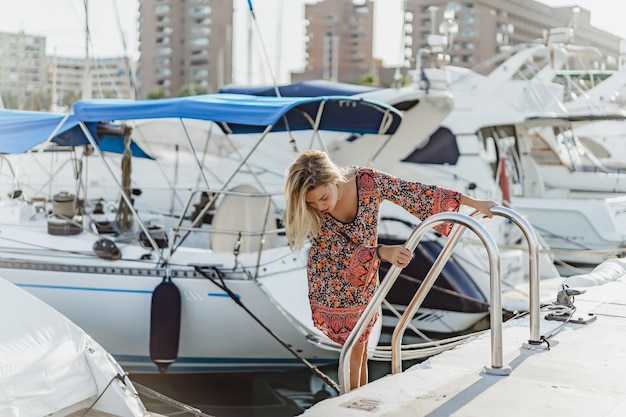
Kiralama operatörüyle lisanslama gerekliliklerini doğrulayın ve yakın zamanda yelken deneyiminiz yoksa, kruweli bir seçenek veya güvenlik brifingi seçin.
Teknenin, üzerindeki herkes için standart güvenlik ekipmanlarını taşıdığından emin olun: herkes için kişisel can kurtarma malzemeleri, atılabilir yüzebilen bir cihaz, bir sinyal cihazı, bir yangın söndürücü, bir ilk yardım çantası ve bir deniz telsizi veya güvenilir bir hava durumu uygulaması. Su yollarına gitmeden önce kıyıda hızlı bir şekilde uyumu ve erişilebilirliği kontrol edin, özellikle sakin günlerde veya ilk kez yelken açanlarla yelken yaparken.
Eğitim seçenekleri sağlayıcıya göre değişir. Su üzerinde brifing, pratik yelken kullanma oturumu ve hava durumu, akıntılar ve seyir işaretlerinin gözden geçirilmesi için bakın. Kısa, uygulamalı bir ders bilgi birikimini artırır ve gemideki herkes için daha rahat bir yolculuk sağlar.
Bakım önemlidir ve rigging, yelkenler, halatlar, kamalar, vinçler, trim balast, dümen ve gövde durumunu kapsamalıdır; eğer tekne yedek bir motora sahipse, yakıt sistemini, yağı, soğutmayı ve ateşlemeyi inceleyin. Dengeye ve yelken aşınmasına özel dikkat, sakin ve rüzgarlı günlerde riski azaltır.
Seçenekler arasında karar vermek, su yolu türü, gemi boyutu ve konfor seviyeniz gibi faktörlere bağlıdır. Daha büyük su yolları için, mürettebatlı veya eğitmen desteğiyle daha büyük bir seçenek, dengeyi ve konforu artırır; sakin göllerde ise, yelkenli bir tekneye geçmeden önce düşük riskli bir uygulama için sandallar sunar. Plan yaparken, tahminleri, rüzgar aralıklarını ve trafiği gözden geçirin ve mürettebatınıza ve programınıza uyan bir kurulum seçin.
| Görünüm | Kontrol noktaları | Action |
|---|---|---|
| Licensing | Gerekli lisanslar veya sertifikalar, yaş, operatör şartları | Kopya talep edin, geçerliliği doğrulayın, gerekirse personel seçin. |
| Güvenlik donanımı | PFD'ler, fırlatılabilir cihaz, korna, yangın söndürücü, ilk yardım, radyo | Boyutları, erişilebilirliği ve kullanım brifingini teyit edin. |
| Eğitim seçenekleri | Su üstü brifingi, yelken kullanımı, hava durumu farkındalığı | Suya girmeden önce kısa bir seansa katılın |
| Bakım | Rigging, yelkenler, halatlar, vinçler, gövde, motor (varsa) | Son denetimi isteyin ve herhangi bir aşınmayı not edin |
| Elle işleme ve güvenlik | Rüzgar değişimleri, akıntılar, trafik | Kaptanla planı kabul edin; sakin manevraları pratik yapın. |