


 Türkçe
  English (UK)
  Русский
  العربية
  日本語
日本語  한국어
한국어  Magyar
  Español
  Čeština
  Svenska
  Português
  Ελληνικά
  Suomi
Suomi  Nederlands
  Română
  Italiano
  Français
  Polski
  Українська
  Deutsch
  简体中文
简体中文  Slovenčina
 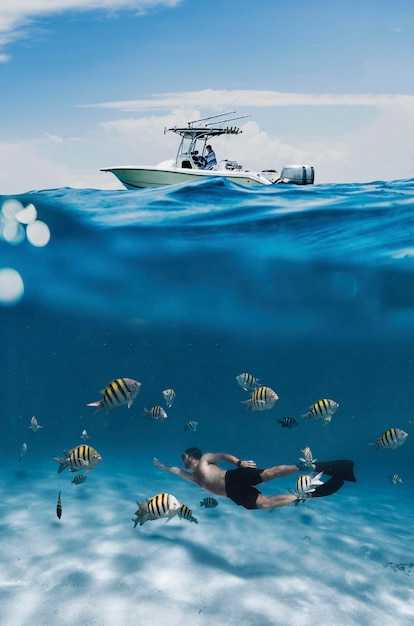 Underwater Exploration – 8 Tips for Snorkeling &">

Start with quick checks of your mask, fins, and snorkel, then breathe calmly at the surface. Also adjust your breathing, align equipment, and establish a minimal buoyancy plan in warm water to reduce effort.
Your observation of patterns in current, light, and reef structure informs every motion. Also stay alert to the signal of shifting flow and animal movement, which helps you keep a safe distance and avoid startling wildlife. Boats and hull wakes are especially important to watch near busy harbors.
Establish a calm rhythm by slow exhalation and deliberate movements, adhering to minimal contact with reef and wildlife. This approach grows your experience in the environment and strengthens your confidence little by little, which is crucial as you face unpredictable currents.
Handle equipment with care, tacking in and out of breaths while keeping your hands free to assist a buddy or remove obstructions. You will feel your confidence rise as you master basic signals, observation, and the ability to respond to minor changes without panic.
Collaborate with clubs or organizations offers guided sessions that tailor pace to your level, emphasizing respect for the marine environment and minimal impact on patterns of marine life. Such programs provide checks on gear and teach a simple handle technique for currents, improving safety and enjoyment.
Keep a personal log to track progress, noting how warm conditions affect comfort and how your confidence grows with each outing. Documentation helps you establish a repeatable routine, maintain adherence to the safety plan, and respond to environmental cues with minimal risk.
Ocean Safety Guide
Establish a buddy pair immediately and maintain close contact; these steps form the foundation of safety beneath the surface. Check current conditions with local advisories, set a meet point near shore, and agree on exit options before any entry.
Inspect gear before entry: masks seal, fins fit, and breathing devices clear. If unwell or tired, halt activity, seek shade, hydrate, and rest enough to recover. Choosing comfortable gear improves comfort, reduces fatigue, and enhances overall safety within the group.
Be aware of wildlife patterns: Hawaiian rays glide along sandy patches; keep a respectful distance and avoid sudden movements. Maintain a floating posture when approaching shallow edges, watching for shadows and movement that signal wildlife nearby.
Follow clear instructions and establish a planned route; current can shift quickly, so stay within arm’s reach of the leader and avoid entanglements with reefs or lines. Close monitoring of surroundings helps prevent collisions with swimmers, vessels, or submerged obstacles.
Preserve vision with a well-fitting mask and anti-fog technique; wipe lenses regularly and avoid touching glass with sandy hands. Floating at the surface enables easier scanning of depth, current, and signs of fatigue in yourself and others; keep enough space between people to prevent crowding.
Designed to be amazing, this guide emphasizes preparation, situational awareness, and calm, deliberate actions. Use these instructions to choose paths, adapt to conditions, and maintain a steady rhythm that matches your skill level and the environment.
Underwater Exploration: 8 Tips for Snorkeling & – Precautions to Enhance Safety
Begin with a basic safety check: test mask seal, fins fit, and buoyancy; confirm current and visibility; set signals and a check-ins rhythm to stay confident during the excursion.
- Basic gear, signals, and check-ins: verify mask seal, fins fit, snorkeler buoyancy, and agree on two simple signals, a time cue, and a point to pause if currents shift.
- Body position and pace: keep shoulders relaxed, head aligned, and legs quiet; slow kicks reduce drag, help conserve energy, and keep you confident when the water dim.
- Current and visibility: scan ahead while staying close to reef structure; if visibility drops, maintain a steady distance and watch your buddy’s signals.
- Wildlife approach: observe where reefs host turtles; keep distance and avoid chasing; if a pass appears, slow down and maintain a calm pace.
- Check-ins rhythm: check-in every few minutes and when you notice a change in current, signal your buddy immediately; use a flag at the surface if you must stop.
- Equipment handling and training: practice how to adjust mask, fins, or buoyancy quickly; this training ensures you can manage needs calmly.
- Depth awareness: avoid going down too deep; stay in zones where you can easily return; relax, breathe slowly, and conserve energy during every moment of the expedition.
- Local context and exit plan: know kealakekua specifics, avoid disorienting currents, and maintain a clear route back to shore; this addition keeps your body steady and safe.
Tip 1–2: Gear selection, mask seal tests, snorkel comfort, and pre-dive checks
Choose a mask that fits your face with even pressure around the seal. A low‑volume design minimizes air loss and reduces fogging, keeping the bottom field clear. When choosing, try several models and sizes, having a friend compare fit around cheeks and nose, then adjust straps slowly; this careful approach saves you from fighting discomfort again.
Seal checks: place the mask on a dry face, press the skirt to skin, and inhale gently to pull the edge inward. If air leaks appear around the edge, adjust strap tension or swap to a different size. Do a second test with a light spray of water along the seal to simulate pressure, then verify it holds as you tilt the head down and to the sides.
Snorkels: select snorkels with a soft mouthpiece and a bend that sits comfortably at the corner of your mouth. A larger bore eases slow breathing but can bring more drag, while a smaller one resists; consider your situations. If you fight mouth fatigue, try a different mouthpiece or a shorter tube; ensure the top of the tube stays away from the lip line to prevent gagging. Some models use reef-safe materials and include a purge valve to ease clearing; practicing with the gear ahead of time boosts enjoyment.
Pre-checks: inspect straps and buckles; confirm snorkels show no cracks; verify connectors are secure; wipe surfaces dry and test the mask seal again while held on your face out of water. Keep a compact checklist and run through it in every situation. This systematic approach cuts risk and speeds readiness.
Environmental note: reef-safe choices protect biodiversity and reef protection. Opt materials that resist micro‑plastics, avoid giant, heavy gear that slows movement, and reduce lingering gear around delicate habitats. By practicing proper methods, you improve enjoyment through smoother handling and safer sessions; this mindset has earned fame among many famous instructors.
Tip 3–4: Master breathing rhythm, buoyancy control, finning technique, and calm water entry
Begin with a steady cadence: inhale through your mouth 2 seconds, exhale 4 seconds, shoulders loose, chest relaxed. Follow these instructions to maintain rhythm. Because air flows more efficiently with a calm core, this pattern keeps your heart rate steady while you breathe through snorkels. In warm water you relax quickly, especially when you practice near sheltered coves. In choppy conditions observe water movement, maintain a neutral head, and stay clear of hazardous currents. A few lessons learned early will boost comfort during every session; the ideal rhythm will become natural, knowing its importance.
Buoyancy relies on your lungs: inhale to rise slightly, exhale to descend, small adjustments keep you near bottom without brushing reef. In tidal zones mind hazardous spots; pull your body back with a gentle exhale when you drift toward sand. ideale you will stay relaxed, observe the water, and maintain a safe distance from bottom shadows. Your needs and understanding of currents will guide movements. knowing your limits will keep sessions healthy.
Finning: execute a flutter kick from the hips, knees only slightly bent, ankles relaxed, toes pointed. Short, compact strokes move you forward rather than long sweeps that stir sand. Pull your feet back after each stroke to reduce drag, and keep a single breath cycle between kicks. Keep foot alignment neutral to avoid ankle strain, maintaining calm, controlled propulsion to stay near the reef without contact.
Calm water entry: choose a sheltered cove or bay, avoid surf that breaks on a shallow bar. Check tidal movement, wind, and current; observe water clarity. Approach feet first, one hand on snorkels to steady. Apply sunscreens on exposed skin before entry; make a plan with your buddy and agree on signals to retreat. Guides mandate staying within sheltered zones when tidal movement rises. The safest sequence starts in shallow, sheltered areas, gradually expanding as you gain confidence, while keeping views clear above water. Healthy breathing and controlled actions will keep you safe near the surface.
Tip 5–6: Buddy system, hand signals, and clear plan of action
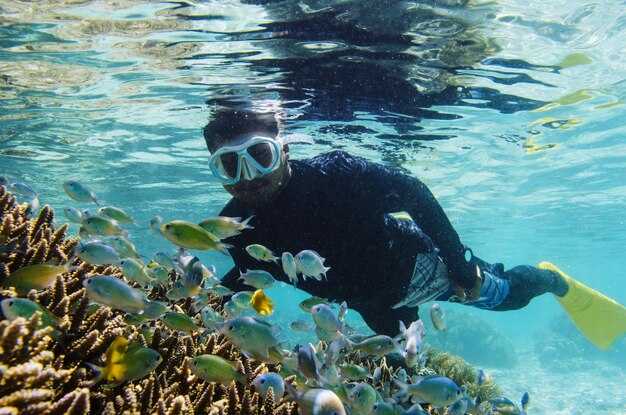
Always pair with a buddy, confirm location, and agree on a clear sequence of actions before any descent.
Daily practice of hand signals sharpens responsiveness and reduces confusion; famous signals include thumbs up for OK, open palm to request a pause, and a light tap on the shoulder to draw attention.
Instructions emphasize head orientation, eye contact, and maintaining a seal around the mouthpiece; verify mask seal and equipment status before submersion to ensure readiness.
Maintaining trust between divers is a gateway to adventure that transforms how you approach each outing; it fully keeps your team safe, protects arms during movements, and helps cope with tidal changes. After one signal, head to the agreed plan, exit when required, and come back together with a calm, detailed rhythm. источник
| Step | Action | Sinyaller | Safety notes |
|---|---|---|---|
| 1 | Pair up, assign lead and follower, and set the exit cue plus a short signal sequence. | Mutual eye contact, thumbs up for OK, flat palm to pause. | Kol mesafesi içinde kalın; sürüklenmeden önce maske sızdırmazlığını ve regülatör rahatlığını doğrulayın. |
| 2 | Sığ suda ekipmanı, hava basıncını ve dalış partnerinin durumunu hızlıca kontrol etmek için dalış öncesi kontrolü yapın. | Sıfırlama istemek için omuza dokunun; devam etmeye hazırsanız başınızı sallayın. | Herhangi bir şüphen varsa, daha derine inmeden önce duraksa ve tekrar kontrol et. |
| 3 | Partnerle göz temasını koruyun; mesafe değişikliklerini iletmek için hafif dokunuşlar kullanın. | Açık el, tutmayı belirtir; iki dokunuş, sola veya sağa hareket etmeyi belirtir. | Hızı sabit tutun; çabayı koruyun, aşırı solunumdan kaçının ve gelgit değişimlerini izleyin. |
| 4 | Belirlenen bölgede yeniden toplanmak için planı izleyin; risk artarsa birlikte su yüzeyine çıkın. | Yüzeye çıkmaya hazır olduğunda bir kez el salla; yeniden toplanmayı onaylamak için iki hızlı dokunuş. | Çıkış yolu kalabalıktan arındırılmış; güvenli alana doğru ilerleyin ve tırmanıştan sonra ekipmanınızı tekrar kontrol edin. |
İpucu 7–8: Akıntılar hakkında farkındalık, görünürlük hususları, yaban hayatı sınırları ve acil durum adımları
Hızlı bir durum kontrolü yapın ve kısa, korunaklı bir rota seçin; sıkıca oturan ve uygun kayışlara sahip bir maske ve şnorkel takın ve suya girmeden önce karada test edin. Tekrar girmeniz gerekirse, dikkatli olun. Grubu, insanları da dahil olmak üzere sıkı tutun ve özellikle Karayip sularında gezinti sırasında güveni artırmak için sakin nefeslerle hazır olun.
Akıntı farkındalığı: dalga yönünü, yüzen kalıntıları ve vücutla hareket ederkenki hızınızı izleyerek yüzey akışını değerlendirin; sürüklenme artarsa veya birisi görüşü kaybederse girişe doğru dönün; nefesinizi sakin tutun, depar atmaktan kaçının ve kol mesafesi içinde kalmaları, son şamandıraya doğru yönelmeleri ve ani değişikliklerin üstesinden gelebilmeleri için net bir dönüş işareti belirleyin.
Görünürlük hususları: güneşin yüksekliği, bulanıklık ve derinlik, resif sınırlarıyla olan kontrastı etkiler; zayıf ışıkta daha yakında kalın, görüş hattını koruyun ve yapı yakınındaki bulanık bölgelere girmekten kaçının; görüş mesafesi kötüleşirse, her duraklamada pozisyonları ve ekipmanı tekrar kontrol edin.
Yaban hayatı sınırları ve görgü kuralları: balıklara alan tanıyın, mercanlara dokunmaktan kaçının ve kovalamayın; suya yavaşça girin, parmaklarınızı aşağıda ve hareketsiz tutun ve çocukların veya acemilerin rahatsızlığı en aza indirmek için rehbere yakın durmasını sağlayın; ani hareketlere tepki verirler, bu nedenle yumuşak, kasıtlı hareketler yaşam alanını ve güvenliği korur.
Acil durum adımları: sıkıntı sinyalini el yukarıda veya ıslıkla net şekilde verin, durun ve en güvenli kanaldan yukarı çıkın; yüzeye çıktıktan sonra, konumu bir arkadaşınıza bildirin, maske ve şnorkellerin güvenli olduğunu doğrulayın, gerekirse kayışları yeniden takın ve önceden belirlenmiş bir noktada toplanın; tekrarlanan denemeler sırasında paniği kontrol etmek ve akciğer kapasitesini korumak için nefes almayı uygulayın.
Ekipman kullanımı ve hazırlık esasları: Her kişiye uygun ekipman seçimi; uygunluğu kontrol edin, kayışları tekrar kontrol edin ve yedekleri hazır bulundurun; bu, düşme riskini azaltır ve kişilerin gezi sırasında rahat kalmasını sağlar; ekipler akıntılarda birlikte ilerlerken sol taraf veya sağ taraf ayarlamaları önemlidir. Güven oluşturmak için her seanstan önce hızlı bir ekipman kontrolü ile başlayın.
Özetle: tetikte olmak, sınırlara saygı duymak ve basit bir acil durum rutini izlemek özgüven oluşturur, gezileri daha güvenli hale getirir ve katılımcıların serin kalmasını sağlayarak daha fazla insanın kritik beceriler öğrenirken denizi keşfetmesini teşvik eder.