


 Türkçe
  English (UK)
  Русский
  العربية
  日本語
日本語  한국어
한국어  Magyar
  Español
  Čeština
  Svenska
  Português
  Ελληνικά
  Suomi
Suomi  Nederlands
  Română
  Italiano
  Français
  Polski
  Українська
  Deutsch
  简体中文
简体中文  Slovenčina
 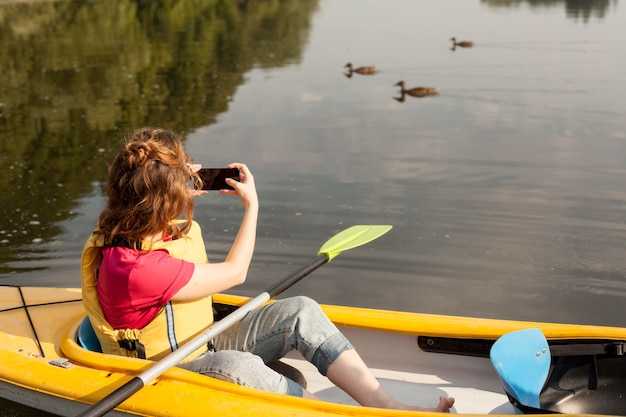 The Ultimate Guide to Free Safe Boating Courses 2025">

Start with an online-only course this weekend to lock in your first certificate and set a clear path for 2025. Short, focused modules let you learn at your pace while you compare options from coast guard auxiliary programs, parks departments, and nonprofits.
Talk to friends who already completed programs and ask for exact steps they took and tips for taking the quick tests. Look for nbef badges on course pages–these signal updated content and tested scenarios for 2025. The best options hold short video lessons, quick quizzes, and printable checklists you can keep in your boat bag.
When evaluating courses, prioritize content that covers core safety skills on real vessels and on a range of vehicles, including paddle handling, life jacket fit, and proper signaling. Ensure you can finish a module in a single sitting if you need to fit practice time between work shifts. For ones just starting, keep a steady level of challenge: not too easy, not overwhelming. If you boat with bowhunter friends, include hunting-season safety notes where allowed.
Practical setup: many programs offer free access to facilities or accommodations at partner marinas. If you want hands-on practice, check if the course holds a simple hands-on session you can join; some clubs provide boats, harbor spaces, and even tools for level-appropriate practice. You can rent a small craft for safe testing; bring your own paddle or rent one if needed. Gather a few basic tools like a whistle, flashlight, and rope to extend your training offline.
After you obtain your certificate, map your next steps with clear goals: plan a short trip with friends, log the actions you took, and build confidence before more ambitious routes. If you are born for water exploration, start with familiar waters and gradually increase difficulty, especially when rivers run wild or lakes are frozen. The aim is to stay safe, stay curious, and keep practicing with the ones you trust.
Free Safe Boating Courses 2025: Practical Access and Certification
Enroll today in a free safe boating course that provides a verified certificate after you pass the assessment. Look for programs with a dedicated instruction team and a downloadable file with modules you can study before hands-on practice.
Today, most options offer online modules you can complete within a few hours, plus a local class or club session to finish the practical portion. Many of these formats were designed to fit busy schedules, letting you learn at your pace while keeping trips on track. For those in remote or cold-weather regions, some programs provide offline access so you can study when internet is frozen.
What you learn covers routes and routing concepts, basic navigation rules, weather awareness, radio etiquette, and vessel operation. The program uses tech tools and simulators to sharpen decision-making. Passing the final assessment yields your certificate, and the file of credentials is stored for future safety checks.
For those hunting for free options, check municipal fleets, harbor clubs, and yacht clubs today. Those programs provide instruction for others who operate personal boats, and many offer time on a club boat or practice on trails and designated routes. Some courses allow you to lease gear or boats for the hands-on portion, so you can complete the practice without owning equipment.
After completing the course, store your file of credentials and apply for permits or passes at your marina or state agency. Upon receipt, keep the certificate or digital badge on hand for proof during inspections. Use the routing knowledge to plan trips, and refresh the material within a year through optional online modules for review.
Find Free Courses: Online vs. In-Person Options
Recommendation: Start with online courses to accelerate completing the knowledge base; online options cover the mandatory theory first, and you can then plan hands-on practice.
Online formats let you work at your own pace: you can scroll through modules, access printed materials, and ask questions to instructors when needed. For nonresident students, many programs recognize the same core content across americas, making credit transfer easier.
In-person options offer practical drills and emergency scenario practice under real conditions, guided by experienced instructors. Schedule sessions that fit your week, with classes commonly spanning several weeks and including wind-influenced demonstrations to adapt to natural conditions.
Split formats combine online theory with in-person labs; this approach helps understanding and retention while minimizing travel. If you work full time, this path lets you advance at a steady pace and still earn credentials.
Choose a plan based on location and policies: depending on your status, you may need to complete a printed certificate or digital badge. In iowas, check if mandatory credits apply to your personal, nonresident, or commercial use. Use the scroll to compare instructors, weeks, and formats, and pick the option that saves time while keeping safety at the forefront.
Core Topics You Should Expect: Safety, Navigation, and Rules
Begin with safety foundations by completing a basic life jacket check and an emergency signaling drill before any on-water activity. Thats a quick win that helps prevent incidents and boosts comfort for first-time boaters.
Public boating programs offered by coast guards, clubs, and community centers provide hundreds of modules focused on preventing incidents and improving on-water confidence. These courses are designed for both recreational users and new renters, with flexible options you can fit into a busy schedule.
In the safety modules you’ll learn how to wear PFDs correctly, inspect equipment, handle basic first aid, and respond to common emergencies. You’ll also get weather basics, wind and wave cues, and best practices for maintaining control in small craft on varied water conditions, including tidal areas.
For navigation and rules, expect clear guidance on reading charts, recognizing markers, and understanding the rules that apply to public waterways and rental boats. The program covers lights, sound signals, and the legal framework relevant to recreational operators, along with where exemptions may apply for specific participants when permitted by local authorities.
Time and completion specifics vary by program, but most free modules run 1–3 hours, with a complete track often totaling 4–6 hours. A completed certificate can satisfy certain rental requirements and public-water entries, making your learning relevant right away.
Thats why concise, hands-on modules work well for hundreds of public and rental-boat participants. Pair the theory with quick on-water practice to reinforce safety routines, then expand your tech toolkit with smart apps and simple charts to improve your route planning and situational awareness.
| Core Topic | Ne Beklemeli | Önerilen Eylemler |
|---|---|---|
| Safety | Foundations cover PFD use, emergency signals, basic first aid, and incident prevention strategies. | Wear a USCG-approved vest on every trip; complete the safety module; run a pre-trip equipment check and drill with a partner. |
| Navigation | Chart reading, marker interpretation, tide and current awareness, and basic on-water routing for familiar waterways. | Review local charts before launching, note tide windows, and practice using a simple GPS/app for position awareness. |
| Rules | Right-of-way concepts, required lights and signals, sound signaling, and rental/public-water requirements; exemptions explained where applicable. | Know the rules for your vessel type where you boat; verify any exemptions with the issuing authority and keep a copy of the rules on board. |
Public and recreational boating benefits rise when participants complete a balanced set of modules, combining safety foundations with practical navigation and rule knowledge. Use these steps to build a reliable baseline quickly, then expand with additional modules as time allows.
Eligibility and Sign-Up: Age, Residency, and Documentation
Check the minimum age for your chosen course and gather the required documents before you sign up. This quick step saves you from delays at the desk and helps you prepare for the discussions with the team.
Here is the following checklist to confirm eligibility for free safe boating courses in 2025:
- Age: Most national and british programs set a minimum age that ranges from 12 to 18, with guardian consent for under-18 participants. For those who are seasoned paddlers, verify the exact session’s age rule, as some options emphasize youth or beginner groups.
- Residency and locations: Programs operate nationwide with multiple locations. Residency rules may restrict enrollment to residents of the country or state/province. Look for options in your region; there are national schemes and local clubs that collaborate with schools.
- Documentation: Bring proof of age (passport or birth certificate) and proof of residency (utility bill, lease). If under 18, bring a signed parental consent form. Youll also need a photo ID for some in-person sessions. The источник page often lists exactly which documents to upload.
- Sign-up platforms: Most organizers use an online form. Google forms are common; check the course page for the signup link and the navegación path to the form. The источник page lists all national and local locations and dates so you can plan ahead.
- What happens after submission: Youll receive a quick confirmation and an estimate of your place in the schedule. If the course includes a safety review, a certificate will be awarded. In rain or shine, sessions run with safety protocols, and paddlers of all-terrain backgrounds can participate. For northern regions, plan for days when rivers are frozen and check indoor or simulator options when necessary.
To help you prepare, keep a short bundle ready: passport or birth certificate, a recent utility bill, and a signed consent form if needed. Here, you can confirm your eligibility, find available locations, and map your next steps–navegación through the site is straightforward, and the путь to registration is clear in the sources (источник). Those steps work whether you’re joining a national program or a local British club, and they’re designed to support paddlers of all levels.
Certificate and Credit: How to Earn and Use It
Taking a wisconsin-approved course provides a certificate you can use toward required boating records. Save a digital copy and a printed version, and ensure the certificate shows the course title, completion date, and a unique ID.
Content is self-paced and available anywhere, with lessons that fit busy schedules. Most courses provide content that includes charts and practical checks, plus weather notes that help you operate a boat safely.
These courses, including wisconsin-approved options or iowas programs, can be used for credits across most americas states, depending on state rules. They typically issue a printable certificate and may offer a digital badge for easy sharing. Check charts from your department to confirm transfer conditions for licensing, registration, or endorsement, and verify whether credits apply in others jurisdictions; for iowas, contact the state agency to confirm acceptance.
To use the credential, store the certificate with your boating documents and submit it when you apply for a license, registration, or endorsement. When you relocate, keep your record handy so authorities can verify completion; most departments accept proof from others offering recognized courses.
Practical tips: Most learners finish in 1-3 hours; you can take these courses taking in small chunks, including sessions anywhere if you need. The content is designed for weather-aware planning and covers forces like wind and currents, so you know what to expect on the water. If you have a child learning with you, these courses accommodate child participants under supervision and provide clear, straightforward material for all ages. Being mindful of renewal windows helps you keep coverage.
Verification, Renewal, and Recertification: Keeping Skills Current
Renew now by logging into your state-approved program portal and view your current certification status. Scroll to the account section and confirm your contact details (phone and email) and which courses you have used to obtain credentials. These checks reinforce the foundations you rely on when you’re on the dock and between dock duties, and they keep records clean between renewals.
Verification confirms you know the laws and handling basics that officers expect on the water. The office stores your progress, and boater safety depends on accurate data in the account. If you were in a training program, these steps reveal what was completed and what still needs attention. The portal lets you view status anytime.
For renewal, complete a state-approved recertification module that covers rules of the road, signals, and safe handling. You can obtain the certificate by meeting the program requirements; if time is tight, you may continue later while you finish the final assessment. Your boater status remains active as you complete these steps.
To stay current, set reminders and make progress during training windows that fit your schedule. Between seasons, pick short modules online or in-person sessions. The course design shows a clear order of topics, covers core foundations, and builds practical handling skills. Regular checks support making steady progress.
For instructors and officers, keep records accurate by updating the office contact methods and notes. Provide students with clear guidance on how to view their status, and lets them know boatus resources are available via phone and email. If students were unsure about requirements, these steps help them obtain renewed credentials.