


 Türkçe
  English (UK)
  Русский
  العربية
  日本語
日本語  한국어
한국어  Magyar
  Español
  Čeština
  Svenska
  Português
  Ελληνικά
  Suomi
Suomi  Nederlands
  Română
  Italiano
  Français
  Polski
  Українська
  Deutsch
  简体中文
简体中文  Slovenčina
 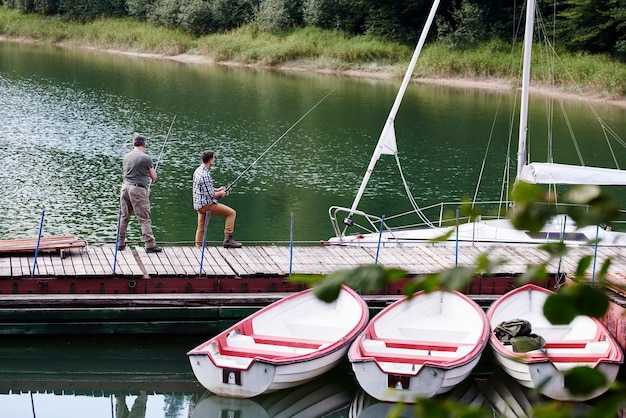 The Essential Boating Laws Every Boater Must Know">

Lansmana başlamadan önce izinleri kontrol edin ve gemideki her öğenin izinli olduğunu doğrulayın. Gerekli Cankurtaran Yeleği Sayısı, Sahil Güvenlik Onaylı Yüzdürücü Cihazlar ve Geminin Kaydının Görüntülenmesini içeren kompakt bir kontrol listesi hazırlayın. Bu işlem, kalkış öncesi kontrolleri tamamlamaya yardımcı olur ve güvenle yola çıkmanıza destek olur.
Tüm tekneler için geçerli olan temel güvenlik gerekliliklerini öğrenin; bunlar arasında can yeleği giymek, gece ışıklarını yakmak ve ses çıkarma cihazı bulundurmak yer alır. Vermont ve Montana, eyalet kuralları bölüme göre değişiklik gösterebilir, bu nedenle yerel rehberliği doğrulayın ve kayıt numarasının tüm görünürlük koşullarında gövde üzerinde gösterildiğinden emin olun.
Atıkları uygun şekilde yöneterek suyu ve mürettebatınızı koruyun. Atık torbalarını teknede bulundurun ve çöpleri rıhtımda atın; asla yakıt, yağ veya tehlikeli maddeleri tahliye etmeyin. Kıyı şeridine veya başka bir tekneye zarar gelirse, derhal bildirin ve ekipler gelene kadar müdahale edenlerle işbirliği yapın.
Kayak veya şambrel çekerken güvenli bir şekilde hareket edin ve diğer teknelerle aranızda geniş bir mesafe bırakın. Çekme halatının iyi durumda olduğundan, şişme botta bulunan kişinin üzerine tam oturan bir can yeleği giydiğinden ve kontrol istasyonlarına veya su devriyelerine yardımcı olmak için teknenizin kimliğinin net bir şekilde görünür olduğundan emin olun.
Tecrübeli operatörler, her sezon hızlı bir tazeleme eğitiminden faydalanır. Kısa bir kursu tamamlamak veya en son eyalet düzenlemelerini gözden geçirmek, uyumlu kalmanızı sağlar ve yoğun su yollarında riski azaltır. Rıhtıma yanaşana kadar, sudaki sorunları önlemek için ekipmanları, atık yönetimi ve hava tahminlerini iki kez kontrol edin.
Tekne Kanunları: Tekneler için Seyir Kuralları
Her tekne gezisinde daima can yeleği/KYK giyin ve erişilebilir bir yerde bulundurun; alabora veya ani bir sarsıntıya karşı hazırlıklı olduğunuzda daha güvendesiniz.
Denizdeki Trafik Kurallarına Uyun: seyredilebilir kanalda kalın, gün batımından sonra doğru seyir fenerlerini kullanın ve kural gereği yol verme zorunluluğu olan ve motorlu teknelere yol verin, böylece görünürlük ve manevra kabiliyeti sudaki herkes için açık kalır.
Aşırı yükleme tehlikelidir: üretici tarafından belirtilen kapasiteyi asla aşmayın ve teknenin dengesini korumak için ağırlığı eşit şekilde dağıtın. Daha uzun yolculuklar için, kayan ağırlıklardan veya sınırların aşılmasından kaçınmak için ekipman ve malzemelerinizi dikkatlice planlayın.
Eğitim ve kaynaklar sizi bu kurallar konusunda yönlendirir: yayıncı komisyon, sahil güvenlik veya eyalet teknecilik kurumları, güvenlik standartlarını karşılamanıza yardımcı olacak kurslar, kontrol listeleri ve hatırlatıcılar sağlar. İster su sevgisiyle doğmuş olun ister tekneciliğe yeni başlamış olun, eğitim sizi ilgili ve uyumlu tutar.
Güvenlik ekipmanlarını ve düzeni koruyun: sintine yağ kalıntılarını kontrol edin, yangın söndürücüleri inceleyin ve sinyalizasyon cihazlarının çalıştığından emin olun. Can yeleklerini ve KÖK'leri erişilebilir tutun, seyir halindeyken giyin ve güvenli hız ve mesafeyi koruyarak mürettebatınızı koruyun. Kurallar tekrar tekrar ihlal edilirse, ayrıcalıkların sona ermesi söz konusu olabilir; resmi kaynaklar aracılığıyla bilgi sahibi olun ve asgari güvenlik gereksinimlerini karşılayın.
Ayakta kürek sörfleri (sup) ve diğer küçük tekneler su yollarını paylaşır; onlara mesafe tanıyın, aynı güvenlik kurallarına uyun ve yoğun günlerde onların yolundan uzak durmayı planlayın.
| Kural Alanı | Ne Yapmalı | Why It Matters | Notlar |
|---|---|---|---|
| KKD'ler ve Giyim | Can yeleği/KYB'yi her zaman giyin; teknede fazladan bulundurun | Boğulma riskini azaltır ve kurtarma şansını artırır | Boyut ve tür önemlidir; yıpranmış ekipmanı değiştirin |
| Aşırı Yükleme | Kapasite plakasını aşmayın; ağırlığı eşit şekilde dağıtın | Devrilmeyi önler; dengeyi artırır | Daha uzun seyahatler için ekipman dahil edin |
| Seyir Kuralları | Uygun mesafeyi koruyun; seyredilebilir kanalı muhafaza edin. | Çarpışmayı önlemeye yardımcı olur | Gerekli hallerde ışık ve ses sinyallerini kullanın |
| Tehlikeli Koşullar | Hava tahminini kontrol et; tehlikeli hava koşullarından kaçının; yavaşlayın | Olay riski azaltır | Başlatmadan önce kaynaklara danışın |
| Ekipman ve Uyumluluk | Verilen kurallara uyun; yola çıkmadan önce güvenlik ekipmanlarını kontrol edin. | İhlalleri ve lisans fesihlerini önler | Komisyon bildirimlerine danışın |
Her Botçunun Bilmesi Gereken Denizcilik Yasaları: Gemiler İçin Seyir Kuralları
Her zaman can yeleği ve mont giyin ve kalkıştan önce teknenizi kontrol edin. Kapasitenizi doğrulayın, ışıkların ve sinyal cihazlarının iyi çalıştığından emin olun ve her yolcu için yüzdürme ekipmanınızın kolayca erişilebilir olduğundan emin olun. Teknede temel bir güvenlik kiti bulundurun ve mürettebatınızla acil durum planını gözden geçirin.
Deniz yolu kuralları: sağınızdaki gemilere yol verin, güvenli olduğunda sancak tarafından geçin ve görüşün kısıtlı olduğu durumlarda rıhtımların ve virajların yakınındaki kanallarda yavaşlayın. İki tekne karşılaşırsa, hızı azaltın ve çarpışmaları önlemek için açık alan bırakın.
Teknenizi aşırı yüklemeyin; özellikle motorlar ve ekipmanlarla birlikte kapasite plakasında belirtilen sınırların içinde kalın. Aşırı yükleme hasar riskini artırır ve dalgalı veya rüzgarlı havalarda kontrolü zorlaştırır, bu nedenle ağırlığı alan üzerinde eşit olarak dağıtın ve dönüş yarıçapını sabit tutun.
Tüm yolcular için can yeleklerini teknede bulundurun ve KSA'ların güvenlik toplamına dahil olduğundan emin olun. Çocuklar ve yüzme bilmeyenler teknedeyken her zaman can yeleği giymeli ve yetişkinler seyir halindeyken yakından gözetim sağlamalıdır.
Çöpleri uygun şekilde imha edin; poşetleri karaya çıkarın ve suya çöp veya yakıt atmaktan kaçının. Temiz bir güverte kaymaları önler ve parkları, nehirleri ve kıyı şeritlerini kirlilikten korur.
Operatörler, belirtilen hız sınırlarına uymalı ve parklar ile marinaların yakınındaki dalgasız alanlara saygı göstermelidir. Dikkatsiz davranışlar para cezalarına veya hapse yol açabilir, bu nedenle sınırlar içinde kalın ve sorumluluk bilinciyle sürün.
Sorularınız varsa, eyalet kurumlarıyla veya park ofisleriyle iletişime geçin; kurallar bölgeye ve colorado ve alabama gibi eyaletlere göre, özellikle akıntıların ve trafiğin daha yoğun olduğu bir rıhtım veya liman yakınında değişiklik gösterir.
Yıllarca süren pratik güvenliği artırır; bir planla hazırlıklı olmak ve düzenli tatbikatlar yapmak, kontrolü elinizde tutmanıza ve teknenize ve başkalarına zarar gelmesini önlemenize yardımcı olur, böylece tekne gezintisi gemideki herkes için kolay ve keyifli hale gelir.
Şahsi Yüzdürme Cihazları: Hangi YÜC'ler Gerekli ve Nasıl Giyilir
Motorlu teknelerde seyir halindeyken daima USCG onaylı bir PFD giyin. Teknede bulunan her kişinin üzerine uyan bir PFD'si olmalı ve yola çıkmadan önce bunları kolayca erişebileceğiniz bir yerde bulundurmalısınız; bu şekilde gecikmeleri ve kuralların ihlalini önlersiniz.
Dört yaygın türü vardır: I, II, III ve V. Yüksek kaldırma kuvveti açık sularda yardımcı olurken, Tip III güvertede hareket kabiliyeti için konfor sunar; hangi bölgede tekne kullandığınıza, suda geçireceğiniz süreye ve beklediğiniz koşullara göre seçim yapın. Buradaki amaç, hareket ettiğinizde üzerinizde kalan ve aktivitenizi engellemeyen bir CKA seçmektir.
Nasıl giyilir: Ön tarafı giyin, fermuarı veya tokalı kemeri kapatın, tüm kayışları sıkıca ayarlayın ve varsa kasık veya bacak kayışlarını bağlayın. Kaydığınızda veya kenardan eğildiğinizde yerinde kalması için sıkı oturmasını isteyeceksiniz. Omuzlarınızı kaldırarak hızlı bir test yapın ve hareket sırasında KYK'nin yukarı kaymadığından emin olun. Doğru oturursa, hareket ettiğinizde sizinle kalır.
Bakım ve saklama: onaylı uzunluk ve boyut için etiketi kontrol edin, yırtık veya aşınmış dikişler olup olmadığını inceleyin ve zayıflamışsa yüzdürücü malzemeyi değiştirin. YÜD'leri temiz ve kuru tutun ve teknedeki herhangi bir oturma alanından kolayca alınabilecekleri bir yerde saklayın. İyi durumda tutulan bir YÜD gerektiğinde işini yapacak ve ciddi bir sonucu önlemeye yardımcı olacaktır.
Bölgesel kurallar ve uygulama: eyalet ve tekne tipine göre farklılıklar vardır. Örneğin, Michigan ve Nebraska'da yetkililer, teknede ve kullanım sırasında KDK'lerin erişilebilir olmasına vurgu yapmaktadır; Jersey ve Hampshire'da, gereklilik karşılanmazsa kontrol noktaları ve ihlal için cezalar mümkündür. Suda deniz uçağı operasyonları da benzer güvenlik temellerini izler ve kalkış ve inişin kritik aşamalarında her yolcunun bir KDK giymesini gerektirir; araç ne olursa olsun, izin durumunu kontrol etmeli ve yerel yasalara uymalısınız. Bir kişi tekne kullanma ihlalinden hüküm giyerse, cezalar para cezalarını veya diğer tahliye işlemlerini içerebilir ve teknenin gelecekteki izinlerini veya yetkilerini etkileyebilir. Hem mürettebat hem de yolcular, önceden plan yaparak ve her kişinin donanımlı olduğundan emin olarak güvende kalma sorumluluğunu paylaşır.
Kayıt, Lisanslama ve Güverte Belgeleri: Neler Taşınmalıdır
Tekne kayıt belgesini, mülkiyet kanıtını ve operatör lisansınızı veya izninizi her zaman yanınızda bulundurun. Bu belgeleri teknede kolayca erişilebilir bir yerde saklayın, bir dolabın içine gömmeyin; dümenin yakınında su geçirmez, açıkça etiketlenmiş bir klasör en iyi sonucu verir. Utah tekneleri için, kayıt etiketlerinin güncel olduğunu ve gerektiği yerde sergilendiğini doğrulayın. Geçerli kurallar tarafından izin veriliyorsa, en az bir fiziksel kopyayı teknede ve doğrudan bir dijital yedeği saklayın.
Seyre çıkmadan önce geçerli kuralları kontrol edin. Bir şirket veya gemi kiralama adına bir tekne işletiyorsanız, işleten veya sahibi, tekne ve mürettebat için lisans kanıtını yanında bulundurmalıdır; yasaların batı da dahil olmak üzere liman ve eyalete göre değiştiğini unutmayın. Güvenlik kurslarını tamamlıyorsanız, eğitim kanıtı olarak sertifikaları teknede saklayın ve güncel tutun.
Uçak içi dosyanız şunları içermelidir: Kayıt Belgesi, mülkiyet kanıtı, lisans veya izin Elbette, çeviriyi sunuyorum:, güvenlik kursu tamamlama sertifikası, ve acil durum irtibat bilgilerini içerir. Ek olarak, bir kopyasını da teknenin dışında güvenli bir yerde saklayın. Bu belgeleri açıkça etiketleyin ve kolayca feet sahil güvenlik veya liman yetkilileri tarafından yapılan kontroller sırasında hızlı erişim için dümende bulundurun. Kuralların eyalete göre değiştiğini unutmayın; taşıma listenizi buna göre ayarlayın.
Alkol veya uyuşturucu etkisi altındayken araç kullanmama kuralına uyun; alkol kanunların gerektirdiği durumlarda gemide kısıtlanmıştır ve her birine uymanız gerekir uygulanabilir İçki içme ve araç kullanma kuralları. Belgelere ek olarak, önemli numaraların ve teknenin tanıtım bilgilerinin bir listesini yanınızda bulundurun. Her yolculuktan önce, belgelerin hızlı bir kontrolünü tamamlayın ve güvenli ve uyumlu tekne kullanımı sağlamak ve riski azaltmak için belgeleri güncel tutun. Hızı aklınızda bulundurun ve geçerli yerel hız sınırlarına uyun.
Geçiş Hakkı Açıklaması: Tipik Senaryolarda Kim Kime Yol Verir
Her zaman sancak tarafınızdaki teknelere yol verin ve geçiş durumlarında erken yavaşlayın. Niyetlerini belirleyemiyorsanız, açıkta kalın ve bir çarpışmayı önlemek için rotayı değiştirmeye hazırlıklı olun.
-
Kanallarda geçiş: Tipik iç ve kıyı sularında, sancak tarafınızdaki teknenin önceliği vardır. Başka bir tekne sağınızdan yaklaşıyorsa, siz hızınızı azaltırken veya uzaklaşırken onlar rotalarını korumalıdır. Niyetinizi bildirmek için kısa bir ses sinyali kullanın, ardından görsel olarak onaylayın. Bu, hem motorlu hem de motorsuz tekneler için geçerlidir ve Minnesota, Oregon ve diğer Amerika Birleşik Devletleri bölgelerinde yaygındır. Yüzdürme araçlarının hazır olduğundan ve herkesin can yeleği giydiğinden emin olun.
-
Daha yavaş tekneleri geçmek: Geçen tekne yol verir. Diğer teknenin sol tarafından geniş bir mesafeyle geçmeli ve güvenli bir hızı korumalısınız. Önüne geçmeyin; güvenli bir şekilde geçtikten sonra, başkalarını aniden frene basmaya zorlamamak için normal rotanıza ve hızınıza geri dönün; bu, teknedeki herkesi şaşırtabilir.
-
Burun buruna veya buruna yakın karşılaşma: Her iki tekne de mümkünse rotasını sancak tarafına değiştirmeli ve iskele iskeleye geçmelidir. Yapılan işlemleri belirtmek için sesli sinyal kullanın (bir uzun, ardından iki kısa) ve uzak durmak için gereken minimum hıza yavaşlayın. Aynı prensip kalabalık limanlarda da geçerlidir; manevrayı sorunsuz tamamlamak, yakındaki herkesin riskini azaltır.
-
İskelelere ve kısıtlı bölgelere yaklaşırken: Dalga yaratmayan bölgelerde yavaşlayın, rölantiye alın, iskeleden uzak durun ve suda insan olup olmadığına dikkat edin. Yaşlı sürücüler ve çocuklar için daha fazla alan bırakın; tahmin edilebilir bir rota izlemek, diğerlerinin güvende kalmasını kolaylaştırır. Birinin biniş rampasında olduğunu veya küçük bir araç kullandığını görürseniz, herhangi bir çarpışmayı önlemek için daha erken yol verin ve tekrarlanan ihlaller için para cezası veya hapis cezası uygulanabileceğini unutmayın.
-
Görünürlük ve işaretleşme: Şafak vaktinde, alacakaranlıkta veya görüş hatlarının sınırlı olduğu durumlarda, niyetinizi bildirmek için ışık ve ses kullanın. Diğer teknelere dikkatlice bakın ve manevra yapmaları için onlara alan tanıyın. Çevrimiçi kaynaklar, Amerika Birleşik Devletleri Sahil Güvenlik kılavuzluğu ve eyalete özgü bölge kuralları dahil olmak üzere yerel uygulamaları gözden geçirmenize yardımcı olabilir. Şahsi yüzdürme cihazı giyin, teknedeki herkesin can yeleği olduğundan emin olun ve başkalarını köşeye sıkıştırdığınız durumlardan kaçının.
Günlük tekne gezintisi ipuçları: Yola çıkmadan önce yerel kuralları çevrimiçi olarak doğrulayın, özellikle Minnesota göllerinde veya Oregon kıyı bölgelerinde bulunacaksanız. Her zaman bir can yeleği giyin; çocuklar ve yaşlı yolcular ekstra özen gerektirir. İskele erişim noktalarından, kanal işaretlerinden ve yoğun rölanti bölgelerinden güvenli bir mesafede durun. Kimin yol vermesi gerektiğinden emin değilseniz, daha sonra değil, daha erken yol verin ve başkalarının niyetlerini doğrulayana kadar güvenli bir hızda kalın. İhlaller para cezalarına veya hapis cezasına yol açabilir ve mürettebatın güvenlik kaydını etkileyebilir. Gemideki herkes güvenliği korumak için hızlı hareket etmeye hazır olmalıdır.
Seyir Fenerleri, Şekilleri ve Gündüz ve Gece Görsel Sinyalleri
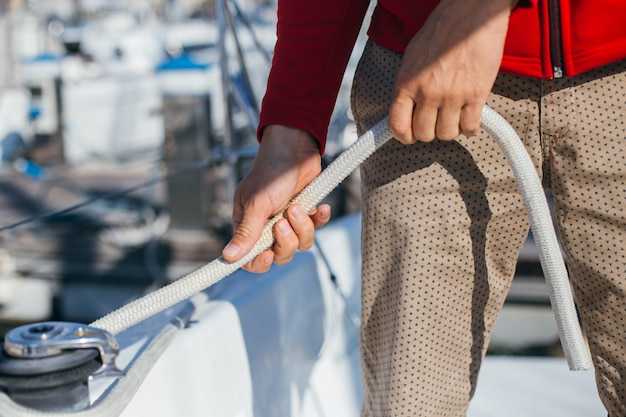
Her yolculuktan önce ve gün batımından sonra daima seyir fenerlerini test edin. Gerekli lambaları açın, akü durumunu kontrol edin, kabloları inceleyin ve mercekleri temizleyin. Teknede yedek bir ampul veya akü bulundurun ve karadaki gözlemcilerden görünürlüğü doğrulayın. Çoğu tekne için, borda fenerleri ve pupa fenerleri açık havalarda yaklaşık 2 milden, direk başı fenerleri ise kabaca 3 milden görülebilmelidir. Ekipmanınızın geçerli, lisanslı bir üretici tarafından düzenlenmiş ve sertifikalarınızın güncel olduğundan emin olun.
Renkler ve yerleşim önemlidir. Kırmızı iskele, yeşil sancak ve beyaz bir kıç lambası, gece seyir halindeyken standarttır. İlerideki bir direk tepesi lambası, diğer kaptanların açınızı ve mesafenizi tahmin etmesine yardımcı olur ve kanallı veya yoğun sularda seyir yapıyorsanız yedeklilik eklemelisiniz. LED armatürler enerji kullanımını ve kirliliği azaltır ve daha soğuk sıcaklıklarda bile güvenilir aydınlatma sağlar. Kıyı şeritlerine yakın veya kalabalık bölgelerde seyir yapıyorsanız, maksimum görünürlük için tüm lenslerin temiz olduğundan ve ışın açılarının engellenmediğinden emin olun.
Günlük şekiller, diğerlerinin gün ışığında durumu gözlemlemesine yardımcı olur. Yaygın şekiller arasında demirlemiş bir gemiyi işaret etmek için bir top, bir yelkenli gemiyi belirtmek için tepe noktaları bir araya getirilmiş iki koni ve çekilen bir gemiyi göstermek için bir elmas bulunur. Işıklar kullanılmadığında veya görüş koşulları yakındaki teknelere net bir gündüz sinyali gerektirdiğinde günlük şekilleri kullanın.
Görsel işaretler sesli sinyallerle el ele gider. Niyetleri belirtmek için düdük veya korna kullanın: uzun bir çalım ve ardından iki kısa çalım, dar kanallarda dikkatli olunması veya geçiş yapılması gerektiğini belirtirken, üç kısa çalım tehlikeyi veya dikkat çekme isteğini işaret edebilir. Sinyal cihazlarınızın lisanslı veya düzenlenmiş olduğundan emin olun ve en çok ihtiyaç duyduğunuzda güvenilir bir şekilde çalışması için düzenli olarak test edin.
Diğer tekneleri gözlemleyin ve riski buna göre azaltın. Güvenli bir mesafeyi koruyun, özellikle geceleyin ve herhangi bir tek işarete güvenmekten kaçının. Belirsiz sinyaller veren bir gemi gördüğünüzde, yavaşlayın ve yeterli açıklıkla geçin. Sinyalleri gözlemlememek cezalara yol açabilir ve ciddi ihlaller, özellikle Mississippi koridoru boyunca veya kalabalık kıyıların yakınındaki yoğun rotalarda, para cezalarına, sertifikaların askıya alınmasına veya aşırı durumlarda hapis cezasına neden olabilir. Her zaman trafik düzenine uyun ve lisanslı memurların devriye talimatlarına uyun.
Bölgeye özel gereksinimler için seyahat etmeden önce SSS'leri ve yerel yönergeleri kontrol edin. Kuzeye giden rotalar ve new hampshire yakınlarındaki kıyı suları gibi bölgelerde, ışıklarınızın ve gündüz şekillerinizin yayınlanan standartlara uygun olduğundan ve elektrik devrelerini aşırı yüklemediğinden emin olun. Mississippi veya diğer iç sularda yolculuk planlarken, geçerli belgelerinizi yanınızda bulundurun, sürekli gözünüzü dört açın ve tekne tipinizi ve sinyalizasyon kitinizi gözden geçirin. Ne göstereceğinizden şüpheniz varsa, düzenleyici makama danışın ve bilgilerinizi siparişiniz ve sertifikalarınızla güncel tutun.