


 Türkçe
  English (UK)
  Русский
  العربية
  日本語
日本語  한국어
한국어  Magyar
  Español
  Čeština
  Svenska
  Português
  Ελληνικά
  Suomi
Suomi  Nederlands
  Română
  Italiano
  Français
  Polski
  Українська
  Deutsch
  简体中文
简体中文  Slovenčina
  Psychology Tips – How to Avoid Panic When You’re Scared at Sea">

Take a slow, controlled breath for four counts, then exhale for six. This quick technique anchors the body, makes the next steps easier, and helps you breathe with intention during a gust or a surge of fear.
Begin a gradual sequence: taking stock of the situation, then using the following steps. Identify your head position, check for obstacles, and keep your hands on a safe railing. In rough weather, distribute attention to activities and your breathing to prevent overload.
Comfort and rest are not luxuries; they are part of risk management. Sit or lean against a sturdy surface to reduce tremors, loosen any tight gear, and sip water to support health. Short breaks give your heart time to settle; a rest when needed lessens the build-up of tension.
Sound self-critical chatter fades when you replace it with concise, nonjudgmental phrases. Acknowledge fear without judgement: “The fear is here, I am choosing a safe action.” This shift preserves your health and keeps actions coming in a controlled way.
On deck, practical steps matter: confirm the crew’s plan, secure loose gear, and manage halyards calmly. A routine of checking lines and positions reduces surprise factors and creates a sense of control. Paying attention to activities and signals helps you anticipate changes in weather and ship motion.
Visualization can help: imagine the worst result of calm action and rehearse the response. By practicing a few safe moves, you allow fear to fade rather than fuel it. The process begins with a tiny action, and the impact grows, improving your ability to act under stress.
To maintain the mind and body, hydrate, take short rests, and avoid caffeine during storms. Keep a simple checklist of tasks: breathe, check halyards, adjust your stance, and move toward the coming moments with purpose. A steady routine builds bina momentum and reduces the chance of panic spirals.
Keep a longer view: panic is a physical reaction that comes and fades with practice. After you regain control, review what worked and where you can improve. The goal isn’t perfection, but consistent, small steps that support your health and capacity to act in challenging conditions.
Practical Psychology Tactics to Stay Calm When Fear Hits at Sea
Use a controlled breathing cycle: inhale through the nose for 4 counts, exhale for 6 counts; then repeat for 6 cycles to steady the body and keep thoughts clear. If you think you cannot stay calm, return to the breathing cycle and repeat until your arousal lowers.
In rocky seas, anchor your gaze on the horizon and keep your posture firm. Guide your attention through the breath, the horizon, and the next step to remain aligned and avoid spiraling fear.
Observe thoughts without self-critical judgment: label a thought briefly (for example, “fear”) and then shift back to the breath. This slows the bomb of panic and supports steady performance.
Positive practice matters: rehearse a short plan before you step on deck and repeat it during calm periods; this builds security and boosts sailing performance when pressure rises.
Keep social anchors: quickly brief others on your plan, assign a course of action, and accept help. This shared load delays panic and keeps the crew aligned, anyway.
Tapeka cue: a brief, personal reset (touch chest, breathe deep, and recheck gear) before you react; this deep pause centers you on the priority tasks and supports a calm, safe course.
If fear may befall you during a gust, use the same sequence to regain control: breathe, locate a safe spot, then act on the next small task to keep moving.
Keep the routine and leave panic behind yourself; as you repeat, your sailing performance improves in rough conditions, soon becoming a natural response.
| Step | Action | Notlar |
|---|---|---|
| Breathing | Inhale 4 counts through nose, exhale 6 counts through mouth; repeat 6 cycles | Reduces arousal; maintains focus |
| Grounding | Stand with feet shoulder-width apart; knees soft; grip rail | Creates stability on deck |
| Thoughts management | Label thoughts (fear, self-critical) and return to breath | Prevents bomb-like surges |
| Team cue | Brief others on plan; assign a small task to a crew member | Distributes load; increases security |
| Tapeka cue | Pause, touch chest, breathe deep, recheck gear | Refocuses on priority tasks |
Regulate Breathing to Stop Panic Spasms Quickly
Start box breathing now: inhale through the nose for 4 counts, hold 4, exhale through the mouth for 4, and pause 4 before the next breath. Do this for 60 seconds to anchor your nervous system and shift toward a relaxed baseline.
Diaphragmatic breathing uses the belly instead of the chest. Place one hand on the abdomen and the other on the chest; inhale deeply so the belly rises, then exhale slowly until the abdomen falls. Repeat for 5 cycles.
Make it portable: you can perform it in any spaces aboard a boat–deck, cabin, or below–without drawing attention. Each breath nudges the autonomic nervous system towards calm and quicker control of panic spasms.
Self-talk helps: speak short phrases like “relaxed now” or “calm breath” to replace racing thoughts. This targeted approach works in adventure moments, whether you’re on a calm stretch or during a rough swell.
Differences appear between experienced and inexperienced sailors in situations, but the core stays: keep breathing steady and stay present. Likely triggers include sudden noise, a fast turn, or a sharp gust; your breath can slow the spike.
When emotions surge and you cried or feel overwhelmed, return to breath first. came from a handful of deneyimler at sea and from garcia‘s guidance, which emphasizes practice over panic.
Practice plan: perform 3 rounds of 60 seconds box breathing, then 5 cycles of diaphragmatic breaths, followed by 1 minute of slow exhale counting to 6. This cadence works much of the time and can be used towards regaining control in real adventure moments.
If dizziness or tingling appears, stop, sit, and hydrate. Resume only when steady. These techniques are practical for both beginners and seasoned sailors; they empower you to learn from each experience and to face the sea with more confidence. They help you stay present; they make you feel you can make progress in tough situations rather than letting panic win.
Ground Yourself with a 5-4-3-2-1 Sensory Check
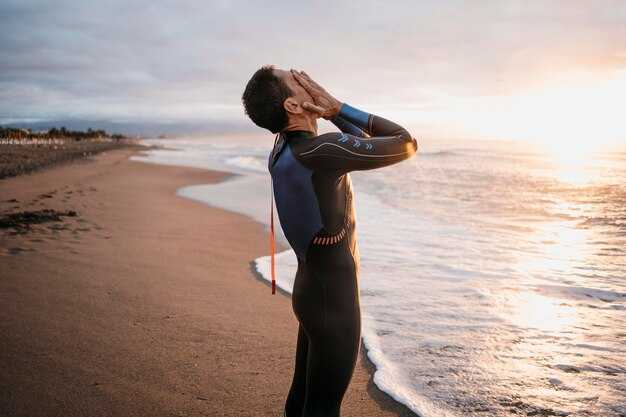
Pause, take a slow breathing cycle, and regain calm with this 5-4-3-2-1 check in moments at sea. It targets the cause of panic by anchoring your attention in the present and turning dread into clear, actionable steps.
- 5 things you see: the horizon, the deck, a rope, a restube, the captain’s wheel.
- 4 things you feel: the deck under your boots, the wind on your face, your life jacket snug, your heartbeat steadying.
- 3 things you hear: waves against the hull, the engine, crew chatter or orders from the captain.
- 2 things you smell: salt spray and diesel fuel or oil on the air.
- 1 thing you taste: salt on your lips or the dryness of your mouth from shallow breathing.
Breathing matters. Inhale through the nose for 4 counts, hold for 2, exhale slowly for 6. Repeat 3–5 cycles to calm the nervous system and regain composure. This combination of grounding and breathing helps you know what’s real, not what fear imagines. If you notice panic occurring again, you’ll have a reliable routine to rely on.
Talking helps, too. If a person nearby is calm, share a brief check-in with the captain or a crew member about the next steps. You should keep sentences short and direct to avoid fueling doubt or self-critical habits. If you carry a restube, keep it within reach; the fact that you have it ready can boost your confidence on a rough trip. Tapeka–a quick, deliberate pause–can become a habit you use again and again to stay brave and grounded in normal, stressful moments at sea.
Prepare a Simple Water-Safety Plan Before You Swim
Make your plan simple: write three steps and review them with a buddy before you enter the water. Also, aim for Olympic-caliber calm in your responses when the blue sea looks tense.
- Check blue water conditions, wind, and tides using local alerts; if the forecast suggests rough seas or strong currents, postpone and choose a safer spot such as a protected cove near paihia. Confirm lifeguard presence and stay within marked zones.
- Designate entry and exit points you can reach by standing or walking, and set up a clear signal if someone needs help. Agree on a time limit and a meeting point on shore so everyone stays together.
- Prepare safety gear: restube, a compact whistle, a waterproof phone, and a small light for dusk; Also carry a towel and choose activities within your ability. Set a plan to return to shore within a good window, and rehearse it with your buddy.
During the swim, monitor for symptoms of panic: racing heart, short breath, dizziness, or trembling. If you notice any, pause, float on the back, breathe slowly, and signal for help. Have a face-to-face check with your buddy if you see signs on your own face, and stay within reach. A woman accompanying you or supervising should be ready to step in and guide you to shallower water.
thalassophobia can complicate deals with fear of the sea. Use grounding phrases, focus on concrete actions, and perhaps progress slowly: start with shallow water, then small distances, then longer sessions. Earlier preparation reduces dangerous responses and helps you deal with fear more calmly in three known cases when panic arose. Take note of three symptoms you experienced and how you responded, so you can repeat the good approach next time and learn from every taking step.
Night swimming carries extra risk: avoid it if visibility is poor. If you must swim at night, stay in well-lit areas, wear a bright cap, keep a dependable light, and face the shore. Do not go down beyond arm’s reach and always stay with your buddy.
Activities that require water exposure should match your needs and strengths. If you notice weaknesses in stamina or breath control, shorten sessions, rest more often, and gradually increase exposure over weeks. With a solid plan, you gain confidence and reduce the chance of panic while in blue water.
Choose Accessible Gear and Signals to Lower Alarm
Choose accessible gear and signals, and keep a bright signal kit in an open, clearly labeled pouch at the helm so you can grab it without hesitation. Include a whistle on a quick-release lanyard, a small waterproof mirror, a compact LED torch, and a handheld VHF radio with spare battery. These protectors help your crew communicate across rough seas, and such signals stay within reach when nerves tighten. When signals are accessible, panic is avoided, and you deal with the situation more calmly.
Practice a simple two-minute routine to check gear and test signals: designate a signal lead, move through the steps slowly, and confirm everyone understands cues. These steps rarely fail when practiced. This planning builds techniques you can rely on when you’re going through spray and wind on a trip. Keep the drill short so the crew stays focused and comfortable.
Keep a ready kit in paihia or other open-water zones ready, with a spare battery and extra reflector or mirror in the kit. Label compartments, keep signals visible, and use color-coded tags so you can grab the right item in a hurry. Open access reduces delays and keeps your setup straightforward for the crew.
During a scare, respond calmly: take a deep breath, count to three, and move your hands slowly to operate signals like the radio or a flare. This approach reduces worries and lowers alarm, even in rocky, wild chop. Comfort comes from clear steps and steady execution.
Healthy planning and comfort come from practice anyway; if someone fell or cried during a drill, support them and recover quickly. If someone is pushed to the edge, the kit helps you stay on track and the crew works like a unit. Open communication, simple signals, and ongoing drills create confidence for going far from shore.
Establish a Supportive Buddy System for Safety and Confidence
Pair up with a buddy before you leave the shore and lock in a personal safety plan. Decide who leads the monitoring and who speaks up first when you notice symptoms such as rapid heart rate or confusion. Establish clear roles to save time and build confidence in rocky conditions. Your buddy knows your limits and can tell when your health or mood shifts, so you can act together to stay safe.
Assign roles that should stay consistent: one is the lookout, the other tracks approaching changes in mood, breathing, or balance. Use a simple talk-first signal to tell your partner when you feel overwhelmed. Notice any change in breathing or posture and address it immediately. Stay within sight of their sails to maintain orientation, and a quick phrase, perhaps “I need help,” keeps communication direct.
Practice makes the system reliable. Use calm-water sessions to rehearse signals, check-ins, and who steps in when symptoms appear. As one said, sharing stories of coping under stress deepens learning and helps you view safety more clearly; soon you will feel more confident, and the bond grows deeper. The aim is comfortable, direct communication that reduces spin or panic when a real moment of fear arises.
Set a concrete cadence: check in every 15 minutes, review what went well, and outline the next move. Like a second crew, these two should function with clear roles. Differences in experience or nerves should be acknowledged with respect and patience; a great buddy system adapts to each partner’s needs. This approach keeps the two as a team rather than isolated individuals, helping both feel comfortable and ready for the next task.
In a crisis, the buddy should step in immediately: maintain a steady course, reduce speed, and guide the other toward a safer position. If one is thrown off balance, the partner takes the helm and keeps the other within reach; this simple sequence helps save the moment and protects both health and confidence. By sharing responsibility, each person gains a sense of control and a deeper trust in the other.
Next, review after each outing: what helped, what to adjust, and what to practice before the next trip. Keep a written personal note of lessons learned and update the plan. With consistent practice, the buddy system becomes a natural reflex that supports their health and safety even in a spin or storm.