


 Türkçe
  English (UK)
  Русский
  العربية
  日本語
日本語  한국어
한국어  Magyar
  Español
  Čeština
  Svenska
  Português
  Ελληνικά
  Suomi
Suomi  Nederlands
  Română
  Italiano
  Français
  Polski
  Українська
  Deutsch
  简体中文
简体中文  Slovenčina
 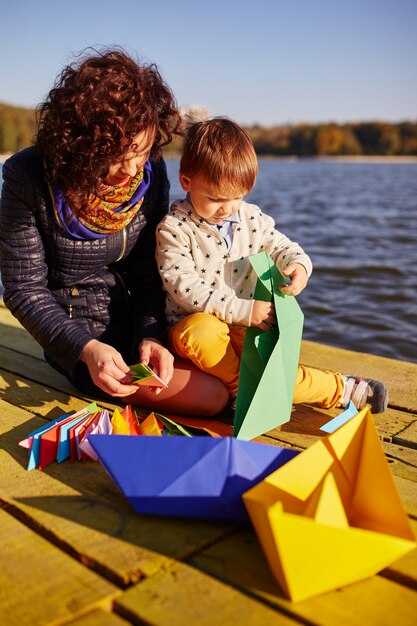 Planning Your First Big Sailing Trip with Kids – A Practical Guide">

Somut bir planla başlayın: tercihen bir adanın etrafında, korunaklı sulara yakın 2 ila 4 günlük bir test etabı belirleyin. Konforlu bir kabine sahip, güvenilir bir yelkenli seçin ve atıştırmalıklar ve dinlenme için kısa bir mola ve hava koşulları için bir yedek payı içeren günlük bir ritim planlayın.
Paylaşılan bir yapılacaklar listesi oluşturun: güvenlik kontrolleri, tedarik, rota belirleme, nöbet değişimleri ve hava durumu takibi gibi görevler. Kendim için, basılı bir kontrol listesi ve birlikte düzenleyebileceğimiz dijital bir kopya tutun ve işin dağıtılması için başka bir aile üyesine dönüşümlü bir rol atayın.
Önce güvenlik: Çocuklar uygun boyutta can yelekleriyle bağlanmalı, güverte üzerindeyken güvenlik halatları takılmalı ve yelkenli teknede nerede durulacağına dair kurallar açık olmalı. Manevralar sırasında sakin kalmaya çalışın ve riskli hareketlerden kaçının; güvertedekilerin kendilerini güvende hissetmeleri için herkesi güvenlik tatbikatlarına dahil ederek atmosferi sakin ve odaklanmış tutun.
Lojistik ve ekipman: hafif eşya toplayın, kompakt mutfak ekipmanları kullanın ve küçük bir ocakta pişirmesi kolay yemekler planlayın. Adadaki molaları kısa tutun, böylece suda henüz kendine güveni olmayanlar için seyahat yönetilebilir hissettirsin.
Zihniyet ve deneyim: Bir ayağı ne zaman kısaltmaya karar vereceğinizi ve ilgili kişileri nasıl dahil edeceğinizi düşünün. Seyrederken sürekli olarak hava durumu ipuçlarını açıklayın ve gemidekiler için nelerin iyi işlediğini not alın, böylece bir dahaki sefere plan yaparken temel şeyleri unutmazsınız.
Sonraki adımlar: deneyim arttıkça mesafeyi kademeli olarak uzatarak, 2 günlük başka bir etapla takip denemesi planlayın. Her çocuğun ne katkıda bulunduğunu belgeleyin, iş dağılımlarını ayarlayın ve her mola ve bağlantı noktasında güven oluşturmaya devam edin.
Çocuklarla Aile Yelken Macerası için Pratik Planlama
Tavsiye: Yanınıza ufak bir güvenlik kiti alın ve ayrılmadan önce teknedeki can yeleklerini test edin, ardından güven oluşturmak ve herkesin gözünü ufukta tutmak için ilk etabı kısa tutun.
Gerekçe: Çocuk dostu kilometre taşlarına sahip gerçekçi bir plan, stresi azaltır, yelken saatlerini yönetilebilir tutar ve kıyıda keşif için daha iyi zaman yaratır. Enerjiyi ve merakı sıfırlamak için ara sıra karaya çıkarak günde iki ila dört saatlik yelkenler planlayın.
Sonrasında herkesi planlamaya dahil edin. Çocuklara her gün rüzgar yönünü kontrol etmek, bir harita üzerinde basit bir rota çizmek veya şamandıra işaretlerini not almak gibi küçük bir görev verin. Bu, onların ilgisini canlı tutar, kıyıyı ve gökyüzünü görmelerini geliştirir ve korku duymadan macerayı sahiplenmelerine yardımcı olur.
İleride, geçişlere dikkat edin ve sakin günlerde korunaklı koyları veya güvenli kanalları tercih edin. Güven ve deniz tutmasına olan dayanıklılık artana kadar uzun geçişlerden kaçının ve gündüz vakti karaya ulaşmayı hedefleyin, böylece ebeveynler sonraki yol noktasını gözlemleyebilir ve güvertede herkes sakin kalır.
Farklı ihtiyaçlar esnek bir programlama gerektirir. Emekleyen bebekler ve enerjik çocuklar için güverte oyunlarını rutine dahil edin, uyku saatlerini daha sakin denizlerle uyumlu hale getirin, kısa ve besleyici öğünler hazırlayın ve atıştırmalıkları ulaşılabilir tutun. Zamanı ve iştahı planlayarak, daha fazla kontrol sahibi olursunuz ve herkes saatler süren yelken seyrinde daha mutlu kalır.
Akıllıca seçimler yapın: özellikle yoğun sezonda marina yerlerini veya kıyı duraklarını önceden ayırtın; çocuk dostu tesisleri ve güvenli demirleme yerlerini doğrulayın. Doğru boyutlarda birden fazla can yeleği getirin ve güvertede hızlı bir testle uyumlarını iki kez kontrol edin. Ayrılmadan önce, hava durumunu kontrol edin ve tahminler değişirse planı uyarlayın, çünkü şimdi yapılan hazırlık yolculuğu daha sorunsuz hale getirecektir.
| Item | Neden Önemli? | Yapılacak işlem |
|---|---|---|
| Güvenlik kiti + can yelekleri | Herkesi korur ve hızlı yanıt verilmesini sağlar | Boyutları incele, uyumu test et, yakında bulundur. |
| İki günlük yelken planı | Çocuklar için gerçekçi hız ve azaltılmış yorgunluk | Kısa bacakları taslak haline getirin; kara duraklarına izin verin |
| Çocuk işleri | Etkileşimi artırır ve ufku görmeyi sağlar | Rüzgar kontrollerini, haritaları ve kayıtları atayın. |
| Liman rezervasyonları | Yoğun limanlarda son dakika stresini önler | Önceden rezervasyon yapın; aile dostu olanakları doğrulayın |
Çocuklar İçin Bavul Hazırlama İpuçları: Yaşa ve Seyahat Aşamasına Göre Yanınıza Almanız Gerekenler
Ata iaşeci her çocuk için etiketli bir temel eşya kargo çantasını yönetmek. Hava koşullarına uygun hazırlayın suit (katmanlama), güneş şapkası, kompakt bir yağmurluk ve çocuk başına yedek bir kıyafet; eşyaları etiketleyin ve mürettebat alanının yakınında hızlı değişim kiti bulundurun, böylece kıyı yolculuğunda uyum sağlamaya hazır olursunuz.
0–3 yaş – Kalkıştan önce: 2–3 günlük kıyafet, uyku tulumu, bebek bezi veya külot bez, ıslak mendil, pişik kremi ve küçük bir tuvalet malzemesi çantası hazırlayın. Hareket halindeyken uyumalarına yardımcı olması için tanıdık bir battaniye veya peluş oyuncak ekleyin; hızlı enerji için meyveler ve kompakt bir gece lambası ekleyin. Kolay erişilebilen bir cepte bir yedek kıyafet ve ebeveynler ve ekip için acil durum numaralarının bulunduğu küçük bir kart bulundurun.
0–3 yaş – Seyahat sırasında: Bebek bezleri, mendiller, yedek kıyafet, emzik veya diş kaşıyıcı, küçük bir oyuncak ve su şişesi için etiketli bir kese kullanın. Tekne sallanırken ve siz ve mürettebat programları ayarlarken sakin tavrınızı koruyun. Gerekli eşyaları ulaşılabilir bir yerde tutmayı unutmayın; her şey için tek bir çantaya güvenemezsiniz.
4–7 yıl – Kalkıştan önceMacera kiti oluşturun: macera dolu aktiviteler için küçük bir sırt çantası, kompakt bir el feneri, bir not defteri, bir su şişesi, güneş kremi ve bir şapka. 2–3 günlük kıyafetler, yedek çoraplar ve birkaç meyve veya atıştırmalık ekleyin. Dayanıklı, makinede yıkanabilir kumaşlar kullanın; ebeveynler ve çocuk sorumluluğu paylaşması için eşya seçiminde çocuğu dahil edin. Kısa bir kontrol listesi, eşyaları hızlıca bulmaya yardımcı olur ve dağınıklığı azaltır.
4–7 yaş – Seyahat sırasında: Basit bir rutin oluşturun; kabin cebine bir yedek kıyafet ve küçük bir etkinlik seti (boyama, çıkartma veya harita) koyun. Geceleri güvertede dolaşırken gömleklerine takılı bir kafa lambası yardımcı olur; aşırı uyarılmayı önlemek için sessiz zaman seçenekleri saklayın. Yakınlarda başka bir aile varsa, yemek ve atıştırmalıklar için fikir alışverişinde bulunabilirsiniz; bu, ekibinizin gün boyunca mutlu ve hareketli kalmasını sağlar.
8–12 yaş – Kalkıştan önceBağımsızlığı güçlendirin: Kişisel bakım seti, mini bir ilk yardım seti (bandajlar, antiseptik mendiller) ve küçük bir kurallar kartı ile sorumluluk yükleyin. Bir okuma kitabı, kalem kutusu, sağlıklı atıştırmalık seçenekleri ve çeşitli meyveler ekleyin. Daha büyük çocukların kendi eşya çantaları için eşya seçmelerine izin vererek sahiplenmeyi güçlendirin; bu, ihtiyaç duydukları şeyi hızlıca bulmalarına yardımcı olur.
8–12 yaş – Seyahat sırasında: Çocuklara uygun bir kontrol listesi ve günlük ihtiyaçlar için küçük bir çanta sağlayın; kafa lambası veya kompakt el feneri, meyveli atıştırmalıklar, bir seyahat günlüğü ve izin verilirse bir kamera bulundurun. Tuvalet malzemelerini seyahat boyutunda tutun ve onlara çöpleri ve çamaşırları nasıl yöneteceklerini öğretin; diğer misafirleri veya mürettebatı rahatsız etmemek için güvertede seslerini alçak tutmalarını hatırlatın.
13+ yıl – Kalkıştan önce: Encourage older kids and adventurous teens to pack their own kit, including a lightweight device, charger, headphones, and a privacy bag. They should carry a personal water bottle, sunscreen, and a compact sleeping kit; use a simple laundry rule to wash items on board; label cargo clearly and keep a spare set in a shared bag. Youre ready to handle the next phase with confidence and live stories from the voyage as memories.
13+ years – During voyage: Set expectations: teens can manage checklists, locate items quickly, and contribute to the maintenance. If they need to sleep in a different space, a small headlamp helps orientation. Keep a calm dialogue with the crew, and use the chance to understand their comfort and privacy needs; finding solutions strengthens confidence on the journey.
Charter Prep: Clothing, Footwear, and Layering for Sea Conditions
Start with a three-layer system: a base layer to stay dry, a mid-layer for warmth, and a waterproof outer shell to protect against spray. Pack a compact spare rope in a dry bag at the cockpit locker so hands stay free when you move between lines and rails. This setup helps the whole group stay comfortable from dawn to dusk.
Base layers should be moisture-wicking and quick-drying. Choose merino wool or high-quality synthetics rather than cotton. For summer days, aim for 150–180 g/m2; in cooler stretches, 200–260 g/m2 provides reliable warmth while drying quickly after rinses or spray. If you began the day with sun, a lightweight long-sleeve option can protect arms without overheating.
Mid-layers offer adaptable warmth. A 200–300 g fleece or a light synthetic puff balances loft and breathability, so you can easily adjust as breeze shifts. Simply zip in and out without fuss, and keep a couple of solid options so both adults and kids stay comfortable as the forecast changes. A sublayer that moves with you saves effort on deck when trimming sails or tying moorings.
Outer shells should be waterproof and breathable with sealed seams. Look for 10,000–20,000 mm hydrostatic head and a MVTR of 10,000–15,000 g/m2/24h for dependable rain and spray protection without overheating. Choose jackets with adjustable hoods, cuffs, and a vented back panel for airflow. An attractive, well-fitted shell makes a big difference in staying active and dry while you anchor, reef, or maneuver around tight spaces with rope arcs and halyards.
Footwear matters as much as any layer. Pick deck shoes or sandals with non-marking, grippy soles and closed toes for safety. In rough seas, a short pair of waterproof boots adds traction and keeps feet warm. For hot summer days, breathable water shoes can work, as long as they stay securely on during heel-toe movements on a pitching deck. Stock two pairs per person: one dry pair and one wet pair, and add moisture-wicking socks (synthetic or merino) to prevent blisters and keep feet comfortable on long passages. Brand options like mahina or arcona offer reliable grip and fit for sailors who value performance on deck.
Accessories round out the system. A sun-safe hat and sunglasses stay in place on a windy day, while thin, windproof gloves help when handling lines or fenders. If you’re chartering a small crew and plan to sail in cooler mornings, include a lightweight beanie that fits under a hood. For the boat’s setup, keep a few spare caps or bands labeled with clear colors, so kids can identify their gear quickly and stay engaged with the voyage–seeing everyone move confidently with their own kit boosts morale.
For kids and the group dynamic, plan ahead to reduce stress. Assign a color-coded set of layers for each person, and keep a couple of extra outfits in a dry bag near the helm. Names on bags, like agnes and adamastor, help little sailors stay with their gear. When a crew member feels happy and prepared, they contribute more to the day’s tasks and decisions. A steady, thoughtful approach makes the optimist-fleet feel safer, and both adults and children reach the end of the day with clear, comfortable outfitting that supports movement and alertness.
Finally, rehearse the routine before departure. Check the forecast, decide who wears what, and practice quick changes in the cockpit or salon so you don’t waste travel time. Remember to store a light, packable layer for summer heat and a warmer option for chilly breeze. If crews switch boats–say between agnes, lara, or arcona models–the same layering principle holds, keeping everyone happy and ready for the next sail.
Deck Safety and Supervision: Life Jackets, Harnesses, and Daily Safety Routines
Recommendation: Always have everyone aboard wear a properly fitted life jacket when the boat is moving, and attach a harness to a jackline whenever you are near the rails. This real, practical habit reduces the risk of a fall and enables a quick response if something goes wrong.
As asked by many families, this plan writes clear steps for fit and use. Choose Coast Guard–approved PFDs sized to weight and chest measurement; the straps should be snug and adjustable, with a crotch strap for babies and toddlers to prevent ride-up. Test each jacket in shallow water before you depart, and ensure it stays in place when the wearer moves. On longer passages, Type II or III on deck provide buoyancy and mobility, while Type I is preferred for offshore passages if conditions worsen. Keep spare PFDs on hand for guests and new crew.
Harness use: Attach kids to a jackline when moving aboard; clips should be secured to rated points. Inspect straps and buckles weekly and replace frayed parts immediately. Leave gear stowed when not in use and keep the left side of the deck clear of lines and toys to prevent trips. Baby-proof locks on cabinets and hatch covers help keep little hands safe, and harnesses should be checked for proper fit every morning.
Daily safety routines: Start each day with a quick safety check – verify PFDs, harnesses, and jacklines are in good condition, and confirm hatches are secure. Create a buddy system so no one sails alone; rotate supervising duties every hour to stay alert. Minimize advertisement distractions on deck to keep focus on safety; involve kids in simple tasks like tying knots or checking straps to spark curiosity. Tips: keep a small spare kit of PFD parts, and practice a two-minute man overboard drill so responses stay fast. This approach has great benefits, especially for families who go longer distances along the coast, and it literally keeps everyone focused on safety; everyones aboard will sleep better with consistent routines.
In december, daylight wanes and weather can shift quickly. Plan shorter passages, frequent stops, and more supervision during late afternoons. The strategy yields real benefits: faster reactions, calmer crews, and longer, happier days aboard. Keep the habit along and you will see better outcomes for all aboard.
Entertainment at Sea: Structured Activities to Engage Toddlers and Preschoolers
Set a four-block daily plan to keep looking ahead and maintain energy. Each block lasts 12-15 minutes with 2 minutes for transitions. Start with a brief welcome chat before the first block to set tone, then move smoothly between activities to support focus and fun.
Jessica began with this approach and quickly saw that kids love predictable timing, simple choices, and the chance to contribute ideas. Keep lifejackets strapped and ready for any deck activity, and position the activity area near the head or stern so supervising adults can see everyone clearly.
-
Block 1 – Story time with books: choose 2 short sea-themed picture books and read aloud for 6-8 minutes. Prompt questions like “What color is the boat?” and “Where is the wave going?” to boost talking and listening. Sit together on a small mat in a safe area, with lifejackets nearby for quick access if needed.
-
Block 2 – Craft and ship shapes: use laminated sheets and waterproof markers or magnetic shapes to build a tiny boat collage. Include 4 shapes (circle, square, triangle, rectangle) and let kids decide layout. This group activity fosters collaboration and helps everyone feel involved.
-
Block 3 – On-deck movement games: a quick “steer the boat” relay where little ones walk from bow to stern and back, following simple commands. Keep transitions fast, use a light rope as guide, and remind kids to keep feet on the deck and hands off rails unless supervised.
-
Block 4 – Quiet reading or puzzle corner: finish with a calm moment–puzzle mats, soft books, or a small sea-themed puzzle. If a child began to lose focus, switch to a shorter option and invite a parent to read aloud a favorite page.
Tips to keep everyone engaged: use a simple cue signal for transitions, like a whistle or clap, and offer a quick choice: “Would you like story time or a craft next?” Build in a moment for talk about what they loved and what they want to try tomorrow, so everyones voice is heard and valued.
- Safety first: lifejackets on during any movement area, fastenings checked, straps snug, and supervision close at head and stern zones.
- Planning: arrive with a small kit that includes books, laminated craft sheets, markers, magnets, and a few simple props, then rotate items to keep interest high.
- Involvement: invite kids to pick the next block’s theme and let them talk about boats, waves, or colors; encourage them to contribute ideas and lead brief routines.
- Resources: check websites for fresh, age-appropriate activities and adapt ideas to your boat’s space and weather constraints.
- Logistics: position the area away from crowded rails, keep the four blocks in mind, and begin with a quick safety check each day before arriving on deck.
To keep the plan moving, set a first block objective, monitor quickness of transitions, and adjust the pace based on mood. The approach helps everyone feel included, builds confidence for little ones, and turns entertainment into a shared family routine during the voyage.
Simple Cruising Strategies: Short Hops, Clear Routines, and Shore Time
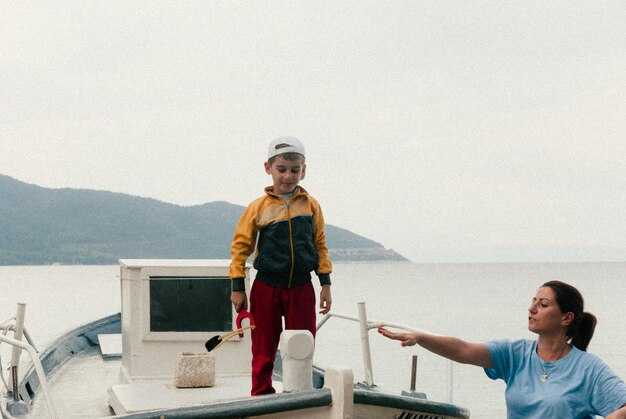
Plan short hops of 2–4 hours between sheltered anchorages, aiming to reach a marina or calm place before lunch. Choose days with steady wind around 8–12 knots and small waves, and stay off fast routes whenever possible. If a crossing looks rough, shorten the leg and reposition toward a nearby cove while you regroup.
Create a simple, repeatable routine you can follow every day: pre-check weather and tide, secure the lifejacket for kids, check the line and winch, include a quick snack, and assign a small task to each traveller. Use this structure whilst underway to reduce surprises and to let the kids feel secure.
Build shore time into each leg: plan 1–2 hours on land for a walk, a playground visit, or a quick shore-cleanup. This helps childrens needs by giving them space to move, observe kinds of sea life, and simply be in a different place.
Gear check: ensure lifejacket fits everyone, keep a spare on deck, and attach a durable line for docking. If you bought a mahina lifejacket or other gear, verify fit before departure and test it in the marina’s calm water.
Travelling with kids means packing compact activities: a few small books, chalk, cards, and a nature guide. Bring books for calm moments and the occasional fish-spotting page. On calm days you can literally sit with the kids watching waves and the ocean, sometimes spotting dolphins at a distance.
On marina days, plan for hydrated water, snacks, and a shaded rest area. Use a simple checklist to confirm water, electricity, and waste stations are available. Keep a light bag with essentials to avoid overpacking. This plan meant to reduce stress by keeping kids engaged.
This approach will make travelling with kids smoother and lets you become more confident at sea. Keep notes in a small log and gradually adjust hops as the crew grows. This plan will allow you to adjust hops as needed.