


 Türkçe
  English (UK)
  Русский
  العربية
  日本語
日本語  한국어
한국어  Magyar
  Español
  Čeština
  Svenska
  Português
  Ελληνικά
  Suomi
Suomi  Nederlands
  Română
  Italiano
  Français
  Polski
  Українська
  Deutsch
  简体中文
简体中文  Slovenčina
 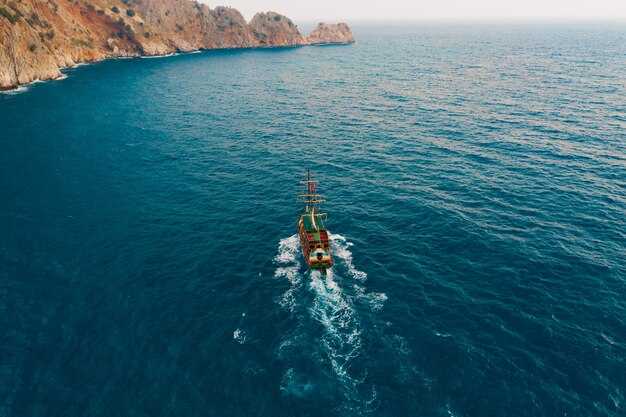 One Week Sailing the Aeolian Islands – Lipari, Vulcano &">

Haftaya Lipari'nin korunaklı limanına şafak vakti demir atarak başlayın, rotayı sabit bir şekilde Vulcano'ya çevirin ve suya sakin bir sabahla başlayın.
Lipari'de köy, limandan dar sokaklara doğru yükselir; burada badanalı mimari deniz manzaralarını çerçeveler ve şamandıralar, rıhtım boyunca güvenli demirleme yerlerini işaretler.
Lipari'den geç sabah saatlerinde Vulcano'ya doğru yelken açıp kaldera esintisini yakalayabilirsiniz; öğleden sonra Cala Vulcanello açıklarına demirleyebilir, kraterde yürüyüş yapabilir ve teknenize dönmeden önce mineral havuzlarında yüzebilirsiniz.
heres İpuçları özeti: Günlük rüzgar tahminlerini kontrol edin, yedek bir çıpa taşıyın, volkanik kıyı şeridindeki yedi şamandırayı not alın ve ayrılmadan önce Bottaro kayalıklarının konumlarını liman başkanlığı ile teyit edin.
Akşamlar, köy meydanı parlarken huzur getirir; norman kemerler liman kilisesini çerçevelerken, Bottaro'nun kafesi narenciye aromalı kokteyller sunuyor ve denizciler not alışverişinde bulunuyor; Bottaro, yerel sohbetlerde favori bir akşam durağı olarak geçiyor ve sessiz gece demirlemeleri ve güvenli ayrılışlar için plan yapmalısınız.
Deniz ve toprak üzerindeki film şeridi gibi ışık, yelkenle gidilen her etabı kesin hissettiriyor; tüm günler eşit derecede sakin değil mi, yine de takımadaların etrafında dönerken, Sicilya kıyısının yedi bölümünü topluyorsunuz.
Esnek planlamayla rotaları rüzgara, gelgite ve gölgeye göre ayarlarsınız; Sicilya'nın Aeolian zinciri, dikkatli kaptanları sakin koylar, berrak su ve her durakta taze yakalanmış deniz ürünleri ile ödüllendirir; bu da kesinlikle karşılığını veren bir kombinasyondur.
Aeolian Adaları Yelken Planı
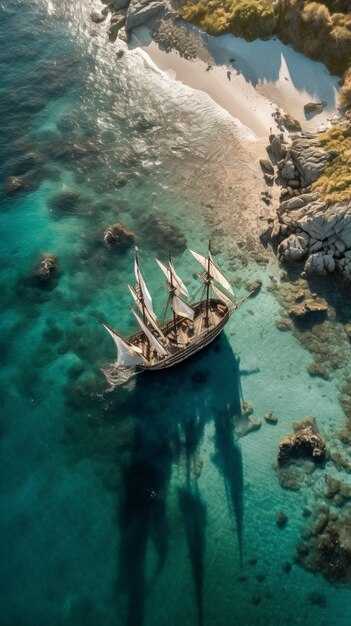
İlk gece için Lipari'de güvenli bir şekilde demirleyin ve geri dönmeden önce saat yönünde Vulcano, Panarea, Stromboli, Salina, Filicudi ve Alicudi üzerinden bir döngü planlayın. Bu plan, günde 4–6 saatlik yelkenin yanı sıra limanları keşfetmek, yüzmek ve yemekler için ayrılan zamanı da içeren yedi günlük bir seyahat programına dayanmaktadır. Demirleme fees liman ve mevsime göre değişir, genellikle 30–60 EUR gece başına; rıhtım için nakit taşıyın hours ve resmi kontrolleri kullanın. pruva halatları tekneyi emniyete almak ve günler sürecek seyir için yeterli su hazırlamak. Harika bir bölümün tadını çıkarmaya hazırsınız. sicily‘nın kuzey kıyısı.
1. Gün – Lipari: Temel Lipari'de, Marina Corta veya Porto Pignataro yakınlarındaki korunaklı limanlarda güvenli demirleme yerleri bulun ve hareket edin. pruva halatları istikrarlı bir gece için. Karadaki hükümler basit ve restaurant kolayca ulaşılabilir mesafededir. Zimmari bölgesine kısa bir yürüyüş, ada yaşamına dair sakin bir önizleme sunarken, ardından güverteden gün batımını izleyebilirsiniz.
2. Gün – Volkano: Volkano'ya yelken açın, şunlarla ünlüdür: volkanik manzarası ve siyah kumlu plajları. Güne bir sabah ile başlayın krater daha serin hava için yürüyüşe çıkın, ardından geri dönmeden önce sıcak sularda yüzün. Öğleden sonra bir limanı ziyaret edin restaurant öğle yemeği için ve kontrol et hours volkanik parkın zirvesine ulaşın, böylece sakin sulara gün batımı yelkenini planlayabilirsiniz.
3. Gün – Panarea: Panarea'ya kısa bir geçiş; San Pietro limanındaki şamandıralara yanaşmak kolay ve pruva halatları güvenli. Panarea'nın beyaz sokakları ve samimi dükkanları bir wonderful Vulcano'nun aksine. Rüzgarlar eserse, zimmari bölgesinin yakınına demir atın ve hafif bir restoran yemeğiyle kıyıda bir akşamın tadını çıkarın.
4. Gün – Stromboli: Volkanik ada ufku domine ediyor. İç limandaki bağlama yerleri sizi rüzgar hamlelerinden korur; gece gökyüzünde parıltıyı yakalamak için öğleden sonra lisanslı bir krater yürüyüşüne katılın. Döndükten sonra, limanda yemek yiyin. restaurant. Monitör fees ve gecikmeleri önlemek için son ihale saatleri.
5. Gün – Filicudi veya Alicudi: Esintiye bağlı olarak, deniz mağaraları ve berrak sular için Filicudi'ye ya da daha sakin, daha geleneksel bir hava için Alicudi'ye doğru yol alın. Filicudi limanı, güvenilir demirleme yerleri ve birkaç lokantaya yürüme mesafesi sunar; fees aynı aralıkta geçerlidir. Kıyı davet ediyor keşfetmek bir bot ve su üzerinde bir gün batımı eşliğinde.
6–7. Gün – Lipari'ye geri dönüş: Hava şartları uygunsa sakin bir yüzme için Morto sığlığında durun ve haftayı son bir bakışla tamamlayın. sicily sahili boyunca ilerleyin. Lipari'ye dolu bir gemi ve Eolie Adaları'nda geçirdiğiniz harika bir haftanın anılarıyla geri dönün.
Gün gün seyahat programı: Lipari, Vulcano, Panarea
Lipari'nin Marina Corta'sına demir atarak güvenilir bir üs elde edin, ardından Castello'ya ve Aeolian Müzesi'ne doğru yürüyerek yönünüzü bulun. Sıkışık bir şehir turunun—sokaklar, rıhtım, belvedere—acele etmeden dolu dolu hissettirdiğini öğrendik. Akşamları, limanda taze pesce yerken postacı hala notları rıhtım kenarındaki bir tavernaya teslim ediyor.
Lipari'den Vulcano'ya yelken açın ve La Fossa kraterine hızlı erişim için Porto Levante yakınlarına demirleyin. Kapsamlı manzaralar ve hafif kükürt dumanları için kraterin kenarına doğru uygun yürüyüşünüzü yapın; her yöne 60–90 dakika ayırın. Ardından, Vasche di Venere'deki sıcak su kaynaklarında rahatlayın ve serinlemek için denizde durulanın. Vulcano kıyısı boyunca su altı görüş mesafesi genellikle lavlarla oluşmuş resiflerin yakınında kısa bir şnorkel için yeterince açıktır ve daha sakin bölgelerde küçük balıklar bulunur.
Sırada Panarea var: San Pietro açıklarına demir atın ve Panarea'nın minik liman kasabasını keşfetmeye başlayın. Kısa bir macera için, yakındaki Basiluzzo, Dattilo ve Spinazzola adacıklarını görmek üzere küçük bir tekne kiralayın, ardından engebeli kıyı boyunca kısa bir deniz yürüyüşü için Cala Junco'ya gidin. Panarea, turistlerin de tercih ettiği, badanalı sokakları ve duraklamayı otantik kılan birkaç fırınıyla üç koy ve rahat bir tempo sunuyor.
Dördüncü gün sizi Panarea'ya daha çok yönlendiriyor: Cala Junco ve Diomedee adacıklarının çevresinde şnorkelle dalın, ardından kıyı şeridinin geniş manzaralarını sunan bir uçurum seyir noktası için Punta del Corvo'ya tırmanın. Aeolianlar yakındaki adacıklara Diomedee adını veriyor ve rüzgar izin verirse Basiluzzo ve Dattilo'yu ziyaret etmek için ikinci bir charter ayarlayarak Panarea'nın kıyı şeridinin üç tarafını da görebilirsiniz.
Beşinci gün için kuzey limanında bir üs kurarak Lipari'ye dönün. Quattro Strade'ye doğru kıyı yürüyüşü seçin, hafifçe yükselen ve diğer tarafta deniz manzaralarıyla dönen bir yol boyunca iç kısma ilerleyin. Rota, Lipari'nin toprak tonlu lav kayasını, çalılıklarını ve hızlı bir yüzme için durabileceğiniz küçük koylarını vurgular. Turist dostu bir denge için, yürüyüşü bir liman kafesinde öğle yemeği ve eski şehirde bir gezinti ile de eşleştirebilirsiniz.
Altıncı gün su altı dünyasına ve rahat denizcilik temposuna odaklanıyor. Sabah Lipari'nin korunaklı koylarında şnorkelle yüzme ayarladık, ardından güvertede öğle yemeği için yakındaki bir demirleme yerine yelken açacağız. Demirleme ağı, girişleri kolaylaştırıyor ve sakin denizler, renkli balıklar, deniz kestaneleri ve lavlarla şekillendirilmiş çatlaklar gibi deniz tabanına tam olarak odaklanmanızı sağlıyor. Ayrıca, su üzerindeki güneşi ve ada siluetlerini yakalamak için yanınıza hafif bir fotoğraf makinesi alın.
Yedinci gün, Lipari müzesine tekrar bir ziyaret ve yelken açmadan önce son bir sahil yürüyüşü ile günü kapatın. Liman boyunca lavlarla şekillendirilmiş çıkıntıları incelerken, bazalttan beyaz pomzaya kadar toprağın renkleri bir kez daha canlı hissediliyor. Yedi günlük keşif, rüzgar ve tuzun tadını çıkardık ve bu rota, sudaki son geceden önce unutulmaz bir dinlenmeye dönüşebilir.
Lipari ve Panarea'da liman seçenekleri ve demirleme prosedürleri
Marina di Lipari'de su, elektrik ve kıyı tesisleri dahil olmak üzere eksiksiz bir hizmet yelpazesi için bir bağlama yeri ayırtın; daha düşük maliyetler ve daha fazla esneklik için, rüzgar açık denizleri desteklediğinde dış limanlardaki şamandıra demirlemelerini kullanın.
- Lipari – Marina di Lipari: modern, staffed, and close to the town. It provides water, power, fuel dock, showers, and emergency assistance. The harbours here handle both guest slips and transient moorings; a few berths remain open during shoulder seasons, making it a popular choice for cruisers who need reliability and quick shore access.
- Lipari – Porto di Lipari (outer/old harbour area): guest pontoons and buoy fields serve those seeking a cheaper option or a quick stop. Use a bow line to a buoy and a stern line to a secure ring; always deploy fenders and keep your crew ready for rapid adjustments if surge rises.
- Panarea – Porto di Panarea and nearby buoy field: a compact harbour with limited services and clear access to shore facilities in the village. Mooring buoys are common here; plan a short stay if the quay is crowded, and be prepared for basic toilet and fresh water provisions on land.
Procedures and practices to follow on both islands ensure smooth mooring and quick departures, especially during the peak season when seven-day charters rotate through harbours and bays.
- Prepare in advance: confirm vessel length, draft, and clearance. Check the seven-day forecast and observe crystal waters around the coast for smooth entries; the shore and vegetation along the island are particularly scenic in the afternoon light.
- Contact the Harbour Master on VHF channel 16 to request entry, confirm available buoy space or a slip, and obtain any local instructions. Those who appear at the quay with proper paperwork are released to a mooring promptly.
- Choose your mooring type: buoy or quay. Buoys typically offer lower fees and easier departures; quay berths provide direct shore access, but require precise line handling and longer preparations.
- Approach carefully: follow channel markers, keep a safe speed, and stay clear of fishing operations. Position the bow toward the buoy or dock as directed by shore staff; avoid repeating sharp turns that could damage hulls or fenders.
- Secure correctly: attach a bow line to a cleat or bollard, add a stern line to a secure point, and deploy two spring lines if space allows. Use durable lines and ample fenders; if surge increases, adjust tension steadily rather than jerk the lines.
- Pay and obtain receipts: finalize mooring fees at the marina office or through the harbor authority; keep the receipt until departure and note the required cancellation window for a later stop.
- Waste and discharge rules: use designated waste disposal points and never discharge bilge water or residues into the waters that surround the islands; crystal water conceals how close the coast is to magma below and highlights the volcanic scenery around volcanoes and stromboli in the distance.
- Departure plan: signal your release to the Harbour Master when ready; untie lines carefully, pull in fenders, and proceed outward with a short, controlled turn to avoid other vessels or moorings. Never leave a mooring unattached without proper authorization.
For a side trip, stromboli is a popular add-on; plan the excursion for the afternoon when the volcanoes appear dramatic against the sky and the waters become even more stunning. Lipari remains the largest hub and provides the most options, while Panarea offers a tiny, charming harbour with a dramatic backdrop–both harbours deliver beautiful access to the island’s coast, its crystal waters, and the unique atmosphere of this volcanic group.
Weather windows and wind patterns for inter-island hops
Target a dawn departure from Lipari to panarea to reach the next destinations within a light breeze and calm seas. This time window supports 8–15 knots, keeps seas beautiful, and the panoramic light as the sun rises over the volcanoes guides your first hops.
In the aeolian archipelago, wind patterns follow a diurnal rhythm: mornings bring light easterlies or northerlies, giving way to sea breezes by afternoon. If a forecast shows 12–18 knots in the morning, you can cruise Lipari → panarea comfortably; plan shorter legs to sheltered bays tucked along the coast when winds shift. If you sailed these waters before, you know how the wind can shift with the day. Watch for sirocco gusts from the south on hot days, which can bubble up quickly and slow you down. For reliable connections between destinations, keep the time of day in mind and use the quiet morning window to start a leg to Vulcano or Stromboli.
Seasonal guidance: The best season for inter-island hops is late spring through early autumn when the seas stay responsive and the air is clear to explore and film. From the birth of Aeolian navigation, these routes shaped coastal life; today you can visit panarea, Lipari, Vulcano, Stromboli, Filicudi, and Alicudi with a flexible plan. For planning, most legs run 1.5–3 hours Lipari → panarea, 2–5 hours panarea → Stromboli or Vulcano, and 1–2 hours for short hops around Lipari. If you prefer exploring the entire arc, set aside 5–7 days and allocate time to stop in sheltered coves, sample foods, and enjoy the viewpoints. The entire route rewards cruising with a mix of wind and sunshine, revealing a beautiful, panoramic coastline seen best at sunrise, when the sea remains calm and the bubbling vents around Vulcano provide a visual treat for your film crew or your own memories.
Practical takeaways: We suggest starting with Lipari → panarea to lock in the simplest window. Take the most stable window and avoid racing into a shift; have 2–3 alternate legs ready, so you can reach all your destinations even if a front arrives. From Lipari you can loop through panarea, Vulcano, Stromboli, Filicudi, and Alicudi, and still return to Lipari if weather holds. Your plan should reserve time for exploring anchorages tucked along coves, tasting foods in harbor tavernas, and recording your trip for a season film collection. If you lose a day, use it to linger in a beautiful bay and watch the volcanic activity, and adjust your itinerary accordingly. The aeolian winds rise and fall with the seasons, so staying flexible is the best strategy for cruising the entire week along the coast.
Anchoring spots, depth notes, and approach tips around Vulcano
Anchor just outside the Vulcano Porto moorings in 7–9 m, sandy bottom with patches of ash. Use 30–40 m of chain and a stern line to shore if winds push from NW; this keeps you clear of the ferry lane and makes the early evening more relaxing.
Spot A – West of the volcanic village: depth 8–12 m, bottom sand with lava gravel. Holding is solid in winds from the NE to SE; if gusts reach 20–25 knots, add a second anchor 40–50 m away to keep the swing within a sheltered arc. Approach from 045°, stay clear of the rock stacks, and keep at least 60 m from the shore where the streets and bars begin. From here you enjoy incredible sunsets and can stroll the village afterward, creating memories that last hours and days.
Spot B – Southeast shelf near the caldera rim: depth 12–18 m, bottom mud and sand with sporadic lava patches. Current is usually gentle, but set up with a 60–70 m Rode to limit swing. Drop anchor in 10–15 m during slack water for the easiest settle, then drift a few meters if you need to reposition. The coast here offers fantastic views of the volcanic coast from the boat, a great place to plan a short hike the next morning.
Approach tips: enter from the open water on a NE to E course to stay clear of lava outcrops and reef. Once you reach the outer shelf, ease to 8–12 m and drop the primary shot, testing holding by a soft reverse after set. Keep VHF Channel 16 in use to monitor traffic, ferries, and local guidance. Leave ample space for other boats and don’t rush the maneuver; a careful approach saves hours and reduces risk when conditions swell.
Moorings and logistics: there are a handful of buoys outside the harbor used by day charters; if you see active moorings, tie off for a quick reset or swap to a spare anchor when the wind shifts. In the village you’ll find relaxing shoreside options, where you can wander the coast, catch a drink at a bar, and explore the narrow streets. After a windy afternoon, a nighttime walk along the coast creates memories the entire crew will recall for days, and the volcanic village feels welcoming from the moment you step ashore until night falls, when the harbor lights theatrically frame the bay and the waves add a soundtrack to your stay.
Gear, provisioning, and budgeting for a week afloat
Start with a concrete plan: seven days afloat demand a compact provisioning kit for two, covering six breakfasts, seven lunches, seven dinners, plus snacks. For least disruption, rely on 60% long-life staples and 40% fresh produce, with a 2–3 day reserve in a cooler. If you are a first-time cruising pair, keep meals simple and use on-board cooking to stay flexible after nights at anchor on winding coastlines. When you shop, ashore trips on foot let you refill bread, fruit, and veg at named markets without slowing cruising progress.
Onboard gear and provisioning essentials: two PFDs per person, a sturdy anchor with 50 m of nylon line, 4 fenders, a 10 L potable water can, a compact stove with spare gas canisters, a first-aid kit, a waterproof dry bag for shore trips, and a reliable torch for nights. Pack a small tool kit, spare impeller, duct tape, and a bilge pump. Bring a navigation chart, a whistle, and a waterproof pouch for your phone plus a power bank. Carry a reusable bottle and a water filter bottle to keep crystal water onboard; a bubbling mud visit on Vulcano can become part of your memories ashore. For cruising Lipari and Vulcano, choose gear that stows quickly when a squall calls you back to the boat and you want to stay comfortable during long days of explore.
Budgeting for seven days below reflects two people, with options for anchored stays or marina nights: provisioning for dry goods and fresh items, fuel, mooring or anchorage, and a small reserve for extras. Plan at least a 10–15% buffer for price shifts in peak season and for spontaneous refills after long hikes along the coastlines.
| Kategori | Recommended scope | Estimated cost (EUR) | Notlar |
|---|---|---|---|
| Food and beverages | Dry staples for seven days; fresh produce for 3–4 days; coffee/tea | 200–260 | Two people, self-catering; include 2–3 on-board meals that are quick to prepare |
| Water and ice | Drinking and cooking water | 15–25 | Tap filters or bottled water as backup |
| Fuel and stove fuel | Propane/butane canisters; stove轴 | 16–25 | 1–2 canisters cover a week for two; check stove compatibility |
| Safety and spares | PFDs, flares, first-aid supplies, basic tools | 40–80 | Keep a spare impeller and tape for quick fixes |
| Mooring and port charges | Anchoring free; marina nights if chosen | 60–180 | Depends on nights in slips; some bays allow free anchorage |
| Miscellaneous | Charts, maps, guidebooks, small comforts | 20–40 | Lightweight items that improve routine and safety |
With this plan, you reach a balance between on-board meals and ashore refills, keeping costs predictable. The allure of the seven days lies in days spent cruising calm sea, nights under stars, and the chance to explore ruins and cliff-backed coves along coastlines. You’ll return back with memories of crystal water, black rock silhouettes, and first-time discoveries that appear almost theatrically vibrant against the earth-toned shore.