


 Türkçe
  English (UK)
  Русский
  العربية
  日本語
日本語  한국어
한국어  Magyar
  Español
  Čeština
  Svenska
  Português
  Ελληνικά
  Suomi
Suomi  Nederlands
  Română
  Italiano
  Français
  Polski
  Українська
  Deutsch
  简体中文
简体中文  Slovenčina
 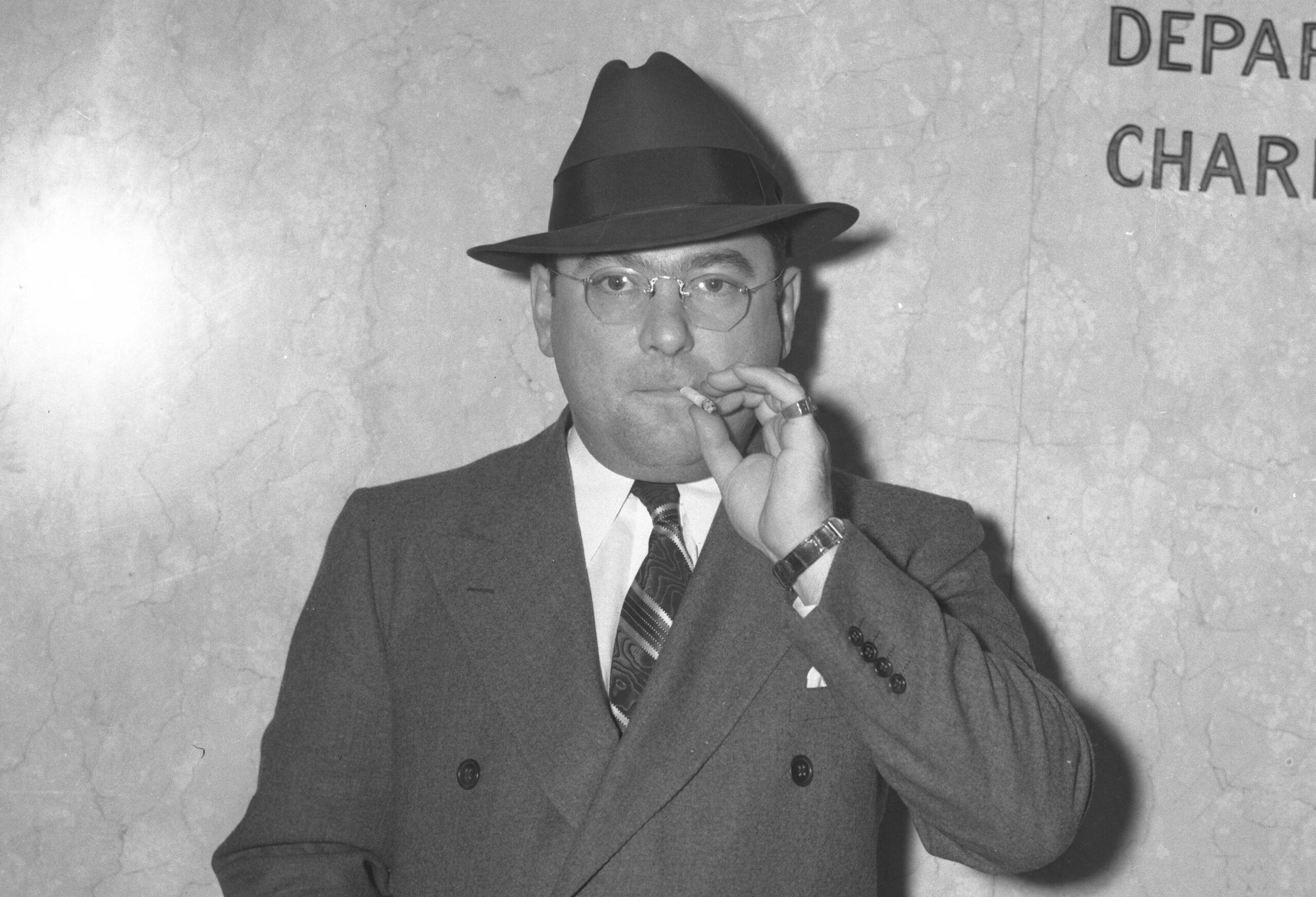 The Deadly Legacy of Willie Bioff: Hollywood’s Union Racketeer">

Unraveling the Explosive End of Willie Bioff
In 1955, the shadowy past of William “Willie” Bioff caught up with him in a violent, fatal fashion—his truck was detonated by a car bomb outside his home in Phoenix, Arizona. Once a powerful fixer for the Chicago Outfit, Bioff’s life was a tale of crime, union corruption, and betrayal that culminated in the deadly explosion that abruptly ended his days.
Origins and Rise in Union Racketeering
Born in 1900 to a Russian immigrant family in Chicago, Bioff traversed an early life filled with illicit activity, shifting from petty hustles and pimping in the 1920s to the more lucrative world of labor racketeering by the 1930s. Partnering with George E. Browne, a pliable union figure, they leveraged union power to extort local theater owners through the threat of strikes by projectionists.
This venture soon attracted the notice of the Chicago Outfit, the organized crime syndicate that backed their growing corruption. Their operation centered on the International Alliance of Theatrical Stage Employees (IATSE), the union that wielded significant influence in the Hollywood film industry.
The Hollywood Extortion Scheme
With the backing of mobsters including Frank “The Enforcer” Nitti, Bioff and Browne moved into Hollywood, discovering an industry ripe for exploitation. Movie studios, apprehensive about costly production delays from labor strikes, chose to comply with Bioff’s and Browne’s demands rather than face disruptions. Their scheme was straightforward but brutal: pay the union or the cameras stop rolling.
Studios across the board—major players like MGM and Fox—were extorted for substantial payoffs, with large studios paying upwards of $50,000, and smaller ones around $25,000. Bioff’s charm and sharp businesslike demeanor helped mask his role as a mob bagman, allowing him to ingratiate himself with Hollywood’s elite.
The Fall: Public Exposure and Trials
The corrupt empire began to crumble in the late 1930s. Media revelations and federal investigations exposed their racketeering, tax evasion, and extortion. Bioff faced trials in Los Angeles and Chicago, alongside his associates Browne and Nick Circella, also an Outfit-connected figure.
In 1941, federal trials culminated in convictions: Bioff was sentenced to 10 years and fined $10,000, Browne received 8 years, and Circella was sentenced later for tax evasion and racketeering. The government branded Bioff a criminal beyond rehabilitation. However, threats and violence escalated as retribution from organized crime loomed.
From Threats to Betrayal
Violent acts followed, including the brutal murder of Estelle Carey, girlfriend of Circella, who was found bound and beaten—an unmistakable warning from the underworld. Faced with this mounting danger, Bioff and Browne switched allegiances, agreeing to testify for the government.
Their cooperation was seismic, dismantling major crime figures linked to the Hollywood extortion. High-profile mobsters including Rosselli, Nitti, and others were directly implicated by the testimony. Nitti’s suicide and the lengthy prison sentences for the syndicate leaders signified the blow dealt by Bioff’s and Browne’s testimonies.
Life After Prison and the Final Explosion
Post-incarceration, Bioff relocated to Arizona, living under an alias and rubbing shoulders with local political and social elites. He even associated with casino operator Gus Greenbaum, entrenching himself in the burgeoning gaming world of Phoenix and Las Vegas.
On November 4, 1955, Bioff’s life ended with a bang. As he started his pickup truck, a lethal charge wired under the seat detonated, killing him instantly. The force was so tremendous that investigators could not immediately determine the exact nature of the explosives. Authorities concluded it was a mob assassination, a final reckoning for a man who had long lived under the cloud of organized crime.
Aftermath and Connections to the Underworld
The violent deaths of Bioff and later Greenbaum in similar underworld disputes underscored the lethal ways of organized crime payback. The desert Southwest was no refuge from the reach of the syndicates.
A Brief Look at Labor Racketeering and Hollywood’s Golden Age
The story of Willie Bioff is entrenched in the darker side of labor unions during the early to mid-20th century. Labor racketeering, particularly in industries with powerful unions like IATSE, exposed vulnerabilities exploited by mob influences seeking quick financial gains through extortion and intimidation.
Hollywood during this era—the so-called Golden Age—was a beast of glamor and brutal business. Studios focused on production efficiency and content delivery, making them susceptible to union strikes that could cripple entire projects. The marriage of organized crime and labor unions preyed on these fears, turning legitimate labor concerns into a platform for criminal profits.
Labor Unions and Tourism Industries: A Modern Perspective
While labor unions have historically wielded great influence in many industries, including entertainment and tourism, today’s labor relations emphasize legality, collective bargaining, and job security. The tourism sector, with its vast workforce across lodging, dining, and travel services, remains sensitive to labor strikes and disruptions. However, modern unions operate with greater transparency and legal frameworks protecting workers’ rights while balancing business interests.
Table: Key Aspects of Historical Labor Racketeering vs. Modern Labor Relations
| Görünüm | Historical Labor Racketeering | Modern Labor Relations |
|---|---|---|
| Nüfuz | Crime syndicates heavily involved | Legally regulated unions with collective bargaining |
| Taktikler | Extortion, threats, violence | Negotiations, strikes with legal protections |
| Affected Industries | Entertainment, construction, manufacturing | Tourism, hospitality, services, entertainment |
| Worker Rights | Often ignored or exploited | Protected under labor law |
Looking Ahead: The Enduring Impact on Tourism and Boating
The history of union corruption and organized crime reveals lessons crucial to understanding labor dynamics in industries underpinning tourism and leisure activities such as boating and yachting. These sectors thrive on stable labor relations and trust between workers, operators, and clients. Unions today play a vital role in safeguarding worker rights in marinas, charter companies, and service providers, ensuring smooth sailing both literally and figuratively.
As tourism destinations evolve, particularly coastal and lake resorts where yachts and sailing boats are central, it’s imperative that labor relations support workforce stability and customer satisfaction. The tales of past corruption remind us of the need for integrity and transparency in every port and marina.
Sonuç
The explosive demise of Willie Bioff stands as a stark reminder of the perilous intersection of crime and labor racketeering during Hollywood’s formative years. From Chicago’s theaters to the glitzy sets of Tinseltown, his story is intertwined with extortion, betrayal, and the eventual resilience of justice.
For maritime and boating enthusiasts, understanding such historical undercurrents enriches our appreciation of the industries supporting adventures on the water. Smooth, reliable labor relations ensure that the experience of sailing, yacht charters, and boating remains carefree and enjoyable.
For those dreaming of setting sail or exploring beautiful beaches, lakes, and seas where yachts and charter boats navigate clear waters, the modern framework of fair labor relations ensures these adventures continue unhindered.
Explore the vast world of sailing and yacht rentals with GetBoat.com, an international marketplace offering a diverse selection of boats and yachts for every taste and budget. Whether you seek a calm lake cruise or an ocean adventure under the sunseeker, GetBoat is your gateway to memorable boating experiences worldwide.