


 Türkçe
  English (UK)
  Русский
  العربية
  日本語
日本語  한국어
한국어  Magyar
  Español
  Čeština
  Svenska
  Português
  Ελληνικά
  Suomi
Suomi  Nederlands
  Română
  Italiano
  Français
  Polski
  Українська
  Deutsch
  简体中文
简体中文  Slovenčina
 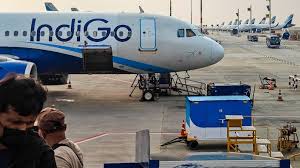 IndiGo'nun Uçuş Aksaklıkları Parlamentoda İnceleme Altında">

Unpacking the Recent IndiGo Flight Disruptions
Recent widespread flight cancellations by IndiGo have drawn stern criticism from a parliamentary committee investigating the chaos that rippled through airports nationwide. The airline, alongside the Directorate General of Civil Aviation (DGCA), the national aviation regulator, faced sharp scrutiny for their explanations, which the committee found lacking transparency and accountability.
The Parliamentary Standing Committee on Transport, Tourism and Culture highlighted the evasive nature of responses from both IndiGo and DGCA officials, criticizing a propensity to blame each other rather than take responsibility. Rather than addressing the passenger experience directly, the parties dwelled on technical issues, leaving the core problems unresolved in the eyes of the committee.
Key Issues Raised by the Committee
A critical observation from the panel was the communication gap among vital aviation stakeholders. The civil aviation ministry was reportedly blindsided by the crisis, first learning about its extent from media coverage instead of internal channels. This breakdown in information flow not only exacerbated operational challenges but also delayed timely responses to passenger grievances.
IndiGo’s chief operating officer, Isidro Porqueras, attended the four-hour committee session alongside civil aviation secretary Samir Kumar Sinha and other DGCA representatives. Additional airline industry players, such as Air India, Akasa Air, SpiceJet, and Air India Express, were also present for collective insights. The committee took serious note of the large number of stranded travelers who faced considerable inconvenience during this period.
Explaining the Flight Cancellations
IndiGo described the disruption as resulting from a mixed bag of difficulties, including a significant software glitch that mandated a system reboot and adverse weather conditions at some operational hubs. Alongside these, the committee questioned whether the aviation ministry was adequately prepared for the crisis, especially after introducing revised Flight Duty Time Limitation (FDTL) norms meant to regulate pilot working hours.
Some committee members speculated that IndiGo’s mass cancellations might have been a strategic move to pressure the ministry for exemptions from the new regulations—a concern that added complexity to an already tense situation.
Government Response to Aviation Challenges
Reacting to concerns about soaring airfares amidst the turmoil, the government has pledged to strengthen regulatory oversight. The DGCA’s tariff monitoring unit is being bolstered to clamp down on opportunistic pricing practices that often surface in a deregulated market where demand sporadically outpaces supply.
Aviation Minister Kinjarapu Rammohan Naidu assured that ensuring smooth passenger experiences at every interaction point remains a priority. Meanwhile, pilot associations voiced worries about insufficient engagement with regulators during the rule-making process and urged strict enforcement of the FDTL guidelines to protect crew welfare and safety.
Looking Back: Aviation Service Challenges and Stakeholder Dynamics
Flight disruptions and their ripple effects are not novel in the aviation world. Historically, airline operations have balanced intricate logistical challenges, including maintenance issues, weather disturbances, and evolving regulations, all impacting on-time performance and passenger satisfaction.
Effective coordination among airlines, regulatory authorities, and government bodies is paramount to weather such operational storms. The recent IndiGo episode exposes vulnerabilities when communication falters and accountability blurs.
| Year | International Passenger Growth (%) | Yurt İçi Yolcu Büyümesi (% |
|---|---|---|
| 2003-04 | 12.3% | 10.9% |
| 2004-05 | 17.0% | 25.0% |
| 2005-06 | 15.9% | 27.1% |
Source: Directorate General of Civil Aviation (DGCA) Annual Reports
International Oversight and Agreements
The global aviation framework, such as the Montreal Convention, sets guidelines for dealing with issues like delays, cancellations, and passenger rights internationally. Governments and airlines must consistently align their operational standards with such regulations to ensure dependable service and maintain traveler confidence.
The Future Outlook for Aviation and Its Implications for Maritime Tourism
As air travel remains a critical gateway for tourism worldwide, disruptions like the IndiGo cancellations spotlight the need for robust crisis management and transparent communication. For regions reliant on both air and marine tourism, ensuring smooth connectivity is vital.
Reliable air travel facilitates the seamless movement of visitors to coastal resorts and sailing destinies, boosting yacht charters, boat rentals, and beach activities. When airlines falter, it can impact the entire travel chain, including the ability to rent boats or enjoy water-based recreation.
Emerging Trends and Recommendations
- Enhanced coordination: Closer integration between airlines, regulators, and tourism stakeholders can harness technology to flag and manage disruptions proactively.
- Passenger-centric policies: Transparency and customer service should be elevated to prioritize traveler needs over technical justifications.
- Regulatory upgrades: Stronger rule enforcement regarding duty limitations and pricing fairness can contribute to stable operations.
- Contingency planning: Airlines should establish recovery protocols that align with partner sector schedules, including maritime charters and yacht arrivals.
Summary and Connection to Sailing and Yachting Activities
The parliamentary panel’s scrutiny of IndiGo and DGCA highlights critical gaps in operational transparency and stakeholder communication affecting air travel reliability. As air connectivity forms a backbone for access to many marine tourism destinations, such disruptions can have a domino effect on yachting charters, boat rentals, and coastal tourism activities. Travelers relying on charter yachts, superyachts, and sailing boats may find schedules interrupted when flights are cancelled or delayed, emphasizing the importance of resilience and coordination across transport modes.
For those planning yachting adventures, whether on sunseeker vessels cruising clear blue waters or intimate sailing boats enjoying peaceful gulfs and lakes, the assurance of timely and dependable arrival is vital. This intersection of air and sea transport underlines the ongoing need for aviation sector improvements that will enhance the overall travel ecosystem, keep marinas bustling, and maintain vibrant beach and boating destinations.
Anyone interested in yacht or sailing boat rental options will find the international marketplace at GetBoat.com an excellent platform to explore and book vessels tailored to every taste and budget. By bridging transportation and leisure, platforms like this help fuel exciting waterborne adventures while complementing dynamic trends in global travel and tourism.