


 Türkçe
  English (UK)
  Русский
  العربية
  日本語
日本語  한국어
한국어  Magyar
  Español
  Čeština
  Svenska
  Português
  Ελληνικά
  Suomi
Suomi  Nederlands
  Română
  Italiano
  Français
  Polski
  Українська
  Deutsch
  简体中文
简体中文  Slovenčina
 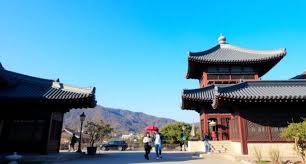 Kore 2026 Seyahat Trendleri: Turizmde İkiliğin Yükselişi">

Dualism: Korea’s Defining Tourism Trend for 2026
Korea is gearing up for a fascinating transformation in its tourism sector by 2026, centered around the concept of dualism. This emerging trend highlights travelers’ growing appetite to experience seemingly opposite elements on a single trip — combining luxury with practicality, and embracing cutting-edge technology alongside raw, heartfelt emotions.
The Korea Tourism Organization (KTO) has identified “D.U.A.L.I.S.M.” as a guiding framework for its tourism strategy, based on a thorough analysis spanning three years of diverse data including macroenvironmental trends, telecommunications, card transactions, social media patterns, and travel surveys. The outcome is a vision of tourism that simultaneously embraces modern innovation and authentic human connections.
Unpacking the Seven Pillars of Dualism in Tourism
| Trend | Description |
|---|---|
| Digital Humanity | AI technology designs travel plans, allowing travelers to focus on human experiences and sensory exploration. |
| Cultural Unity | Encourages immersion in Korea’s everyday culture beyond popular media, enhancing authentic cultural tourism. |
| Adaptive Resilience | Promotes regenerative travel practices that actively restore and preserve destinations. |
| Local Re-Creation | Transforms ordinary neighborhoods into unique attractions based on local food, traditions, and shops. |
| Individual Value Spectrum | Focus on meaningful, carefully chosen consumer experiences, avoiding unnecessary expenses. |
| Spatial Experience | Revitalizes overlooked spaces into immersive venues combining art, media, and sensory design. |
| Multi-Generation Flow | Reflects changing values across age groups, with younger travelers seeking emotional renewal and older travelers embracing mindful wellness. |
These pillars illustrate how tourism in Korea is evolving into a complex ecosystem where contrasts blend organically. As Kim Sung-eun, the KTO’s tourism data director, put it, “Contrasting values like technology and emotion, global and local, will emerge to create a new tourism ecosystem.”
The Historical Perspective: How Korea’s Tourism Has Evolved
Korea’s tourism journey has been dynamic, shaped by its rich history, cultural heritage, and rapid modernization. Popular destinations such as Seoul, Jeju Island, Busan, and Gyeongju have long attracted visitors with their blend of historical landmarks, natural sites, and vibrant urban life. For example, Seoul’s palaces dating back to the Joseon Dynasty and Jeju’s unique UNESCO natural sites have been focal points for cultural and nature tourism.
Over the years, Korea’s inbound tourism shifted from primarily Japanese visitors to welcoming increasing numbers of tourists from mainland China, the United States, and other countries. The government’s efforts to improve infrastructure — from expanding luxury accommodations to enhancing cultural attractions like traditional cuisine and performance arts — have also pushed the sector forward.
In recent decades, the global phenomenon known as the Korean Wave (Hallyu) has bolstered Korea’s standing as a top travel destination, drawing fans eager to experience the settings of K-dramas, music, and other cultural exports firsthand.
Tourism’s Economic Role and Growth
By 2012, Korea ranked 23rd globally in international arrivals, with tourism accounting for around 2.4% of the country’s GDP and supporting over 600,000 jobs. The sector’s infrastructure includes a strong network of hotels, airlines, travel agencies, and cultural institutions, all critical to sustaining and expanding tourism demand.
| Tourism Metric | Details |
|---|---|
| International Arrivals (2012) | Over 11 million inbound tourists |
| Major Source Markets | Japan (31.6%), China (25.9%), USA (6.3%) |
| Inbound Tourism Receipts | $14.2 billion, 21st globally |
| Outbound Travel Spend | $20.1 billion, 16th globally |
| Konaklama | 65 superdeluxe and 85 deluxe hotels |
| Travel Agencies | Approximately 15,000 nationwide |
Looking Ahead: The Impact of Dualism on Korea’s Tourism Landscape
As we approach 2026, the concept of dualism signals a shift towards a more nuanced and layered tourist experience. Visitors will likely demand personalized journeys that combine the comforts of luxury with the authenticity of local culture — all facilitated by advanced technology that enhances convenience without detracting from genuine human connection.
This evolution dovetails perfectly with Korea’s role as a leading Asian destination, spanning diverse environments — from urban centers to national parks and coastal areas. Such a trend bodes well for sectors like yelken and boating tourism along Korea’s picturesque coasts and islands, where travelers can enjoy both indulgence and immersive local experiences.
Potential Opportunities for Marine and Coastal Tourism
- Development of luxury yacht charters integrating smart technology and bespoke services.
- Promotion of eco-friendly boating activities aligned with adaptive resilience and regenerative tourism.
- Creation of immersive cultural tours accessible via coastal marinas and waterfront resorts.
- Multi-generational sailing trips with tailored wellness and recreational activities.
Such innovations would enrich Korea’s marine destinations, offering travelers meaningful options for exploring the sea, gulf, and beaches, while ensuring sustainability and cultural preservation.
Summary
The 2026 tourism outlook for Korea revolves around the intriguing theme of dualism — blending luxury with practicality, technology with emotion, and global trends with local flavors. Rooted in the nation’s deep cultural mosaic and supported by modern infrastructure, this dualistic approach promises to redefine how travelers engage with Korea.
For those interested in exploring Korea’s emerging tourism ecosystem, especially along its coastal and marine destinations, the future holds exciting possibilities. It is the perfect time for yacht and boat enthusiasts to anticipate new charter experiences that combine the best of innovation and tradition.
GetBoat.com is an international marketplace for renting sailing boats and yachts, offering a diverse range of options to suit every budget and preference. As Korea embraces this new tourism paradigm, GetBoat remains a go-to resource for maritime adventures touching the sparkling seas, marinas, and beaches where these transformative experiences come alive.