


 Türkçe
  English (UK)
  Русский
  العربية
  日本語
日本語  한국어
한국어  Magyar
  Español
  Čeština
  Svenska
  Português
  Ελληνικά
  Suomi
Suomi  Nederlands
  Română
  Italiano
  Français
  Polski
  Українська
  Deutsch
  简体中文
简体中文  Slovenčina
 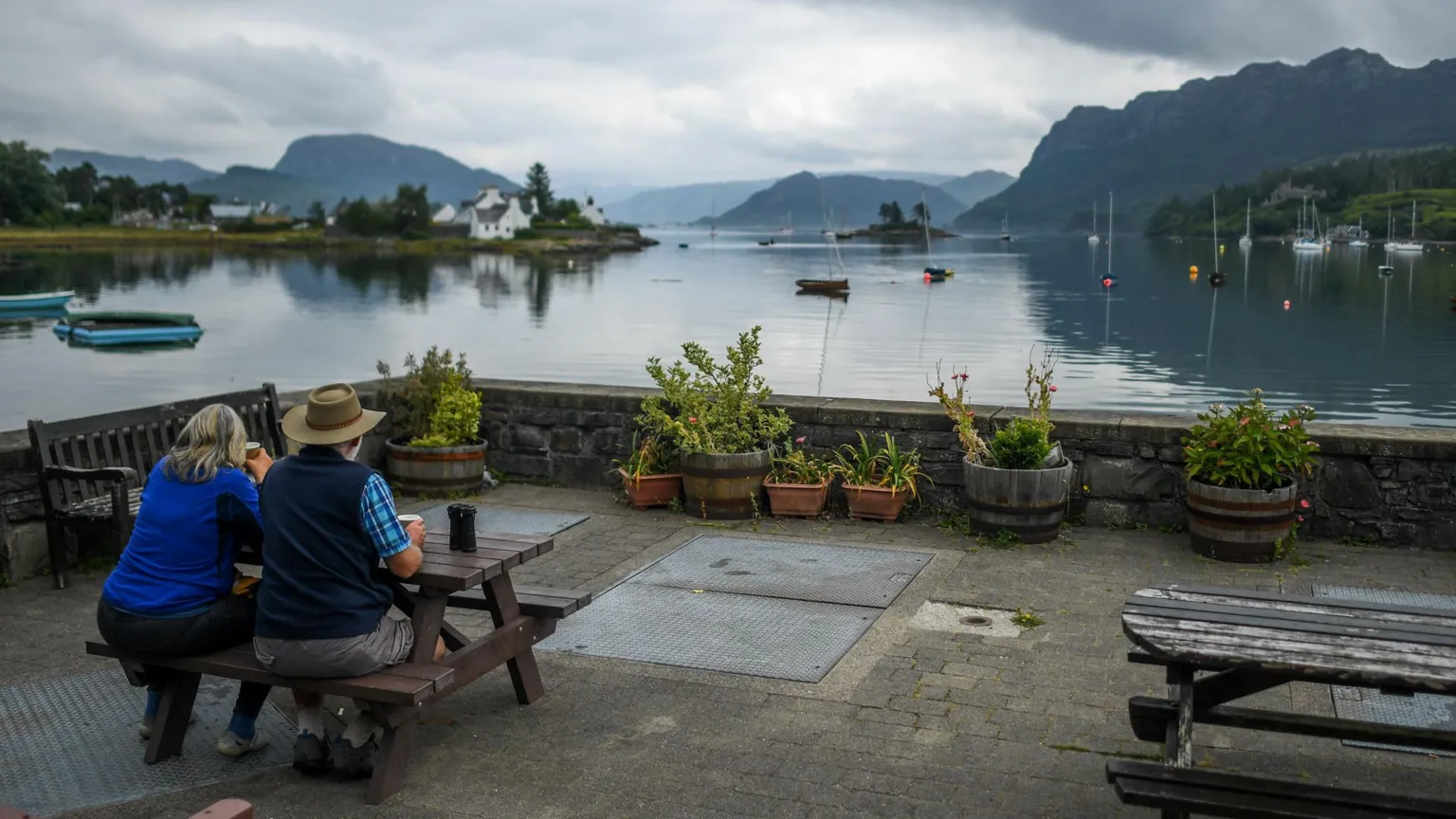 Highland Council Faces Calls to Postpone Introduction of Visitor Levy">

Pause Recommended on Highland’s Tourist Tax Proposal
The Highland Council is currently advised to hold back on implementing a proposed tourist tax aimed at levying a 5% charge on holiday accommodations. This suggestion comes following announcements of new powers expected from the national government, which would grant local authorities broader options in structuring visitor levies.
Local officials have reviewed recent consultation outcomes and acknowledge significant concerns from accommodation providers over the percentage-based tax model. Providers worry that such a levy could impact demand negatively, potentially deterring visitors from choosing the Highlands.
Government’s Upcoming Flexibility in Visitor Levy Frameworks
The Scottish government has signaled intentions to introduce new legislation next year that expands flexibility for councils to design visitor charges. This could allow the introduction of a flat rate or tiered fixed charges tailored to specific areas or purposes, instead of a fixed percentage, which appears to be the current sticking point.
Under existing regulations, local councils may apply a charge to overnight stays in hotels, B&Bs, and holiday lets, with accommodation operators tasked with collecting the levy. The Highland Council analyzed over 4,000 responses to their consultation on these plans, which closed in March. Business groups, including chambers of commerce from regions like Cairngorm, Caithness, Lochaber, and Inverness, have expressed apprehension about the fiscal burden imposed on tourists.
Historical Context of Tourist Taxes in Scotland
The concept of a tourist tax in Scotland has roots going back several years, primarily as a means for local authorities to procure additional funding for managing the impact of tourism. Many popular destinations worldwide employ similar levies to support infrastructure maintenance, environmental protection, and enhanced visitor services. Remote and scenic regions, like parts of the Scottish Highlands, often fight to balance the need for tourist-generated revenue with preserving their natural environment and community character.
Tourist taxes, or visitor levies, typically target overnight accommodation stays and are intended to ensure that the influx of visitors contributes directly to the costs related to tourism pressure on local resources and services. In some regions, the revenue helps fund improvements in public amenities, conservation efforts, and the preservation of cultural and natural assets.
| Country/Region | Type of Tourist Tax | Use of Revenue |
|---|---|---|
| Scotland (Highlands – Proposed) | 5% levy on holiday accommodation | Local infrastructure and tourism management |
| Italy (Venice) | Fixed fee per night based on hotel rating | Historic preservation and tourist information |
| France (Paris) | Per-person charge varying by accommodation type | City upkeep and public transportation |
| Spain (Balearic Islands) | Environmental tax per night | Environmental conservation and sustainable tourism |
Tourism and Accommodation Trends in the Highlands
The Highlands, renowned for its breathtaking landscapes, attracts a diverse range of tourists, including those seeking outdoor adventures and cultural heritage experiences. Accommodation styles in the area range from traditional hotels and B&Bs to self-catering cottages and holiday lets. This variety serves both the domestic and international markets, including visitors arriving by land, air, and increasingly by sea, such as through nearby marinas that serve sailing yachts and charter boats.
As tourism grows, so does the complexity of managing seasonal visitor flows and sustaining the region’s natural environment. The proposed tourist tax was aimed at generating additional funding, estimated at over £10 million annually, which could support services important to both residents and visitors.
Implications of the Tourist Tax Proposal for Travel and Boating
Visitor levies can influence tourism dynamics in coastal and inland marine areas. For the boating and sailing community, additional charges on accommodation might indirectly affect demand for services such as yacht charters, marina slips, and related water-based activities if tourists reduce their length of stay or choose alternate, untaxed locations.
Moreover, such levies highlight the need for careful destination management, ensuring that funds raised are effectively reinvested in activities enhancing the visitor experience — from improved marina facilities and beach upkeep to sustainable tourism initiatives and promotional efforts targeting yachting enthusiasts.
Balance Between Revenue and Visitor Experience
While generating revenue is essential for maintaining and upgrading local infrastructure, communities must weigh the risks of pricing themselves out of competitive markets. Public and private stakeholders alike highlight the importance of transparency and prudent management to reassure tourists and accommodation providers that levies improve rather than hinder tourism.
- Visitor Satisfaction: Ensuring tourists feel that additional charges contribute tangible benefits is key to acceptance.
- Local Business Impact: Balancing tax policies to avoid deterring key markets or hurting small accommodation providers.
- Sürdürülebilirlik: Using funds to support eco-friendly tourism and protect natural habitats.
- Marketing: Leveraging increased funds to promote less-visited sites and extend visitor stay durations.
Forecast: The Future of Visitor Levies and Tourism in the Highlands
The ongoing debate and consultation process point to an evolving approach to funding sustainable tourism in regions balancing natural beauty with increasing visitor numbers. Enhanced powers for local governments to design visitor levies may lead to more tailored and accepted models, such as fixed fees during peak periods or for certain accommodation classes. This flexibility could help safeguard the area’s tourism appeal without compromising local livelihoods.
Such regulatory shifts can encourage strategic investment in tourism infrastructure, including improved marinas and water sports facilities, which are crucial for sailing and boating tourism. The Highlands’ standing as a prime destination for yachting and coastal exploration could be maintained and even strengthened through thoughtful fiscal policies supporting these sectors.
Summary of Key Points
| Temel Yön | Details |
|---|---|
| Proposed Levy | A 5% tax on holiday accommodations, pending review |
| Stakeholder Concerns | Accommodation providers and local chambers caution on potential impact |
| Government Plans | New powers expected to allow flat or tiered levy options |
| Tourism Impact | Potential to fund infrastructure but risk of discouraging visitors |
| Relevance to Boating & Sailing | Visitor charges could affect yacht charter markets and marina use |
As the Highland Council reviews its options, this development signals a broader conversation on sustainable tourism funding mechanisms that could shape destinations for years to come. Well-managed visitor levies may provide essential funding for maintaining beaches, marinas, and recreational activities cherished by travelers, including the yachting community.
For those keen on exploring Scotland’s stunning waters by sail or motor, keeping abreast of such tourism measures is vital to plan charters and boat rentals smoothly. The interplay between visitor levies and tourism infrastructure funding ultimately affects the quality and accessibility of boating destinations.
GetBoat.com is closely monitoring tourism developments like this, offering access to a wide range of sailing yachts, charters, and boat rentals that cater to a variety of tastes and budgets, helping adventurers discover and enjoy scenic water destinations while supporting sustainable tourism growth.