


 Türkçe
  English (UK)
  Русский
  العربية
  日本語
日本語  한국어
한국어  Magyar
  Español
  Čeština
  Svenska
  Português
  Ελληνικά
  Suomi
Suomi  Nederlands
  Română
  Italiano
  Français
  Polski
  Українська
  Deutsch
  简体中文
简体中文  Slovenčina
 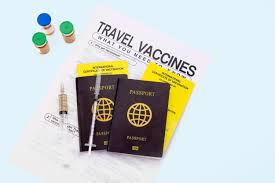 Seyahat Edenler İçin Malarya, Tayfoid ve Sarı Humma'yı Önlemek Amaçlı Temel Aşılar">

Health Precautions Vital for Travelers During Peak Travel Seasons
With travel demand rising especially toward year-end, health authorities emphasize the importance of vaccinations and preventive measures against respiratory viruses and other infectious diseases. This guidance aims to protect travelers from illnesses that could otherwise be avoided by proactive healthcare steps before journeying abroad.
Vaccination Recommendations and Timing
Health officials recommend that travelers consult with travel health clinics at least four to six weeks prior to departure. This lead time allows for receiving necessary vaccines and medications to shield against diseases common in certain destinations. Neglecting such preparation, especially when traveling to nearby or seemingly familiar countries, can invite avoidable health risks.
Often, the rush to seize last-minute travel deals leads to overlooking this important health check, which experts highlight as crucial not only for personal well-being but also for public health safety.
Common Preventable Diseases Linked to Travel
| Disease | Cause | Transmission | Regions of Concern | Prevention |
|---|---|---|---|---|
| Malaria | Parasite Plasmodium | Bite of infected Anopheles mosquitoes | Parts of Asia, Africa, South America | Antimalarial vaccination/medication, mosquito control |
| Typhoid | Salmonella bacteria | Contaminated food and water | South Asia, Southeast Asia | Vaccination, safe food and water practices |
| Yellow Fever | Virus transmitted by mosquitoes | Infected bites | 27 African and 13 Latin American countries | Single-dose vaccine required by some destinations |
Insight on Malaria and Typhoid Cases in Travellers
Recent statistics reveal new infections among travelers returning from abroad. For instance, a number of residents contracted malaria and typhoid linked to overseas trips, despite some countries being certified free from these diseases. Malaria, eliminated in some places decades ago, persists elsewhere particularly where mosquito vectors are present.
Typhoid fever remains endemic in parts of Asia due to sanitary challenges, emphasizing the continued need for vaccination and caution with food and water consumption during travel.
Mandatory Vaccinations and Travel Regulations
Certain destinations require proof of vaccination against yellow fever, a viral disease not present in all countries. This vaccine provides lifelong immunity with a single dose. Failure to comply with such vaccine mandates may result in quarantine upon return, underscoring the critical role of vaccination compliance for international travelers.
Historical Context and Advances in Travel Medicine
Historically, diseases like malaria and typhoid have caused significant burdens on populations, especially in tropical and developing regions. The spread through mosquito vectors and contaminated resources was compounded by a lack of effective treatments and public health infrastructure.
The discovery and use of quinine and related antimalarial drugs marked a turning point, supplemented later by insecticides and widespread vaccination programs. Similarly, development of vaccines against bacterial diseases such as typhoid bolstered prevention efforts.
Travel medicine has evolved substantially, with modern health systems promoting vaccinations and education to cope with the dynamic challenges posed by emerging and resurgent infections worldwide.
Impact on Global Travel and Tourism
As international tourism expands, so does the potential for importing infectious diseases. Efficient vaccination and preventive strategies increase traveler safety and reduce risks of disease spread, helping maintain tourism appeal and protect both visitors and host communities.
Awareness campaigns and health screenings are now integral to travel preparation, minimizing disruptions and keeping popular destinations vibrant and safe.
Preparing for Safe Travels: Advice for All Tourists
- Önceden plan yapın: Consult healthcare professionals well before travel.
- Research your destination: Understand regional health risks and vaccination requirements.
- Practice good hygiene: Use safe food and water sources, and protect against insect bites.
- Carry medications and emergency contacts: Preparedness can be critical in emergencies.
Relevance for Sailing and Boat Charter Enthusiasts
For travelers who embrace aquatic and adventurous lifestyles, such as sailing or yacht charters, health precautions are especially important. They often visit remote coastal or island destinations where vector-borne diseases remain a threat. Compliance with vaccination recommendations not only protects individual health but ensures enjoyable and uninterrupted marine activities.
Moreover, close interactions on boats and in marinas mean communicable disease control plays a vital role in maintaining safe, pleasant experiences for sailing enthusiasts worldwide.
Sonuç
Comprehensive vaccination and prudent health measures cannot be overstated for anyone planning international travel. Preventable diseases like malaria, typhoid, and yellow fever continue to pose real risks, but these can be effectively mitigated with proper awareness and preparation. Travel health clinics offer essential guidance tailored to destinations and individual profiles.
Those venturing to popular marine havens where boating, yachting, and sailing dominate can benefit immensely from such precautions, ensuring their voyages are as safe as they are exhilarating.
For travelers seeking to combine their love of water, beaches, and boating with safety and comfort, GetBoat.com serves as a premier international marketplace for renting sailing boats and yachts. It offers an array of rentals catering to all tastes and budgets, facilitating unforgettable adventures on the sea with peace of mind.