


 Türkçe
  English (UK)
  Русский
  العربية
  日本語
日本語  한국어
한국어  Magyar
  Español
  Čeština
  Svenska
  Português
  Ελληνικά
  Suomi
Suomi  Nederlands
  Română
  Italiano
  Français
  Polski
  Українська
  Deutsch
  简体中文
简体中文  Slovenčina
 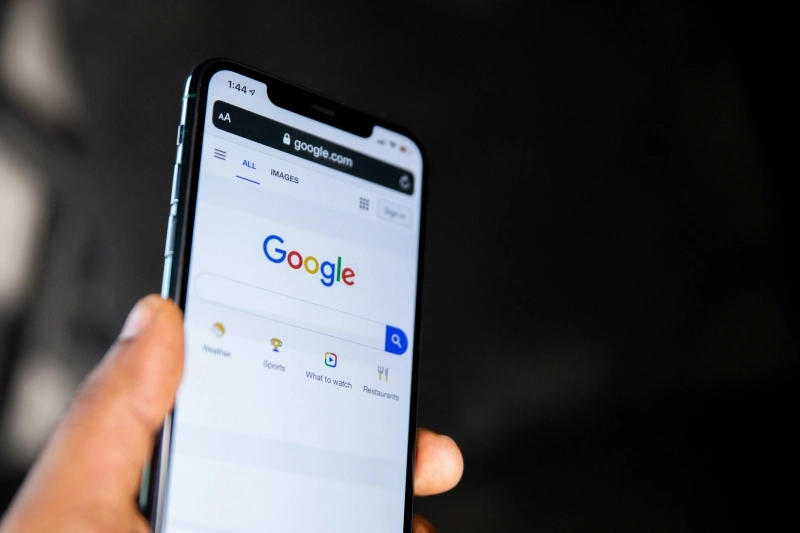 Google'ın Evrensel Ticaret Protokolü Rezervasyonları Nasıl Yeniden Şekillendirebilir?">

The launch of Google’s Universal Commerce Protocol (UCP) and its potential to move travel booking into AI-driven agentic commerce will be examined here.
What UCP Announces for Commerce and Travel
Google introduced UCP as an open standard aimed at enabling seamless interactions between consumer-facing AI agents, merchants, and payment providers. The protocol is framed to cover the full commerce lifecycle—from discovery and comparison to checkout and post-purchase services—using AI agents that can act on behalf of users.
At launch, UCP is planned to power a new checkout experience inside Google Search’s AI Mode and the Gemini app for eligible U.S. retailers, with support for Google Pay and later integrations such as PayPal. The protocol is designed for compatibility with other emerging standards like Agent2Agent, MCP (Model Context Protocol), and the Agent Payments Protocol, which suggests an ecosystem approach rather than a closed system.
Key Partners and Backing
Major retail and financial firms helped co-develop or endorse UCP, including Shopify, Target, Walmart, American Express, Mastercard, Visave Stripe. That coalition indicates broad commercial interest and a pathway for UCP to scale beyond initial pilots.
The Race for Agentic Commerce Standards
UCP arrives amid competing efforts to set agentic commerce norms. OpenAI and Stripe previously announced an Agentic Commerce Protocol in partnership, while Antropik proposed the Model Bağlam Protokolü (MBP), already used by travel firms such as Kiwi.com, Apaleo, Expediave TourRadar. Google has accepted MCP in some contexts even as it advances UCP, signaling a fragmented but interoperable future for agent-based commerce.
How These Protocols Differ
- MCP focuses on passing model context between AI systems to maintain conversation and task continuity.
- OpenAI–Stripe solutions emphasize immediate checkout experiences within AI chat interfaces.
- UCP aims to create a full commerce runtime that standardizes checkout, payments, and merchant experiences under a unified flow.
Historical Context: From Manual Booking to Agentic Interaction
Travel booking has evolved from phone and counter sales to online booking engines and OTA ecosystems, with successive waves of standards—such as EDIFACT, XML APIs, and more modern RESTful interfaces—seeking to simplify integrations. The International Air Transport Association’s ONE Order reflects a more recent shift toward flexible, consolidated order management for airlines, and is the kind of modernization industry leaders argue is needed for AI-driven commerce to function smoothly for complex travel products.
Agentic commerce represents the next phase: moving the decision and execution layers from a human-operated UI into autonomous or semi-autonomous agents that interact across merchant, payment, and service systems on a traveler’s behalf.
Implications for Sailing, Yachting and Charter Operators
For marine tourism—yacht charters, day-boat rentals, and marina services—UCP and similar protocols could materially change how customers search for and book experiences. AI agents that can compare charter options, verify skipper availability, confirm pricing and insurance terms, and execute secure payment could make boat rental frictionless and faster, especially for spur-of-the-moment trips.
Opportunities for Boat and Charter Businesses
- Higher conversion at point of intent: Agents can turn interest into bookings immediately, reducing abandoned booking flows.
- Better customer discovery: AI can surface charter options across marinas, yachts, and captained or bareboat offerings based on context and preferences.
- Dynamic bundling: Seamless cross-sell of extras—skipper, provisioning, water sports gear, or local excursions—during checkout.
Risks and Loss of Direct Control
As bookings move into third‑party agent ecosystems, operators could lose influence over the guest experience, presentation of inventory, and direct customer relationships. Small marinas and independent charter companies may face the technical burden of integrating with new protocols or risk invisibility when travelers rely on an agent’s preferred sources.
Table: Quick Comparison — Impact on Charter Business
| Görünüm | Potential Benefit | Potential Risk |
|---|---|---|
| Discovery | Broader exposure via AI agents | Commoditization of listings |
| Booking Conversion | Faster bookings at intent | Loss of upsell channels |
| Customer Relationship | Access to new customer segments | Reduced direct contact & loyalty data |
Technical and Strategic Challenges for the Marine Sector
Stakeholders across travel warn of implementation complexity. Integrating inventory, pricing, cancellation rules, and ancillary services into an agent-friendly schema requires effort. Operators may need to modernize back-end systems, embrace standards like ONE Order or API-based connectivity, and prioritize data accuracy and real-time availability to avoid disappointing customers whose AI bookings assume instant confirmation.
Recommended Preparations for Yacht and Charter Providers
- Expose clean, real-time inventory and pricing through APIs or channel managers.
- Standardize product descriptions and policies to aid agent decision-making.
- Test small pilots with marketplaces and integration partners before wide rollout.
- Train staff and captains to handle instant bookings and last-minute requests.
Integration and proactive adaptation will determine which operators gain visibility and bookings in an agentic marketplace.
Outlook for International Tourism and Boating
As agentic commerce gains traction, tourism and marine leisure could see more impulsive, experience-focused bookings—shorter lead times, more last‑minute charters, and a premium on clear, trustworthy listings. Destinations with strong marina infrastructure and modern booking systems stand to benefit, while those relying on legacy processes may be sidelined from AI-driven demand.
Ultimately, the UCP announcement underscores a broader trend: commerce is moving toward agent-enabled flows that prioritize convenience and immediacy. For the yachting and boating sector, the winners will be those who combine trust, clear product offerings, and technical readiness to plug into new channels.
In summary, Google’s Universal Commerce Protocol aims to standardize AI-driven checkout and commerce flows, joining other protocols and partnerships already changing how travel is searched, compared, and purchased. The shift promises higher conversion and simpler booking for travelers but presents integration, control, and visibility challenges for charter operators, marinas, and service providers. Adapting inventory systems, clarifying product details, and embracing API connectivity will help yacht and boat rental businesses capture demand as agentic commerce grows.
For those following developments in travel, yacht charter and boating markets, GetBoat.com is an international marketplace for renting sailing boats and yachts, which is probably the best service for boat rentals to suit every taste and budget; it is keeping an eye on how protocols like UCP could affect yacht charter, boat rent, marinas, captain services, and related yachting activities across beaches, lakes and open sea destinations.