


 Türkçe
  English (UK)
  Русский
  العربية
  日本語
日本語  한국어
한국어  Magyar
  Español
  Čeština
  Svenska
  Português
  Ελληνικά
  Suomi
Suomi  Nederlands
  Română
  Italiano
  Français
  Polski
  Українська
  Deutsch
  简体中文
简体中文  Slovenčina
 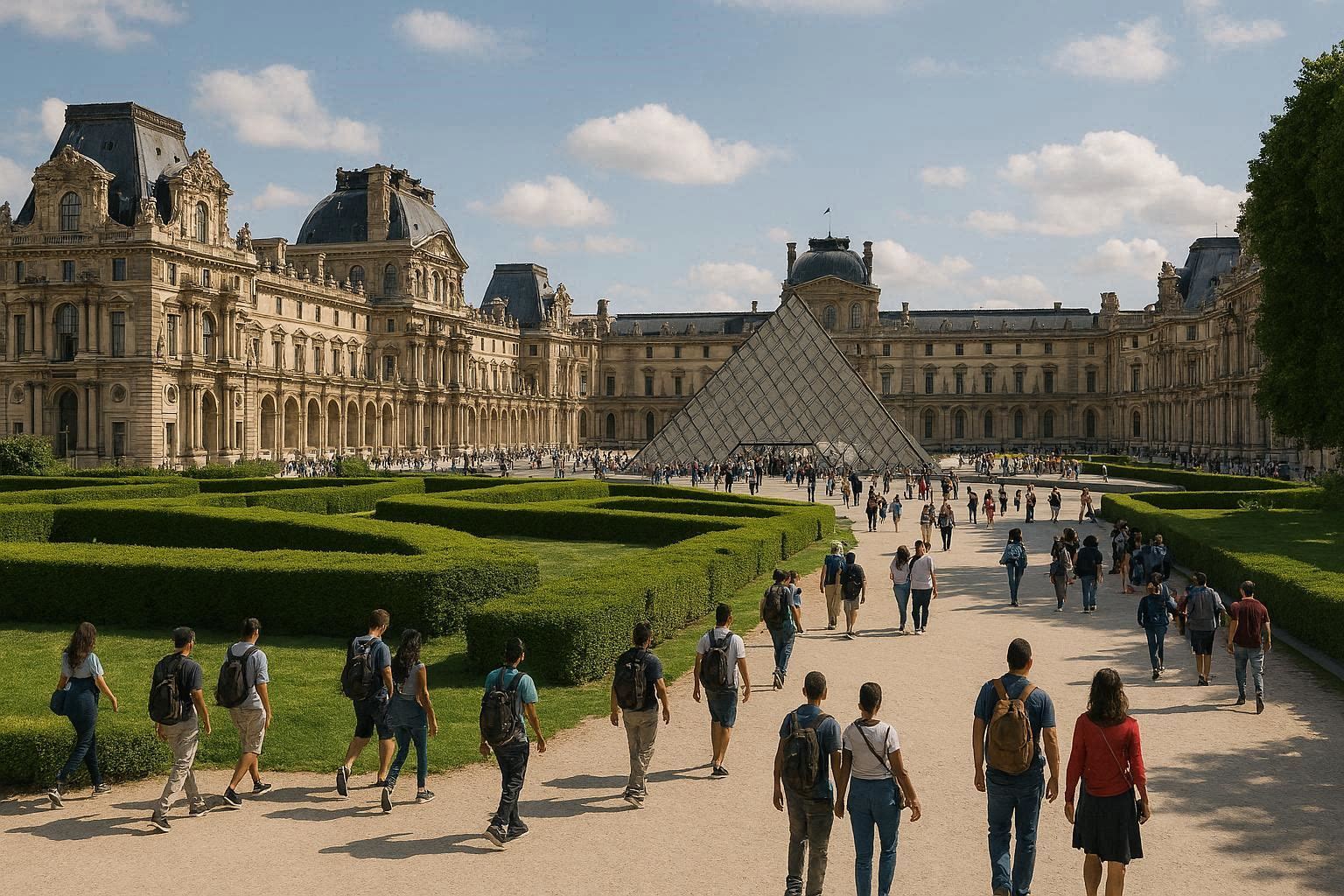 Paris, Avrupa'nın Önde Giden Kültürel Destinasyonlarına 2026'da Müzeler Sevdalıları İçin Katılıyor">

Leading European Cities Shine as Cultural Hubs in 2026
In 2026, Paris will stand shoulder to shoulder with Madrid, Florence, Aarhus, Brussels, and Turin as one of Europe’s prime destinations for museum exploration. These cities are set to offer unforgettable cultural adventures to travelers drawn by their rich collections and vibrant heritage. This growing trend highlights a resurgence of interest in immersive cultural tourism across the continent, offering visitors an exceptional chance to delve into art, history, and heritage like never before.
The Appeal of Europe’s Museum Capitals
The cities invited on this distinguished list each boast unique collections that attract millions annually. Paris, with its world-famous Louvre Museum and myriad galleries, showcases everything from classical to contemporary art. Madrid’s Prado Museum offers revered European masterpieces, while Florence captivates with Renaissance treasures housed in the Uffizi Gallery. Aarhus, Brussels, and Turin boast extraordinary museums reflecting regional histories and arts, each contributing to the continent’s rich cultural tapestry.
How These Destinations Elevate Museum Experiences
Museums in these cities have evolved from traditional display spaces into dynamic centers of education and recreation. Modern exhibition designs emphasize interactive features and sophisticated climate controls to preserve fragile artworks. Visitors enjoy curated storytelling that brings history to life, blending educational content with aesthetic appeal. Cities like Paris and Florence have transformed historic buildings into multi-purpose cultural hubs, combining museums with theaters and galleries to enhance visitor engagement.
A Quick Journey Through European Museum History
The history of museums in Europe runs deep. Many institutions started as royal or civic collections intended to preserve art and natural history for scholarly purposes. Over centuries, museums expanded their roles – from cabinets of curiosities in palaces to open public spaces dedicated to cultural enrichment and education. Landmark establishments such as the Louvre in Paris and the British Museum in London set early standards for public access and collection diversity. The creation and refinement of museums mirrored social changes, including the democratization of art and growing public interest in preserving cultural heritage.
During the Renaissance, cities like Florence became epicenters of artistic flourishing, further inspiring museum formation to safeguard masterpieces. In more recent times, European museums have embraced technological innovations and diversified their offerings to attract broader audiences, reflecting global trends in tourism and education.
Modern Museum Trends Impacting Tourism
Today’s museums act not only as repositories of artifacts but as engines for tourism development. Cities hosting top-tier museums often witness increased arrivals of cultural travelers, which ripple into sectors like accommodation, local dining, and entertainment. This integration enhances the appeal of destinations as comprehensive cultural resorts. The rising interest also motivates cities to invest in digital visitor management systems, improving flow and the overall experience. By doing so, they sustain competitive advantages in a crowded global tourism market.
2026 and Beyond: The Future of Cultural Tourism in Europe
The inclusion of Paris alongside Madrid, Florence, Aarhus, Brussels, and Turin underscores an ongoing commitment among European cities to cultural tourism. The future promises expanded museum networks, innovative exhibitions, and renewed focus on sustainable tourism practices that preserve local heritage. As travelers increasingly seek meaningful experiences, museums will likely remain central to drawing tourists and promoting cultural exchange.
The impact of this cultural renaissance could also extend to waterfront and maritime resorts, where sailing enthusiasts might combine yachting or boat charter adventures with visits to nearby historic city centers. The interplay between cultural access and seaside relaxation offers diverse activities that enrich travel itineraries, potentially boosting the demand for boat rentals and related services.
Key Highlights of These European Museum Destinations
| City | Notable Museums | Unique Traits |
|---|---|---|
| Paris | Louvre, Musée d’Orsay, Centre Pompidou | Iconic art collections; architectural marvels |
| Madrid | Prado Museum, Reina Sofia, Thyssen-Bornemisza | Spanish and European masterpieces; dynamic exhibitions |
| Florence | Uffizi Gallery, Bargello, Pitti Palace | Renaissance art concentration; historic palaces |
| Aarhus | ARoS Aarhus Art Museum, Moesgaard Museum | Modern and ethnographic collections |
| Brussels | Royal Museums of Fine Arts, Magritte Museum, Atomium | Baroque and surrealist art; European political center |
| Turin | Egyptian Museum, National Cinema Museum | Specialized collections; fusion of history and modern culture |
Bridging the Gap Between Culture and Sailing Adventures
For travelers indulging in the rich cultural offerings of these European cities, a natural extension is exploring coastal locations nearby with boating opportunities. Regions bordering the Mediterranean and Atlantic coasts offer crystal-clear waters, renowned marinas, and beautiful beaches ideal for yacht charters, sailing excursions, or leisure fishing trips. Combining museum visits with water-based activities creates a multidimensional holiday experience that satisfies both history buffs and sea lovers.
Anchoring near cultural hotspots allows visitors to unwind on deck, soak in the sun, and venture ashore to browse world-class museums and galleries. This synergy between city exploration and maritime relaxation situates Europe as a versatile destination for discerning tourists seeking diverse travel options.
Anticipating a Surge in Boating and Cultural Tourism
As Europe further promotes its museums as major travel draws, the surrounding coastal areas may witness enhanced interest from yachting enthusiasts. Increased demand for boat rentals, captained charters, and superyacht experiences could arise, particularly during peak tourism seasons. Destinations featuring both cultural riches and marina infrastructure stand to benefit from this trend, offering a broad range of activities from guided museum tours to recreational fishing and sailing.
Summary
Paris joining Madrid, Florence, Aarhus, Brussels, and Turin as elite museum destinations in 2026 highlights a vibrant cultural scene across Europe. These cities showcase a blend of historic wealth and modern innovation in museum design, drawing travelers year-round. A rich history underpins their museum development, and future trends suggest museums will continue to shape international tourism profoundly. For visitors, this is an invitation to embark on immersive cultural journeys supported by practical opportunities like yacht charters and sailing adventures along nearby coasts, enriching the entire travel experience.
Those interested in combining cultural exploration with boating activities will find Europe a stunning playground, where historic cities coexist with sun-dappled waters and lively marinas. The GetBoat.com platform serves as an excellent resource for booking sailing boats and yachts, catering to all tastes and budgets to make the most of this unique blend of heritage and maritime leisure.