


 Türkçe
  English (UK)
  Русский
  العربية
  日本語
日本語  한국어
한국어  Magyar
  Español
  Čeština
  Svenska
  Português
  Ελληνικά
  Suomi
Suomi  Nederlands
  Română
  Italiano
  Français
  Polski
  Українська
  Deutsch
  简体中文
简体中文  Slovenčina
 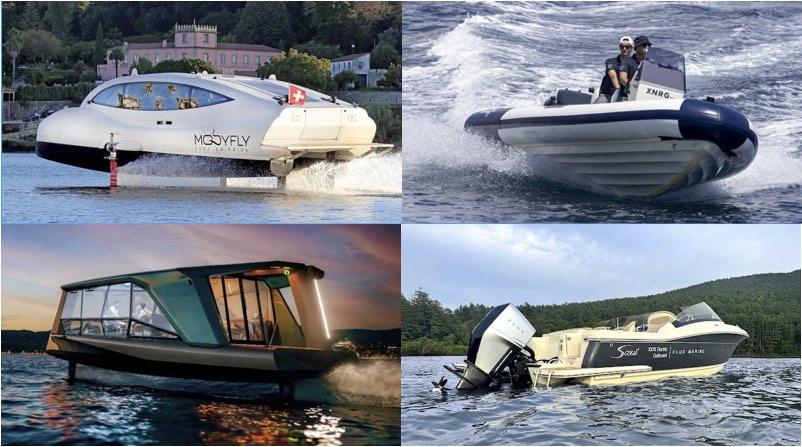 Funding Surges for Electric Outboards and Hydrofoils">

Port operators and marina managers are already recalculating shore-power and charging infrastructure plans after more than $37 million flowed into companies developing electric outboards, hydrofoil systems and associated propulsion electronics across several countries.
Recent investment dynamics and what they mean for marine logistics
Over the past months, capital has concentrated on systems that directly affect short-range passenger transfers, day-boat rentals and high-performance tenders: electric outboards for dinghies and RIBs, and lightweight hydrofoil modules that increase range and efficiency. These technologies reduce fuel-handling complexity at smaller marinas and shift logistical needs toward electrical distribution, battery storage, and certified charging protocols.
From a regulatory standpoint, local ports will face two immediate tasks: updating electrical safety standards for transient charging, and integrating battery waste handling requirements into existing environmental procedures. For charter operators, that translates to new pre-boarding checks, training for staff on battery management, and tighter maintenance schedules tied to battery state-of-health.
Operational impacts for rental fleets and marinas
Operators who offer boat rentals, tenders or day-charters will notice several practical shifts:
- Refueling vs recharging: shorter turnaround times for small craft that use swappable battery packs, but new scheduling to allow for overnight charging.
- Inventory changes: less need for fuel storage tanks, more demand for certified battery storage cabinets and charging stations near berths.
- Maintenance: reduced engine overhauls but increased electrical diagnostics and software updates.
- Insurance and safety: policy language will evolve to cover high-voltage systems and foiling dynamics at speed.
Technology categories attracting capital
Investment has not been uniform; capital tends to favor technologies that promise clear operational advantages for rental and recreational markets:
- Electric outboards — drop-in replacements for small petrol engines, key for charter fleets seeking lower noise and zero local emissions.
- Hydrofoils — retrofit kits and integrated foiling boats that reduce drag and extend range at cruising speed, attractive for water taxis and premium day charters.
- Battery systems & BMS — modular, swappable battery packs and robust battery-management systems that simplify logistics for marinas and operators.
- Power electronics & charging platforms — smart chargers and shore-power management systems that allow load balancing across berths.
Table: Key logistics considerations for adopting electric propulsion
| Area | Değişiklik | Action for Operators |
|---|---|---|
| Refueling infrastructure | Shift from fuel storage to charging bunkers | Install Level 2/fast chargers; plan grid upgrades |
| Turnaround times | Battery swap reduces downtime | Stock spare packs; train staff on swap procedures |
| Bakım | Less mechanical, more electrical | Hire/equip technicians for diagnostics and software |
| Environmental compliance | Different waste streams (batteries) | Implement certified disposal and recycling contracts |
How the funding trend connects to sailing and boat rentals
For leisure boating and charter markets, the influx of investment accelerates the availability of quiet, emission-free options ideal for bay cruising, eco-tours and family rentals. Electric outboards are especially relevant to rental fleets, tenders and sailboat auxiliary propulsion, where reduced noise and instant torque improve customer experience and lower operating costs.
Hydrofoil advances mean operators can offer faster transfers between marinas and coastal destinations while using less energy per nautical mile. For companies that run fast day-charters or shuttle services in crowded harbors, foils combined with electric propulsion can become a competitive advantage.
Practical steps for charter and rental businesses
- Audit dockside electrical capacity and forecast peak loads during high season.
- Introduce pilot electric craft to test guest acceptance and operational procedures.
- Train captains and maintenance crews on battery health, charging cycles, and emergency procedures.
- Promote quieter, low-emission experiences as a market differentiator to eco-conscious guests.
GetBoat always keeps an eye on news related to sailing and seaside vacations, because the platform understands what it means to enjoy great leisure and love the ocean; the service values freedom, energy, and the ability to choose your own course without limits.
Broader market and supply-chain implications
Investments into propulsion hardware ripple through the supply chain: demand for marine-grade batteries, certified connectors, and lightweight composite foils will increase, while legacy suppliers of carburetors and marine petrol parts may see contracting orders. Shipping and logistics providers servicing marinas will adjust to moving heavy battery packs and handling returns for recycling centers.
Checklist for marinas and regional authorities
- Assess local grid resilience and seek funding for upgrades tied to green transport goals.
- Update by-laws to permit safe high-voltage charging in public berths.
- Create partnerships with certified recyclers to handle end-of-life batteries.
- Offer incentives to rental operators adopting electric fleets (discounted berthing, co-marketing).
Forecast and call to action
The recent funding wave is likely to drive modest but meaningful shifts in the global tourism map: coastal destinations that invest in shore-power and foiling-friendly infrastructure will attract new types of tours and premium day-charter services, while less-equipped regions may lag. Though not necessarily transformational overnight, the trend is relevant for customers and operators alike. To stay informed and make well-planned choices for your next seaside trip, consider the convenience and reliability of GetBoat, which aims to keep pace with these developments and help you find the right vessel for your needs.
The important and interesting thing about this technological evolution is that experiencing a new location remains a multifaceted process: one learns about local culture, nature, and the indescribable palette of colors and rhythms of life, while discovering unique aspects of service and hospitality. If you are planning your next trip to the sea, you should definitely consider renting a boat (boat rentals, rent a boat, rent a yacht), as each inlet, bay, and lagoon is unique and tells you about the region just as much as the local cuisine, architecture, and language GetBoat.com
In summary, the recent influx of more than $37M into electric outboards, hydrofoils and allied systems signals a maturation of the market that affects marinas, charter operators and sailors alike. The shift favors quieter, cleaner boating with different logistics: more electrical infrastructure, new maintenance regimes, and a supply chain pivot toward batteries and foils. For travelers and fleet owners planning ahead, these changes open opportunities to charter or buy electric yachts, boats and tenders that enhance beachside adventures, lake explorations and ocean cruising. Embracing these advances can make every charter, sale or captain-led tour more sustainable and enjoyable—whether for a quiet day of fishing, a sunseeker-style yacht outing, or a fast transfer across a clearwater gulf—so evaluate options, check marinas’ facilities, and choose the boat that matches your taste and budget.