


 Türkçe
  English (UK)
  Русский
  العربية
  日本語
日本語  한국어
한국어  Magyar
  Español
  Čeština
  Svenska
  Português
  Ελληνικά
  Suomi
Suomi  Nederlands
  Română
  Italiano
  Français
  Polski
  Українська
  Deutsch
  简体中文
简体中文  Slovenčina
 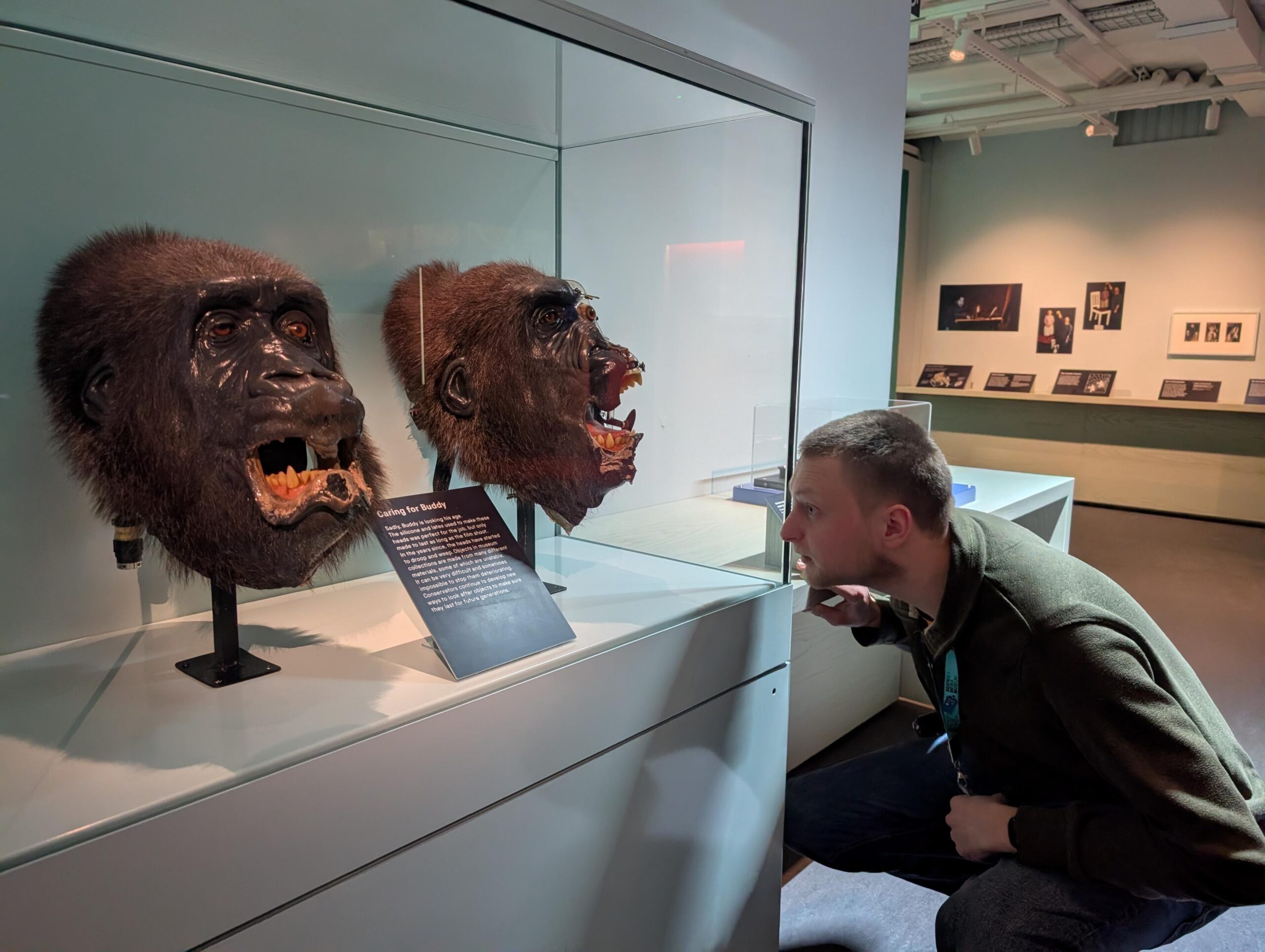 Koleksiyon Bakımı İçinde: Yeni Ekip Üyesi">

Giriş
This piece introduces the new Collections Care Assistant at the National Science and Media Museum and summarizes the training, early projects, and day-to-day work involved in looking after a museum’s stored and displayed objects.
Who joined the team and why it matters
Ben joined the Conservation and Collections Care team at the National Science and Media Museum in November 2025, taking up the role of Collections Care Assistant after a spell on the visitor-facing side of the museum. With an academic background in History of Art from the University of York, Ben moved from a Visitor Experience Assistant role in February 2025 into collections care later that year.
The appointment is significant for the museum because collections care is the backbone of long‑term preservation. As museums expand public programming, exhibitions and building projects, the work of collections care staff ensures that objects remain available for display, research and loan while being protected from damage, pests and environmental threats.
Early training and acclimatisation
On joining the conservation team, Ben completed a series of essential, object-centred training modules. These included formal instruction in safe object handling, an introduction to the museum’s collections management system, Mimsy, and hazard awareness for potentially fragile or chemically unstable items.
Practical experience was combined with learning to draft simple documentation: risk assessments, condition reports and store inventories. Early tasks also involved collaborative planning to protect collections during building works in storage areas, requiring coordination across teams and suppliers.
Typical day-to-day duties
No two days in collections care are identical, but some regular duties can be described:
- Pre-opening checks: Weekly inspections of galleries such as Sound and Vision to spot any damage or display issues before visitors arrive.
- Cleaning and gentle maintenance: Monthly cleaning of objects on display, using long dusters and a backpack vacuum for delicate surfaces.
- Case monitoring: Checking showcases in spaces like the Kodak Gallery for microclimate or physical problems that might need intervention.
- Collection moves and storage planning: Assisting with racking measurements, supplier liaison and documenting store conditions.
Notable projects and collaborations
One of the first major projects Ben contributed to was a coordinated effort to protect collections ahead of store refurbishment. This required drafting risk assessments to ensure both staff and objects were safeguarded while building contractors worked in close proximity to sensitive items.
Another valuable part of early development involved cross-museum learning: a visit to the Science and Industry Museum in Manchester exposed Ben to different storage solutions and conservation practices. Such exchanges are valuable for benchmarking standards and adopting best practice techniques.
Tools and systems used
Collections care is supported by a mix of analogue skills and digital tools:
| Kategori | Examples |
|---|---|
| Handling & cleaning | Long dusters, soft brushes, backpack vacuum |
| Belgeler | Condition reports, risk assessments, store measurement logs |
| Collections management software | Mimsy (cataloguing and object tracking) |
| Preventive conservation | Pest monitoring, environmental checks, storage racking plans |
Skills developed on the job
Key professional skills cultivated in this role include meticulous attention to detail, clear written and photographic documentation, basic conservation techniques, collaborative risk management and familiarity with compliance standards for object care. These skills are transferable across museums and relevant to any institution that manages historic or scientific collections.
Why collections care matters: a brief historical perspective
The professionalization of collections care has deep roots in the evolving role of museums. Where early cabinets of curiosity focused on accumulation, the modern museum moved toward systematic preservation in the 19th and 20th centuries as public access and scholarship expanded. Preventive conservation—managing light, humidity, pests and handling—became central as collections increased in value, diversity and complexity.
Today, collections care teams balance access and preservation: they enable exhibitions, loans and educational work while protecting objects for future generations. Software like Mimsy and standardized documentation formats reflect this historical shift from private cabinets to publicly accountable institutions with professional conservation standards.
How this role supports public engagement
Collections care staff make it possible for visitors to experience objects in galleries and for researchers to consult items in stores. Routine checks, careful cleaning and effective storage solutions reduce risks and prolong the display life of artifacts, which directly benefits the visitor experience and educational programmes.
Practical outcomes and skills applied to wider tourism contexts
Although this role sits within a museum, the conservation practices and risk management skills have relevance to broader tourism and cultural destinations. Properly cared-for collections underpin compelling exhibitions that attract visitors, support cultural itineraries and can feed into destination marketing.
Checklist: Key responsibilities of a Collections Care Assistant
- Daily and weekly gallery checks for object and case integrity.
- Monthly cleaning of accessible display objects.
- Producing risk assessments for building or storage works.
- Maintaining pest management records and environmental logs.
- Supporting cataloguing and store logistics using collections software.
In summary, the new Collections Care Assistant role combines hands-on preservation, documentation, and collaborative planning to keep objects safe, accessible and ready for display or research.
GetBoat is always keeping an eye on the latest tourism news; developments in museum collections care influence how cultural Destinations and activities are presented to visitors, and they intersect with broader themes of travel and leisure such as yacht, charter, boat, beach, lake, sailing, captain, sale, superyacht, yachting, sea, ocean, boating, gulf, water, sunseeker, marinas, clearwater and fishing in terms of destination appeal and programming, and this update highlights the practical steps institutions take to protect and prepare collections for the public.