


 Türkçe
  English (UK)
  Русский
  العربية
  日本語
日本語  한국어
한국어  Magyar
  Español
  Čeština
  Svenska
  Português
  Ελληνικά
  Suomi
Suomi  Nederlands
  Română
  Italiano
  Français
  Polski
  Українська
  Deutsch
  简体中文
简体中文  Slovenčina
 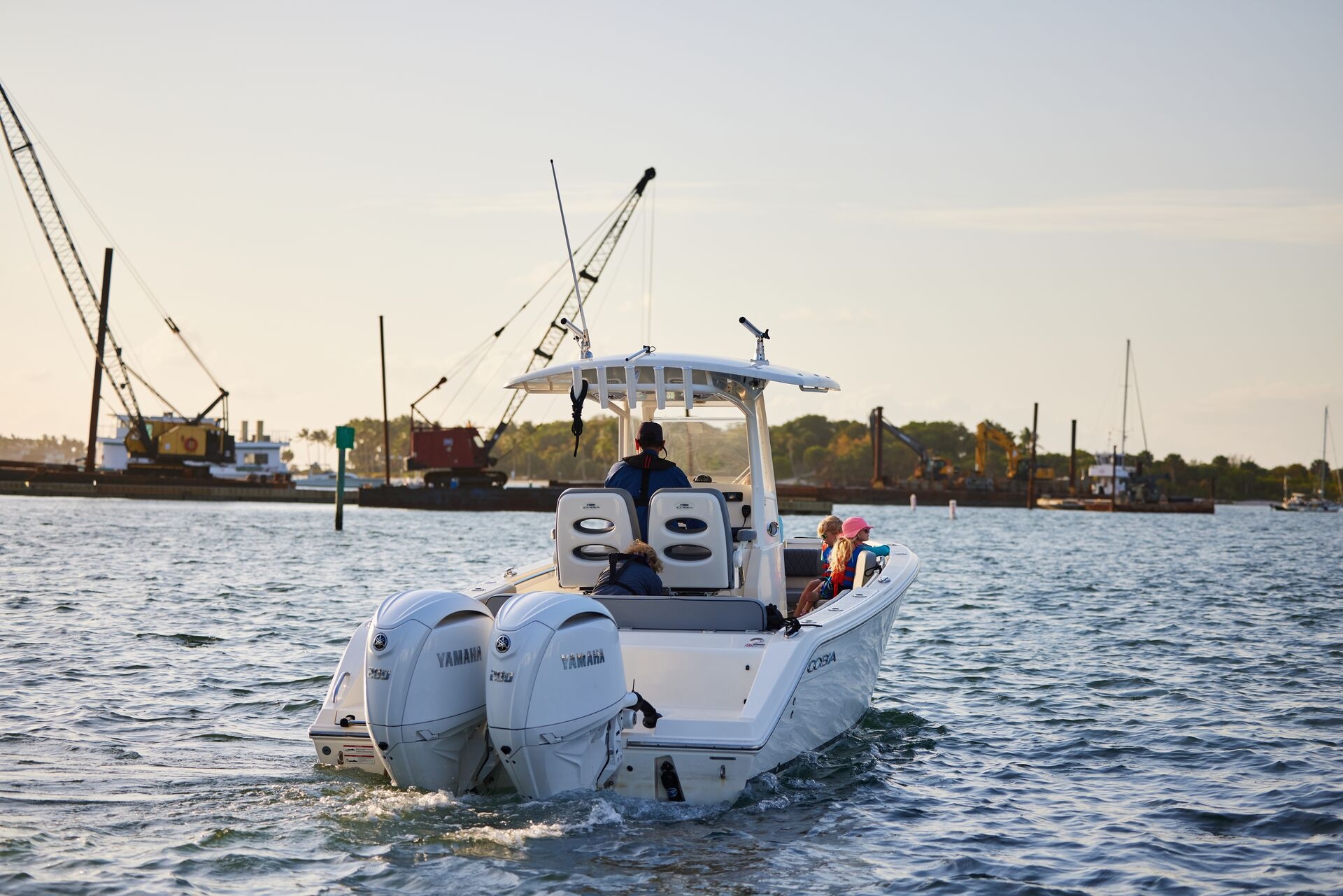 How to Secure Your California Boater Card">

As of January 1, 2025, every person operating a motorized vessel on California waterways must hold a California Boater Card, whether at a marina, on a lake, or offshore in the gulf or open ocean—no age exemptions, no grandfathering, and law enforcement may ask to see it during stops or safety checks.
What the California Boater Card Actually Is
Bu California Boater Card functions as a lifetime education credential showing an operator has completed an approved boater safety course and passed the exam. It covers operators of a wide range of powered craft: standard outboard and inboard boats, personal watercraft like jet skis, and other motorized watercraft. The card is often called a “boating license,” but technically it’s a proof-of-education card issued under rules from the California State Parks Division of Boating and Waterways (DBW), aligned with NASBLA standartlar.
Four Practical Steps to Get Your Boater Card
Getting the card is straightforward: register, learn, test, and pay. The whole process is designed to be completed online or in person in a single day if you’ve got the time, or spread over a few sessions if you prefer.
1. Obtain a California Boater ID Number
Start by getting your Boater ID number from the DBW portal. This unique number links your course completion to the state record and is required before you enroll in any approved course. Keep the number handy when signing up for online providers like Boat-Ed veya ilearntoboat.
2. Complete an Approved Safety Course
Take a DBW- and NASBLA-approved boating safety course. Both classroom and online options are valid; online courses are popular for renters and charter captains because they fit around work and sea days. Course topics typically include:
- Federal and state boating laws
- Navigation rules and “rules of the road”
- Collision avoidance and accident prevention
- Required safety equipment and proper use
- Interpreting buoys, markers, and signage
- Environmental stewardship and preventing invasive species
- Emergency preparedness, rescue basics, and VHF use
3. Pass the Exam
After the course you’ll take a multiple-choice exam. Many online classes permit open-book testing, and the format is considered easy to moderate for most people. Passing generates an immediate temporary certificate you can print or save on your phone for on-the-water checks.
4. Pay Fees and Receive Your Card
Pay the state processing fee to have the permanent card mailed to you. Processing time is usually a few weeks; in the meantime your temporary certificate is legally valid for enforcement purposes.
Quick Practical Tips
- If you rent or charter often, complete the course before high season—marinas and rental desks move fast come summer.
- Operators of captained charters should still carry cards; the regulation applies to anyone at the helm.
- Keep a digital photo of the card on your phone, but also bring the physical card when possible—some marinas prefer paper verification.
Fees, Timing, and Typical Provider Options
| Item | Typical Time | Typical Cost |
|---|---|---|
| Boater ID registration | 10–30 minutes | Free |
| Online safety course + exam | 2–6 saat | $30–$50 (Boat-Ed example $44.95) |
| State processing & card | 2–3 hafta | About $10 |
Common Questions from Renters and First-Time Captains
How long does it take?
Online courses can be finished in a few hours; expect to receive a permanent card in two to three weeks. A temporary certificate is issued immediately upon passing.
Do I need it to rent a boat in California?
Yes—most rental companies and charter operators require the boater card for anyone operating a motorized vessel. It’s part of standard rental eligibility, alongside age and ID checks.
How difficult is the test?
Most find the exam straightforward if they complete the approved course. It’s focused on safety, navigation basics, and real-life scenarios, designed for practical use rather than academic rigor.
How This Affects Sailing and Boat Rental Scene
For the boating and rental market—yacht charters, day rentals, and superyacht deckhands alike—the card standardizes operator competence. Marinas, charter companies, and peer-to-peer platforms will lean on this credential when vetting renters, listing captains, or approving insurance for a charter. If you’re into yachting, fishing trips, or lake days, having the card makes booking and renting a boat smoother—no last-minute holdups at the dock.
Bottom line: get your California Boater Card early, choose a reputable provider like Boat-Ed veya ilearntoboat, and keep your temporary certificate handy until the physical card arrives. That way you can focus on the fun parts—charter planning, captain duties, and those sun-soaked days on the water.
Summary: The California Boater Card is mandatory for all motorized operators, obtained by registering for a Boater ID, completing an approved course, passing the exam, and paying the state fee. Processing is quick, online options make it painless, and renters or captains will find smoother charter, yacht or boat transactions when everyone is certified. Whether you’re renting a boat, planning a beach day, booking a charter or learning to sail on a lake or the sea, this credential keeps you compliant and ready for yachting activities—perfect for marinas, fishing excursions, superyacht charters, and gulf or ocean adventures.