


 Türkçe
  English (UK)
  Русский
  العربية
  日本語
日本語  한국어
한국어  Magyar
  Español
  Čeština
  Svenska
  Português
  Ελληνικά
  Suomi
Suomi  Nederlands
  Română
  Italiano
  Français
  Polski
  Українська
  Deutsch
  简体中文
简体中文  Slovenčina
  Bridget Riley’in Optik Sanatına Yolculuğunu Keşfetmek">

Bridget Riley’s Bold Artistic Vision
Many early in Bridget Riley’s life assumed she would follow the conventional path of painting familiar subjects: idyllic landscapes, still lifes, or traditional portraits. The prevailing notion was that art should be “pretty” and easily recognizable. However, Riley’s ambitions led her down a different road.
Rather than merely depicting pretty objects, she sought to paint ideas, capturing intangible sensations such as the way light interacts with surfaces, the illusion of motion, and visual perception’s playful tricks. When her early works—dominated by stark black stripes or gray circles—were first unveiled, they puzzled many viewers.
Questions like “Where is the subject?” and criticisms labeling her creations as “just lines” often confronted her. Yet, Riley demonstrated remarkable courage, persisting with her experimental style despite skepticism that her art wasn’t “real” art. She trusted her instincts, confident her unique vision would eventually resonate with audiences.
The Emergence and Impact of Op Art
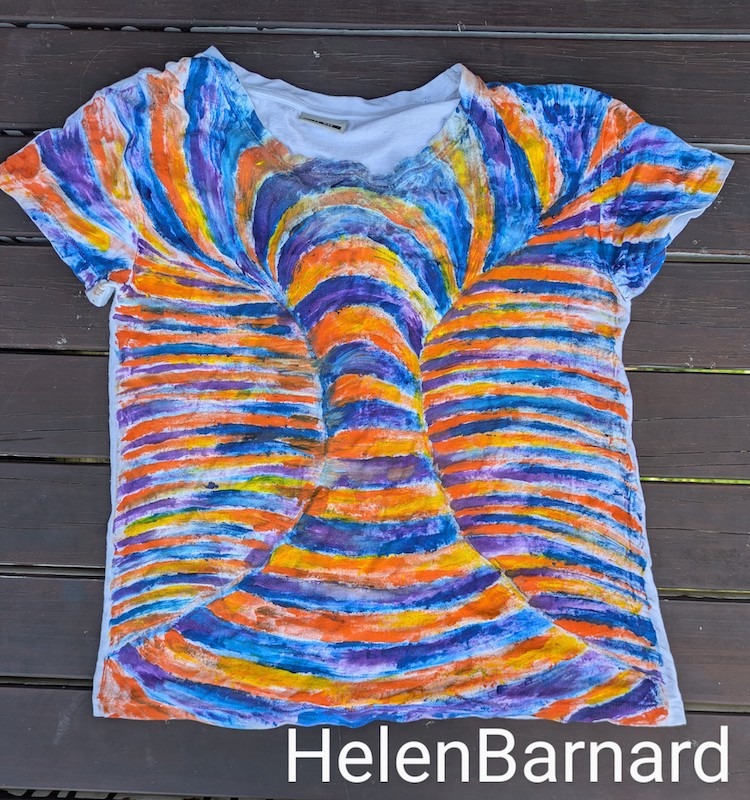
Bridget Riley’s paintings became central to the movement known as Op Art, short for Optical Art. This style is characterized by using patterns, colors, and shapes to create dynamic visual effects that make flat canvases appear to ripple, vibrate, or bulge. It’s a visual rhythm that challenges the brain to catch up with the eye’s dance.
Her work captivated public attention over time. Unexpectedly, her “simple” and abstract paintings elicited strong engagement, compelling viewers to linger and explore the shifting illusions. Her art toured internationally, transforming from baffling avant-garde pieces into iconic representations of modern perception.
The power of these paintings lay not merely in how they looked but how they interacted with observers—the paintings seemed alive, inviting playful eye movements and perceptual adventures.
Lessons from a Revolutionary Palette
Bridget Riley’s artistic journey reminds us that embracing difference is a strength. It encourages pushing boundaries beyond conventional aesthetics, showing that what may initially seem puzzling or unconventional can ultimately open up new artistic horizons and deepen visual experiences.
A Brief History of Optical Art
Optical Art, or Op Art, gained momentum during the mid-20th century, emphasizing visual perception’s complex interplay rather than figurative representation. Although geometric abstraction and illusion have roots stretching back to earlier artistic movements, the deliberate employment of optical illusions for an intense sensory impact became more distinct during this time.
Artists working in this style often harnessed principles from psychology and physics to engineer effects that tricked the eye—lines vibrating, shapes appearing to move, and colors shifting unnaturally. Op Art emerged alongside and in reaction to movements such as Abstract Expressionism and Minimalism, offering a distinct way to engage with form, space, and viewer interaction.
Optical Art’s Influence Beyond the Canvas
The legacy of Op Art extends beyond galleries, influencing various design sectors, including fashion, architecture, and interactive media. The visual playfulness it introduced resonates with the human craving for stimulation and novelty. It’s this dynamic energy and innovative spirit that continue to inspire creative fields even today.
Significance for Tourism and Cultural Destinations
While Bridget Riley’s work may at first seem distant from the worlds of marine resorts and sailing, the broader cultural vibrancy her art exemplifies is very much part of what draws tourists worldwide. Around coastal destinations where sailing and yachting flourish, the appreciation for creativity and new perspectives often fuels cultural festivals, exhibitions, and artistic tours that enhance the overall visitor experience.
Artistic innovation invites tourists to see their surroundings through fresh eyes, much like Op Art invites new ways of seeing. The intersection of culture, art, and natural beauty—be it glistening seas or picturesque marinas—makes destinations rich and compelling for diverse activities beyond just boating or sailing.
How Art and Sailing Enrich Travel Experiences
- Art Exhibitions Near Harbors: Coastal cities often host exhibitions showcasing contemporary art, adding cultural layers that complement boating excursions.
- Marinas as Cultural Hubs: Modern marinas serve as gathering spots that incorporate public art and design, creating spaces for relaxation and creativity.
- Inspiration for Yacht Design: Innovative artistic concepts influence yacht aesthetics, blending form with function for beautiful sailing experiences.
- Events and Festivals: Many seaside festivals feature art alongside water sports, forging a multi-dimensional tourist appeal.
Looking Ahead: The Enduring Influence of Innovative Art
Bridget Riley’s dedication to authentic expression and visual experimentation illustrates the continuous evolution of art toward engaging the observer’s mind as much as their eyes. In an era where technology and culture intersect more than ever, such visionary art challenges us to embrace the unfamiliar and find beauty in unexpected places.
For travelers who delight in cultural and aesthetic exploration, seeking out art-infused destinations enhances encounters with sun-drenched marinas, tranquil lakes, and sparkling ocean views. These journeys can bring the combined joys of yachting, beach adventures, and cultural awakening into one seamless experience.
| Görünüm | Description |
|---|---|
| Art Movement | Op Art – uses optical illusions to create dynamic visual effects |
| Main Characteristics | Patterns, colors, geometric shapes causing perceivable motion |
| Key Artist | Bridget Riley |
| Era | Mid-20th century onward |
| Cultural Impact | Influences art, design, fashion, architecture, and tourism |
Summary
Bridget Riley’s pioneering work redefined what art could be, shifting from pretty depictions to immersive experiences of perception and light. Her journey into Op Art showcased the power of following one’s own vision despite convention, inspiring generations of artists and audiences.
This spirit of innovation enriches not only the art world but also cultural tourism, particularly in places where the sea and sailing shape the landscape and lifestyle. From vibrant marinas to seafaring festivals, the combination of art, water, and sun creates a captivating playground for adventurous travelers across the globe.
Whether you are drawn by the allure of the ocean or the excitement of cultural discoveries on land, exploring new dimensions of beauty and creativity enhances every journey.
For those looking to combine the thrill of sailing or yacht charter with rich cultural experiences, GetBoat.com offers an international marketplace for renting sailing boats and yachts, the ideal platform to satisfy diverse tastes and budgets in destinations filled with sun, water, and artistic inspiration.