


 Türkçe
  English (UK)
  Русский
  العربية
  日本語
日本語  한국어
한국어  Magyar
  Español
  Čeština
  Svenska
  Português
  Ελληνικά
  Suomi
Suomi  Nederlands
  Română
  Italiano
  Français
  Polski
  Українська
  Deutsch
  简体中文
简体中文  Slovenčina
 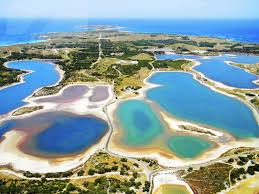 Western Australia’s international visitor numbers top one million">

International aviation capacity into Western Australia reached 131% of 2019 levels in the year to October 2025, linking Perth and regional gateways to 20 global cities via 24 international airlines and underpinning a record 1.024 million overseas arrivals.
Key figures and immediate effects on the visitor economy
Tourism Research Australia (TRA) data for the 12 months to October 2025 show Western Australia received 1.024 million international visitors, surpassing the pre-pandemic peak of 996,000. Year-on-year growth in overseas arrivals outpaced other Australian states, returning the sector to — and beyond — its former scale. The tourism industry now supports more than 120,000 jobs and sustains roughly 30,000 tourism and hospitality businesses across the state.
Drivers behind the surge
The recovery has been driven by a mix of marketing, aviation, and events policy:
- Brand campaigns: The Walking On A Dream global campaign and the Drive the Dream initiative with Daniel Ricciardo increased destination awareness in priority markets.
- Event leverage: High-profile events such as WWE: Crown Jewel and the Bledisloe Cup boosted short-term demand and international media exposure.
- Aviation links: Expanded seat capacity and new routings restored connectivity to major source markets, enabling both leisure and VFR (visiting friends and relatives) traffic.
- Cruise recovery: Cruise tourism climbed to approximately 160% of pre-COVID levels, reopening key port calls and shore excursions.
Policy and industry coordination
The Cook Government’s tourism strategy, delivered through Tourism Western Australia, combined targeted promotions with trade partnerships and aviation incentives. Tourism Minister Reece Whitby emphasized the role of coordinated investment in international marketing, aviation negotiations, and the development of Aboriginal tourism products as central to the rebound.
Operational implications for transport, infrastructure and regional services
Higher international throughput has immediate logistics and infrastructure consequences across air, cruise, and ground transport networks. Airport terminal capacity, baggage handling, customs processing, and intermodal links to regional centers must scale to seasonal peaks. Cruise calls have reintroduced port logistics challenges including tendering operations, shore excursion transfers, and waste-management coordination at regional marinas and small ports.
| Metric | Value (12 months to Oct 2025) | Pre-COVID benchmark |
|---|---|---|
| International visitors | 1.024 million | 996,000 |
| Aviation capacity | 131% of 2019 | 100% |
| Seyir turizmi | 160% of pre-COVID | 100% |
| Jobs in tourism | 120,000+ | — |
Regional distribution and supply-side pressure
Perth remains the primary international arrival hub, but regional destinations such as Margaret River, Ningaloo Coast, Broome and Rottnest Island have seen elevated conversion due to touring itineraries and event spillover. The increase in footfall places pressure on accommodation, rental vehicle fleets, and charter operators; workforce constraints in hospitality and transport remain a limiting factor for shoulder-season capacity.
Short historical overview and recovery timeline
Western Australia’s tourism trajectory over the last decade has been shaped by international connectivity, resource sector cycles, and destination branding. Before the pandemic, WA recorded near-million international arrivals, buoyed by interest in natural assets such as the Ningaloo Reef, the South West wine and surf corridor, and unique cultural tourism experiences. The interstate market recovered earlier, returning to pre-pandemic volumes in March 2023, while international tourism lagged until global aviation rebuilt capacity.
Post-2020, the state adopted an outward-facing marketing strategy and invested in securing blockbuster events to accelerate recovery. By leveraging global campaigns and partnerships with airlines, WA achieved accelerated growth ahead of national projections. The return of cruise itineraries and an active events calendar further amplified inbound demand.
What changed structurally
- Stronger airline relationships and route diversity reduced reliance on any single market.
- Event-led visitation became an intentional part of demand generation strategy.
- Product development in Aboriginal and regional tourism increased the range of visitor experiences.
Forecast and significance for international tourism
Given the current momentum, Western Australia is positioned to sustain elevated international visitor numbers provided several conditions hold: stable global aviation capacity, continued investment in destination marketing, and progressive development of regional infrastructure and workforce. Risks include economic headwinds in source markets, airline consolidation, and climate-linked event variability (e.g., marine heatwave impacts on reef-based experiences).
For international tourism at large, WA’s recovery demonstrates how combined efforts on marketing, events, and aviation can restore and surpass prior benchmarks. The state’s model offers a practical blueprint for destinations seeking to rebuild inbound visitation while diversifying product offerings beyond metropolitan hubs.
Implications for boating, marinas and coastal operators
Marinas, charter operators, and boating-service providers should anticipate increased demand for mooring, charter bookings, and shore-based services. Higher cruise call volumes and visitor dispersal to coastal attractions may drive seasonal spikes in demand for recreational boating, fishing charters, diving excursions, and yacht visits to sheltered bays and popular boat ramps. Investment in berth capacity, waste reception facilities, and crew accommodation will support sustainable growth in marine tourism segments.
- Charter businesses should align fleet availability with peak periods and consider flexible pricing strategies.
- Marinas need to review capacity, security, and customer-service standards to attract higher-value visitors and superyacht calls.
- Local operators can leverage events to offer integrated packages combining land-based tours with boating activities.
Western Australia’s surpassing of one million international visitors marks both a successful recovery and a turning point for future tourism planning. The combination of enhanced aviation links, high-impact events, and global branding has not only restored pre-pandemic volumes but created opportunities for coastal and marine tourism growth.
GetBoat is an international marketplace for renting sailing boats and yachts, and it is probably the best service for boat rentals to suit every taste and budget. For those looking to charter a yat veya tekne in WA — whether for a day trip to a clearwater bay, a fishing excursion, a luxury superyacht experience or a simple beach-and-sailing itinerary — this rebound means more options to rent, to hire a local captain, or to purchase a vessel through connected sale channels. The recovery promises increased marine activities across marinas and gulf harbors, expanded yachting itineraries along the Indian Ocean coast, and a broader set of water-based Destinations and experiences for visitors seeking sun, sea, and sailing adventures. Explore the latest yacht and charter options and how the tourism surge reshapes boating, marinas, and coastal services at GetBoat.com.