


 Türkçe
  English (UK)
  Русский
  العربية
  日本語
日本語  한국어
한국어  Magyar
  Español
  Čeština
  Svenska
  Português
  Ελληνικά
  Suomi
Suomi  Nederlands
  Română
  Italiano
  Français
  Polski
  Українська
  Deutsch
  简体中文
简体中文  Slovenčina
 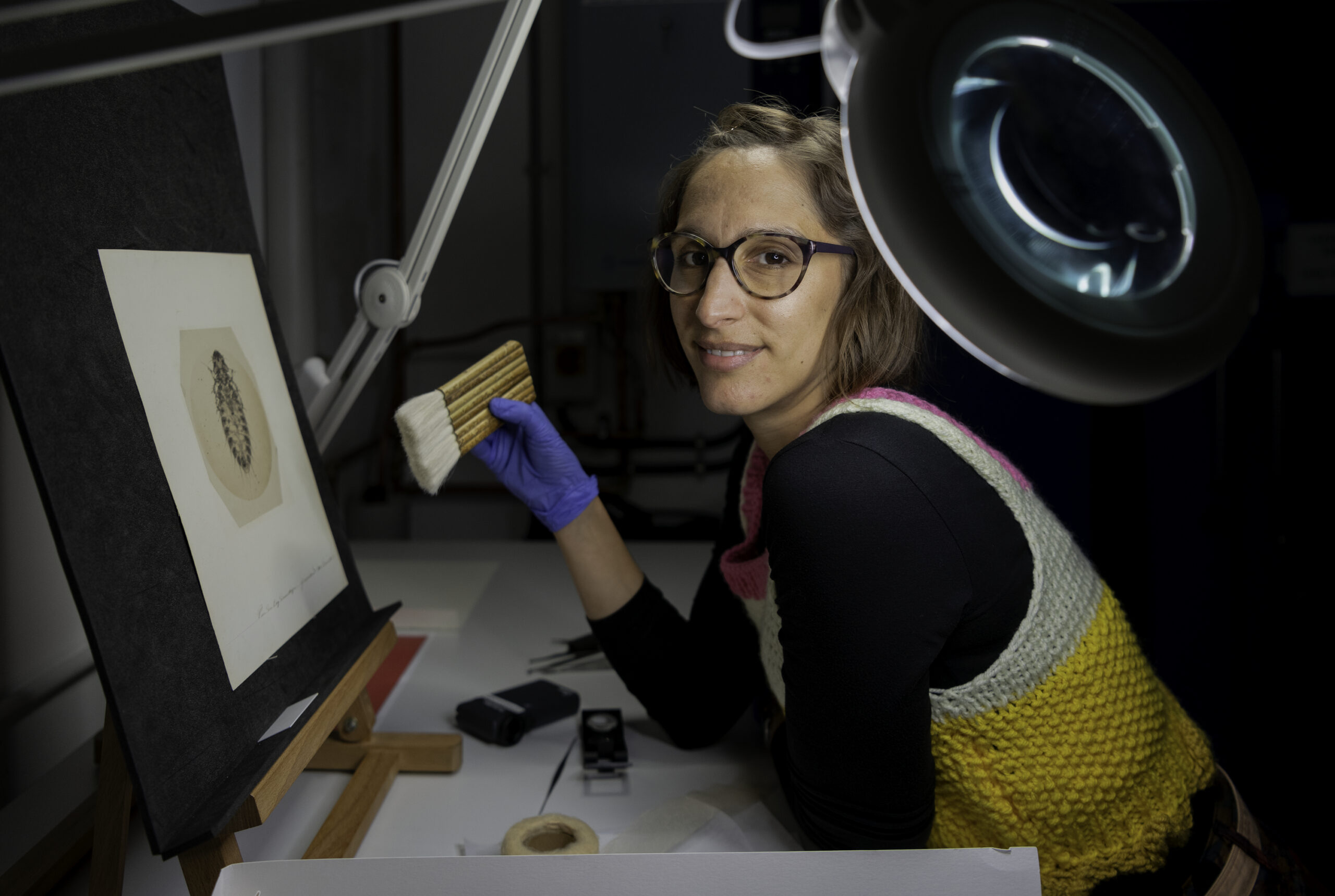 Conservation Uncovered: How Museum Experts Preserve History">

Delving into the Art of Conservation
Conservation is a meticulous craft dedicated to preserving cultural treasures and historic objects for future generations. This delicate work requires not only skill but also the right set of tools and a passionate eye for detail. Examining the expertise of conservators offers a rare glimpse into the behind-the-scenes efforts that keep museums’ collections vibrant and intact.
The Essential Toolkit of a Conservator
A conservator’s toolbox might seem modest at first glance, yet each instrument plays a vital role in safeguarding delicate artifacts. Typical equipment includes scalpels with various blades for precise cleaning and manipulation, bone folders for flattening fragile materials, and a selection of soft brushes used to delicately remove dust and grime without causing damage.
Additionally, handheld magnifying lenses and microscopes help conservators explore minute details invisible to the naked eye. Spatulas and erasers aid in subtle repair and cleaning tasks, while small torches and dust air blowers assist in both illumination and gentle dust removal.
| Tool | Purpose |
|---|---|
| Scalpels | Fine cleaning and material manipulation |
| Bone Folder | Flattening and smoothing paper or photos |
| Soft Brushes | Removing dust gently |
| Handheld Magnifying Lens & Microscope | Detailed inspection of objects |
| Spatulas & Erasers | Cleaning and small-scale repairs |
| Torch & Air Blower | Illumination and removing dust particles |
Favourite Tools and What They Reveal About the Work
A few favorite tools stand out among conservators, often because of their unique functions or sentimental value. For example, specialist spatulas engraved with personal initials connect the craftspeople to their work on a deeper level, showing how family support intertwines with professional pride. Others favor a super-soft brush, cherished for its gentle touch that minimizes risk to fragile materials.
The Daily Life and Passion Behind Conservation
The heart of conservation lies not only in technical execution but in the daily joys and challenges that drive experts forward. Many conservators find profound satisfaction in working with photographs and other visual materials—cleaning, stabilizing, and restoring them to a condition that honors their legacy.
Patience, attention to detail, and problem-solving emerge as key personality traits for success in this field. An inquisitive mind and a love for examining objects closely underpin the endlessly fascinating process of uncovering layers of history embedded in artifacts.
Origin of the Conservator Role
Conservation as a formal career has steadily evolved, especially in museums and galleries. Modern conservators are often referred to as the “doctors” of photographs and art due to their diagnostic and remedial expertise. They are the guardians who maintain the bridge between past treasures and today’s audiences, ensuring that art, science, and history remain accessible and vibrant.
Current Projects and Ambitions
After intensive periods focusing on areas like sound and vision collections, conservators often return to paused projects such as the care of historic magic lantern slides. Upcoming exhibitions regularly keep the team engaged with fresh challenges, reflecting an evolving museum landscape where preservation and public engagement go hand in hand.
The Tools You Might Not Expect
Aside from traditional conservation instruments, there are some unexpected favorite tools that support the work, such as backpack vacuum cleaners and small precision tools borrowed from other trades like dentistry or electronics repair. These versatile devices help handle the unique demands of cleaning and maintaining delicate objects without causing harm.
Getting a Closer Look: Behind the Museum Scenes
For those eager to peek behind the curtain, many institutions publish blog series or online content sharing ongoing conservation work. These behind-the-scenes glimpses help demystify the process and reveal the meticulous attention each object receives before going back on display.
Conservation in a Broader Historical and Cultural Context
The preservation of art and historical artifacts has roots stretching back centuries, but the professionalization of conservation gained momentum in the 20th century with advances in chemistry and materials science. For example, conserving Renaissance frescoes has long posed challenges, especially when environmental damage or disasters have threatened their very existence.
Techniques such as strappo ve stacco were developed to carefully transfer and stabilize fragile wall paintings from their original locations. These intricate procedures require balancing the physical needs of the artwork with the desire to preserve its contextual integrity within historical settings.
Environmental and Technical Challenges
Conservators must constantly battle threats like moisture, pollution, dust, and fluctuating temperatures—all factors that can accelerate decay. Advances such as chemical poultices, specialized adhesives, and controlled environments have become essential tools in the prevention of deterioration. Nevertheless, the goal is always to maintain as much of the original character and context of the artifact as possible.
Table: Key Conservation Challenges and Solutions
| Meydan Okuma | Impact | Typical Conservation Approach |
|---|---|---|
| Moisture | Causes deterioration, mold growth | Control humidity, cleaning and drying treatments |
| Pollution | Discoloration, chemical damage | Use of protective coatings, controlled air quality |
| Physical Damage | Flaking, cracking of materials | Stabilization with adhesives and support mounts |
| Çevresel Dalgalanmalar | Yapısal stres, malzeme yorgunluğu | İklim kontrollü depolama ve sergileme |
Geleceğe Bakış: Korumanın Geleceği ve Turizme İlişkin Önemi
Koruma alanı, yeni bilimsel yöntemleri ve daha büyük disiplinler arası işbirliğini entegre ederek daha karmaşık hale gelmeye devam ediyor. Bu, kültürel anıtların ve koleksiyonların sadece bilim insanları için değil, aynı zamanda mirasla otantik bağlantı kurmak isteyen gezginler için de korunmasını sağlar. Tarihi zenginliği ve manzaralı sularıyla bilinen bölgelerde, kıyı şehirleri veya gölü kenarındaki kasabalar gibi yerlerde, sanat ve tarihin korunması, deniz turizmiyle güzel bir şekilde örtüşmektedir.
Yelken tutkunları ve koyları, körfezleri ve sahil marinasını keşfeden ziyaretçiler için, kıyıda bulunan kültürel hazinelerin iyi korunmuş olduğunu bilmek, yolculuğa başka bir katman ekler. Bir müzenin narin sergilerini hayranlıkla izleyip veya tarihiyle ünlü sahil kasabalarını keşfedip dururken, koruma bu deneyimlerin korunmasını ve geliştirilmesini sağlar.
Sonuç
Koruma, dikkatli bilim, becerikli zanaatkarlık ve tarihe derin bir saygı karışımını sunar. Değerli koleksiyonları stabilize etmek, temizlemek ve korumak için günde çalışan korumacılarının bağlılığı, gelecek nesillerin geçmişe açılan bu pencerelerden keyif alabilmesini sağlar. Onların, bisturiden yumuşak fırçalara kadar olan araç takımları, korumaktan çok hikaye anlatmaya yönelik bir misyonu destekler.
Deniz kültürü ve tarihin buluştuğu deniz turistik yerlerini ziyaret edenler için, koruma yelken deneyimini ve yerel mirasa olan takdiri zenginleştirir. Yat veya yelkenliyle kıyı bölgelerini keşfetmek isteyenler, yelkenliliğin heyecanı ile yakınlardaki müzelerde ve galerilerde korunan zengin tarihi anlatılar arasında eşsiz bir uyum bulacaklar.
Bir sonraki yolculuğunuz için bir yat kiralamanın veya tekne kiralama konusunda en iyi yollar ve seyahat destinasyonları hakkında daha fazla bilgi edinmek için göz atmayı düşünün. GetBoat.com, her seyül ve tekne zevkine ve bütçesine uygun, uluslararası bir pazar yeridir.